Oblique Injury: Symptoms, Causes and Treatment

Key Takeaways
- Oblique injuries usually involve strain or tearing of the side abdominal muscles.
- Pain often worsens with twisting, bending, coughing, or laughing.
- Diagnosis is based on a physical exam and sometimes imaging if another injury is suspected.
- Most people recover with rest, activity modification, pain control, and rehabilitation.
- A sudden severe pain, swelling, or inability to move normally deserves medical assessment.
An oblique injury affects the muscles along the side of the abdomen and can make twisting, coughing, or getting up from bed uncomfortable. Most cases improve with rest, guided rehabilitation, and a gradual return to activity, but proper evaluation helps rule out more serious problems.
Overview
An oblique injury usually refers to a strain or tear in one of the oblique muscles, which run along the sides of the abdomen and help with twisting, bending, and trunk stability. These muscles are used constantly in sports, lifting, reaching, and even simple movements such as rolling over in bed or standing up from a chair.
Because the obliques support both motion and posture, an injury can be surprisingly disruptive. Some people notice a sharp pain during a swing, throw, sprint, or sudden turn; others feel a gradual ache that becomes more obvious with everyday movements. The good news is that many oblique injuries heal well when they are identified early and given time to recover.
For international patients seeking care away from home, the main goal is not simply pain relief but also clarity: confirming that the pain is truly muscular, understanding how severe the strain is, and knowing what activity level is safe during recovery. A careful orthopedic assessment can help shape that plan.
Symptoms
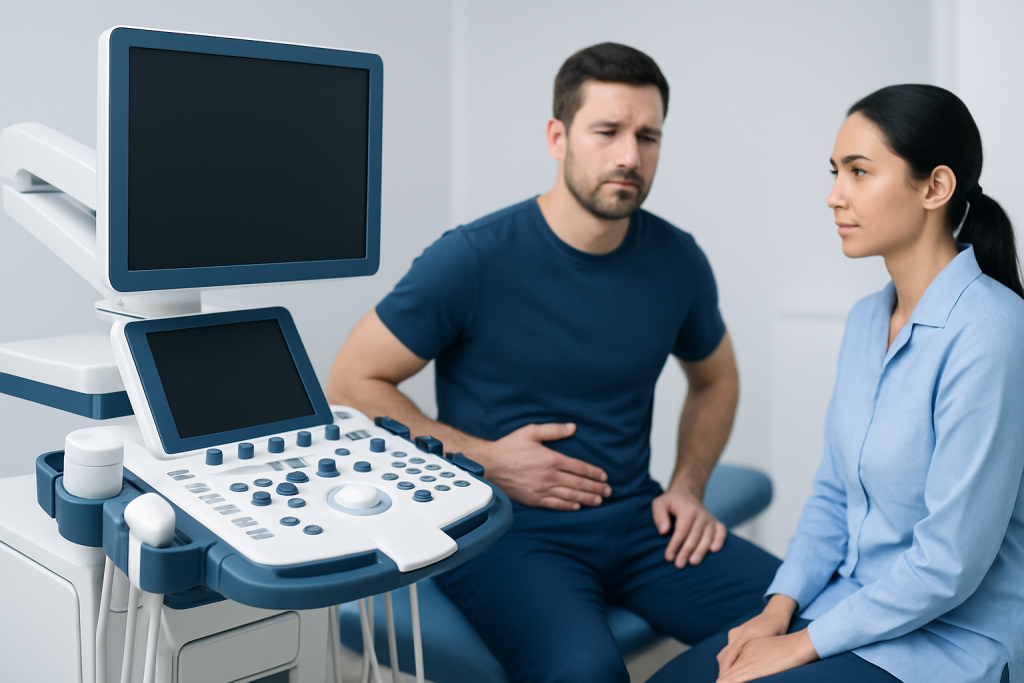
The most common symptom is localized pain on one side of the abdomen or lower rib area. The discomfort may be felt as a pull, tightness, or sharp sting, especially when the person twists the torso, bends sideways, coughs, sneezes, or laughs.
Swelling, tenderness to touch, muscle spasm, or bruising may appear in some cases, particularly after a more forceful injury. Athletes may notice that they can no longer rotate fully or generate power without pain, while non-athletes may struggle with routine motions such as getting out of a car or lifting a suitcase.
Symptoms can vary depending on whether the injury is mild or more significant. A mild strain may feel like soreness that settles with rest, while a partial tear can make movement notably painful and limited.
- Pain along one side of the abdomen or flank
- Pain with twisting, reaching, or side-bending
- Discomfort when coughing, sneezing, or laughing
- Tenderness, stiffness, or muscle spasm
- Possible bruising or swelling after a sudden injury
Causes & Risk Factors

Oblique injuries often happen when the trunk is forced to rotate suddenly or resist a strong pull. Sports that involve batting, swinging, throwing, rowing, tennis, golf, wrestling, or repeated sprinting place the obliques under heavy demand. A single awkward movement can also cause injury, especially if the muscles are fatigued or not well conditioned.
Risk increases when the body is asked to do more than it is ready for. A sudden jump in training intensity, poor warm-up, weak core muscles, reduced flexibility, or previous abdominal strain can all make the obliques more vulnerable. People who lift heavy objects at work or home may also develop strain if they twist while carrying weight.
Although the term sounds specific, not every pain on the side of the abdomen is a simple muscle injury. Rib problems, hip injuries, hernias, and abdominal conditions can sometimes feel similar, which is one reason a proper clinical evaluation matters.
- Sports with repeated rotation or forceful trunk movement
- Sudden increase in training, lifting, or activity
- Fatigue, poor conditioning, or limited flexibility
- Previous abdominal or core injury
- Unexpected twist, slip, or awkward landing
Diagnosis
Diagnosis usually begins with a detailed conversation about how the pain started, what movements make it worse, and whether the person felt a sudden pull, pop, or tearing sensation. A clinician then examines the abdomen, ribs, and surrounding muscles to look for tenderness, swelling, bruising, and movement limitations.
In many cases, the pattern of pain and exam findings are enough to suggest an oblique strain. If the symptoms are unusual, severe, or slow to improve, imaging may be used to rule out a deeper tear or a different cause of pain. Ultrasound or MRI may be considered depending on the clinical situation and the need to assess soft tissue more closely.
Diagnosis is especially important for travelers and international patients who may have limited time before returning home. A clear diagnosis helps avoid unnecessary restriction or, just as importantly, prevents an early return to activity that could prolong recovery.
Treatment Options
Treatment depends on the severity of the injury, but the foundation is usually relative rest. This does not mean complete inactivity; rather, it means avoiding movements that clearly provoke pain while keeping the body gently mobile within a comfortable range.
Pain relief may include simple measures such as ice in the early phase, heat later if it feels soothing, and clinician-recommended pain management when needed. Many patients benefit from guided physiotherapy, which focuses on restoring trunk control, flexibility, and strength in a stepwise way. Return to sport or heavier work is usually gradual and based on function, not just the passage of time.
More significant tears may require a longer recovery period and closer follow-up. Surgery is uncommon for a straightforward oblique muscle injury, but other diagnoses may need different treatment if the pain source is not muscular.
- Relative rest and temporary activity modification
- Cold or warm compresses depending on the stage of healing
- Physiotherapy and core rehabilitation
- Gradual return to sports, lifting, or twisting movements
- Medical review if symptoms are severe or not improving
Prevention & Self-care
Prevention starts with preparing the muscles for the demands placed on them. A good warm-up, regular core strengthening, and flexibility work can help the obliques tolerate twisting and bending more safely. People who train or work physically should also pay attention to fatigue, since tired muscles are less able to stabilize the trunk.
Once an injury has occurred, self-care is about protecting healing tissue without making the body too guarded. Gentle walking, comfortable posture changes, and the exercises recommended by a physiotherapist can support recovery. It is usually wise to avoid aggressive stretching, sudden rotational drills, and heavy lifting until a clinician says the tissue can handle more.
Traveling for treatment adds a practical layer: patients may need advice on airport sitting time, luggage handling, and movement during long journeys. Clear instructions from the care team can help reduce flare-ups while recovering away from home.
- Warm up before sports or physical work
- Build core strength and trunk control gradually
- Increase training load in steps, not all at once
- Use good lifting mechanics and avoid twisting under load
- Follow rehabilitation guidance before resuming full activity
When to See a Doctor
Medical evaluation is appropriate when side abdominal pain is sudden, severe, or linked to a clear injury. It is also important to seek care if pain makes walking, breathing deeply, or using the trunk difficult, or if the discomfort does not start to improve after a short period of rest.
Anyone with marked bruising, visible swelling, a bulge, fever, vomiting, pain that spreads beyond the muscle area, or unexplained abdominal symptoms should be assessed promptly, since not all side pain is a muscle strain. A clinician can distinguish between an oblique injury and other problems that may need different treatment.
For patients who are already abroad or considering treatment overseas, early assessment can be especially helpful because it creates a clear plan for recovery, follow-up, and safe travel home. At Acibadem Health Point, multidisciplinary specialists and JCI-accredited hospitals diagnose and treat this condition for international patients with coordinated care and clear next steps.
Recovery and Return to Activity
Recovery from an oblique injury is usually measured by function. A person should be able to move, twist, cough, and perform daily tasks with minimal pain before returning to demanding exercise or heavy work. Rushing back too soon can turn a manageable strain into a longer-lasting problem.
Rehabilitation often progresses from pain control and gentle mobility to core activation and then to sport-specific or job-specific drills. This stepwise approach helps the muscles relearn how to absorb load and rotate without strain. Patients who compete in sports may need extra guidance on throwing, batting, serving, or contact drills, depending on the activity involved.
Follow-up is useful when symptoms linger, especially for people who are planning travel, competition, or physically demanding work soon after treatment. A structured recovery plan makes it easier to stay active safely instead of guessing when the body is ready.
Frequently asked questions
01What is an oblique injury?
An oblique injury usually means a strain or tear in one of the side abdominal muscles. These muscles help the trunk twist, bend, and stabilize during movement. Pain is often felt during rotation, coughing, or side-bending.
02How do people usually get an oblique muscle injury?
It often happens during sports, lifting, sudden twisting, or an awkward movement. Repeated overuse can also irritate the muscle over time. Fatigue and poor warm-up can make the injury more likely.
03Can an oblique injury heal on its own?
Many mild strains improve with rest and gradual return to activity. However, a proper diagnosis is important so a more serious tear or another cause of pain is not missed. Recovery tends to be better when activity is modified early.
04How long does recovery take?
Recovery depends on how mild or severe the injury is and on how well the person rests and rehabilitates. Some people improve in a short time, while more significant strains take longer. A clinician or physiotherapist can guide the return to exercise or work.
05Should heat or ice be used for an oblique strain?
Ice is often helpful soon after an injury if there is acute pain or swelling, while heat may feel better later when the area is stiff. The best choice can vary from person to person. If pain is persistent, medical advice is recommended.
06When is imaging needed?
Imaging is considered when the diagnosis is unclear, pain is severe, or symptoms are not improving as expected. It can also help rule out hernia, rib injury, or deeper soft tissue damage. A doctor decides which test, if any, is appropriate.
This article is for general information only and is not a substitute for professional medical advice. Please consult a qualified doctor about your individual situation.
Joint and spine care in Turkey — expert assessment & treatment
JCI-accredited · board-certified surgeons · reply within 24h
Add us as a Preferred Source to see more of our trusted health content across Google Search, AI Overviews and Discover.