

ACL Injury: Symptoms, Causes and Treatment
Key Takeaways
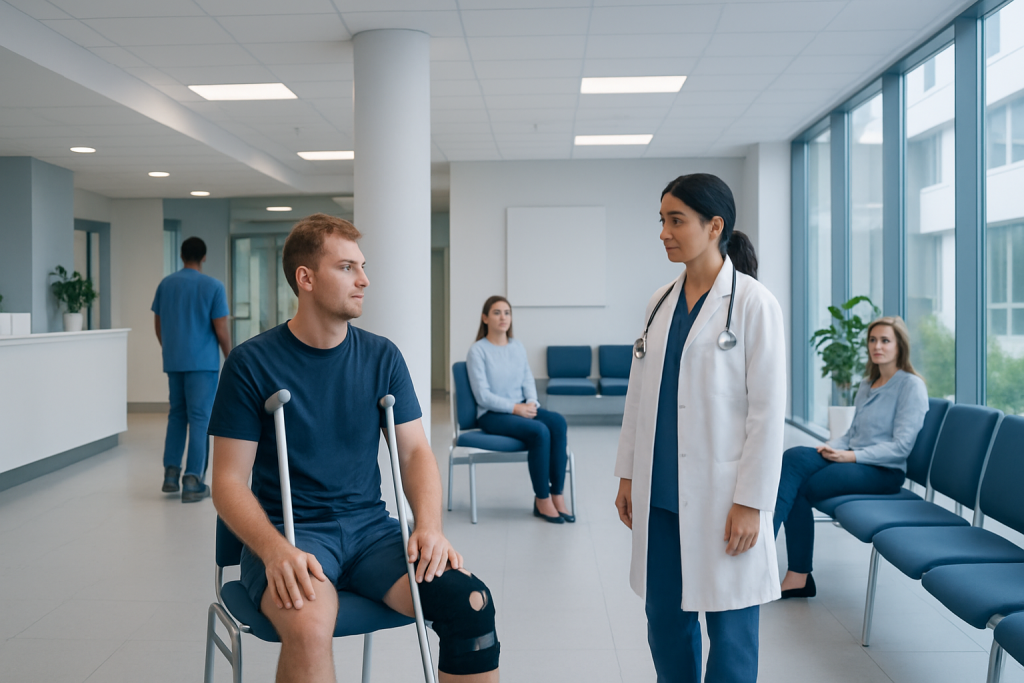
- The ACL is a major knee stabilizer, and injury often happens during sports or sudden directional changes.
- A popping sound, swelling, pain, and a feeling that the knee may give way are common clues.
- Diagnosis usually includes a physical exam and imaging, especially MRI, to assess ligament and associated damage.
- Treatment may involve rehabilitation, bracing, or surgery depending on activity level, instability, and other knee injuries.
- Recovery is gradual and depends on restoring strength, control, and confidence before returning to sport or demanding work.
An ACL injury affects one of the key ligaments that helps stabilize the knee, especially during twisting, jumping, or sudden stops. Understanding the symptoms, diagnosis, and Pain Treatment Options: When to Start With Therapy and When to Consider Surgery" class="ahp-ilk">treatment options can help a person choose the right care and return to daily activity more safely.
Overview
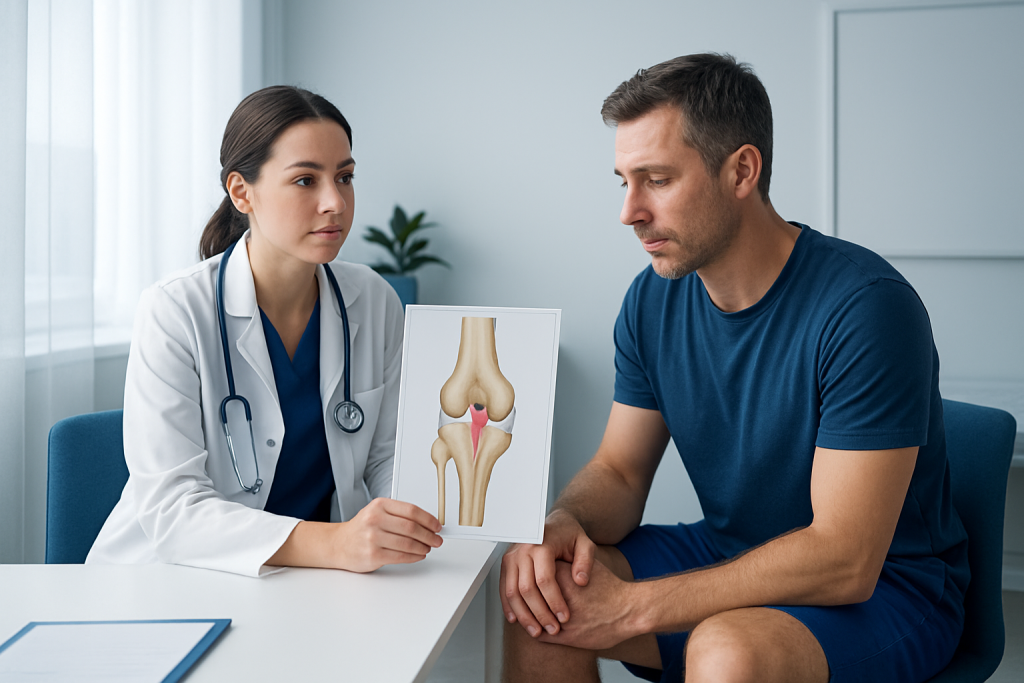
The anterior cruciate ligament, or ACL, is one of the main bands of tissue that supports the knee joint. It helps keep the shin bone from sliding too far forward and contributes to control when a person pivots, lands from a jump, or changes direction quickly.
An ACL injury can range from a mild sprain to a partial or complete tear. It is especially common in sports that involve cutting movements, but it can also occur during a fall, a collision, or an awkward twist of the knee. For someone making decisions about treatment from another country, the key question is not only whether the ligament is torn, but also how much the knee has lost stability and what daily goals need to be restored.
Some people are able to manage an ACL injury without surgery, while others benefit from reconstruction to regain dependable knee control. The best approach depends on symptoms, physical demands, associated injuries, and the person’s recovery priorities.
Symptoms
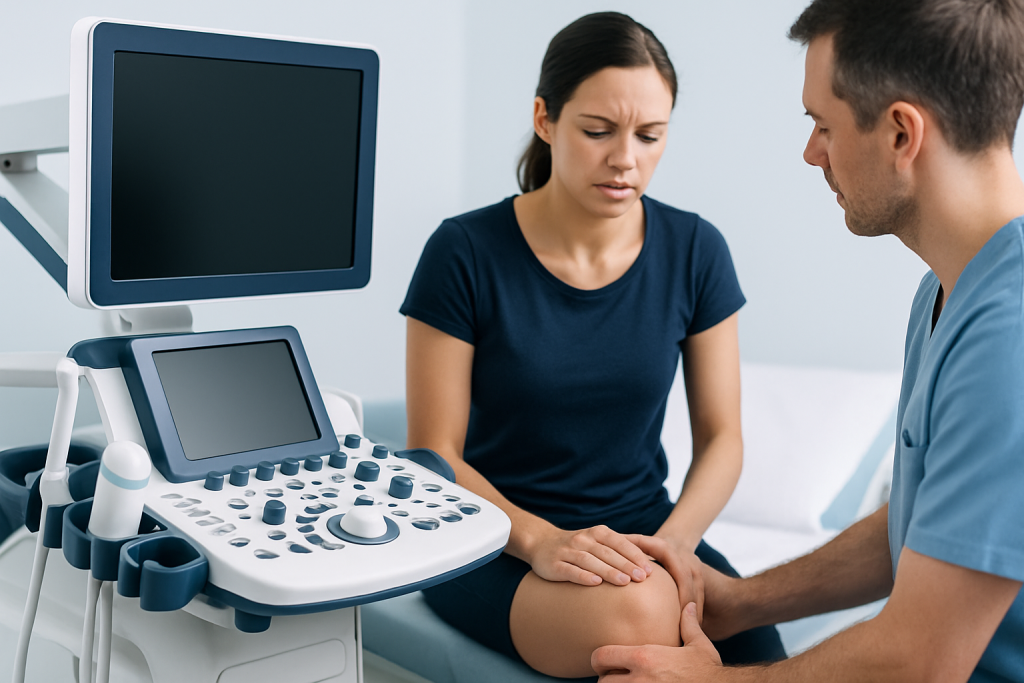
ACL injuries often announce themselves clearly. Many people describe a sudden pop at the moment of injury, followed by rapid swelling and pain inside the knee. Walking may become difficult, especially soon after the injury.
As the first pain settles, instability often becomes the more important problem. The knee may feel as if it is slipping, buckling, or giving way when a person turns, slows down, or steps onto uneven ground. That sense of unreliability can be unsettling even when pain is modest.
Other symptoms may include:
- Reduced range of motion, especially difficulty fully straightening the knee
- Swelling that develops within hours after the injury
- Tenderness around the joint
- Difficulty continuing sports or active work
Symptoms may vary if the injury occurs together with damage to the meniscus, cartilage, or other knee ligaments. In those cases, swelling, locking, or more severe pain may be present.
Causes & Risk Factors
Most ACL injuries happen without a direct blow. The usual pattern is a sudden change in direction, rapid deceleration, or landing awkwardly from a jump. These movements place high stress on the knee, particularly when the foot stays planted and the body rotates.
Contact can also cause an ACL tear, especially in collision sports or during falls. In some cases, a non-sport injury such as a slip on stairs or an accident that twists the knee is enough to damage the ligament.
Risk can be influenced by several factors, including:
- Participation in sports with pivoting, jumping, or rapid stopping
- Previous knee injury
- Muscle imbalance or limited strength around the hip and thigh
- Poor landing or cutting mechanics
- General ligament laxity in some individuals
Women and men both sustain ACL injuries, though risk patterns may differ depending on sport type, movement mechanics, and training habits. Importantly, injury prevention is often possible through technique training, strength work, and neuromuscular conditioning.
Diagnosis
Diagnosis begins with a careful history of how the injury happened. The details matter because the mechanism often points toward ACL damage and helps the clinician estimate whether other structures may also be involved.
A physical examination usually follows. The doctor checks swelling, stability, motion, and joint tenderness. Specific tests can help assess whether the ACL is functioning normally, although pain and swelling may make the examination less straightforward soon after the injury.
Imaging is commonly used to confirm the diagnosis and look for associated problems. X-rays do not show the ACL itself, but they can help rule out a fracture or other bone injury. MRI is especially useful because it can show the ligament, meniscus, cartilage, and other soft tissues in detail. For international patients, this step is often central to planning care, since treatment decisions depend on whether the knee is simply sore and swollen or mechanically unstable.
Treatment Options
Treatment is individualized. Not every ACL injury requires surgery, and the most appropriate plan depends on how unstable the knee feels, how active the person is, and whether there are other injuries inside the joint.
Non-surgical care may include rest from aggravating activity, swelling control, guided physiotherapy, and bracing in selected cases. This approach may suit people who are less likely to place high rotational demands on the knee, or those whose main goal is to return to lower-impact daily activity rather than competitive sport.
When the knee gives way repeatedly, or when the person wants to return to pivoting sports or physically demanding work, ACL reconstruction is often discussed. This is a surgical procedure that replaces the torn ligament with a graft. If meniscus or cartilage damage is present, it may be treated at the same time. Recovery typically includes structured rehabilitation focused on motion, strength, balance, and gradual return to activity.
Common treatment components include:
- Activity modification to avoid twisting and pivoting
- Physical therapy to restore muscle control and joint stability
- Bracing in some situations
- Surgical reconstruction for unstable or high-demand knees
- Follow-up visits to monitor healing and progress
Because treatment plans are personal and time-sensitive, people traveling for care usually benefit from clear pre-travel evaluation, imaging review, and a rehabilitation plan that continues after they return home.
Prevention & Self-care
Self-care after an ACL injury starts with protecting the knee from movements that increase instability. Short-term rest, ice, compression, and elevation may help ease discomfort and swelling, especially in the early phase. A clinician can advise whether a brace or crutches are appropriate.
Rehabilitation is the core of long-term recovery. Exercises are usually designed to improve thigh and hip strength, balance, landing control, and coordination. These are not cosmetic fitness goals; they help the knee tolerate the real-world demands of stairs, travel, work, and sport.
To reduce future risk, prevention programs often focus on:
- Strengthening the quadriceps, hamstrings, hips, and core
- Practicing safe landing and cutting mechanics
- Gradually returning to sport after injury
- Staying consistent with physical therapy home exercises
- Avoiding premature return to high-risk activities
For someone recovering abroad, it helps to leave with a written rehabilitation plan and a clear understanding of which movements are still off-limits. That makes follow-up with a local physiotherapist or orthopedic doctor much easier.
Recovery and Return to Activity
Recovery timelines vary widely. Some people with a partial injury or a stable knee improve with rehabilitation alone, while those who have surgery usually need a longer, stepwise return. The exact pace depends on pain, swelling, range of motion, strength, and functional tests rather than the calendar alone.
Rushing back too soon can increase the chance of another injury. A safe return usually requires more than feeling better; the knee should also move well, tolerate loading, and respond predictably during change-of-direction tasks. The rehabilitation team may use exercise milestones and movement testing to guide this process.
Patients who travel for surgery or specialist evaluation should plan for follow-up care before leaving the treating country. Even when the operation itself is completed successfully, recovery continues for months through exercises, reassessment, and graded activity progression.
When to See a Doctor
Medical evaluation is advisable after a knee injury that causes a pop, swelling, instability, or difficulty bearing weight. Sudden knee buckling, locking, or inability to fully straighten the joint also deserves prompt assessment because these findings may suggest a more complex injury.
Urgent medical care is appropriate if the knee looks deformed, the pain is severe, there is numbness or coldness in the foot, or the person cannot take a few steps after the injury. These signs can indicate a fracture, dislocation, or another condition that needs immediate attention.
For international patients, an orthopedic consultation is often most useful when imaging, examination findings, and personal activity goals are reviewed together. Acibadem Health Point’s multidisciplinary specialists and JCI-accredited hospitals diagnose and treat ACL injury for international patients, helping align treatment with recovery plans that continue after travel.
Frequently asked questions
01What exactly is an ACL injury?
An ACL injury is damage to the anterior cruciate ligament, one of the main stabilizing ligaments in the knee. It may be a stretch, partial tear, or complete tear. The main concern is often not only pain, but also whether the knee feels stable during movement.
02Can an ACL injury heal without surgery?
Some ACL injuries can be managed without surgery, especially if the knee remains stable and the person does not need to return to high-risk pivoting sports. Rehabilitation is still important in either case. A doctor or orthopedic specialist can help decide which path is most suitable.
03Why does the knee swell after an ACL tear?
The ligament injury can cause bleeding and inflammation inside the joint, which leads to swelling. Rapid swelling after a twisting injury is a common clue that the ACL may be involved. The presence of swelling also helps clinicians judge the severity and timing of the injury.
04How is an ACL injury diagnosed?
Diagnosis usually includes a discussion of how the injury happened, a physical examination, and imaging when needed. MRI is especially useful because it can show the ligament and any associated meniscus or cartilage injuries. X-rays may also be taken to rule out a fracture.
05How long does recovery take?
Recovery varies depending on whether treatment is non-surgical or surgical, and on the person’s activity goals. The process is usually measured in stages, with emphasis on swelling control, motion, strength, balance, and safe return to activity. A rehabilitation plan should be individualized by a qualified clinician.
06What should a person avoid after an ACL injury?
It is usually wise to avoid twisting, pivoting, jumping, and sports until a clinician says the knee is ready. Activities that make the knee buckle can worsen symptoms or lead to additional injury. Short-term protection and guided rehabilitation are generally safer than trying to “push through” the pain.
This article is for general information only and is not a substitute for professional medical advice. Please consult a qualified doctor about your individual situation.
Joint and spine care in Turkey — expert assessment & treatment
JCI-accredited · board-certified surgeons · reply within 24h
Add us as a Preferred Source to see more of our trusted health content across Google Search, AI Overviews and Discover.


