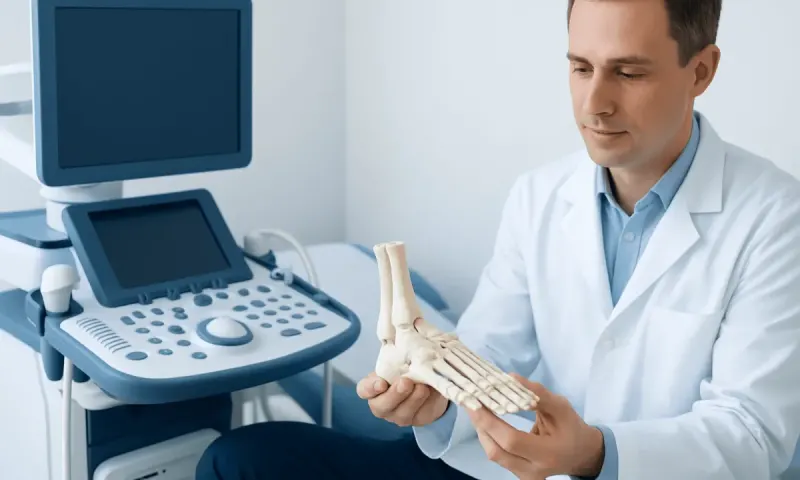
OA Disease: Managing Osteoarthritis Joint Pain
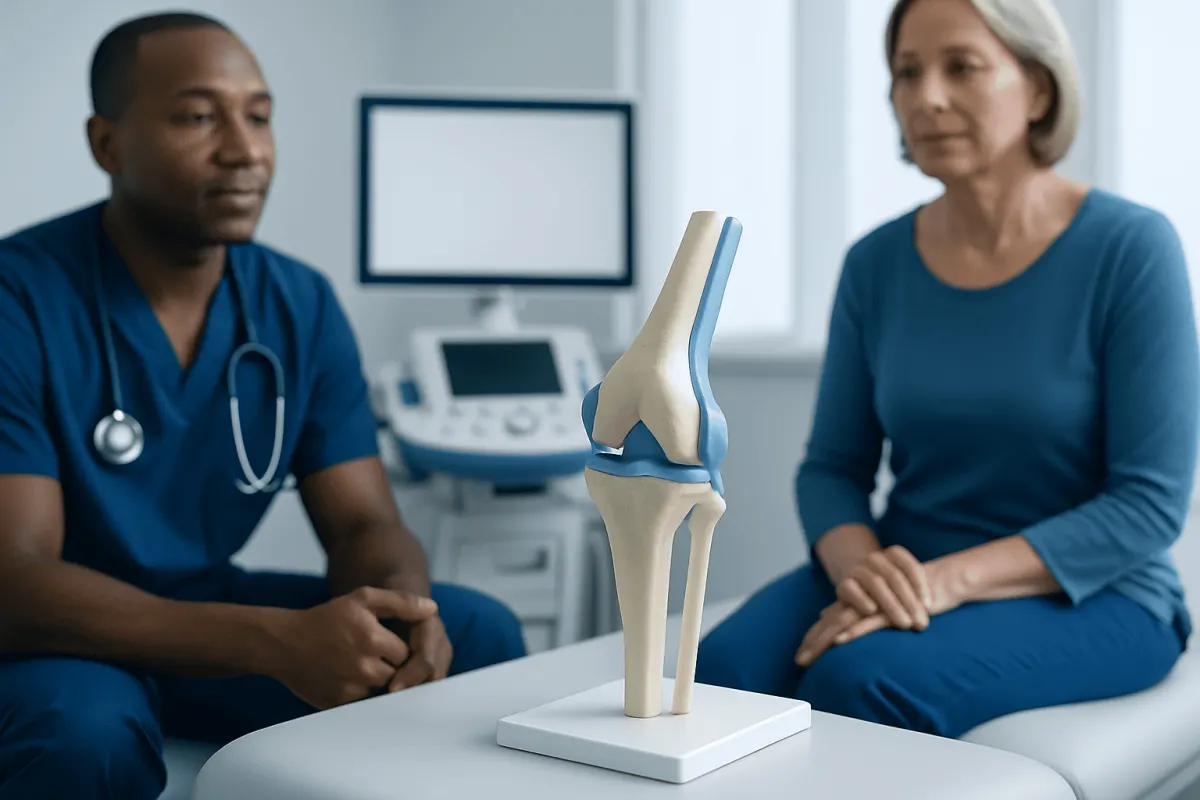
OA disease, also called osteoarthritis, is a common joint condition that can cause pain, stiffness and reduced movement. Although it cannot currently be reversed, a personalized plan of exercise, symptom relief and, for some people, procedures or joint replacement can help protect mobility and quality of life.
OA Disease: What It Is and What to Expect
OA disease is another name for osteoarthritis, a long-term condition that affects joints such as the knees, hips, hands, spine and feet. It may cause pain during or after movement, stiffness after rest, swelling and difficulty with activities such as walking, climbing stairs or gripping objects. There is no single procedure for OA disease; care usually begins with non-surgical treatment and may include surgery only when symptoms remain highly limiting.
Osteoarthritis is sometimes described simply as “wear and tear,” but this is incomplete. The OA disease process involves changes in cartilage, bone, the joint lining, ligaments and nearby muscles. These changes can alter how a joint moves and responds to load, but they do not mean a person should stop moving altogether.
OA diagnosis and treatment should be individualized. Some people have visible joint changes on an X-ray with few symptoms, while others have substantial pain despite less dramatic imaging findings. A clinician will consider symptoms, physical function, medical history, activity needs and personal preferences when discussing the most suitable plan.
OA Disease Process, Symptoms and Progression
Healthy joints have smooth cartilage that helps bones move with low friction and distributes force. In osteoarthritis, cartilage can become thinner or less resilient, while bone shape, joint tissues and surrounding muscles may also change. Inflammation can occur in the joint lining, although osteoarthritis is not usually considered an autoimmune inflammatory arthritis.
Common symptoms include aching or sharp pain related to use, stiffness after sitting or waking, reduced flexibility, clicking or grating sensations and intermittent swelling. Knee and hip OA may affect walking and balance, while hand OA can make opening jars, writing or using a keyboard more difficult. Symptoms often vary from day to day and may flare after unusual activity, illness, poor sleep or stress.
OA disease progression is highly variable. It may remain mild and stable for years, worsen gradually, or become more troublesome after a joint injury. Older age, a previous injury or surgery, repeated high joint loads, excess body weight, muscle weakness, family history and certain joint shapes or alignment patterns can increase risk. These factors are not a personal failing, and many can be addressed with practical support.
OA Diagnosis and Treatment Planning

A doctor can often diagnose osteoarthritis from a person’s symptoms, medical history and joint examination. They may assess movement, strength, tenderness, swelling, walking pattern and how the condition affects work, sleep, recreation and self-care. It is helpful for patients to describe what activities are most difficult and what outcomes matter most to them.
X-rays may be used when the diagnosis is uncertain, symptoms are severe, surgery is being considered or another condition needs to be excluded. X-rays can show joint-space narrowing, bone spurs and other structural changes, but they cannot measure pain. MRI scans are not routinely needed for typical OA disease, though they may be appropriate when a clinician suspects another injury or condition.
Blood tests do not diagnose osteoarthritis, but they can help investigate other causes of joint symptoms, such as inflammatory arthritis, gout or infection. A prompt medical assessment is important for a suddenly swollen joint, fever, unexplained weight loss, severe night pain or symptoms that began after a significant injury.
Non-Surgical Treatment and OA Procedures
Education and regular, appropriately paced exercise are core treatments for OA disease. Strengthening the muscles around the affected joint can improve support and function, while flexibility, balance and aerobic activities can help maintain movement and general health. Physiotherapists can tailor exercises to the joint involved, fitness level, other health conditions and personal goals. Low-impact activities such as walking, cycling, swimming and water exercise are often practical options.
For people who are above a weight that is healthy for them, gradual weight loss can reduce load through weight-bearing joints and may improve knee or hip symptoms. Walking aids, supportive footwear, braces, insoles and adaptations at home or work may also reduce strain. A doctor or physiotherapist can advise which aids are appropriate, since the wrong device may be unhelpful.
Medicines may be used alongside exercise and self-management. Topical anti-inflammatory medicines can help some people with localized joint pain, while oral anti-inflammatory medicines may be appropriate for selected patients after considering stomach, kidney, heart and blood-pressure risks. Pain-relief choices should be reviewed with a clinician or pharmacist, especially for people who take other medicines or have long-term health conditions.
Some OA procedures can provide symptom relief in particular circumstances. Corticosteroid injections may reduce pain for a limited period, especially during a flare, but they are not a cure and repeated use should be discussed carefully. Hyaluronic acid injections are used in some settings, but guideline recommendations vary. Arthroscopic “clean-up” surgery is generally not recommended for uncomplicated degenerative knee OA because it does not reliably improve long-term outcomes.
Joint Replacement: Procedure, Recovery and Results
Joint replacement may be considered when OA pain and loss of function remain severe despite a well-supported non-surgical plan. It is most commonly performed for advanced hip or knee osteoarthritis, although replacement or other reconstructive procedures may be used for selected shoulder and other joint problems. The decision is based on symptoms and everyday limitations rather than an X-ray grade alone.
During a hip or knee replacement, damaged joint surfaces are removed and replaced with artificial components designed to restore smoother movement. Depending on the joint and the pattern of arthritis, a surgeon may recommend total replacement or partial replacement. Less commonly, an osteotomy may be considered for a carefully selected person with uneven joint loading, where reshaping bone can shift pressure away from the most damaged area.
Recovery begins with early movement, pain management and rehabilitation. Many patients start standing or walking with assistance soon after surgery, but the pace of recovery differs according to the procedure, overall health, strength, home support and any complications. Physical therapy focuses on safe movement, range of motion, muscle strength and a gradual return to daily activities over the following weeks and months.
Joint replacement often improves pain and function, but no procedure can guarantee a specific result. Possible risks include infection, blood clots, stiffness, persistent pain, joint instability and the eventual need for further surgery. The surgical team explains individual risks, expected recovery milestones and how to prepare for a safe return home before a decision is made.
Living With OA Disease: Questions Patients Ask
Can osteoarthritis go into remission?
Osteoarthritis does not usually go into remission in the same way as some inflammatory diseases, because structural joint changes generally do not fully reverse. However, symptoms can improve greatly and may remain quiet for long periods. Regular exercise, managing flare triggers, strengthening muscles and using appropriate treatment can help a person have less pain and better function.
Is stage 4 osteoarthritis serious?
“Stage 4” commonly refers to advanced X-ray changes, often including marked joint-space narrowing and bone changes. It can be serious because it may substantially affect mobility, sleep and independence, but it is not automatically an emergency and does not mean surgery is always required. Symptoms, physical function and treatment response are more important than imaging alone when planning care.
Can I live a normal life with osteoarthritis?
Many people with osteoarthritis continue to work, travel, exercise and enjoy family and social life. A normal life may involve adapting activities, pacing demanding tasks, using supportive equipment or choosing joint-friendly forms of exercise. Good symptom management and realistic goals can help people stay active without repeatedly overloading a painful joint.
Can you stop osteoarthritis from getting worse?
No treatment can guarantee that osteoarthritis will stop progressing, but people can often reduce symptoms and lower avoidable stress on joints. Maintaining strength, addressing injuries early, staying physically active, using safe movement techniques and reaching a healthy weight where appropriate may support joint function. Regular review helps ensure the plan changes as needs change.
When to Seek Medical Care and Next Steps
A person should arrange a medical review if joint pain lasts for several weeks, repeatedly interrupts sleep, limits work or daily activities, or does not improve with simple measures. Assessment is also appropriate when swelling becomes frequent, movement is increasingly restricted, a joint feels unstable or pain causes someone to avoid activity. Early support can help preserve strength and confidence in movement.
Urgent medical advice is needed for a hot, red and very swollen joint, fever with joint pain, sudden inability to bear weight, a visibly deformed joint, or severe pain after a fall or other injury. These symptoms may indicate a condition other than routine osteoarthritis and should not be managed by self-treatment alone.
A primary care doctor, rheumatologist, orthopedic specialist, physiotherapist and pain-management professional may all contribute to care, depending on individual needs. For international patients, Acıbadem Health Point’s multidisciplinary specialists at JCI-accredited hospitals can assess osteoarthritis and discuss appropriate non-surgical and surgical treatment options. Patients benefit from bringing a list of symptoms, current medicines, prior imaging and questions about their activity goals to an appointment.
Frequently asked questions
01Which joints are most commonly affected by osteoarthritis?
Osteoarthritis commonly affects the knees, hips, hands, spine and feet. It can also develop in shoulders, ankles, elbows or other joints, particularly after an injury or repeated joint stress. The symptoms and treatment approach depend on the joint involved.
02Does an X-ray show how much pain osteoarthritis causes?
No. X-rays can show structural changes associated with osteoarthritis, but they do not directly show pain or disability. Some people have marked X-ray changes with mild symptoms, while others have significant pain with less visible change.
03What is the best exercise for osteoarthritis?
The best exercise is one that is safe, sustainable and suited to the affected joint and the person’s current abilities. Strengthening, flexibility, balance and aerobic exercise can all be useful. A physiotherapist can help build a gradual program, particularly if pain, instability or other medical conditions are present.
04Are injections a long-term cure for OA disease?
Injections do not cure osteoarthritis or restore lost cartilage. Some injections, such as corticosteroids, may offer temporary symptom relief for selected people. Their potential benefits, limitations and risks should be discussed with a qualified clinician.
05When is joint replacement considered for osteoarthritis?
Joint replacement is usually considered when pain and reduced mobility significantly affect quality of life despite appropriate non-surgical treatment. The decision considers symptoms, function, medical fitness, expectations and the likely benefits and risks of surgery. It is not based on imaging results alone.
06Can diet cure osteoarthritis?
No specific diet has been shown to cure osteoarthritis. A balanced eating pattern that supports a healthy body weight and overall health may help reduce stress on weight-bearing joints. People considering supplements should speak with a doctor or pharmacist because evidence and safety can vary.
This article is for general information only and is not a substitute for professional medical advice. Please consult a qualified doctor about your individual situation.
Joint and spine care in Turkey — expert assessment & treatment
JCI-accredited · board-certified surgeons · reply within 24h
Add us as a Preferred Source to see more of our trusted health content across Google Search, AI Overviews and Discover.