Nystagmus in Children: When Eye Movements Need Review

Nystagmus in children refers to repeated, involuntary eye movements that may appear as shaking, jerking, or drifting of the eyes. It can result from an eye or visual-development condition, an inner-ear problem, or less commonly a neurological cause, so timely assessment helps identify the reason and support a child’s vision and development.
Overview: What Is Nystagmus in Children?
Nystagmus is a term for involuntary, repetitive eye movements. The eyes may move side to side, up and down, or in a rotating pattern. Some movements are rhythmic and equal in both directions, while others have a slow drift followed by a quicker correcting movement. The movement may be constant, intermittent, or become more noticeable when a child looks in a certain direction.
In many children, nystagmus begins during the first months of life. This is often called infantile nystagmus syndrome and is frequently linked to the way visual pathways develop early in life. It is not usually painful, and children may not notice that their eyes move. However, nystagmus can affect the steadiness or sharpness of vision, particularly when it occurs with another eye condition.
Nystagmus is a sign rather than a diagnosis on its own. The key question is why it is happening. A detailed eye examination can identify many causes, while neurological assessment may be needed when the movements begin suddenly, occur later in childhood, or are accompanied by other concerning symptoms.
Symptoms and Signs Families May Notice
Parents or caregivers may first notice that a baby’s eyes seem to shake, flicker, wander, or move back and forth. The movement may be more apparent when the child is tired, upset, focusing carefully, or looking to one side. It may lessen in a particular head position, sometimes called a null point. A child may turn or tilt the head to use that position more often.
Some children see well despite nystagmus, while others have reduced visual clarity. Possible signs of a vision difficulty include delayed eye contact, trouble following faces or toys, squinting, holding objects very close, sensitivity to light, or difficulty seeing classroom material. Older children may describe blurred vision, difficulty focusing, dizziness, or a sense that the environment is moving, especially if nystagmus developed later.
Nystagmus itself does not automatically mean a child has a brain disorder. Nevertheless, the clinician will ask about development, walking and balance, hearing, headaches, vomiting, seizures, weakness, and changes in behavior. These details help distinguish a long-standing visual-development pattern from an eye movement that needs more urgent neurological investigation.
- Eye shaking first noticed in early infancy
- Head turn, chin lift, or head tilt when looking at objects
- Reduced vision, squinting, or light sensitivity
- New dizziness, imbalance, nausea, or vomiting
- Developmental regression, weakness, severe headache, or seizures
Causes and Risk Factors
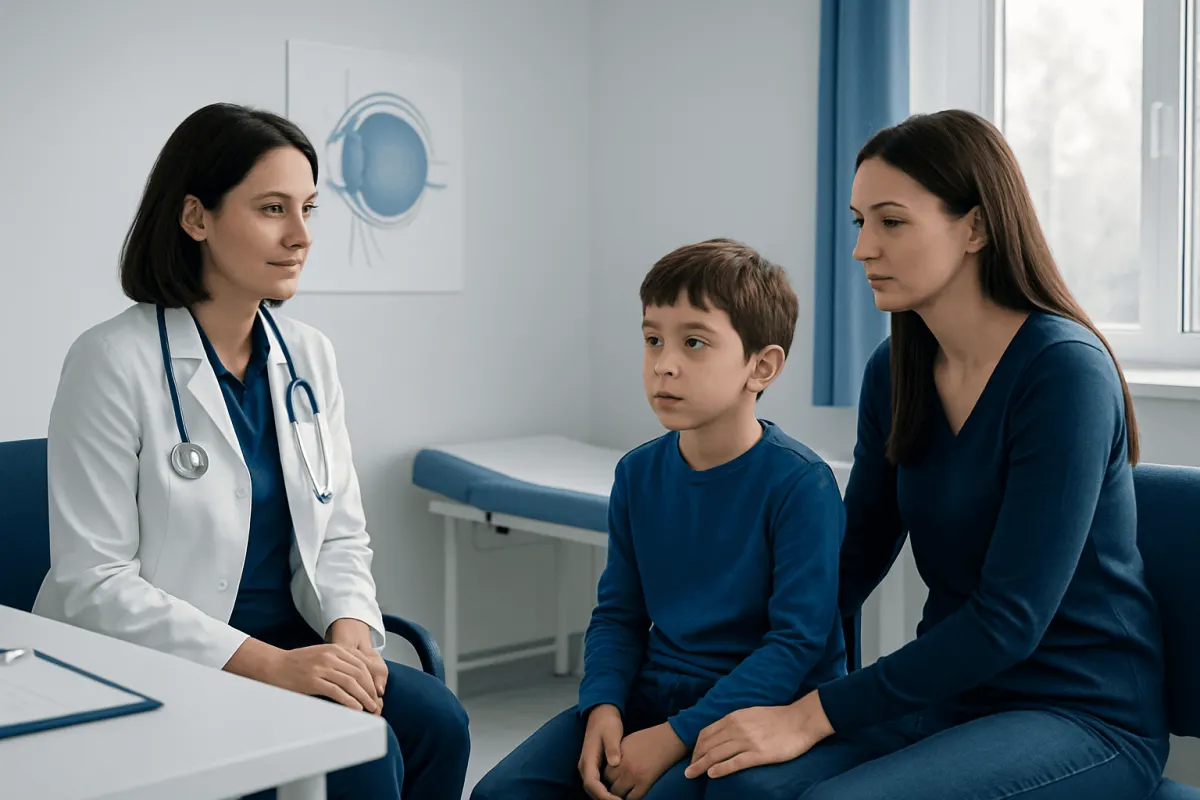
Infantile nystagmus can occur on its own or alongside conditions that reduce clear visual input early in life. Examples include significant refractive errors, cataract, problems affecting the retina or optic nerve, and developmental differences in the visual pathways. Some forms are inherited, including forms associated with albinism or inherited retinal conditions. A pediatric eye specialist can look for signs that point toward these causes.
A related condition, fusion maldevelopment nystagmus syndrome, may occur in children with early-onset strabismus, also called eye misalignment. Nystagmus can also be associated with prematurity or with conditions that affect the visual system before or around birth. The exact cause is not always identified immediately, and follow-up may be needed as a child’s visual abilities become clearer.
Acquired nystagmus means the movements start after a period when the eyes appeared stable. It can arise from an inner-ear or balance-system disorder, certain medicines or toxins, migraine-related conditions, inflammation, injury, or neurological conditions affecting the brainstem or cerebellum. These causes are less common than infantile forms but deserve prompt medical attention, particularly when onset is sudden.
Clinicians also consider whether there is a family history of nystagmus, poor vision, early cataracts, albinism, retinal disease, hearing loss, developmental conditions, or neurological disease. This information does not establish a diagnosis by itself, but it can help determine the most appropriate tests and referrals.
Eye Movement Testing and Diagnosis
Assessment usually starts with a careful history. The clinician will ask when the eye movements were first seen, whether they have changed, and whether the child has symptoms involving vision, balance, hearing, or development. Videos recorded by a parent can be helpful, especially when movements come and go. It is also useful to bring information about pregnancy, birth, early development, medications, and family eye history.
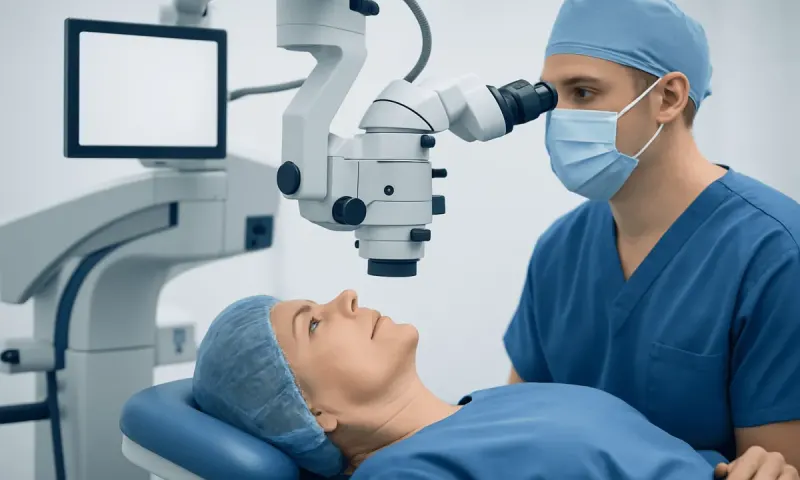
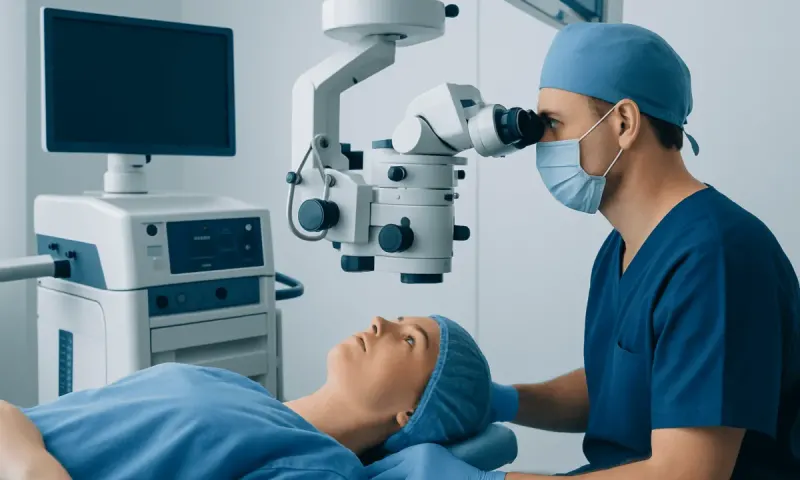
A pediatric ophthalmologist or eye specialist examines visual behavior and age-appropriate visual acuity, eye alignment, pupils, eye movements, and the front and back of the eye. Refraction is used to identify a need for glasses. The examination may include dilating drops to allow a detailed view of the retina and optic nerve. Testing is adapted to the child’s age, so infants and young children do not need to read letters to have their vision assessed.
Eye movement testing may involve observing the direction, speed, and position-related changes in nystagmus. In selected cases, clinicians use video-based recordings or specialized eye movement measurements to characterize the pattern. Tests such as optical coherence tomography, visual field assessment, electroretinography, or visual evoked potentials may be recommended when a retinal, optic nerve, or visual-pathway condition is suspected.
Magnetic resonance imaging (MRI) is not required for every child with nystagmus. It may be advised if nystagmus is acquired, unusual in pattern, accompanied by abnormal neurological findings, or associated with concern about the optic nerves or brain. The care team balances the expected benefit of imaging with the child’s age and ability to remain still, as some young children may need support or sedation for an MRI.
When Is Neurology Needed?
Many children with nystagmus are primarily assessed by pediatric ophthalmology because visual and eye-development causes are common. A pediatric neurologist may join the evaluation when there are signs that the brain, nerves, or balance pathways could be involved. This team approach helps make sure both eye health and neurological development are considered.
Neurology review is particularly appropriate when nystagmus starts suddenly after infancy, changes noticeably over a short period, or occurs with headaches, repeated vomiting, dizziness, trouble walking, poor coordination, weakness, speech changes, seizures, or developmental regression. It may also be recommended when the eye examination does not explain the movement pattern or when imaging and further neurological testing are being considered.
Parents should seek urgent medical care if a child develops sudden eye movements with severe headache, confusion, fainting, new weakness, difficulty speaking, marked unsteadiness, persistent vomiting, or following a significant head injury. These symptoms may have causes other than nystagmus, but they need prompt assessment. For a baby who is otherwise well but has persistent eye shaking, arranging a timely pediatric eye examination is still important.
Treatment Options and Vision Support
Treatment depends on the cause, the child’s vision, and the impact on daily life. Some children do not need treatment directed specifically at the eye movements, but they should have regular reviews of vision and eye health. Treating an underlying eye condition, such as a refractive error or cataract, may improve visual function and can be an important part of care.
Glasses or contact lenses may help a child see more clearly. When strabismus or amblyopia is present, treatment may include glasses, patching or other vision therapy approaches recommended by the eye specialist, and sometimes surgery. Some children with a consistent head turn or a significant eye alignment issue may be considered for eye muscle surgery; the goal may be to improve head posture, alignment, or visual function rather than guarantee that nystagmus will disappear.
For selected children, medication may be considered by specialists when the expected benefits outweigh possible side effects. This is more commonly discussed for certain acquired forms or when symptoms are particularly disruptive. Treatment for neurological, vestibular, retinal, or metabolic causes is tailored to the underlying diagnosis.
Support at home and school is also valuable. Helpful adjustments may include seating where the child can use their clearest viewing position, enlarged print or digital magnification when needed, good lighting without glare, and extra time for visually demanding tasks. Children should be encouraged to participate in normal activities with appropriate safety and vision support.
Follow-Up, Self-Care, and When to Seek Help
There is no home remedy proven to stop nystagmus. The most helpful step is keeping recommended eye and medical appointments, because vision needs can change as a child grows. Parents should use prescribed glasses consistently and tell the care team if the child’s visual behavior, head position, school performance, balance, or symptoms change.
It can be reassuring to remember that many children with long-standing nystagmus adapt well and learn to use their vision effectively. A child may benefit from support from pediatric ophthalmology, optometry, neurology, low-vision specialists, teachers, and developmental professionals. Genetic counseling may also be offered when an inherited cause is suspected or confirmed.
A diary of symptoms and short videos can help clinicians understand intermittent eye movements. Families should avoid assuming that an eye movement is harmless solely because it has been present for some time; regular review remains important. New symptoms, sudden worsening, or symptoms affecting balance and neurological function should be discussed promptly with a doctor.
At Acıbadem Health Point, multidisciplinary specialists in pediatric ophthalmology, neurology, imaging, and rehabilitation can assess nystagmus in children within JCI-accredited hospitals, supporting international patients and their families through diagnosis and care planning.
Frequently asked questions
01Is nystagmus in children always serious?
No. Many cases begin in infancy and are related to visual development or inherited eye conditions rather than an emergency neurological problem. However, every persistent or newly noticed nystagmus should be assessed so the cause, vision needs, and appropriate follow-up can be determined.
02Can a child outgrow nystagmus?
The eye movements may become less noticeable over time in some children, and children often adapt well to them. However, nystagmus does not always disappear. Regular eye reviews are important because visual needs and treatment options can change as the child grows.
03What age does infantile nystagmus begin?
Infantile nystagmus is commonly noticed in the first months of life. Eye movements that first appear later, especially after infancy, need medical assessment because the possible causes and recommended tests may differ.
04Does a child with nystagmus need an MRI scan?
Not always. MRI is often unnecessary when the examination and history fit a typical infantile pattern with an identified eye-related cause. A doctor may recommend MRI when nystagmus is acquired, atypical, worsening, or linked with neurological symptoms or abnormal examination findings.
05Can glasses help nystagmus?
Glasses cannot always stop the eye movements, but they can improve vision when a child has a refractive error. Clearer vision may make everyday activities easier and is an important part of management for many children.
06When should parents seek emergency care for nystagmus?
Emergency assessment is appropriate when eye movements begin suddenly and occur with severe headache, vomiting, confusion, new weakness, trouble speaking, seizures, significant balance problems, or a major head injury. If a child is otherwise well but has newly noticed persistent eye movements, a prompt appointment with a pediatrician or pediatric eye specialist is appropriate.
This article is for general information only and is not a substitute for professional medical advice. Please consult a qualified doctor about your individual situation.
Explore treatments in Turkey — costs, top hospitals & a free quote
JCI-accredited · board-certified surgeons · reply within 24h
Add us as a Preferred Source to see more of our trusted health content across Google Search, AI Overviews and Discover.