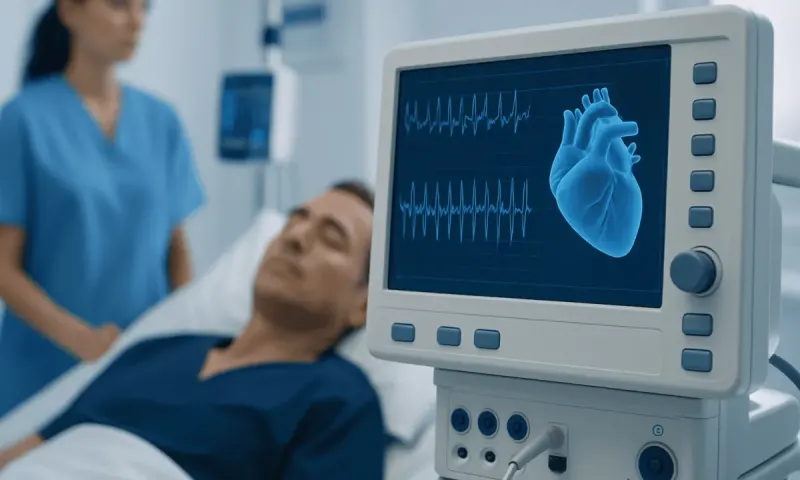
Non-Sustained Ventricular Tachycardia: Causes and Risks
Non sustained ventricular tachycardia (NSVT) is a short episode of abnormally fast heartbeats beginning in the ventricles, the heart’s lower pumping chambers. It may cause no symptoms, but medical evaluation is important because its significance depends largely on whether there is underlying heart disease or another trigger.
Overview: What Is Non Sustained Ventricular Tachycardia?
Non sustained ventricular tachycardia, often called NSVT, is a brief run of rapid heartbeats that starts in the ventricles. The ventricles are the lower chambers of the heart and normally provide the main pumping force that sends blood to the lungs and body. In NSVT, electrical signals arise from the ventricles rather than following the heart’s usual electrical pathway.
Clinicians generally define NSVT as three or more consecutive ventricular beats at a fast rate that end spontaneously within 30 seconds. An episode may last only a few seconds and may be found incidentally during an ECG, a wearable-device recording, a hospital monitor, or a longer-term heart monitor. NSVT differs from sustained ventricular tachycardia, which lasts longer or needs treatment to stop.
Finding NSVT does not automatically mean a person has a dangerous heart condition. Brief ventricular rhythms can occur in people whose hearts are otherwise healthy, particularly during stress, illness, or stimulant use. However, NSVT can also be associated with heart muscle disease, prior heart injury, or problems with the heart’s electrical system. For this reason, the focus of care is not only on the rhythm episode itself but also on understanding the individual’s heart health and overall risk.
How NSVT May Feel
Many people do not feel an NSVT episode at all. When symptoms occur, the most common is a palpitation: an awareness that the heart is racing, fluttering, pounding, skipping, or beating irregularly. Because NSVT is brief, the sensation may stop before a person has time to check their pulse or seek help.
Other possible symptoms include light-headedness, dizziness, weakness, breathlessness, sweating, chest pressure, or a near-fainting sensation. These symptoms can happen because a very rapid ventricular rhythm may briefly reduce how effectively the heart pumps blood. Symptoms alone cannot confirm NSVT, as anxiety, premature beats, supraventricular arrhythmias, and other conditions can feel similar.
The severity of symptoms does not always match the medical importance of NSVT. A person can have noticeable palpitations despite a normal heart structure, while another may have few symptoms but a condition that needs investigation. It is helpful to note when symptoms happen, how long they last, what the person was doing, and whether there were possible triggers such as exercise, alcohol, poor sleep, dehydration, or caffeine.
Why NSVT Happens and Who May Be at Risk

NSVT can occur without an identifiable structural heart problem. In these situations, it may arise from a small area of irritable heart tissue and can sometimes be linked with temporary influences such as emotional stress, fever, dehydration, stimulant medicines, recreational drug use, alcohol excess, or high caffeine intake. Low potassium or magnesium levels and thyroid disorders can also contribute to abnormal rhythms.
Doctors also look carefully for underlying heart conditions. NSVT may occur in people with coronary artery disease, a previous heart attack, heart failure, cardiomyopathy, heart valve disease, myocarditis, or inherited electrical and heart muscle disorders. Scarring within heart muscle can disrupt normal electrical conduction and create conditions that make ventricular rhythms more likely.
Risk assessment is individualized. Important details include age, medical and family history, the presence of known heart disease, results of heart imaging, whether NSVT occurs at rest or with exercise, the length and rate of episodes, and whether a person has had fainting. A family history of unexplained sudden death, cardiomyopathy, or inherited arrhythmia should always be shared with the treating clinician.
- Known coronary artery disease or a past heart attack
- Heart failure or reduced heart pumping function
- Cardiomyopathy or inflammation of the heart muscle
- Electrolyte or thyroid abnormalities
- Use of stimulants, certain medicines, or recreational drugs
- A family history of inherited heart rhythm or heart muscle conditions
How Doctors Confirm the Diagnosis
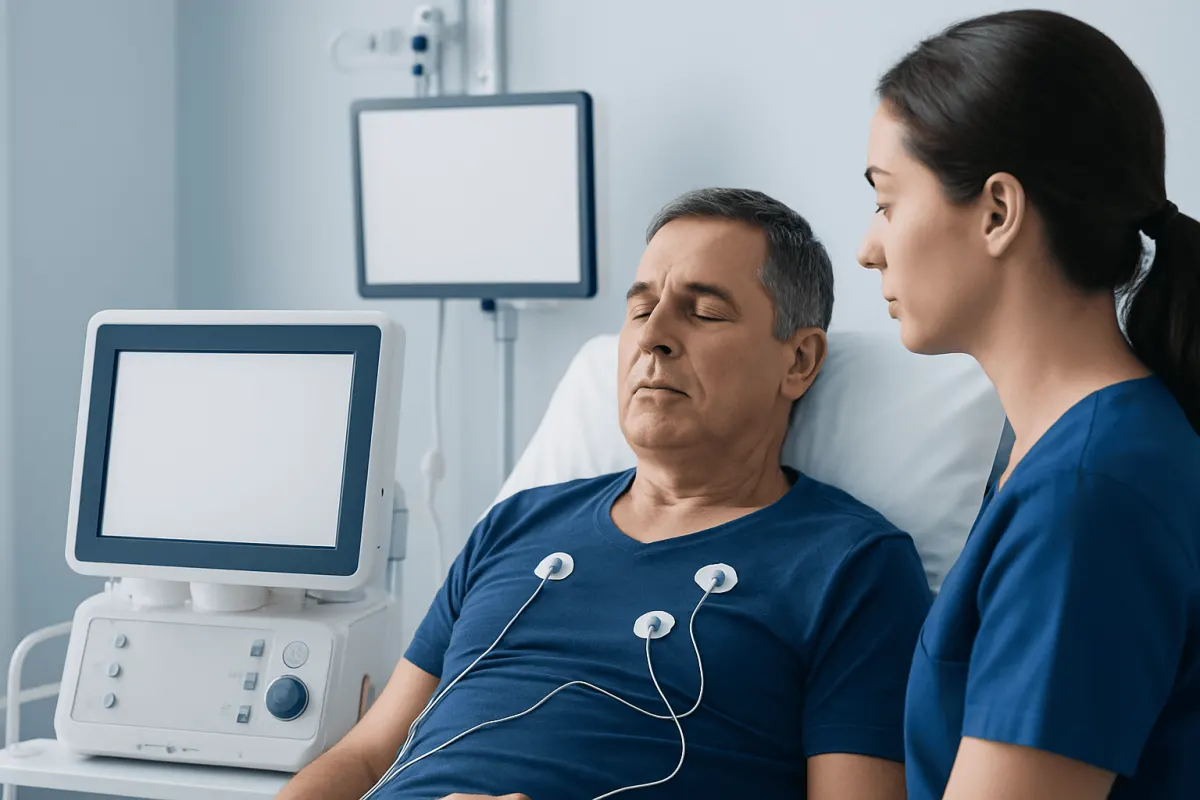
An electrocardiogram, or ECG, records the heart’s electrical activity and may identify ventricular beats or another rhythm problem. However, because NSVT often comes and goes, a standard ECG may be normal between episodes. A Holter monitor, event monitor, patch monitor, or other ambulatory ECG device can record the heartbeat over days or longer and help document the rhythm during symptoms.
Once NSVT is confirmed, testing is often directed at identifying its context. An echocardiogram uses ultrasound to examine heart size, valve function, and pumping strength. Blood tests may check electrolytes, thyroid function, anemia, and other factors when clinically appropriate. Exercise stress testing may be considered when symptoms happen with activity or when coronary artery disease is suspected.
Some people need more detailed assessment, such as cardiac MRI to look for inflammation, scarring, or cardiomyopathy that may not be evident on an echocardiogram. Coronary imaging or angiography may be used in selected situations. A cardiologist, and sometimes a heart rhythm specialist called an electrophysiologist, combines these results with the person’s symptoms and medical history to guide next steps.
Treatment Options and Ongoing Monitoring
Treatment for non sustained ventricular tachycardia depends on the cause, symptoms, frequency of episodes, heart function, and risk of a more serious arrhythmia. When testing shows a normal heart and episodes are rare, brief, and not troublesome, reassurance and follow-up may be all that is needed. Even then, a clinician may recommend monitoring if symptoms change.
When a reversible trigger is identified, treatment may focus on correcting it. This can include addressing electrolyte disturbances, treating thyroid disease, reviewing medicines, managing sleep problems, or avoiding substances that provoke palpitations. If NSVT is linked to coronary artery disease, heart failure, or cardiomyopathy, treatment also focuses on the underlying condition and on lowering overall cardiovascular risk.
Medicines that slow or stabilize the heart rhythm may be considered for recurrent symptoms or in certain higher-risk settings. The appropriate choice depends on the person’s diagnosis and other health conditions; medicines should not be started, stopped, or adjusted without medical advice. In selected patients with frequent episodes from a defined area of the heart, catheter ablation may be an option to target the tissue causing the abnormal rhythm.
For people at significant risk of life-threatening ventricular arrhythmias, an implantable cardioverter-defibrillator may be recommended. This device can detect dangerous rhythms and deliver treatment if needed. An ICD is not required for most people with NSVT; the decision is based on comprehensive risk assessment rather than the presence of NSVT alone.
Everyday Steps That Support Heart Rhythm Health
Healthy daily habits cannot prevent every rhythm disorder, but they can support cardiovascular health and reduce avoidable triggers. People with NSVT should follow their clinician’s advice about exercise, especially while evaluation is ongoing. In many cases, regular physical activity is beneficial, but people who develop palpitations, dizziness, chest discomfort, or near-fainting during exercise should stop and seek medical guidance before continuing strenuous activity.
Limiting or avoiding individual triggers may reduce symptoms. This may include cutting back on caffeine, avoiding nicotine and recreational drugs, limiting alcohol, staying well hydrated, and getting adequate sleep. It is also sensible to discuss over-the-counter cold remedies, weight-loss products, energy drinks, supplements, and prescribed medicines with a healthcare professional, as some substances can affect heart rate or rhythm.
Managing blood pressure, cholesterol, diabetes, sleep apnea, and other cardiovascular conditions is important when present. Keeping a symptom diary can be useful, particularly if it includes the time of symptoms, duration, activity, food or drink intake, medications, and wearable-device readings. These details can help the healthcare team decide whether additional monitoring or treatment is needed.
When to Seek Medical Care
Anyone with a new sensation of racing, pounding, or irregular heartbeats should arrange a medical assessment, particularly if episodes recur, occur during exertion, or are accompanied by dizziness. A prompt appointment is also appropriate for people with known heart disease, a family history of inherited cardiac conditions, or a previous abnormal heart rhythm finding.
Emergency medical care is needed for palpitations or a rapid heartbeat that does not settle, especially when accompanied by fainting, severe dizziness, chest pain or pressure, severe shortness of breath, confusion, or signs of poor circulation. These symptoms may have causes other than NSVT, but they require urgent evaluation. A person should not drive themselves if they feel faint or severely unwell.
People who have already been diagnosed with NSVT should follow their personal care plan and attend scheduled follow-up visits. Acıbadem Health Point’s multidisciplinary specialists and JCI-accredited hospitals assess and treat heart rhythm conditions for international patients, with care tailored to the findings of each person’s evaluation.
Frequently asked questions
01Is non sustained ventricular tachycardia dangerous?
NSVT can be harmless in some people, particularly when the heart is structurally normal and there are no high-risk symptoms or family history. In others, it may signal an underlying heart condition that needs treatment or closer monitoring. Its significance is determined by a full clinical assessment rather than by the rhythm finding alone.
02What is the difference between NSVT and sustained ventricular tachycardia?
NSVT stops by itself within 30 seconds. Sustained ventricular tachycardia lasts longer than 30 seconds or causes instability that requires earlier treatment. Sustained ventricular tachycardia is generally more concerning because it can significantly impair the heart’s ability to pump blood.
03Can stress or caffeine cause NSVT?
Stress, poor sleep, caffeine, alcohol, dehydration, and stimulant substances can increase palpitations and may trigger ventricular beats in some people. They may not be the only explanation, especially when NSVT is newly detected. A medical review remains important to check for underlying contributors.
04Can NSVT go away on its own?
Each NSVT episode ends on its own by definition, and some people have no further episodes after triggers or health conditions are addressed. Others may continue to have occasional or recurrent episodes. Monitoring helps clinicians understand how often it happens and whether treatment is needed.
05Can a smartwatch diagnose non sustained ventricular tachycardia?
A smartwatch may detect an unusual heart rate or rhythm and can provide useful information to share with a clinician. However, it cannot reliably establish the cause or risk level of NSVT on its own. A medical-grade ECG or ambulatory monitor is usually needed to confirm the diagnosis.
06Is exercise safe with NSVT?
Whether exercise is safe depends on the person’s symptoms, test results, and underlying heart health. Many people can remain active, but strenuous exercise may need to be paused during evaluation if episodes occur with exertion or cause dizziness, chest discomfort, or near-fainting. A cardiologist can provide individualized guidance.
This article is for general information only and is not a substitute for professional medical advice. Please consult a qualified doctor about your individual situation.
Heart care in Turkey — expert evaluation and treatment
JCI-accredited · board-certified surgeons · reply within 24h
Add us as a Preferred Source to see more of our trusted health content across Google Search, AI Overviews and Discover.