Non-Surgical Skin Tightening: Energy Treatments, Candidates, and Limits
Non-surgical skin tightening uses controlled energy, such as radiofrequency, ultrasound, or laser-based treatments, to encourage collagen remodeling and create a modest firming effect. It can be a good option for people with early skin laxity who want little or no downtime, but it has clear limits and should be planned with a qualified clinician.
Overview
Non-surgical skin tightening refers to treatments that use controlled energy to heat selected layers of the skin and underlying support tissues. This heat can trigger a natural healing response, encouraging collagen fibers to contract and gradually remodel. Collagen is an important structural protein that helps skin feel firm and elastic, but it decreases and weakens with age, sun exposure, weight changes, smoking, and genetics.
These treatments are most often used on the face, jawline, neck, abdomen, upper arms, thighs, and areas with mild looseness after pregnancy or moderate weight change. They do not involve surgical cuts or removal of skin. Most people return to normal activities quickly, although temporary redness, swelling, tenderness, or sensitivity can occur depending on the device and treatment intensity.
It is important to understand the word “tightening” in a realistic way. Energy treatments may create a fresher, firmer appearance and improve mild laxity, but they cannot lift tissues in the same way as a facelift, neck lift, arm lift, tummy tuck, or other surgical procedure. A careful consultation helps match the treatment to the person’s anatomy, goals, skin type, and tolerance for downtime.
How Energy-Based Skin Tightening Works
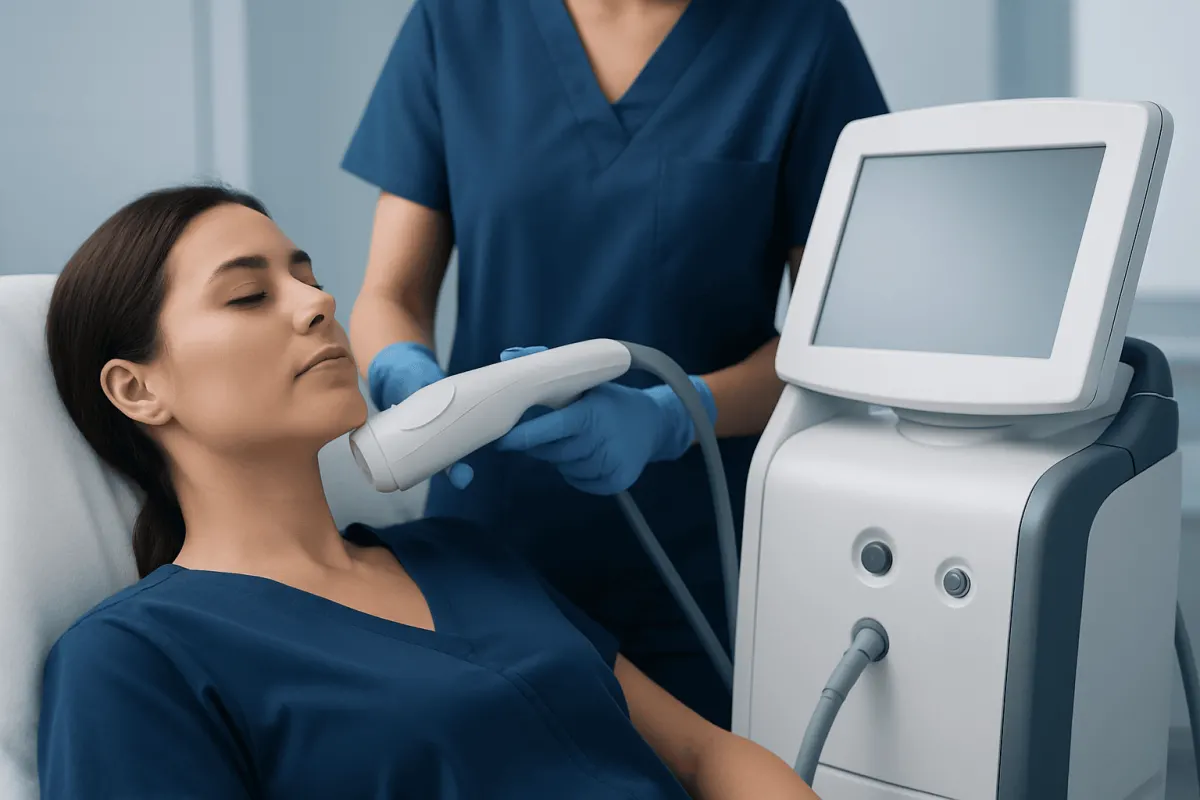
Most non-surgical skin tightening methods work by delivering heat to the dermis, the deeper layer of the skin where collagen is found, or to deeper fibrous tissues that help support contours. The surface of the skin is usually protected with cooling, contact gel, temperature monitoring, or device-specific safety settings. The goal is controlled heating, not burning.
After treatment, some people notice a small immediate firming effect because collagen fibers can contract when heated. More commonly, improvement appears gradually as the body produces and reorganizes collagen over weeks to months. This is why results are not usually instant and why some treatment plans involve a series of sessions.
Different technologies deliver energy in different ways:
- Radiofrequency: Uses electrical energy to generate heat in the skin and sometimes deeper tissue. It may be delivered through external applicators or through microneedles in selected treatments.
- Focused ultrasound: Uses sound-wave energy targeted at specific depths, often for the brow, lower face, jawline, and neck.
- Laser and infrared devices: Use light energy to heat tissue. Some lasers also improve texture, fine lines, and sun damage, depending on whether they are ablative or non-ablative.
- Combination devices: Some systems combine energy with suction, massage, microneedling, or other methods to address texture and laxity together.
Types of Non-Surgical Skin Tightening Treatments

Radiofrequency skin tightening is one of the most widely used approaches. Monopolar, bipolar, multipolar, and fractional radiofrequency devices deliver heat in different patterns and depths. Some treatments feel like deep warmth, while radiofrequency microneedling may cause more redness and pinpoint swelling because tiny needles deliver energy below the surface.
Ultrasound skin tightening, sometimes called microfocused or high-intensity focused ultrasound depending on the system, targets specific depths beneath the skin. It is often considered for mild brow heaviness, early jowling, and neck laxity. Because the energy is focused below the surface, the skin may look normal shortly after treatment, though tenderness or mild swelling can occur.
Laser-based tightening varies widely. Non-ablative lasers heat the dermis while leaving the surface mostly intact, so downtime is generally limited. Fractional or ablative lasers can also tighten to some degree, but they are more commonly chosen for texture, wrinkles, scars, and sun damage; they may require more recovery and careful sun protection.
No single device is best for everyone. The most appropriate option depends on skin thickness, laxity pattern, pigmentation risk, treatment area, medical history, and desired recovery time. The clinician’s training, ability to select settings safely, and experience with different skin types are as important as the device itself.
Who Is a Good Candidate?
A good candidate for non-surgical skin tightening usually has mild to moderate looseness rather than heavy folds of extra skin. The person may notice early jowls, a less defined jawline, mild neck crepiness, soft skin on the abdomen, or slight laxity on the arms or thighs. These treatments tend to be most satisfying when the goal is improvement rather than a complete transformation.
Skin quality matters. People with some remaining elasticity, stable weight, and healthy skin are more likely to see a meaningful change. A balanced lifestyle, sun protection, and not smoking can also support collagen health. Age alone does not determine candidacy; a younger person with sun damage or weight fluctuation may have more laxity than an older person with resilient skin.
People may need extra assessment or may not be suitable for certain energy treatments if they have active skin infection, open wounds, certain implanted electronic devices, recent surgery in the area, uncontrolled medical conditions, or a tendency to form problematic scars. Pregnancy is generally a time to postpone elective aesthetic procedures. People with darker skin tones can often have treatment safely, but device choice and settings should be selected with particular attention to pigmentation risk.
Expected Results and Realistic Limits
Results from non-surgical skin tightening are usually gradual. Many people begin to notice changes after several weeks, with further improvement as collagen remodeling continues. Depending on the device, treatment area, and degree of laxity, a plan may involve one session or a series of sessions spaced over time. Maintenance treatments may be recommended because natural aging continues.
The most realistic outcome is a subtle to moderate improvement in firmness, contour, and skin quality. Friends may notice that the person looks refreshed, but the change is not usually comparable to surgical lifting. Photographs taken before and after treatment under consistent lighting can be helpful because gradual changes are sometimes hard to judge day by day.
Non-surgical treatments cannot remove large amounts of excess skin, reposition deep facial fat pads significantly, tighten separated abdominal muscles, or correct severe sagging after major weight loss. In these situations, surgery or a combined treatment plan may be more appropriate. A responsible clinician should explain when a non-surgical option is likely to disappoint and when a surgical consultation would provide a clearer path to the desired result.
Safety, Side Effects, and Recovery
When performed by trained professionals using appropriate devices and settings, non-surgical skin tightening is generally well tolerated. Common short-term effects include redness, warmth, swelling, tenderness, tingling, or mild bruising. These effects often settle within hours to days, although recovery varies by treatment type and individual sensitivity.
Less common risks can include burns, blistering, pigment changes, prolonged swelling, surface irregularity, temporary numbness, or discomfort. The risk is higher when treatment is performed with unsuitable settings, on inappropriate candidates, or without proper knowledge of anatomy and skin type. This is why treatment should be done in a medical or properly regulated clinical setting, especially for higher-energy devices.
Aftercare is usually simple but important. Patients are commonly advised to protect the treated area from strong sun exposure, use gentle skincare for a short period, avoid irritating active ingredients until the skin has settled, and follow the clinician’s instructions about exercise, heat exposure, or makeup. Any unexpected pain, blistering, color change, or persistent swelling should be reported promptly to the treating clinician.
Consultation, Planning, and When to See a Doctor
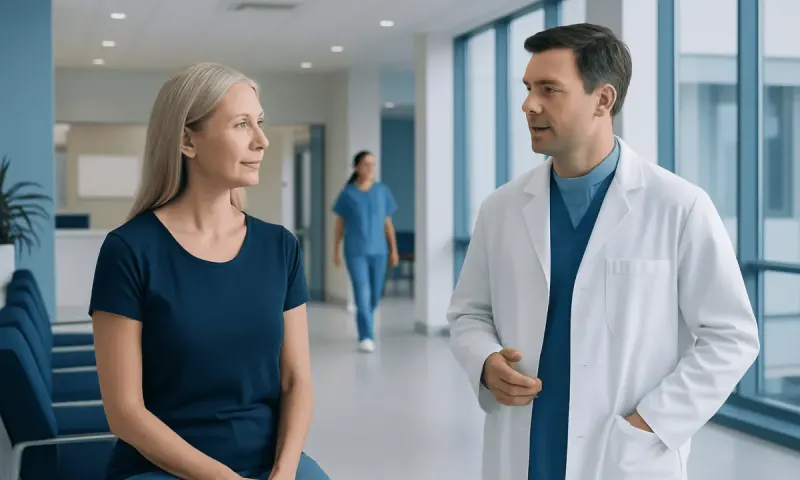
A consultation should include a medical history, medication review, skin assessment, discussion of previous aesthetic treatments, and a clear explanation of likely benefits and limits. The clinician may examine skin laxity while the person is sitting or standing, because gravity affects how looseness appears. Good planning also considers whether volume loss, muscle activity, pigmentation, or texture concerns are contributing to the overall appearance.
People should seek medical advice before treatment if they have a history of keloid or hypertrophic scarring, autoimmune skin disease, poor wound healing, active acne or infection in the treatment area, recent cosmetic procedures, implanted devices, or significant medical conditions. It is also wise to consult a qualified doctor when there is sudden skin swelling, unexplained changes, or symptoms that do not fit typical age-related laxity.
Questions to ask include which device will be used, why it is suitable, how many sessions may be needed, what downtime is expected, what risks apply to the person’s skin type, and what alternatives exist. Near the end of the decision-making process, international patients may also consider coordinated care settings; Acıbadem Health Point’s multidisciplinary specialists and JCI-accredited hospitals diagnose and treat aesthetic concerns, including skin laxity, with individualized assessment.
Frequently asked questions
01Is non-surgical skin tightening painful?
Most treatments are described as warm, prickly, or briefly uncomfortable rather than severely painful. Sensation depends on the device, treatment depth, body area, and personal sensitivity. Cooling, pauses, topical numbing, or other comfort measures may be used when appropriate.
02How long does it take to see results?
Some people notice mild firmness soon after treatment, but the main improvement is usually gradual. Collagen remodeling takes time, so changes often develop over weeks to months. The clinician should explain the expected timeline for the specific device and area being treated.
03How long do skin tightening results last?
Results vary because aging, sun exposure, weight changes, genetics, and skincare habits continue to affect the skin. Many people choose maintenance treatments to help preserve results. A healthy lifestyle and consistent sun protection can support longer-lasting skin quality.
04Can non-surgical tightening replace a facelift or tummy tuck?
No, it cannot replace surgery when there is significant sagging or excess skin that needs removal. Non-surgical methods can improve mild laxity and skin firmness, but they do not reposition tissue or remove loose skin in the same way. A consultation can help determine whether non-surgical treatment, surgery, or a combined plan is more suitable.
05Are these treatments safe for all skin tones?
Many energy-based treatments can be used safely across a range of skin tones, but the device and settings must be chosen carefully. Some laser treatments carry a higher risk of pigmentation changes in darker skin if not selected properly. Patients should see a clinician experienced in treating their skin type.
06How many sessions are needed?
The number of sessions depends on the technology, treatment area, degree of laxity, and desired result. Some ultrasound treatments may be planned as a single session with possible maintenance, while many radiofrequency or laser protocols involve a series. The treatment plan should be individualized after examination.
07What should someone avoid after treatment?
Aftercare instructions vary, but patients are often advised to avoid strong sun exposure, harsh exfoliants, and excessive heat until the skin has settled. Gentle skincare and sunscreen are commonly recommended. Any unusual symptoms, such as blistering, increasing pain, or persistent swelling, should be reported to the treating clinician.
This article is for general information only and is not a substitute for professional medical advice. Please consult a qualified doctor about your individual situation.
Explore treatments in Turkey — costs, top hospitals & a free quote
JCI-accredited · board-certified surgeons · reply within 24h
Add us as a Preferred Source to see more of our trusted health content across Google Search, AI Overviews and Discover.