Aesthetic Foot Surgery: Who May Benefit and What Are the Limits?

Aesthetic foot surgery is a group of procedures that aim to improve the appearance of the feet and, in some cases, reduce discomfort caused by certain structural problems. It may help selected people, but it is not suitable for every concern and should never compromise healthy foot function for appearance alone.
Overview
Aesthetic foot surgery refers to procedures performed to improve the shape, contour, or overall appearance of the feet. In many cases, these operations also aim to relieve pressure points or improve how the foot fits into shoes. This is why aesthetic and functional goals often overlap, even when the main concern is cosmetic.
Common concerns include bunion prominence, toe crowding, overlapping toes, long or unusually shaped toes, excess soft tissue, or scars that affect appearance. Some patients seek treatment because they feel self-conscious in open shoes, while others are troubled by rubbing, corns, or pressure caused by the same structural issue. A surgeon must assess both appearance and biomechanics before recommending any procedure.
The term can cover several approaches, from contouring soft tissue to correcting bone or joint alignment. Depending on the problem, treatment may fall under aesthetic foot surgery or a broader field of cosmetic surgery when the goal is to improve appearance while preserving normal function.
Importantly, aesthetic foot surgery has limits. Feet are weight-bearing structures that support balance and movement every day. Any procedure must respect this role. A foot should not be made narrower, shorter, or differently shaped in a way that increases pain, weakness, instability, or future joint problems.
Who May Benefit
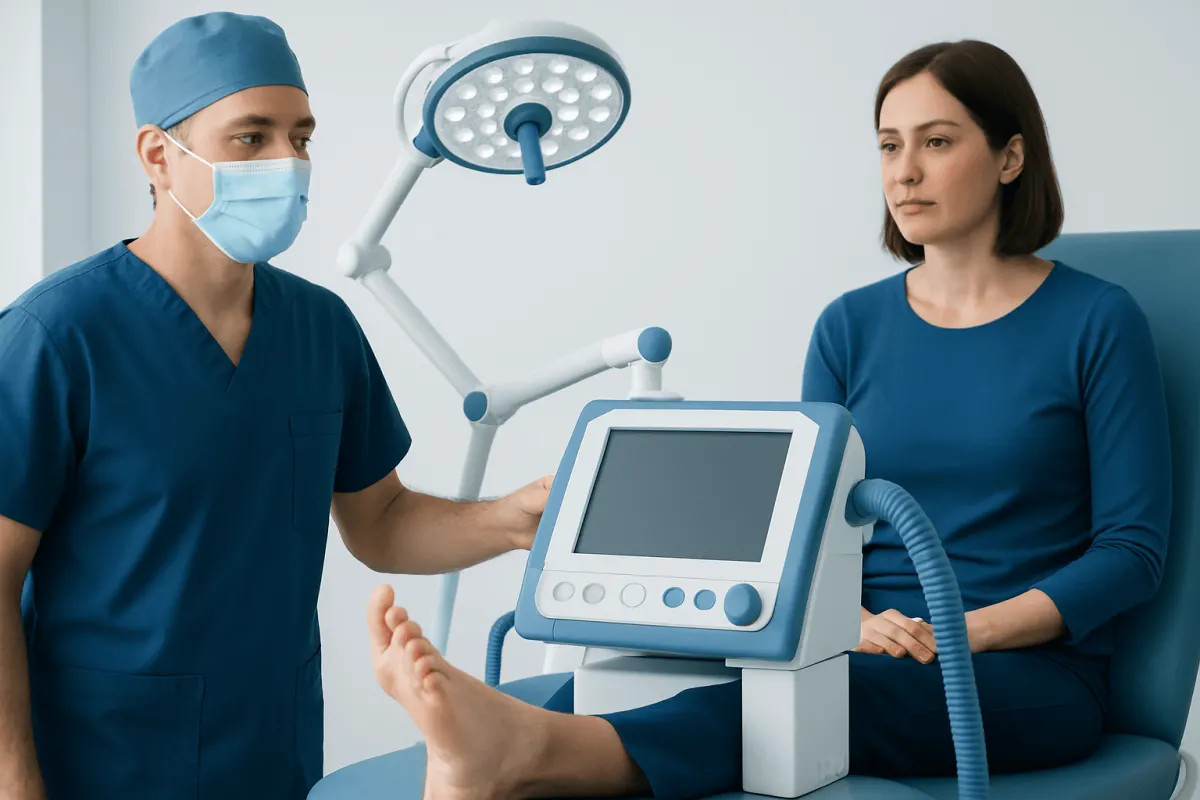
People who may benefit most are those with a clear, localized concern that can be corrected safely. Examples include a bunion that is both visible and painful in shoes, a toe deformity that causes crowding or rubbing, or a soft-tissue fullness that affects comfort and appearance. In these situations, surgery may improve both how the foot looks and how it functions in daily life.
Some individuals seek surgery after years of difficulty finding comfortable shoes, avoiding sandals, or feeling embarrassed by the appearance of their feet. Others have congenital differences, such as extra digits or joined digits, that may affect appearance and footwear. In selected cases, specialists may also evaluate conditions such as polydactyly or syndactyly when these are relevant to shape and function.
Good candidates are generally in good overall health, do not smoke or are willing to stop, and understand the recovery process. They also have realistic expectations. Surgery can improve contour, alignment, or shoe fit, but it cannot create a universally “perfect” foot or guarantee that every style of shoe will become comfortable.
A thoughtful consultation is especially important for anyone with diabetes, poor circulation, nerve problems, inflammatory arthritis, or a history of slow wound healing. In these groups, the risks of surgery may be higher, and non-surgical options may be safer or more appropriate.
What Concerns Can Be Addressed
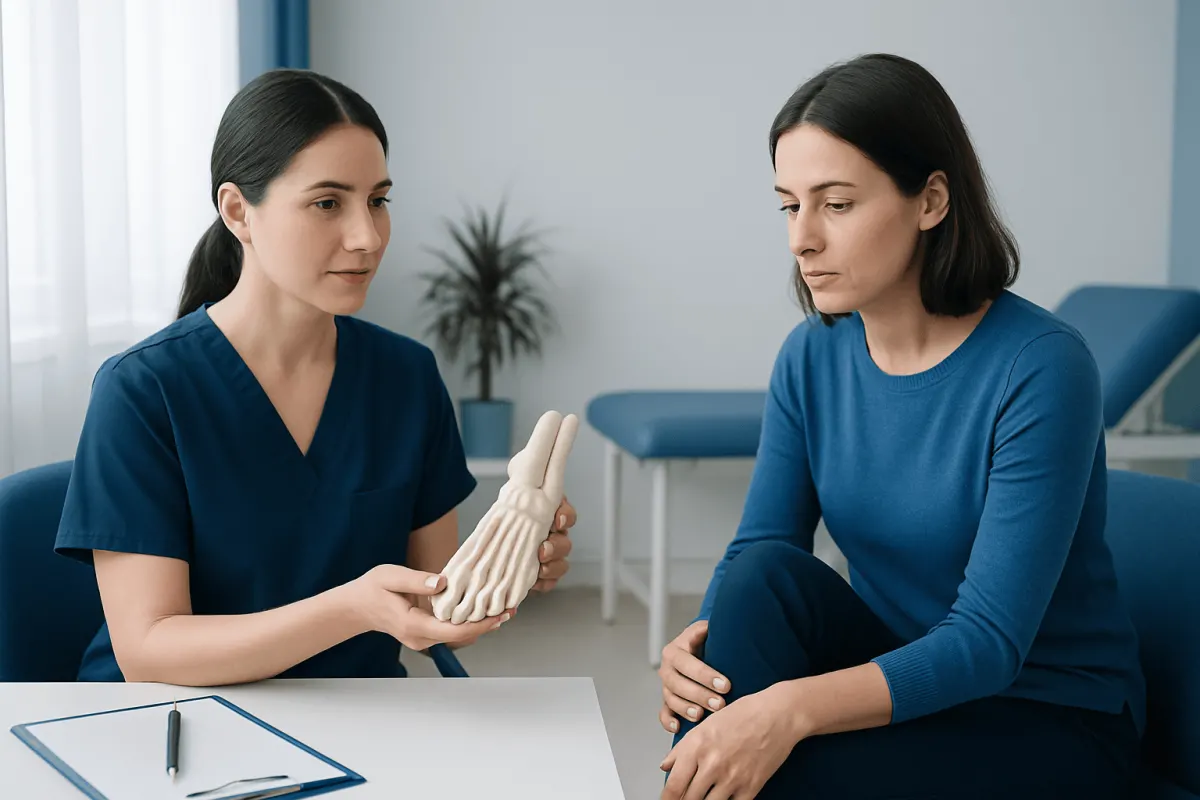
The exact procedure depends on the anatomy involved. Aesthetic foot surgery may address bony prominence, toe alignment, extra soft tissue, scar revision, or selected nail and skin-related cosmetic concerns. When a bunion, hammertoe, or toe overlap is causing a visible deformity and mechanical symptoms, correcting the underlying structure may improve both appearance and comfort.
Examples of concerns that may sometimes be treated include:
- Prominent bunions or side bumps
- Toe crowding, overlapping, or rotation
- Very long or uneven toes
- Soft tissue fullness in specific areas of the foot
- Scars that affect contour or self-confidence
- Congenital differences in toe number or separation
Some patients also ask whether surgery can make the entire foot smaller or significantly narrower for fashion reasons alone. This is where the limits become important. Most ethical specialists will avoid procedures that remove healthy structures without clear medical or functional justification, especially if doing so could harm weight distribution, gait, or long-term joint health.
In certain cases, foot appearance concerns are part of a broader reconstructive plan rather than purely cosmetic treatment. For patients who have contour problems due to scarring or prior injury, techniques used in body aesthetics procedures or reconstructive surgery principles may help improve surface appearance, but only after careful evaluation of circulation, skin quality, and function.
Limits and Important Considerations
The main limit of aesthetic foot surgery is that the foot is not simply a cosmetic area. It bears body weight, absorbs force, and helps maintain posture and movement. Even a small change in bone position, tendon balance, or soft tissue support can affect walking. For this reason, procedures must be planned conservatively and based on sound anatomical principles.
Another limit is tissue biology. Skin thickness, swelling tendency, scar formation, joint stiffness, and bone healing vary from person to person. A patient who tends to develop raised scars may need special counseling, particularly if there is a history of keloid scars. Likewise, significant arthritis, severe flatfoot, nerve compression, or advanced deformity may not be suitable for a purely aesthetic approach.
It is also important to understand that surgery cannot always solve discomfort caused by narrow, high-heeled, or poorly fitted shoes. If the primary problem is footwear choice rather than correctable anatomy, the best solution may be shoe modification, orthotics, toe spacers, protective pads, or physical therapy. Surgery should not be used to make unhealthy footwear easier to tolerate.
Finally, expectations must be realistic about recovery and final appearance. Swelling in the feet can last longer than in some other cosmetic procedures. The final result may take months to settle, and there may still be small asymmetries or visible scars. A good outcome means a foot that looks improved, functions well, and remains comfortable over time.
Evaluation and Diagnosis
Assessment begins with a detailed consultation. The surgeon will ask what bothers the patient most, whether the concern is visual, painful, or both, and how it affects daily life, work, exercise, and shoe choices. Medical history matters because circulation problems, diabetes, smoking, previous surgery, or inflammatory conditions can all influence safety and healing.
The physical examination usually includes standing and walking assessment, inspection of toe alignment, skin quality, pressure points, scars, and range of motion. The surgeon may evaluate whether the issue is caused by bone alignment, joint stiffness, tendon imbalance, or soft tissue fullness. A concern that looks cosmetic may actually reflect an underlying structural problem that needs different treatment.
Imaging such as X-rays is often used when bone or joint correction is being considered. These images help measure alignment and plan a procedure that supports normal function. In more complex cases, additional tests may be needed to assess blood flow, nerve status, or the impact of previous injuries.
A strong consultation also includes discussion of goals, alternatives, and likely results. Patients should feel comfortable asking what will improve, what will not change much, what scars to expect, how long recovery may take, and whether non-surgical care could provide enough benefit without an operation.
Treatment Options and Recovery
Treatment depends on the underlying problem. Some procedures focus on bone correction, such as bunion or toe alignment surgery. Others involve soft tissue contouring, scar revision, or removal of localized prominence. The best plan is individualized and should balance cosmetic improvement with pressure distribution, joint movement, and overall foot stability.
Non-surgical options are often tried first, especially when symptoms are mild. These may include wider toe-box shoes, custom insoles, padding, physical therapy, activity changes, or treatment for calluses and pressure areas. When these steps do not provide enough relief or when the anatomy is clearly correctable, surgery may become a reasonable option.
Recovery varies by procedure, but most patients should expect swelling, tenderness, and temporary limits on walking or exercise. Special shoes, dressings, or partial weight-bearing may be needed for a period of time. Returning to regular shoes often takes weeks to months, and high-impact activities may need to wait until healing is more complete.
Follow-up visits are important to monitor wound healing, alignment, swelling, and comfort. In more extensive contour correction or combined procedures, the care plan may involve specialists experienced in foot contour and corrective surgery. The goal is not only a better appearance but also a durable result that allows comfortable movement in daily life.
Prevention, Self-care, and When to See a Doctor
Not every foot appearance concern requires surgery. Many people can reduce discomfort and protect foot shape with practical self-care. Choosing shoes with enough toe room, avoiding prolonged use of tight or high-pressure footwear, maintaining a healthy body weight, and treating corns or calluses early may help prevent worsening of visible deformities. Foot exercises and supportive insoles may also improve comfort in some cases.
People should seek medical advice if a foot concern causes pain, repeated rubbing, skin breakdown, difficulty walking, or trouble finding wearable shoes. Evaluation is also important if there is numbness, swelling, redness, rapid shape change, or a history of diabetes or circulation problems. These signs may point to a medical issue that needs prompt attention, not just cosmetic care.
It is wise to consult a qualified surgeon when appearance concerns are persistent and affect quality of life. During the visit, patients can ask whether the issue is cosmetic, reconstructive, orthopedic, or a combination of these. A team approach may be helpful, especially when function and aesthetics are both involved.
Near the end of the care pathway, some patients choose treatment at centers with plastic, reconstructive, and orthopedic expertise working together. Acıbadem Health Point’s multidisciplinary specialists in JCI-accredited hospitals diagnose and treat selected foot aesthetic and reconstructive concerns for international patients, with the treatment plan guided by safety, function, and realistic cosmetic goals.
Frequently asked questions
01Is aesthetic foot surgery only cosmetic?
Not always. Many procedures address both appearance and function, such as correcting a bunion or toe deformity that causes rubbing in shoes. A specialist will look at whether the concern is structural, soft tissue-related, or mainly cosmetic.
02Can aesthetic foot surgery make feet much smaller?
In general, surgery is not intended to dramatically shrink healthy feet for fashion reasons. Ethical treatment focuses on correcting specific problems while preserving safe walking, balance, and long-term foot health. Large size changes may not be possible or advisable.
03How long does recovery usually take?
Recovery depends on the exact procedure and whether bone, joints, or soft tissue are involved. Swelling often lasts several weeks and sometimes longer, while return to regular shoes may take weeks to months. The surgeon will usually recommend a gradual return to activity.
04Will there be visible scars?
Most foot surgeries leave some scar, although surgeons try to place incisions carefully and use techniques that support good healing. Scar visibility depends on the procedure, skin type, aftercare, and individual healing tendencies. In many cases, scars fade over time but do not disappear completely.
05Who may not be a good candidate for aesthetic foot surgery?
People with uncontrolled diabetes, poor circulation, active infection, significant nerve problems, or a high risk of poor wound healing may not be ideal candidates until those issues are addressed. Smoking can also increase complications and delay recovery. A careful medical assessment is important before planning surgery.
06Can non-surgical treatment be enough?
Yes, for many people it can. Wider shoes, insoles, padding, toe spacers, and physical therapy may reduce discomfort and improve daily function without surgery. Non-surgical care is often the first step when symptoms are mild or the problem is mainly related to footwear.
This article is for general information only and is not a substitute for professional medical advice. Please consult a qualified doctor about your individual situation.
Joint and spine care in Turkey — expert assessment & treatment
JCI-accredited · board-certified surgeons · reply within 24h
Add us as a Preferred Source to see more of our trusted health content across Google Search, AI Overviews and Discover.