Nodular Acne: Why Deep, Painful Bumps Need a Dermatologist
Have you ever had a breakout that felt more like a bruise — a hard, sore lump deep under the skin that never comes to a head? That’s what nodular acne feels like. These large, firm, painful bumps sit deep beneath the surface, and they usually don’t improve with basic skin care alone.
The good news: medical treatment can help. Seeing a doctor early can reduce inflammation, prevent new breakouts, and lower your risk of scarring.
Overview: What nodular acne is
Nodular acne is a severe inflammatory form of acne in which deep, swollen lumps develop under the skin. These lumps, called nodules, are usually firm, tender, and slow to heal. Unlike small pimples or blackheads, nodular acne sits deeper in the skin and can remain for weeks or even longer.
You’ll usually see it on the face, chest, shoulders, back, and jawline. Because the inflammation runs into deeper layers of the skin, nodular acne is more likely than mild acne to leave marks or permanent scars. It can also wear on your confidence and daily comfort, especially when the lesions hurt.
Nodular acne is not caused by poor hygiene, and washing the skin more aggressively does not cure it. In fact, harsh scrubbing can irritate already inflamed skin. The condition usually develops from a combination of excess oil, blocked pores, bacteria, and inflammation, often influenced by hormones and genetics.
Over-the-counter products may help mild breakouts, but nodular acne usually needs a dermatologist’s assessment. Don’t wait — the sooner the inflammation is controlled, the lower the risk of long-term skin changes.
Symptoms and how it differs from other acne
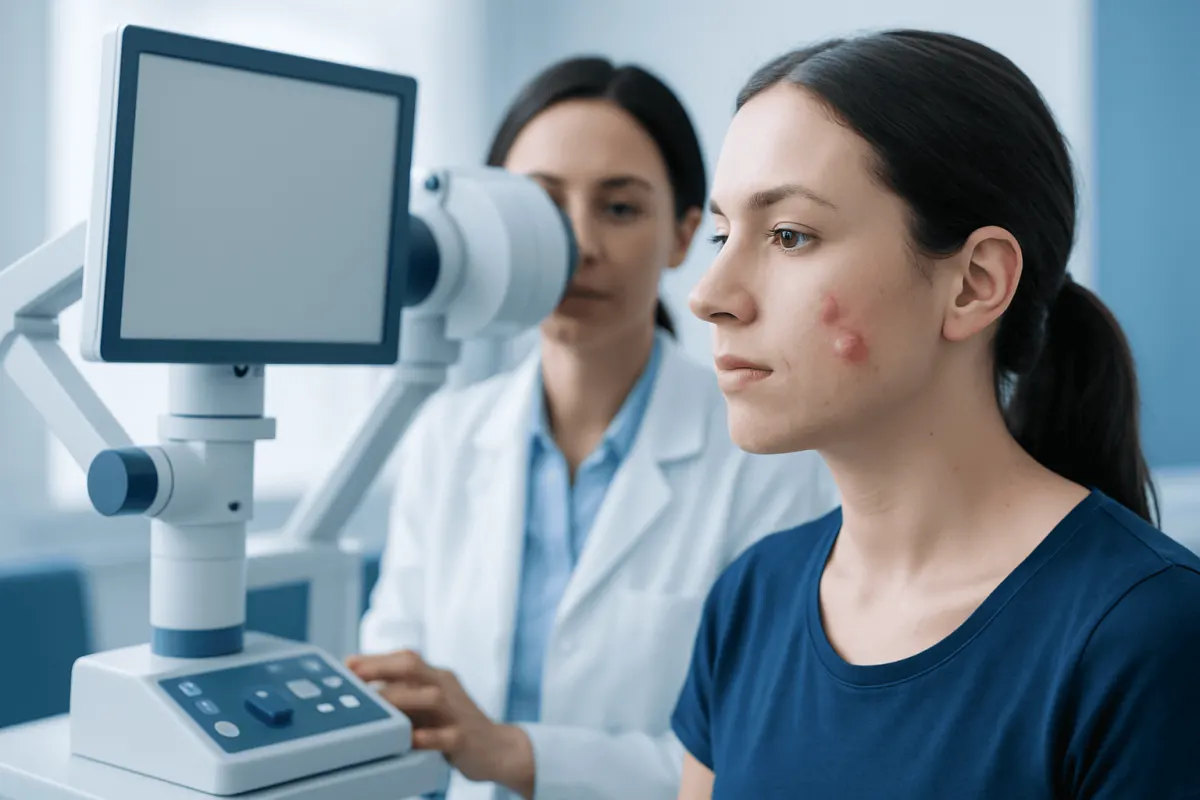
The main symptom of nodular acne is the presence of large, deep, painful bumps under the skin. These nodules may be red or skin-colored and often feel hard to the touch. They usually do not come to a visible whitehead, which is one reason they can be difficult to treat at home.
Nodules can appear one at a time or in clusters. They may persist for a long time, and once one area settles, new nodules may appear nearby. Some people also have other types of acne at the same time, such as blackheads, whiteheads, papules, or pustules.
Nodular acne is different from everyday pimples because it is deeper and more inflamed. It also differs from cystic acne, although the two are closely related and may occur together. Nodules are typically firm and solid, while cysts are softer and contain pus. Both are considered severe forms of acne and can lead to scarring.
- Deep, tender lumps beneath the skin
- Pain or soreness in affected areas
- Lesions that heal slowly
- Repeated breakouts in the same areas
- Dark marks, redness, or scarring after lesions improve
Causes and risk factors

Nodular acne develops when a hair follicle becomes blocked with oil and dead skin cells, then becomes inflamed. Skin oil, known as sebum, is normal and helps protect the skin. However, when the body produces too much sebum, the pore can become clogged. Bacteria that normally live on the skin can then multiply inside the blocked pore, triggering a stronger immune response.
Hormones are one of the biggest drivers. That’s why nodular acne often shows up during puberty, around menstrual cycles, in pregnancy, or with conditions that affect hormone balance. In some adults, acne can carry on for years — or appear for the first time later in life.
Genetics matters too. If severe acne runs in your family, you’re more likely to develop deeper, more inflamed breakouts. Certain medicines, oily or pore-clogging skin products, friction from helmets or tight clothing, and high skin sensitivity may make acne worse in some people.
Diet is still being studied, but some individuals notice that certain foods seem to trigger flares. Stress does not directly cause acne, but it can worsen existing inflammation and make breakouts harder to manage. People with persistent or widespread acne may benefit from specialist review for related skin conditions such as acne or for signs of a hormonal issue.
How nodular acne is diagnosed
Doctors usually diagnose nodular acne by examining the skin and asking about symptoms, how long the problem has been present, and what treatments have already been tried. The pattern, depth, and tenderness of the lesions often make the diagnosis clear without special tests.
The clinician may also ask about menstrual history, recent hormonal changes, family history of acne, medications, supplements, skin care products, and whether scars have started to form. In adults with sudden or severe acne, or in those with signs of hormone imbalance, blood tests may sometimes be considered to look for contributing factors.
Diagnosis also involves ruling out other conditions that can resemble acne, such as folliculitis, rosacea, or inflamed cysts. This is especially important if the lesions are unusual in appearance, involve uncommon areas, or do not respond to standard acne treatment.
One useful part of diagnosis is grading severity. This helps guide treatment and follow-up. Because nodular acne has a higher risk of scarring, clinicians often recommend active treatment even if the number of lesions seems limited.
Treatment options for nodular acne
Nodular acne usually needs prescription treatment because surface cleansers alone rarely reach the deeper inflammation. The best plan depends on age, sex, acne severity, pregnancy plans, other medical conditions, and whether scarring is already present. Treatment often aims to reduce oil production, prevent blocked pores, control bacteria, and calm inflammation.
Topical prescription treatments may include retinoids or combination products that help keep pores clear and reduce new lesions. In more severe cases, doctors may prescribe oral antibiotics for a limited period to reduce inflammation and bacterial overgrowth, often together with topical medicines. Some women and adolescents may benefit from hormonal treatment when breakouts are linked to androgen-related changes.
For persistent, widespread, or scar-forming nodular acne, isotretinoin may be recommended under close medical supervision. This medicine can be very effective, but it requires careful monitoring because of possible side effects and important pregnancy-related precautions. Some painful individual nodules may also be treated with injections by a dermatologist to reduce swelling more quickly.
In selected cases, a doctor may discuss procedural support such as acne treatment plans tailored to severe inflammatory acne. If deep marks have already formed after inflammation settles, options such as laser treatment or other scar-focused approaches may later be considered. Patients with broad skin concerns may also be evaluated through dermatology services to coordinate medical treatment, skin care guidance, and long-term follow-up.
Skin care, self-care, and prevention
Good daily skin care supports treatment, but it won’t replace medical care for nodular acne. A gentle cleanser twice a day is usually enough. Heavy scrubbing, harsh exfoliants, and washing too often can irritate the skin barrier and make inflammation more noticeable.
Non-comedogenic skin care and sunscreen are helpful because they are less likely to block pores. Makeup can often still be used if it is labeled oil-free or non-comedogenic and removed gently at the end of the day. Hair products should also be kept away from the face when possible, since some oils and styling products can worsen breakouts around the forehead and hairline.
Whatever you do, don’t squeeze or pick at nodules. These lesions sit deep, so pressure usually doesn’t empty them — it just pushes the inflammation further into the skin. That means more pain, slower healing, and a higher risk of scarring or dark marks afterward.
- Cleanse gently morning and evening
- Choose non-comedogenic moisturizers, sunscreen, and makeup
- Avoid picking, squeezing, or scrubbing lesions
- Follow prescription treatment exactly as advised
- Be patient, since improvement often takes several weeks
- Keep follow-up appointments to adjust treatment if needed
When to seek medical care
Medical care is advisable when acne becomes deep, painful, widespread, or leaves marks after healing. Nodular acne is unlikely to respond fully to home treatment alone, and waiting too long can increase the chance of scarring. Early assessment is especially helpful for teenagers with severe breakouts and adults with new-onset inflammatory acne.
See a doctor, too, if acne is getting in the way of your daily life, sleep, work, or self-esteem. The emotional toll is common and deserves attention just as much as the skin itself. And if a treatment causes severe dryness, irritation, mood changes, or anything else that worries you, get medical advice.
Urgent medical review may be needed if there are signs of infection such as rapidly spreading redness, warmth, fever, or significant swelling around the eyes or face. People who are pregnant, trying to conceive, or breastfeeding should seek professional guidance before using acne medicines, because some treatments are not safe in these situations.
For international patients who need specialist evaluation, Acıbadem Health Point’s multidisciplinary teams in JCI-accredited hospitals diagnose and treat complex skin conditions, including severe acne, with individualized care plans.
Frequently asked questions
01What is nodular acne?
Nodular acne is a severe form of acne that causes large, inflamed lumps deep under the skin. These nodules are often painful, slow to heal, and more likely than mild acne to leave scars.
02Can nodular acne go away on its own?
Some individual nodules may improve over time, but nodular acne often continues or returns without proper treatment. Because it can cause lasting skin changes, medical care is usually recommended rather than waiting for it to settle by itself.
03Why is nodular acne so painful?
The pain comes from deep inflammation inside the skin. As the blocked pore swells and the surrounding tissue reacts, pressure builds in a deeper layer than in ordinary pimples.
04Does popping nodular acne help?
No. Popping or squeezing nodular acne usually makes it worse because the lesion sits deep under the skin and cannot be emptied safely at home. This can increase inflammation, prolong healing, and raise the risk of scars.
05What treatments work best for nodular acne?
Treatment often includes prescription topical medicines, oral antibiotics for selected cases, hormonal therapy for some patients, or isotretinoin for severe or scar-forming acne. The best option depends on the person’s age, symptoms, medical history, and risk factors.
06How long does nodular acne treatment take to work?
Most treatments need several weeks before clear improvement is visible, and deeper lesions may take longer to settle. Doctors usually monitor progress over time and adjust treatment if the skin is not responding well enough.
07Can nodular acne cause permanent scars?
Yes, it can. Because the inflammation reaches deeper layers of the skin, nodular acne has a higher risk of causing permanent scars or long-lasting dark marks than mild acne, which is why early treatment is important.
This article is for general information only and is not a substitute for professional medical advice. Please consult a qualified doctor about your individual situation.
Joint and spine care in Turkey — expert assessment & treatment
JCI-accredited · board-certified surgeons · reply within 24h
Add us as a Preferred Source to see more of our trusted health content across Google Search, AI Overviews and Discover.