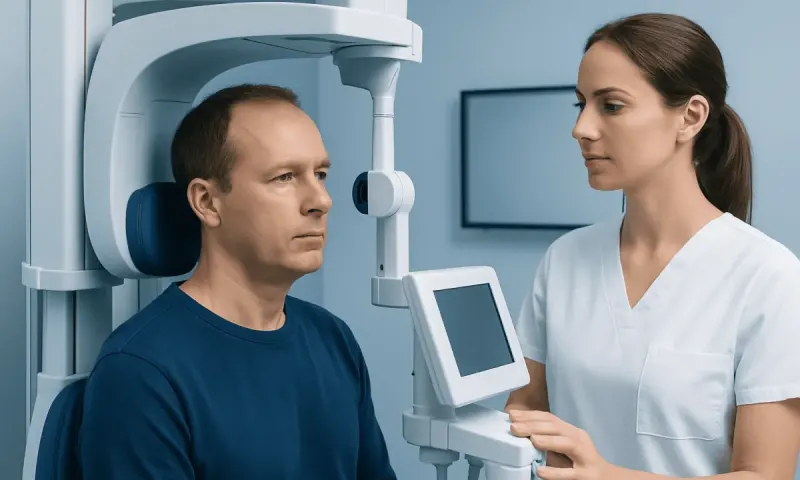
New Cancer Treatment Breakthroughs in 2025: A Clear Outlook
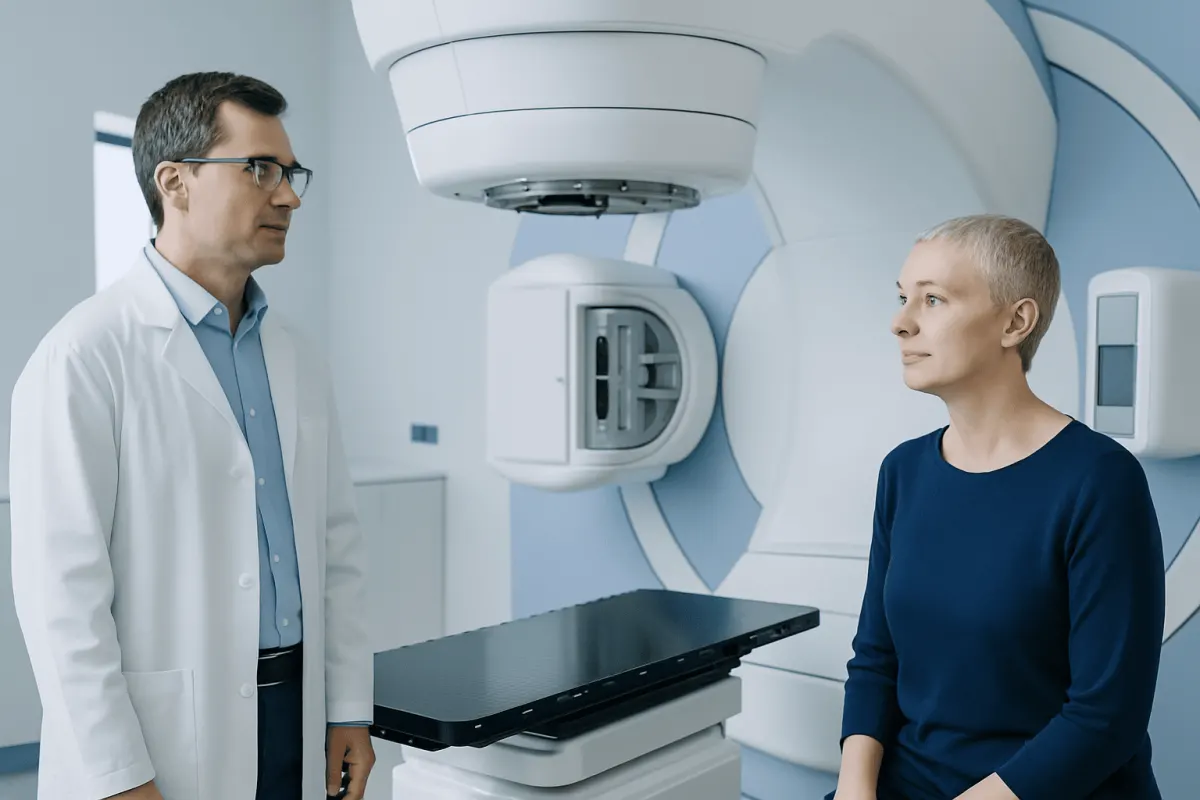
New cancer treatment breakthroughs in 2025 are advancing care through more personalized medicines, improved immunotherapies, targeted treatments and better use of molecular testing. These developments can improve options for some people, but treatment choices still depend on the cancer type, stage, genetic features and overall health.
Overview: What New Cancer Treatment Breakthroughs Mean in 2025
The phrase “new cancer treatment breakthrough 2025” describes a fast-moving area of cancer research rather than one newly discovered cure. The most meaningful progress involves matching treatment more closely to the biology of an individual tumor, strengthening the immune system’s ability to recognize cancer, and combining established therapies in more informed ways.
Cancer is not one disease. It is a large group of conditions that can begin in different organs, grow at different speeds and carry different genetic changes. For this reason, a treatment that is highly effective for one person or cancer subtype may not be suitable for another. Care is usually planned by a multidisciplinary team and may include surgery, radiation therapy, systemic medicines, supportive care, or a combination of approaches.
In 2025, many advances are building on treatments already used in specialist practice, including cancer immunotherapy, targeted therapies, antibody-drug conjugates, cell-based treatments and precision radiation techniques. Some options are standard care for selected cancers, while others remain available only through carefully monitored clinical trials.
What Is the Newest Breakthrough in Cancer Treatment?
There is no single newest breakthrough that applies to all cancers. One important direction is precision oncology: using tumor tissue, blood tests or both to look for genetic mutations, protein markers and other features that may guide treatment. This can help doctors identify patients who may benefit from a particular targeted medicine or immunotherapy.
Another major area is the refinement of immunotherapy. Immune checkpoint inhibitors, for example, can remove signals that prevent immune cells from attacking cancer. Researchers are also studying personalized cancer vaccines, newer cell therapies, bispecific antibodies and combinations designed to make treatment effective for more patients while limiting unnecessary toxicity.
Antibody-drug conjugates are also changing treatment for some cancers. These medicines combine an antibody that recognizes a tumor-related target with a cancer-killing drug, aiming to deliver treatment more directly to cancer cells. Their use depends on the cancer type and whether testing shows the relevant target.
New approaches should be viewed with balanced optimism. A promising early trial does not mean a therapy is proven for routine use, and results may differ according to cancer type, disease stage and prior treatment. A cancer specialist can explain whether an approved therapy or a clinical trial is appropriate.
How Diagnosis Supports Modern Cancer Treatment

Accurate diagnosis is the foundation of modern cancer care. It usually begins with a medical history, physical examination and appropriate imaging or laboratory tests. A biopsy, in which a sample of abnormal tissue is examined by a pathologist, is commonly needed to confirm cancer and identify its specific type.
Staging determines how far cancer has spread and helps guide treatment planning. Depending on the suspected cancer, this may involve CT, MRI, PET imaging, ultrasound, endoscopy or other tests. Staging is not simply a label; it helps clinicians discuss treatment goals, likely benefits and the need for local or whole-body treatment.
For many advanced or recurrent cancers, biomarker and genomic testing is increasingly important. These tests may identify changes such as gene mutations, gene fusions, hormone receptors or immune-related markers. Not every finding has an available treatment, but meaningful results can expand options and may help avoid treatments that are unlikely to help.
People should feel comfortable asking what type of cancer they have, what stage it is, whether molecular testing is recommended and what the goal of treatment is. Seeking a second pathology review or oncology opinion can also be reasonable for a complex, rare or advanced diagnosis.
Is Cancer That Has Metastasized Always Terminal?
No. Metastatic cancer means that cancer cells have spread from the original site to a distant part of the body. It is a serious diagnosis and often requires systemic treatment, but it is not accurate to assume that every metastatic cancer is immediately terminal or untreatable.
Some metastatic cancers can be controlled for long periods with medicines such as hormone therapy, targeted therapy, immunotherapy or chemotherapy. In selected situations, surgery or radiation may also be used to treat limited areas of spread, relieve symptoms or help control disease. The outlook varies greatly by cancer type, tumor biology, sites of spread, response to treatment and a person’s general health.
Occasionally, carefully selected people with a small number of metastatic sites may receive intensive treatment with the aim of long-term disease control. For many others, the goal is to slow cancer growth, preserve daily function and manage symptoms effectively. Supportive and palliative care can be introduced alongside active treatment and is focused on comfort, energy, emotional wellbeing and quality of life.
Clear communication with the oncology team is important. They can explain whether treatment is intended to cure, control cancer, reduce symptoms, or achieve several of these goals at once. Prognosis should be individualized rather than based on general internet statistics.
Modern Treatment Approaches and Clinical Trials
The best treatment plan is individualized. Early-stage cancers may be treated with surgery, radiation therapy, medicines before or after local treatment, or combinations of these approaches. More advanced cancers commonly require systemic therapy, meaning treatment that travels through the bloodstream to reach cancer cells throughout the body.
Systemic options include chemotherapy, hormone therapy, targeted therapy, immunotherapy and, for selected blood cancers, cellular therapies such as CAR T-cell treatment. These treatments are not interchangeable. Their benefits and risks depend on the cancer’s characteristics, prior treatment history and the person’s medical needs.
Clinical trials are essential for testing new medicines and treatment combinations. A trial may provide access to an investigational approach, but it cannot promise benefit. Before joining, patients should understand the study purpose, possible alternatives, visit requirements, potential side effects and how safety will be monitored.
Care also includes symptom management, nutrition support, rehabilitation, fertility counseling when relevant and emotional support. Acıbadem Health Point’s multidisciplinary specialists and JCI-accredited hospitals diagnose and treat cancer for international patients, with treatment planning based on individual clinical findings.
Which Vitamin Is Called Anti-Cancer?
No vitamin should be considered an “anti-cancer” vitamin. Vitamins and minerals are important for normal body functions, and a balanced diet can support overall health during and after cancer treatment. However, no vitamin supplement has been proven to prevent or cure all cancers.
Research has explored vitamin D, vitamin C, folate and antioxidant vitamins in relation to cancer, but findings are complex and do not support self-prescribing supplements as cancer therapy. In some situations, high-dose supplements may interact with medicines, affect blood tests or be unsafe during chemotherapy, radiation therapy or surgery.
People with a documented nutritional deficiency may need supplementation under the guidance of their doctor or dietitian. For most people, practical nutrition advice includes eating a varied diet with vegetables, fruits, whole grains, protein sources and healthy fats when tolerated, while adapting meals to treatment-related symptoms.
Anyone considering vitamins, herbal products or “natural” cancer remedies should tell the oncology team before taking them. This allows clinicians to check for interactions and provide advice that fits the person’s treatment plan.
What New Cancer Drug Has 100% Success?
No cancer drug has 100% success across patients or cancer types. Statements suggesting a guaranteed cure should be treated cautiously, especially when they are based on a small study, a laboratory experiment, a news headline or an unverified online source.
Clinical trial results are interpreted by considering how many participants responded, how long the response lasted, whether people lived longer, side effects, and how the treatment compared with existing options. A drug can be a major advance for a particular group of patients without working for everyone in that group.
Some medicines can produce very high response rates in narrowly defined cancers with specific biomarkers. Even then, response is not always the same as cure, and regular monitoring remains necessary. Doctors use pathology, imaging, laboratory findings and the patient’s treatment history to determine whether a treatment is likely to be suitable.
Reliable information about new treatments should come from oncology specialists, national cancer organizations, regulatory agencies and registered clinical trials. Patients should discuss headlines or online claims with their care team before changing treatment or delaying recommended care.
When to Seek Medical Care
A person should arrange a medical assessment for a new symptom that is persistent, unexplained or worsening. Examples include an unexplained lump, unusual bleeding, ongoing changes in bowel or bladder habits, persistent cough or hoarseness, difficulty swallowing, unexplained weight loss, persistent pain, or marked fatigue. These symptoms are common and often have non-cancer causes, but timely assessment is important.
Urgent care is appropriate for severe symptoms such as trouble breathing, chest pain, sudden weakness, confusion, uncontrolled bleeding, severe dehydration or intense pain. People already receiving cancer treatment should contact their treatment team promptly for fever, signs of infection, severe vomiting or diarrhea, new neurological symptoms, or side effects they have been told require urgent attention.
Regular screening can identify certain cancers before symptoms develop. The recommended tests depend on age, sex, family history, personal risk factors and local guidance. A doctor can advise on appropriate screening and discuss whether inherited cancer counseling or testing may be useful.
Early evaluation does not mean a person has cancer. It provides an opportunity to identify the cause of symptoms and, if needed, begin appropriate care without unnecessary delay.
Frequently asked questions
01What is the newest breakthrough in cancer treatment?
There is no single breakthrough that treats every cancer. Important advances include precision medicine guided by tumor biomarkers, newer immunotherapy combinations, antibody-drug conjugates and cell-based therapies for selected patients. Whether an approach is suitable depends on the cancer type, stage and molecular test results.
02Is cancer that has metastasized always terminal?
No. Metastatic cancer is serious, but many people can receive treatments that control disease, reduce symptoms and support quality of life for meaningful periods. Outcomes differ widely, so the treating oncology team is best placed to explain an individual prognosis and treatment goals.
03Which vitamin is called anti-cancer?
No vitamin is proven to prevent or cure cancer and should not be called an anti-cancer vitamin. A balanced diet supports general health, while supplements may be appropriate for a confirmed deficiency or another medical reason. Patients should check with their oncology team before using high-dose vitamins or herbal products.
04What new cancer drug has 100% success?
No cancer drug has 100% success for all patients or cancers. Some therapies can have strong results in carefully selected cancers with specific biomarkers, but treatment response is never guaranteed. Claims of a universal cure should be discussed with a qualified cancer specialist.
05Can genetic testing help choose cancer treatment?
Tumor biomarker or genomic testing can identify changes that may be matched with targeted therapies or immunotherapies in some cancers. It is not needed in every situation, and not every genetic change has a treatment available. An oncologist can explain whether testing is useful for a particular diagnosis.
06Are clinical trials safe for cancer patients?
Clinical trials follow structured protocols and safety oversight, but every study has possible risks and uncertain benefits. Participants are informed about the purpose of the trial, likely side effects, alternatives and monitoring before deciding whether to join. A trial may be considered alongside standard treatment options.
This article is for general information only and is not a substitute for professional medical advice. Please consult a qualified doctor about your individual situation.
Oncology care in Turkey — second opinion and treatment plan
JCI-accredited · board-certified surgeons · reply within 24h
Add us as a Preferred Source to see more of our trusted health content across Google Search, AI Overviews and Discover.