Neuropsychological Testing Cost: What Affects the Price?

Neuropsychological testing cost can vary widely because each evaluation is tailored to the person’s symptoms, medical history, and practical needs. The final price is usually influenced by how many tests are needed, how much specialist time is involved, and whether insurance covers part of the assessment.
Overview
Neuropsychological testing is a structured assessment of thinking, memory, attention, language, problem-solving, mood, and other brain-related functions. It is often recommended when a doctor needs a clearer picture of how the brain is functioning in daily life. People may be referred for concerns such as memory changes, attention difficulties, learning problems, concussion symptoms, stroke recovery, epilepsy, or questions related to mood and behavior.
When people ask about neuropsychological testing cost, the answer is rarely one fixed number. That is because these evaluations are individualized. One person may need a focused assessment lasting a few hours, while another may need a broader evaluation that includes many tests, a detailed interview, record review, scoring, interpretation, and feedback.
The price usually reflects more than the time spent answering questions or completing paper-and-pencil tasks. It also includes the specialist’s clinical judgment, selection of appropriate tests, careful scoring, interpretation of results in context, and preparation of a report that can guide treatment, school supports, workplace recommendations, or further medical evaluation.
What Is Included in the Cost
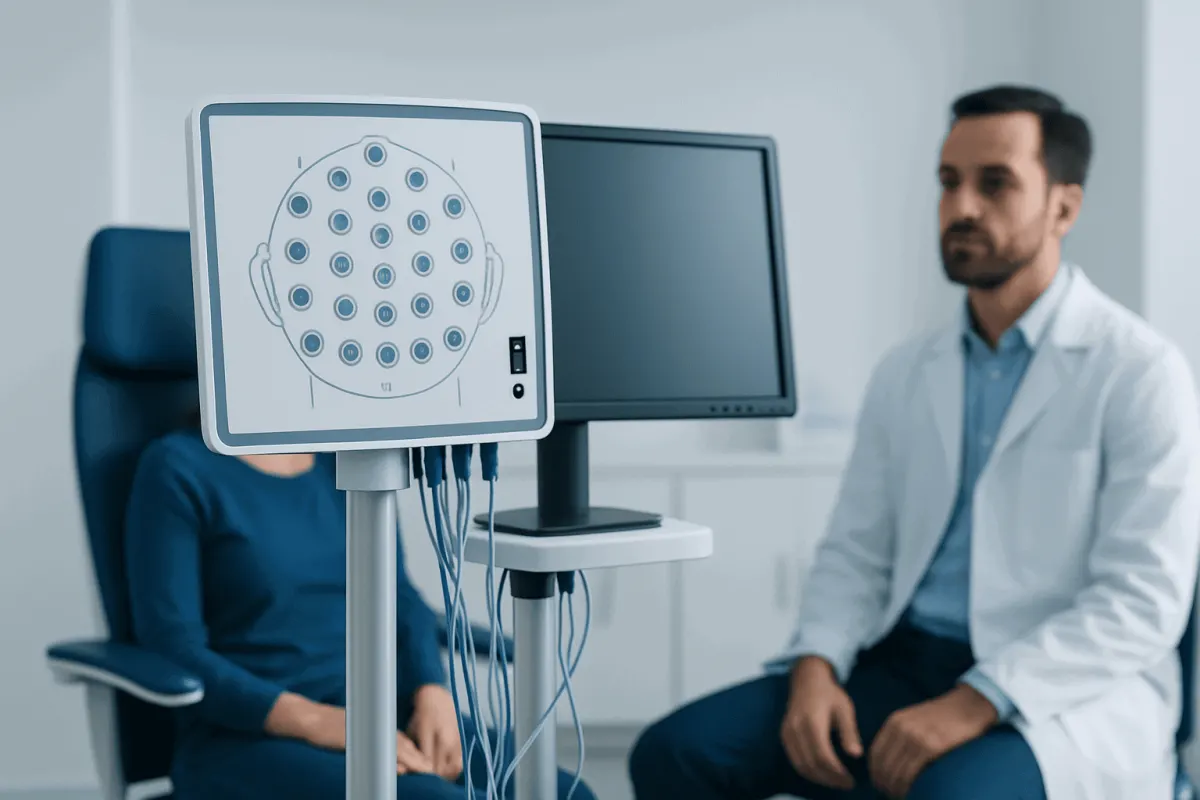
A neuropsychological evaluation is typically made up of several parts, and each part contributes to the total cost. The process often begins with a clinical interview that reviews symptoms, medical history, medications, mental health, education, work functioning, and day-to-day concerns. In many cases, the specialist also reviews previous scans, lab results, school records, or reports from other doctors.
The testing session itself may include tasks that measure memory, attention, language, visual-spatial skills, executive functioning, academic skills, and emotional health. After testing, the neuropsychologist or trained team member scores the measures, compares them with age- and education-based norms, and interprets the findings in light of the person’s background.
Many people do not realize that the written report and feedback appointment are important parts of the service. A well-prepared report can be especially valuable because it explains strengths and weaknesses, offers a diagnosis when appropriate, and provides practical recommendations for home, school, work, or rehabilitation. This interpretive work is a major part of what families are paying for.
- Clinical interview and history-taking
- Review of prior medical or educational records
- Test administration
- Scoring and data analysis
- Diagnostic interpretation
- Written report and follow-up discussion
Main Factors That Affect Neuropsychological Testing Cost

The biggest factor is usually the complexity of the referral question. A simple, targeted evaluation for one concern may cost less than a comprehensive assessment for multiple symptoms. For example, an evaluation for mild attention problems may require fewer measures than an assessment for memory loss, brain injury, mood symptoms, and return-to-work planning all at once.
Length of testing also matters. Some evaluations take two to three hours, while others may extend over a full day or be split across multiple sessions. More time generally means higher cost because the clinician must administer more tests, score more data, and spend more time preparing the final interpretation.
Specialist training and setting can influence price as well. Assessments performed in a major medical center, university hospital, or highly specialized private practice may cost more than basic screening in a smaller clinic. Geographic location often affects pricing too, since healthcare costs differ between countries, cities, and hospital systems.
Other cost factors include whether the patient is a child or adult, whether interpreter services are needed, whether testing accommodations are required, and whether the report must address school, legal, disability, or occupational questions. In some cases, doctors may also recommend related testing to better understand symptoms, such as EEG testing or brain MRI, which would be billed separately from the neuropsychological assessment itself.
Insurance Coverage and Out-of-Pocket Expenses
Insurance may cover some or all of neuropsychological testing, but coverage rules differ by country, insurer, and plan. In general, coverage is more likely when the assessment is considered medically necessary. This often means the testing has been ordered to help diagnose or manage a medical or neurological problem, rather than for personal interest alone.
For example, testing may be covered when a doctor is evaluating memory decline, suspected dementia, concussion effects, epilepsy-related cognitive changes, or the impact of conditions such as stroke on daily functioning. Coverage may be less straightforward when testing is primarily requested for school planning, workplace accommodations, or legal documentation, although some plans still provide partial benefits.
Even when insurance approval is available, out-of-pocket costs can still apply. These may include deductibles, co-payments, co-insurance, fees for record completion, or charges related to extended reports. Patients should ask whether pre-authorization is required, which billing codes will be used, and whether the testing center is in-network.
It can be helpful to request a written estimate before the appointment. A clear estimate may show what is included in the quoted amount and what might lead to added charges. This allows patients and families to compare options more fairly and avoid surprises.
Why Prices Vary Between Clinics and Countries
Differences in pricing do not always mean one service is better than another, but they often reflect real differences in what is being provided. A lower-cost evaluation may be shorter, more focused, or provide a briefer report. A higher-cost evaluation may include more extensive testing, greater subspecialty expertise, multidisciplinary input, and more detailed recommendations.
Hospital-based centers sometimes charge more because they have access to broader medical support, advanced diagnostics, and integrated care teams. This can be especially useful when symptoms overlap with neurological or psychiatric conditions and the patient may also need consultations in fields such as neurology or psychiatry. In these settings, the evaluation may be part of a larger diagnostic pathway rather than a stand-alone service.
International patients may notice substantial differences in price depending on where they seek care. Currency exchange, hospital structure, local healthcare economics, and whether translation or travel coordination is needed can all affect the final amount. For this reason, direct comparison based on one number alone may be misleading unless the exact scope of the service is clearly described.
How to Choose a Good-Value Evaluation
Value is not only about finding the lowest price. A useful neuropsychological assessment should answer the questions that matter most to the patient and referring doctor. Before booking, it is wise to ask what the evaluation is designed to clarify, how long it will take, who will administer the tests, and whether the final report includes practical recommendations.
Patients may also want to ask whether the clinician has experience with the relevant age group or condition. For instance, assessments for developmental disorders, concussion, older-adult memory concerns, or complex medical illness may require different expertise. If the evaluation is meant to help with diagnosis, school planning, treatment decisions, or rehabilitation, the report should be detailed enough to serve that purpose.
A detailed quote can help families compare services. Useful questions include whether the fee covers interview, testing, scoring, written report, and feedback; whether extra sessions cost more; and when the report will be ready. Understanding these details can make the cost easier to assess in a practical, realistic way.
In complex cases, a center with multidisciplinary specialists may be especially helpful. Near the end of the care pathway, some international patients choose hospitals such as Acıbadem Health Point, where JCI-accredited hospitals and multidisciplinary teams assess cognitive and neurological concerns and coordinate diagnosis and treatment when needed.
Ways to Prepare and Potentially Reduce Unnecessary Costs
Good preparation can make the evaluation more efficient and may help prevent repeated appointments. Patients should bring prior medical records, medication lists, relevant school or workplace reports, and any previous brain imaging or neurological evaluations. Having this information available can help the specialist decide which tests are most appropriate and avoid duplicating assessments.
It is also useful to clarify the main goal of testing in advance. Some people need a broad diagnostic work-up, while others only need a focused answer, such as whether symptoms after a concussion are affecting attention or memory. A precise referral question can help keep the evaluation appropriately targeted.
Patients should also ask whether all recommended tests are essential at the first visit or whether the process can be staged. In some situations, an initial consultation can determine whether a full battery is necessary. This does not always reduce the final cost, but it can help ensure the evaluation is well matched to the clinical need.
- Bring previous records and test results
- Confirm the reason for referral
- Ask what services are included in the price
- Check insurance rules and authorization requirements
- Clarify whether a shorter or focused evaluation is suitable
When to Ask a Specialist About Testing
It may be time to discuss neuropsychological testing when a person has ongoing problems with memory, concentration, language, planning, learning, or behavior that are affecting daily life. Testing can also be helpful when symptoms are difficult to explain through routine examination alone, or when families and doctors need objective information to guide treatment and support.
Doctors commonly recommend these assessments after concussion, stroke, seizures, certain infections, medication effects, mood disorders, or other neurological conditions. They may also be used to track recovery over time or to establish a baseline before treatment. In children and adolescents, testing may help clarify learning or developmental concerns when the picture is not straightforward.
People should seek timely medical advice if cognitive or behavioral changes are sudden, worsening, or accompanied by symptoms such as severe headache, weakness, confusion, loss of consciousness, or seizure-like events. In those situations, urgent medical evaluation comes first, and neuropsychological testing is considered later as part of a broader care plan.
Frequently asked questions
01How much does neuropsychological testing usually cost?
The cost varies widely depending on the length and complexity of the evaluation, the specialist’s expertise, and the healthcare setting. A focused assessment may cost less than a full-day, comprehensive evaluation that includes a detailed report and feedback session.
02Why is neuropsychological testing sometimes expensive?
The fee covers much more than the testing session itself. It often includes interview time, record review, test selection, administration, scoring, interpretation, report writing, and discussion of results.
03Does insurance cover neuropsychological testing?
Insurance may cover testing when it is medically necessary for diagnosis or treatment planning. Coverage depends on the plan, the reason for referral, whether authorization is required, and whether the provider is in-network.
04What should patients ask before booking an evaluation?
Patients should ask what is included in the quoted price, how long the testing will take, when the report will be available, and whether insurance can be used. It is also helpful to ask whether the evaluation is comprehensive or focused on a specific concern.
05Can a shorter evaluation reduce the cost?
Sometimes, yes. If the clinical question is narrow and clearly defined, a focused evaluation may be appropriate and less costly than a full assessment. However, a shorter evaluation may not be enough when symptoms are complex or involve multiple areas of functioning.
06Is the cheapest option always the best choice?
Not necessarily. A lower price may reflect a shorter assessment or a less detailed report, which may not fully answer the referral question. Good value usually means the evaluation is thorough enough to provide useful, reliable guidance.
This article is for general information only and is not a substitute for professional medical advice. Please consult a qualified doctor about your individual situation.
Explore treatments in Turkey — costs, top hospitals & a free quote
JCI-accredited · board-certified surgeons · reply within 24h
Add us as a Preferred Source to see more of our trusted health content across Google Search, AI Overviews and Discover.