Who Needs Neuropsych Testing?
Neuropsych testing is a detailed evaluation of thinking, memory, attention, language, and problem-solving skills. It can help explain changes in daily functioning, support diagnosis, and guide treatment or rehabilitation for children, adults, and older adults.
Overview: What Neuropsych Testing Is
Neuropsych testing, also called a neuropsychological evaluation, is a structured way to understand how a person’s brain is functioning in everyday life. It examines abilities such as attention, memory, language, visual-spatial skills, processing speed, planning, organization, and emotional functioning. The goal is not simply to label a problem, but to explain a person’s strengths and challenges in a practical, meaningful way.
This type of testing is often recommended when there are questions about changes in thinking, learning, behavior, or independence. It can help clarify whether symptoms may relate to a neurological condition, a developmental difference, an emotional health concern, medication effects, sleep problems, or a combination of factors. In many cases, it adds detail that routine medical visits or brief screening tests cannot provide.
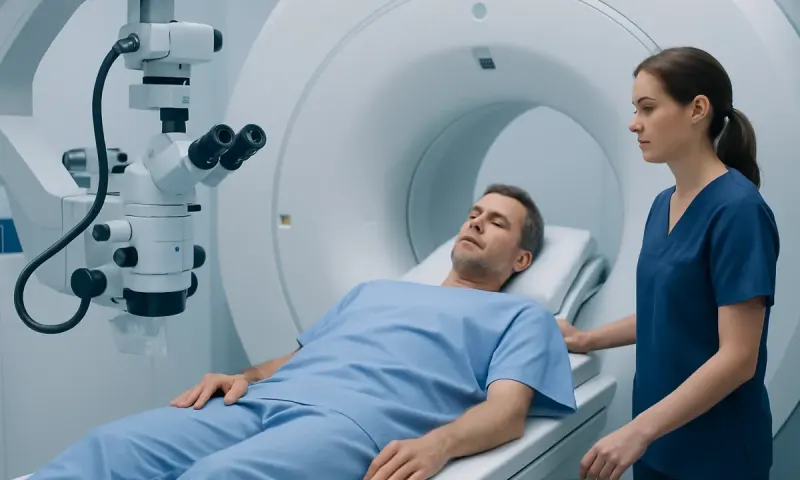
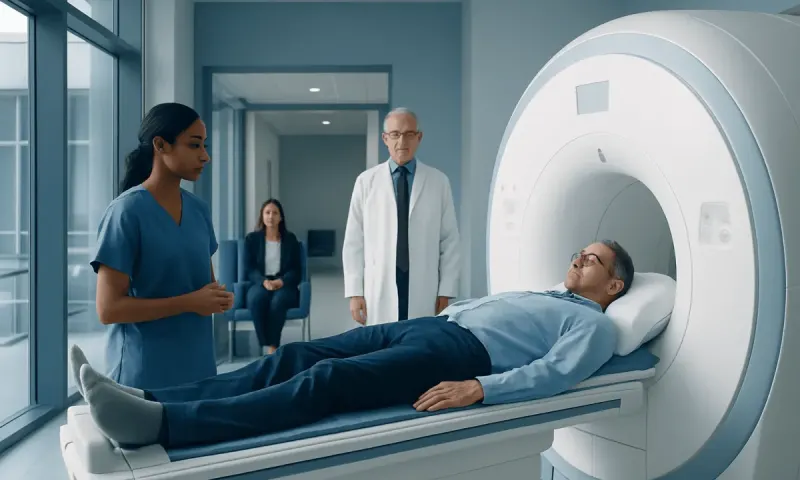
Neuropsych testing is different from brain imaging. A scan such as MRI may show the structure of the brain, while neuropsych testing shows how the brain is working in real-world tasks. Both can be valuable, and they are often used together when doctors need a fuller picture.
Who May Need Neuropsych Testing
People of many ages may benefit from neuropsych testing. A child may be referred because of learning difficulties, attention concerns, developmental questions, or changes after an illness or injury. An adult may need testing for trouble concentrating, persistent memory complaints, work-performance changes, or symptoms after a concussion. An older adult may be evaluated when there are concerns about forgetfulness, confusion, judgment, or possible dementia.
Testing is especially useful when symptoms are affecting school, work, relationships, or independent living. For example, it may help explain why a person is having trouble following conversations, managing finances, keeping track of appointments, or finishing tasks that were once routine. It may also be used before and after medical treatment to measure change over time.
Common situations where testing may be considered include:
- Memory loss or suspected mild cognitive impairment
- Attention and concentration problems, including possible ADHD
- Learning differences or school-related difficulties
- Traumatic brain injury or concussion
- Stroke or other neurological illnesses
- Epilepsy and seizure disorders
- Brain tumor treatment planning or follow-up
- Mood, anxiety, or sleep problems that may affect thinking
- Questions about decision-making capacity or daily functioning
Because symptoms can overlap, neuropsych testing is often helpful when the cause is not obvious. A person may appear to have a memory disorder, for example, when untreated depression, poor sleep, high stress, or medication side effects are playing an important role.
Symptoms and Situations That Often Lead to Referral

There is no single symptom that means someone definitely needs neuropsych testing. Instead, doctors often look for patterns. Repeatedly forgetting recent conversations, becoming easily distracted, struggling to organize tasks, losing words more often, or taking much longer to process information may all prompt referral. In children, signs can include academic decline, frustration with reading or math, behavior changes, or trouble following multistep instructions.
Referral is also common after a medical event that may affect the brain. This can include head injury, stroke, infection, exposure to toxins, or neurosurgery. In these situations, the evaluation may help identify which abilities are preserved and which need support through rehabilitation. For patients recovering from stroke, for example, testing can help guide therapy goals and daily adaptations.
Sometimes testing is requested even when standard office exams seem normal. Brief cognitive screens are useful, but they may miss subtle difficulties in highly educated individuals or in people whose main problems involve complex attention, executive skills, or fatigue-related decline. A full evaluation can uncover these more detailed patterns and help determine whether symptoms fit normal aging, stress-related changes, or an underlying condition.
Causes and Risk Factors Behind Cognitive or Behavioral Changes
Many different conditions can affect thinking and behavior. Neurological causes include dementia, Parkinson’s disease, multiple sclerosis, epilepsy, brain tumors, traumatic brain injury, and cerebrovascular disease. Developmental and learning conditions may also affect cognitive performance. In other people, medical issues such as thyroid disease, vitamin deficiencies, chronic pain, sleep apnea, or medication effects may be contributing factors.
Mental health is also important. Depression, anxiety, trauma-related symptoms, and prolonged stress can strongly affect concentration, memory, motivation, and mental speed. This does not make symptoms “less real.” Instead, it highlights why careful evaluation matters. Neuropsych testing helps separate different possibilities and shows whether emotional factors, neurological changes, or both are involved.
Age is one risk factor, but it is not the only one. Family history, past brain injury, cardiovascular risk factors, low sleep quality, substance use, and chronic medical conditions may all play a role. In older adults, testing may be recommended when doctors are evaluating possible Alzheimer’s disease or another cause of cognitive decline. In younger adults, the focus may be on concussion recovery, attention disorders, or work-related cognitive demands.
How Neuropsych Testing Is Done
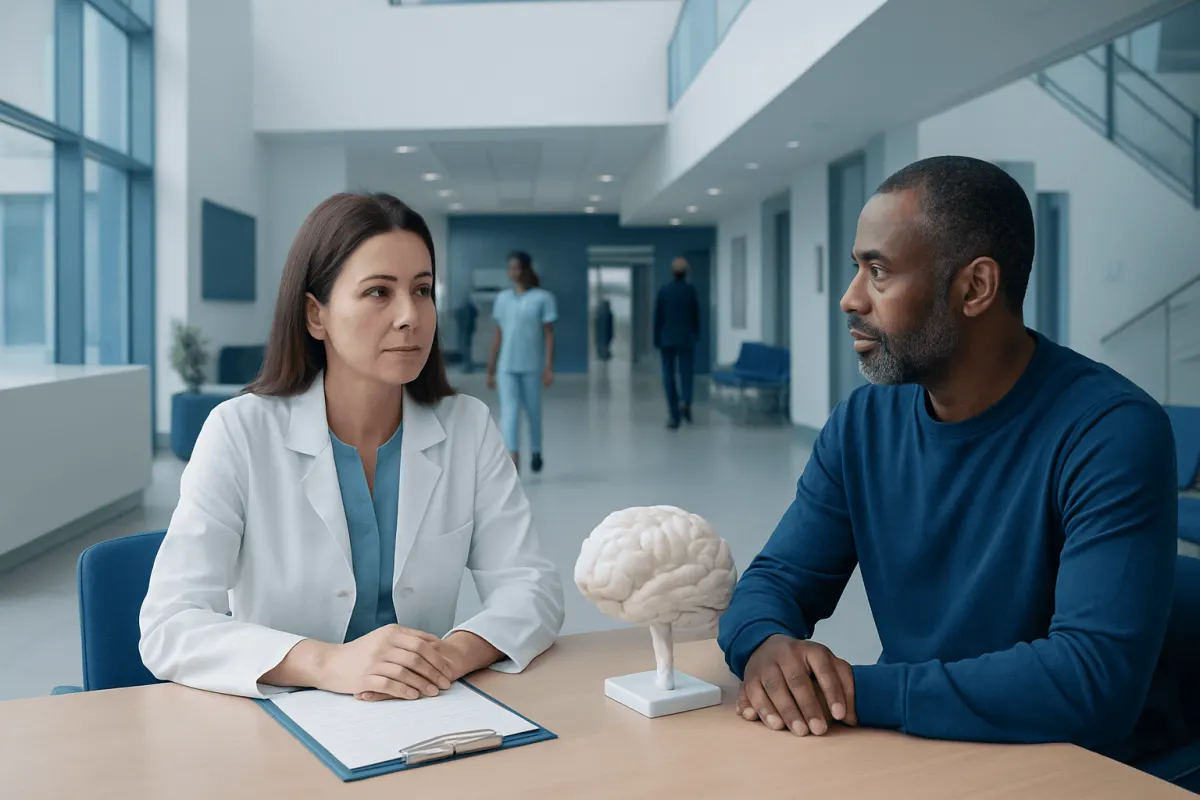
A neuropsychological evaluation usually begins with a detailed interview. The specialist asks about symptoms, medical history, medications, education, language background, work or school performance, emotional health, sleep, and day-to-day functioning. A family member may also be asked for observations, especially if memory or insight is a concern.
The testing itself uses standardized tasks that may be written, spoken, visual, or computer-based. Some tasks look simple, such as repeating information or naming objects, while others assess more complex skills such as planning, switching attention, learning new material, or solving problems under time limits. The process is not a pass-or-fail exam. It is designed to build a profile of strengths and weaknesses.
Length varies depending on the reason for referral. Some evaluations are shorter, while others may take several hours and be completed in one or more sessions. Breaks are usually provided. Once testing is complete, the neuropsychologist interprets the results in the context of age, education, cultural and language factors, and the person’s medical picture.
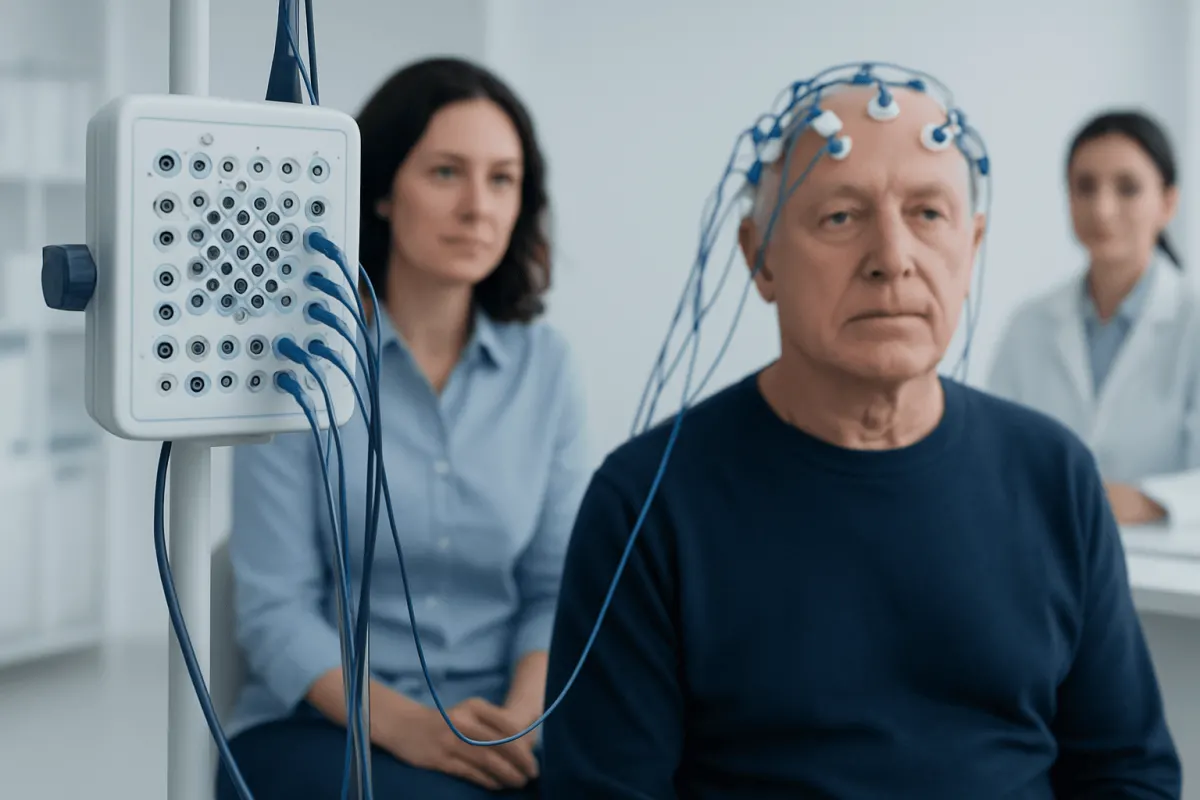
In some cases, neuropsych testing is combined with other assessments such as neurological examination, laboratory tests, or MRI scan findings. If there is concern about seizures, it may be part of a wider evaluation that also includes EEG testing. This combined approach can improve diagnostic accuracy and treatment planning.
What the Results Can Show and How They Help
The results of neuropsych testing can answer several important questions. They may show whether a person’s abilities are within the expected range, whether there is evidence of decline from a previous level, or whether certain functions are much stronger or weaker than others. This pattern can help doctors distinguish among conditions that may look similar in everyday life.
For example, testing may help identify whether forgetfulness is more consistent with normal aging, depression-related concentration problems, attention-deficit disorder, or a neurodegenerative process. It can also reveal the cognitive effects of epilepsy, sleep deprivation, chronic anxiety, or past head injury. In this way, testing can support a diagnosis, but it can also prevent misdiagnosis.
Beyond diagnosis, the results are often used to build a treatment and support plan. Recommendations may include cognitive rehabilitation, psychotherapy, medication review, speech-language therapy, occupational therapy, school supports, or workplace accommodations. When appropriate, patients may be referred for neurological rehabilitation to strengthen function and coping strategies.
The report may also be used as a baseline. This means future testing can be compared with current results to monitor recovery, stability, or progression. That can be particularly useful after concussion, during epilepsy treatment, or when tracking memory concerns over time.
Preparing for Testing and Self-Care Afterward
Good preparation can help testing reflect a person’s true abilities. Before the appointment, it is often helpful to sleep as well as possible, eat normally, wear glasses or hearing aids if needed, and bring a list of medications and medical records. Patients should ask in advance whether any medicines should be adjusted; changes should only be made under medical guidance.
It is also helpful to bring examples of the difficulties that led to referral. These may include school reports, work concerns, notes about memory lapses, or observations from family members. Honest effort is important, and people should not worry about trying to perform perfectly. The purpose is to understand what is really happening, not to achieve a high score.
After testing, patients may feel mentally tired, especially after longer sessions. Rest, hydration, and routine activities are usually enough. The most important next step is the feedback discussion, where the specialist explains results in clear language and outlines practical recommendations for home, school, work, or rehabilitation.
When to See a Doctor
A doctor should be consulted if problems with memory, attention, language, planning, or behavior are new, worsening, or interfering with daily life. Early evaluation is often helpful because some causes are treatable, and support is usually more effective when started sooner. This is especially true if changes have appeared after a head injury, stroke, seizure, serious infection, or major medical illness.
Urgent medical attention is needed for sudden confusion, new weakness, trouble speaking, severe headache, loss of consciousness, or other symptoms that may suggest a stroke or another emergency. Neuropsych testing is not an emergency test, but it can become an important part of follow-up care once the person is medically stable.
For ongoing concerns, a neurologist, psychiatrist, pediatric specialist, geriatrician, or primary care doctor may recommend referral to a neuropsychologist. In complex cases, a multidisciplinary approach can be helpful. Acıbadem Health Point’s multidisciplinary specialists and JCI-accredited hospitals evaluate cognitive and neurological concerns for international patients, with testing and follow-up tailored to the person’s needs.
Patients should remember that needing neuropsych testing does not automatically mean a serious disease is present. Often, the evaluation provides reassurance, practical answers, and a clearer plan for what to do next.
Frequently asked questions
01Is neuropsych testing the same as an IQ test?
No. Some evaluations may include measures related to intellectual functioning, but neuropsych testing is broader. It looks at multiple brain-related skills such as memory, attention, language, processing speed, executive function, and emotional factors.
02How long does a neuropsychological evaluation take?
It depends on the reason for referral and how detailed the evaluation needs to be. Some assessments are relatively brief, while others take several hours and may be split across more than one session. Breaks are usually provided to reduce fatigue.
03Can neuropsych testing diagnose dementia?
Neuropsych testing can strongly support the evaluation of dementia, but it is usually one part of a larger clinical assessment. Doctors also consider medical history, physical and neurological examination, lab tests, and sometimes brain imaging. The pattern of results can help distinguish dementia from normal aging or mood-related cognitive problems.
04Should someone have neuropsych testing after a concussion?
In some cases, yes. It may be useful if symptoms such as poor concentration, slowed thinking, headaches, or memory problems are lasting longer than expected or affecting school, work, or sports participation. A doctor can decide whether formal testing would be helpful.
05Does anxiety or depression affect test results?
Yes, emotional health can influence attention, memory, motivation, and processing speed. That is why neuropsychologists interpret results in the context of mood, stress, sleep, and medical history. This can help show whether symptoms are mainly emotional, neurological, or a mix of both.
06What should a patient bring to the appointment?
It is useful to bring identification, glasses or hearing aids, a list of medications, and any relevant medical or school records. If memory concerns are significant, a family member or caregiver may also be helpful. Patients should follow any preparation instructions given by the clinic.
This article is for general information only and is not a substitute for professional medical advice. Please consult a qualified doctor about your individual situation.
Explore treatments in Turkey — costs, top hospitals & a free quote
JCI-accredited · board-certified surgeons · reply within 24h
Add us as a Preferred Source to see more of our trusted health content across Google Search, AI Overviews and Discover.