Neck Pain on One Side: Causes and Treatment

Key Takeaways
- One-sided neck pain often comes from muscle strain, posture, or joint irritation, but other causes are possible.
- Pain that spreads to the arm, comes with weakness, or follows an injury should be checked promptly.
- Diagnosis usually starts with a medical history and physical examination, with imaging used when needed.
- Gentle movement, posture changes, and targeted treatment often help recovery.
- A doctor should be consulted if pain lasts, worsens, or is linked with fever, numbness, or severe headache.
Neck ache on one side is a common complaint that may come from muscles, joints, nerves, or pain referred from nearby areas such as the jaw or ear. Most cases improve with simple care, but persistent or severe pain deserves medical assessment.
Overview
Neck ache on one side can appear suddenly after sleeping awkwardly, working at a laptop for too long, or turning the head during sports or travel. In many people, the pain is local and temporary, settling as the irritated muscle or joint calms down.
Sometimes, however, the discomfort is a clue that something else is going on. The neck is a busy region where muscles, joints, discs, nerves, lymph nodes, and structures in the jaw, throat, and upper spine can all contribute to pain. That is why the same symptom can have several different explanations.
For someone deciding whether to seek care locally or while traveling for treatment, the pattern matters. A short-lived ache that improves with rest is different from pain that keeps returning, limits movement, or is accompanied by numbness, fever, or a recent injury. Careful evaluation helps separate routine strain from conditions that need more targeted treatment.
Symptoms
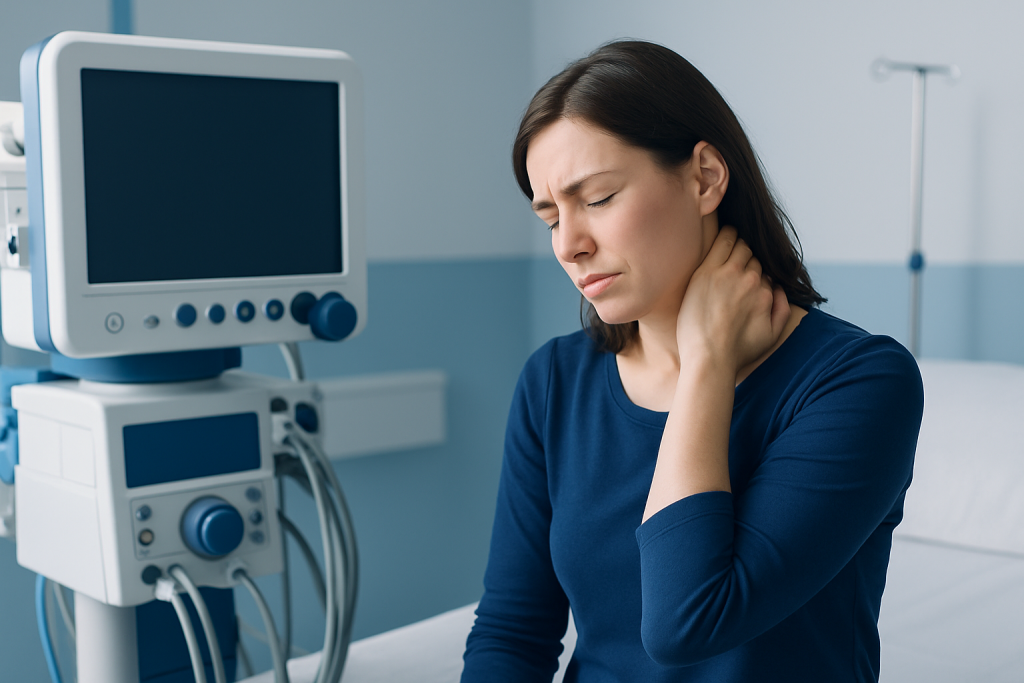
One-sided neck pain is often described as a dull ache, stiffness, tightness, or a sharp twinge when the head turns in a certain direction. Some people notice that the pain is worse in the morning, after sitting for long periods, or when carrying a bag on one shoulder.
Other symptoms can help point toward the source of the problem. A muscle-related issue may feel tender to the touch and improve with gentle movement, while nerve irritation may cause burning pain, tingling, or weakness that travels into the shoulder, arm, or hand. Pain near the jaw, ear, or throat may also be felt in the side of the neck.
- Stiffness or reduced range of motion
- Headache starting at the base of the skull
- Pain that radiates to the shoulder or arm
- Tenderness after overuse or awkward posture
- Pain with chewing, swallowing, or jaw movement in some cases
Because symptoms overlap, the overall pattern is more useful than any single detail. Persistent pain, a new lump, or pain linked with systemic symptoms should not be ignored.
Causes & Risk Factors

The most common reason for neck ache on one side is mechanical strain. This can happen when muscles are overloaded by poor posture, prolonged screen time, repetitive movement, carrying heavy items, or sleeping in an unusual position. Even minor strain can be uncomfortable because the neck supports the head all day long.
Other causes include arthritis in the cervical spine, irritation of a spinal disc, facet joint problems, whiplash, and pinched nerves. Pain may also be referred from the jaw, teeth, ear, throat, or lymph nodes, which is why a neck complaint is not always a purely neck problem.
Risk is higher in people who spend many hours sitting, use mobile devices with the head bent forward, have physically demanding work, or have a history of neck injury. Stress can also intensify muscle tension and make a mild problem feel more intense.
Less common but important causes include infection, inflammatory conditions, and, rarely, structural problems that need specialist evaluation. A doctor considers the person’s age, medical history, symptom pattern, and any red flags before deciding the next step.
Diagnosis
Diagnosis usually begins with a conversation about when the pain started, where it is felt, what makes it better or worse, and whether it follows an injury or illness. A clinician may also ask about work habits, sleep position, exercise, recent travel, and any symptoms in the arm, jaw, ear, or throat.
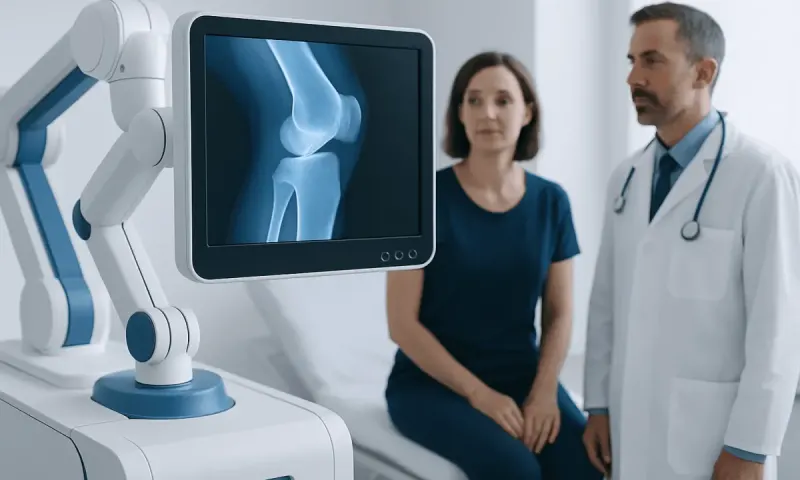
A physical examination often provides much of the answer. The doctor may check neck movement, muscle tenderness, nerve function, posture, reflexes, and whether the pain is reproduced by turning or pressing on a certain area. This helps distinguish muscle strain from nerve-related or joint-related pain.
Imaging tests are not always necessary, especially when symptoms are mild and improving. They may be considered if pain is severe, prolonged, linked to trauma, or accompanied by neurological symptoms. Depending on the situation, a doctor may order an X-ray, MRI, CT scan, or other tests to look more closely at the cervical spine and nearby structures.
When a person is traveling for assessment, it can help to bring prior reports, medication lists, and any imaging already done. That makes it easier for the medical team to compare findings and avoid repeating tests that are not needed.
Treatment Options
Treatment depends on the cause, but many cases begin with conservative care. Resting from aggravating activity, using heat or cold as advised, and keeping the neck moving gently are common first steps. Complete immobility is usually not helpful for routine strain and can make stiffness worse.
Medication may be recommended to ease pain and inflammation, but the choice depends on the person’s age, health conditions, and other medicines. A clinician may also suggest physical therapy, posture retraining, stretching, strengthening exercises, or manual therapy when appropriate. If nerve compression is suspected, treatment may need to focus more specifically on the spine or discs.
For certain causes, more advanced treatment is needed. Infections, inflammatory disease, or significant structural problems may require specialist care, and severe nerve compression or instability sometimes leads to procedural or surgical options. The goal is always to match the treatment to the underlying cause rather than treating all neck pain the same way.
For international patients, this can involve staged care: first evaluation, then imaging or specialist review, followed by a recovery plan that can continue safely at home. Clear instructions, follow-up timing, and symptom monitoring become especially important when care is coordinated across borders.
Prevention & Self-care
Small habits can make a large difference, especially when neck ache on one side is tied to posture or repetitive strain. Adjusting the screen to eye level, supporting the lower back, and avoiding long stretches in one position can reduce load on the neck. Taking short movement breaks during work or travel helps as well.
Sleep setup matters too. A pillow that keeps the head in a neutral position is usually more comfortable than one that forces the neck up or down. Some people also benefit from learning how to carry luggage evenly or from switching the side of a shoulder bag to avoid repeated strain.
- Use gentle range-of-motion exercises if they do not worsen pain
- Apply heat or cold as tolerated and as advised by a clinician
- Keep regular movement rather than staying still for long periods
- Address stress, which can tighten neck and shoulder muscles
- Seek ergonomic advice for desk, driving, and phone use
Self-care should feel supportive, not forceful. If an exercise, stretch, or household adjustment sharply increases pain, it is better to stop and ask a clinician for guidance.
When to See a Doctor
Medical review is wise if one-sided neck pain lasts more than a few days without improvement, returns often, or starts interfering with sleep, work, or daily movement. It is also important if the pain follows a fall, collision, or sudden twist, even if symptoms seemed mild at first.
Prompt assessment is especially important when pain comes with numbness, weakness, trouble walking, loss of bladder or bowel control, fever, unexplained weight loss, severe headache, trouble swallowing, or a new lump in the neck. These signs may suggest a problem beyond simple strain.
If symptoms are unclear or the pain keeps changing, a qualified doctor can sort out whether the issue is muscular, spinal, neurological, or referred from another area. Acibadem Health Point’s multidisciplinary specialists and JCI-accredited hospitals can help diagnose and treat this condition for international patients, with coordinated care and follow-up planning.
For anyone traveling for treatment, timely evaluation can also reduce uncertainty. A structured plan helps determine whether the condition can be managed conservatively or whether further testing and specialist care are needed.
Living with Recovery and Follow-up
Recovery from neck pain is often gradual rather than instant. Even when the main trigger has settled, the surrounding muscles may remain protective and stiff for a while. A steady return to normal activity, guided by symptoms and professional advice, usually works better than rushing back all at once.
Follow-up is useful if pain changes character, spreads, or fails to improve as expected. That reassessment can confirm whether the original plan is still appropriate or whether another cause needs to be considered. For patients who return home after receiving care abroad, this step is especially important because continuity supports safer recovery.
A practical approach is to track what worsens the pain, what eases it, and whether any new symptoms appear. That simple record can help a doctor fine-tune treatment and makes later appointments more efficient.
Frequently asked questions
01Is neck ache on one side usually serious?
Most one-sided neck pain is not serious and is often related to muscle strain or posture. It becomes more concerning when it is persistent, severe, or paired with symptoms such as weakness, fever, numbness, or a recent injury.
02Can poor posture cause pain on only one side of the neck?
Yes. Holding the head forward, leaning to one side, or repeatedly using one shoulder can place uneven stress on the neck muscles and joints. Over time, that can lead to pain on just one side.
03Why does the pain sometimes spread to the shoulder or arm?
Pain that travels beyond the neck can happen when a nerve is irritated or compressed. It may also come from tight muscles referring pain to nearby areas, so the pattern should be assessed by a clinician if it persists.
04Should someone keep moving if the neck hurts?
Gentle movement is often helpful for common muscle strain, while complete rest can increase stiffness. The key is to avoid motions that sharply worsen pain and to follow the advice of a healthcare professional if the cause is uncertain.
05What tests might be needed for one-sided neck pain?
Many people do not need tests right away if symptoms are mild and improving. If the pain is severe, follows trauma, or includes neurological symptoms, a doctor may recommend imaging or other evaluation to look for a more specific cause.
06When should a person seek urgent care?
Urgent evaluation is appropriate if neck pain comes with arm or leg weakness, trouble walking, severe headache, fever, confusion, trouble breathing or swallowing, or after a significant accident. These symptoms may indicate a condition that needs prompt attention.
This article is for general information only and is not a substitute for professional medical advice. Please consult a qualified doctor about your individual situation.
Joint and spine care in Turkey — expert assessment & treatment
JCI-accredited · board-certified surgeons · reply within 24h
Add us as a Preferred Source to see more of our trusted health content across Google Search, AI Overviews and Discover.