Muscle Stiffness: Common Causes and When to Seek Care
Muscle stiffness is a common sensation of tightness, resistance to movement, or discomfort in a muscle or group of muscles. It often improves with gentle movement and recovery, but recurring, severe, or unexplained stiffness can sometimes signal an underlying medical condition.
What Muscle Stiffness Means
Muscle stiffness describes a sensation that a muscle feels tight, hard to move, or resistant when a person tries to stretch or use it. It can affect one area, such as the neck, back, calves, or shoulders, or involve several parts of the body. The feeling may be temporary, particularly after exercise or a long period in one position, or it may come and go over time.
In many cases, stiffness reflects a normal response to unfamiliar exertion, sustained posture, or minor muscle irritation. Muscles can become tender and less comfortable to move while the body recovers. This is different from true muscle weakness, in which a person cannot generate normal force, such as struggling to rise from a chair or lift an arm.
People sometimes use the word stiffness to describe joint symptoms, cramps, or reduced flexibility. These experiences can overlap but have different causes. A careful description of when stiffness occurs, which areas are affected, and what improves or worsens it helps a clinician determine whether the problem is likely muscular, joint-related, neurological, medication-related, or due to another health condition.
Common Patterns and Associated Symptoms
Muscle stiffness can develop soon after activity, the following morning, or gradually during the day. Delayed soreness and stiffness after exercise are common when activity is new, more intense than usual, or includes movements that lengthen a working muscle, such as walking downhill or lowering weights. Symptoms usually settle as tissues recover and the person returns to comfortable movement.
Stiffness after sleeping or sitting may be related to posture, a mattress or workstation setup, reduced movement, or tension around the neck, shoulders, hips, or lower back. Some people notice that symptoms ease after a warm shower, walking, or gentle mobility exercises. Others may experience a feeling of stiffness during periods of emotional stress, when muscles may remain unconsciously tense.
Associated symptoms can provide useful clues. Local tenderness, mild aching, and reduced range of motion may occur with overuse or strain. Swelling, bruising, or pain after an injury may suggest tissue damage. Tingling, numbness, radiating pain, balance changes, or loss of strength should not be assumed to be ordinary muscle tightness and deserve medical advice.
- Short-lived stiffness: often follows activity, prolonged inactivity, or mild strain.
- Morning stiffness: may reflect sleep position, reduced overnight movement, or sometimes an inflammatory condition.
- Generalized stiffness: can be associated with medication effects, infections, metabolic issues, or neurological conditions.
- Stiffness with painful spasms: may occur with muscle cramps, nerve irritation, or certain movement disorders.
Why Muscles Can Feel Stiff

Physical overuse is one of the most common causes of muscle stiffness. Repetitive work, lifting, vigorous exercise, long-distance travel, or suddenly increasing training intensity can temporarily irritate muscle fibers and surrounding connective tissue. Inadequate recovery between demanding activities may make symptoms more noticeable.
Long periods of inactivity can also contribute. Remaining at a desk, driving, or resting in one position reduces regular muscle movement and can leave tissues feeling less flexible. Poor ergonomics, an unsupportive posture, or carrying loads unevenly may place extra stress on particular muscle groups.
Other possible contributors include insufficient sleep, stress, dehydration, and inadequate nutrition. Some medicines may cause muscle aches, stiffness, or cramps as side effects. A clinician can review prescribed medicines, over-the-counter products, and supplements if symptoms began after a new treatment or changed following a dose adjustment.
Less commonly, stiffness may be associated with conditions affecting joints, nerves, muscles, hormones, or the immune system. Examples include inflammatory arthritis, thyroid disorders, electrolyte abnormalities, nerve compression, Parkinsonism, and inflammatory muscle disease. These conditions usually have additional features, such as persistent pain, swollen joints, fatigue, weakness, tremor, rash, fever, or changes in sensation.
How Clinicians Assess Muscle Stiffness
Assessment begins with a detailed history. A healthcare professional may ask when the stiffness started, whether it follows exercise or rest, how long it lasts, and whether there has been injury, infection, a change in medication, or a new exercise routine. They will also ask about pain, weakness, numbness, joint swelling, fatigue, sleep, and effects on daily activities.
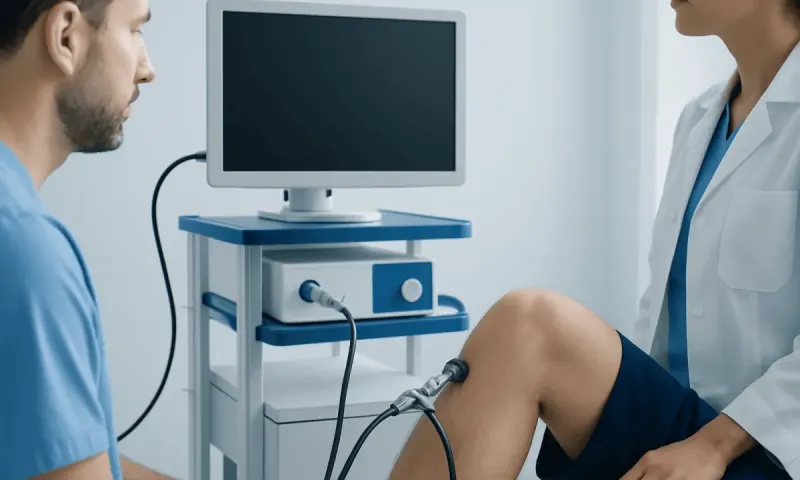
A physical examination may include observing posture and walking, checking joint and muscle movement, testing strength and reflexes, and looking for tenderness, swelling, warmth, or skin changes. This helps distinguish a local muscle issue from a joint problem or a condition involving the nervous system.
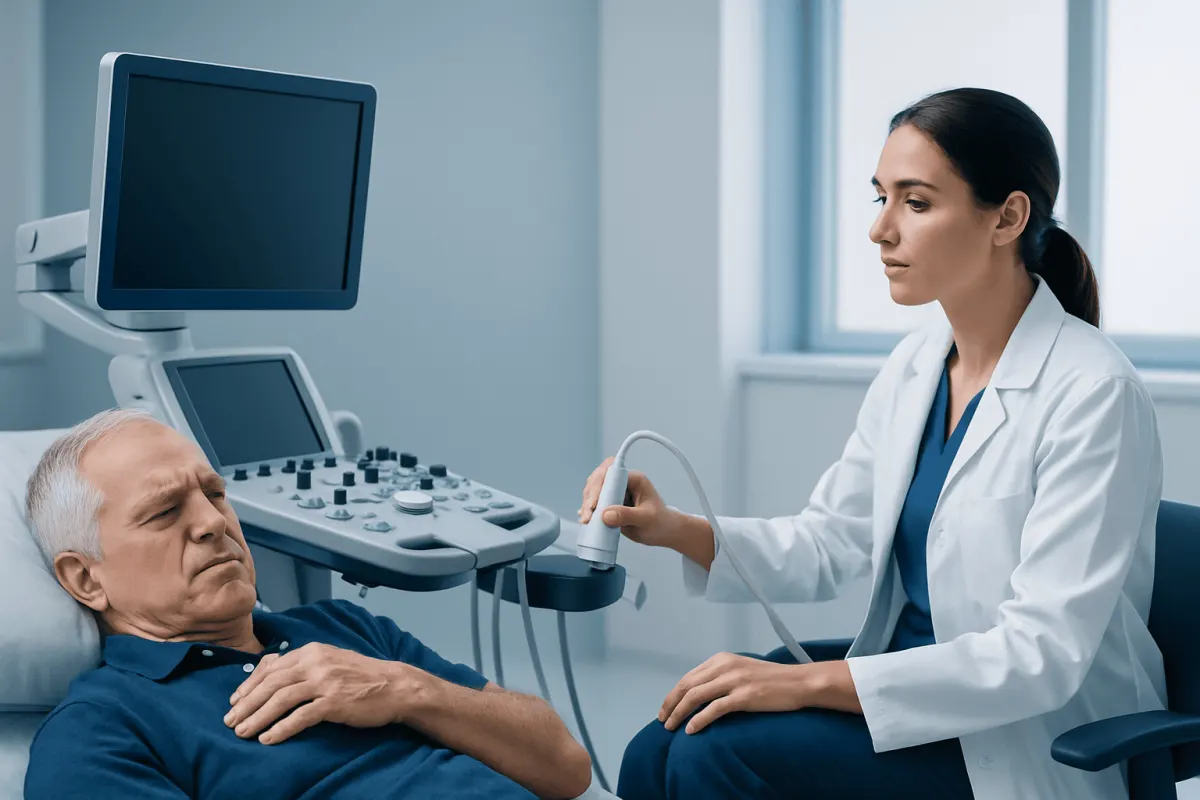
Many people with mild, recent stiffness do not need tests. If symptoms are persistent, widespread, severe, or accompanied by concerning signs, a doctor may recommend blood tests to check for inflammation, muscle injury markers, thyroid function, electrolyte changes, or other relevant concerns. Imaging, nerve testing, or referral to a specialist may be considered when the history and examination indicate a specific problem.
Evidence-Based Relief and Treatment Options
For uncomplicated stiffness related to activity or posture, staying gently active is often more helpful than complete bed rest. Short walks, comfortable range-of-motion exercises, and gradual return to usual activity can support recovery. Stretching should be slow and controlled rather than forceful; pushing through sharp pain may worsen an injury.
Warmth can help relax tense muscles and improve comfort for some people. A warm shower, heat pack used safely, or light massage may be useful when there is no acute swelling or recent significant injury. After a new injury with swelling, a clinician may advise a different approach. Regular sleep, adequate fluid intake, and balanced meals also support normal muscle function.
If pain is interfering with normal activities, a pharmacist or doctor can advise whether an over-the-counter pain reliever is appropriate based on the individual’s health history and other medicines. Persistent symptoms may benefit from an assessment by a physician or physiotherapist. A tailored rehabilitation plan can address movement patterns, flexibility, strength, posture, and safe progression of activity.
Treatment is directed at the underlying cause when one is identified. For example, treatment may focus on a musculoskeletal injury, inflammatory condition, nerve-related problem, or medication side effect rather than stiffness alone. It is important not to stop a prescribed medicine without discussing it with the clinician who prescribed it.
Prevention and Everyday Self-Care
Regular movement is one of the most practical ways to reduce stiffness related to sedentary routines. Brief movement breaks during desk work, travel, or television viewing can help maintain comfort. Adjusting chair height, screen position, and work surfaces may also reduce unnecessary strain on the neck, shoulders, and back.
Exercise is generally most sustainable when intensity increases gradually. A warm-up before more demanding activity, a varied routine that includes strength and mobility work, and recovery days can reduce the likelihood of overuse symptoms. There is no need for painful stretching; the goal is comfortable mobility and steady progression.
Hydration needs vary with climate, activity level, and individual health. Drinking fluids regularly and eating a balanced diet can support recovery, especially during exercise or illness. People with kidney, heart, or other medical conditions should follow any fluid or dietary guidance provided by their healthcare team.
Stress-management approaches may also be helpful when tension contributes to symptoms. Gentle breathing exercises, regular sleep routines, relaxation practices, and appropriately paced activity can reduce persistent muscle guarding. If stiffness is recurrent, keeping a simple symptom diary may help identify patterns related to exercise, sleep, work position, or medication changes.
When to Seek Medical Care
Medical advice is appropriate when muscle stiffness does not improve after a reasonable period of self-care, repeatedly disrupts sleep or daily activities, or occurs without an obvious explanation. An appointment is also advisable for stiffness that is widespread, progressively worsening, or associated with ongoing joint pain, swelling, fatigue, or reduced function.
Urgent medical evaluation is important if stiffness follows a significant injury or is accompanied by severe pain, marked swelling, inability to use a limb, new weakness, numbness, trouble walking, loss of bladder or bowel control, fever, confusion, chest pain, or shortness of breath. Dark urine after severe muscle pain or strenuous exertion also needs prompt assessment, as it can rarely indicate significant muscle breakdown.
People who have symptoms suggestive of a neurological or inflammatory condition may need coordinated evaluation. Acıbadem Health Point’s multidisciplinary specialists and JCI-accredited hospitals assess and treat musculoskeletal, neurological, and systemic causes of persistent muscle symptoms for international patients.
Frequently asked questions
01Is muscle stiffness normal after exercise?
Mild stiffness after unfamiliar or more intense exercise is common and often improves over several days. Gentle movement, rest from strenuous activity, hydration, and gradual return to exercise are usually appropriate. Severe pain, major swelling, weakness, or dark urine should be assessed promptly.
02What is the difference between muscle stiffness and muscle weakness?
Stiffness is a feeling of tightness or resistance to movement, even when the muscle can still produce normal force. Weakness means a reduced ability to perform a movement or generate strength. New or worsening weakness should be discussed with a healthcare professional.
03Can dehydration cause stiff muscles?
Dehydration can contribute to muscle discomfort and cramps, particularly with heat exposure, illness, or prolonged exercise. However, stiffness has many possible causes, so it should not automatically be attributed to low fluid intake. Persistent or unexplained symptoms need medical review.
04Should a person stretch a stiff muscle?
Gentle, comfortable stretching can help some people, especially when stiffness is related to inactivity or routine muscle tension. Stretching should not cause sharp pain or force a recently injured area beyond its comfortable range. If symptoms worsen with stretching, it is sensible to stop and seek advice.
05Can medications cause muscle stiffness?
Yes, some medicines can cause muscle aches, cramps, stiffness, or changes in muscle function. A person should tell their doctor if symptoms begin after starting a medicine or changing the dose. Prescribed medication should not be stopped without medical guidance.
06When is morning muscle stiffness a concern?
Brief morning stiffness that improves with ordinary movement may be related to sleep position or inactivity overnight. Stiffness that lasts a long time, occurs with swollen or warm joints, or is accompanied by fatigue, pain, or reduced function should be medically assessed. These features can sometimes point to an inflammatory or other underlying condition.
This article is for general information only and is not a substitute for professional medical advice. Please consult a qualified doctor about your individual situation.
Joint and spine care in Turkey — expert assessment & treatment
JCI-accredited · board-certified surgeons · reply within 24h
Add us as a Preferred Source to see more of our trusted health content across Google Search, AI Overviews and Discover.