MSM for Hair Growth: What Research Shows
MSM for hair growth is widely promoted as a supplement that may support keratin production, but high-quality evidence showing that it regrows hair or treats hair loss is limited. People with new, progressive, or patchy hair thinning benefit most from a medical assessment to identify the underlying cause.
MSM for Hair Growth: The Evidence at a Glance
MSM for hair growth is not a proven treatment for hair loss. Methylsulfonylmethane (MSM) is a sulfur-containing compound available in powders, capsules, tablets, and some hair or skin products. Although sulfur is part of the structure of keratin, a protein found in hair and nails, this does not mean that taking MSM will reliably make hair grow faster, thicker, or fuller.
Some small studies and product-related research have explored supplements containing MSM alongside other ingredients. These studies cannot clearly show whether MSM itself was responsible for any reported benefit, and they do not establish that it treats common forms of hair loss. Larger, well-designed clinical trials are needed before MSM can be recommended as an evidence-based hair-growth treatment.
Hair growth is influenced by the hair cycle, genetics, hormones, nutrition, overall health, and scalp condition. For this reason, a supplement is unlikely to address every type of thinning. A person considering MSM should view it as an unproven option and should not delay evaluation or treatment for a potentially treatable cause of hair loss.
What MSM Is and Why It Is Marketed for Hair
MSM is a naturally occurring organosulfur compound. Small amounts are found in certain foods, including fruits, vegetables, grains, and milk, while supplements provide more concentrated amounts. It is most commonly marketed for joint comfort, exercise recovery, and general wellness, with hair, skin, and nail claims often added to supplement advertising.
The proposed rationale for hair use is that sulfur is involved in proteins such as keratin. Hair shafts are largely made of keratin, and adequate nutrition is important for normal hair production. However, the body does not simply convert extra dietary sulfur into extra hair. Hair follicles are complex structures, and their activity depends on many biological signals beyond the availability of one nutrient or compound.
Marketing claims may also blur the distinction between improving hair appearance and treating hair loss. Less breakage, better conditioning, or a subjective feeling of stronger hair is different from stimulating follicle activity or increasing hair density. Patients should be cautious about claims that a supplement can “restore” hair without considering the reason the hair is thinning.
Understanding Hair Loss Before Choosing a Supplement

Hair shedding and hair loss are broad terms that describe several different patterns. It is normal to shed some hairs each day as part of the growth cycle. Noticeable thinning, widening of a part, recession at the temples, bald patches, or excessive shedding over weeks to months may indicate an underlying condition that deserves assessment.
Androgenetic alopecia, also called pattern hair loss, is a common inherited cause of gradual thinning in women and men. Other possibilities include telogen effluvium, a temporary shedding pattern that can follow illness, surgery, childbirth, major stress, rapid weight change, or nutritional restriction. Autoimmune hair loss, fungal infection of the scalp, traction from tight hairstyles, thyroid disorders, anemia, and medication effects can also play a role.
A medical review helps distinguish these causes because the appropriate management differs. For example, treatment for alopecia areata is different from care for pattern hair loss or a nutritional deficiency. A clinician may ask about timing, family history, diet, recent illnesses, menstrual or hormonal changes, medicines, hair practices, and scalp symptoms.
People should avoid assuming that all thinning is due to a vitamin or sulfur deficiency. Taking supplements without a clear need may add cost and side effects while allowing an underlying medical issue to continue untreated.
What Research Can and Cannot Say About MSM
Current research does not provide strong, independent evidence that MSM alone regrows hair. Reports involving combination supplements may be difficult to interpret because they can include vitamins, minerals, plant extracts, amino acids, or other compounds that may affect the results. Small sample sizes, short follow-up periods, and reliance on self-reported changes further limit conclusions.
Evidence from laboratory studies or theory is also not enough to confirm a real-world benefit. A biological mechanism may be plausible, but patients need clinical trials that compare MSM with placebo, measure meaningful outcomes such as hair density and shedding, and assess safety over time. At present, such evidence is insufficient to position MSM alongside established treatments for specific hair-loss conditions.
For people with pattern hair loss, a dermatologist can discuss approaches with better supporting evidence, including hair transplant evaluation for selected candidates when appropriate. Medical and procedural options should be individualized according to the type, extent, and stability of hair loss, as well as a person’s health history and expectations.
Safety, Side Effects, and Supplement Quality
MSM is generally considered well tolerated by many adults when used for short periods in research settings, but “natural” does not always mean risk-free. Reported side effects can include stomach upset, diarrhea, bloating, nausea, headache, fatigue, insomnia, or skin reactions. Effects may vary with the product, amount used, other ingredients, and an individual’s health.
Dietary supplements are not evaluated in the same way as prescription medicines before they are sold in many countries. The stated amount of MSM may not always match the amount in the container, and combination products may contain ingredients that are not suitable for everyone. Choosing products that have undergone independent quality testing can reduce, but not eliminate, these concerns.
People who are pregnant, breastfeeding, managing a long-term medical condition, preparing for surgery, or taking regular medicines should speak with a doctor or pharmacist before starting MSM. This is especially important when a product contains several active ingredients. A clinician can help assess possible interactions and decide whether testing for nutritional or medical causes of hair loss is more useful.
A Practical Approach to Supporting Hair Health
Healthy hair care begins with identifying the cause of change rather than adding multiple supplements at once. A balanced eating pattern with sufficient protein, iron-containing foods, zinc, and other essential nutrients supports overall health and normal hair production. Restrictive dieting and rapid weight loss can contribute to shedding, so sustainable nutritional changes are usually preferable.
Gentle hair practices may reduce breakage and traction. This includes limiting tight styles, frequent chemical processing, excessive heat, and harsh brushing. These measures may improve the condition of the hair shaft, but they do not necessarily treat follicle-related hair loss. Managing a known scalp problem, such as inflammation or dandruff, may also be important.
If a clinician identifies a deficiency, correcting that deficiency is more appropriate than taking broad supplements indefinitely. For diagnosed pattern hair loss, treatment may include topical, oral, procedural, or surgical options depending on the person’s circumstances. Discussion of hair loss treatment options can help patients understand which approaches have evidence for their particular diagnosis.
Photographs taken in similar lighting and hairstyle every few months can help track change more accurately than day-to-day observation. Patients should introduce only one new product or treatment at a time where possible, so that side effects and results are easier to recognize.
When to Seek Medical Care
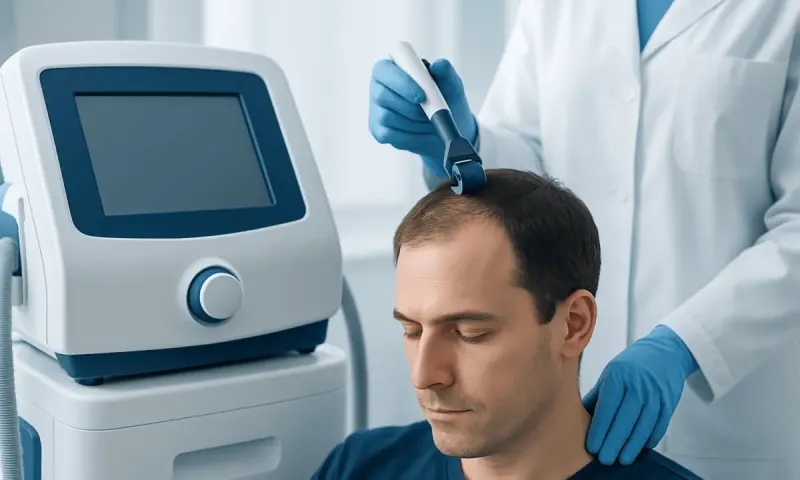
A person should arrange a medical appointment for hair loss that is sudden, patchy, rapidly worsening, or continuing for several months. Assessment is also important when thinning is accompanied by scalp pain, itching, scaling, redness, sores, or pus, as these features may indicate a scalp disorder or infection requiring specific care.
Prompt assessment is advisable if hair loss occurs with fatigue, unintentional weight change, sensitivity to heat or cold, irregular periods, acne, increased facial hair, or other changes that may suggest an underlying hormonal, nutritional, or systemic condition. Children with hair loss should also be evaluated by a qualified healthcare professional.
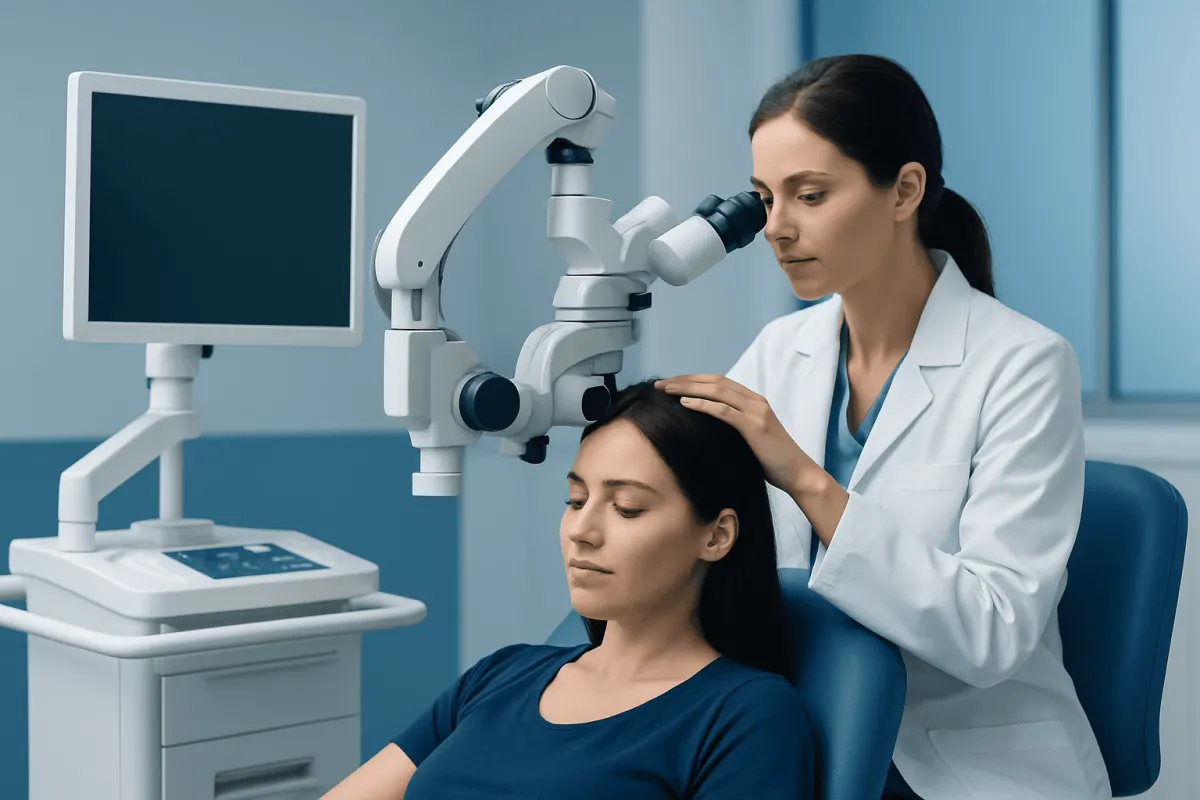
A doctor or dermatologist may examine the scalp and hair pattern and, when indicated, arrange blood tests or other investigations. Acıbadem Health Point’s multidisciplinary specialists and JCI-accredited hospitals can assess hair and scalp concerns for international patients and guide care based on the diagnosed cause.
MSM may be discussed with a healthcare professional, but it should not replace evaluation for significant hair loss. Seeking care early can help identify reversible causes and provide realistic, evidence-based options.
Frequently asked questions
01Does MSM actually help hair grow?
There is not enough high-quality clinical evidence to show that MSM reliably promotes hair growth or reverses hair loss. Some research has involved multi-ingredient supplements, so it is not possible to determine whether MSM was responsible for any observed changes. A medical assessment is more useful when hair loss is noticeable or persistent.
02How long does it take for MSM to work for hair growth?
Because MSM is not an established hair-loss treatment, there is no reliable timeframe in which it should be expected to work. Hair grows slowly, and meaningful changes from any legitimate treatment usually take several months to assess. If shedding or thinning continues, a clinician should evaluate the cause rather than relying on a supplement.
03Can MSM cause hair loss?
Hair loss is not a commonly recognized effect of MSM, but individual reactions to supplements can vary. A person who notices new symptoms after starting any supplement should stop it and seek advice from a doctor or pharmacist. Other ingredients in a combination product may also be relevant.
04Is MSM safe to take every day?
Many adults tolerate MSM, but it can cause digestive symptoms, headache, tiredness, sleep changes, or skin reactions in some people. Long-term safety for all users and situations is not fully established. It is sensible to consult a healthcare professional before daily use, especially during pregnancy, breastfeeding, or when taking medicines.
05What is the best treatment for thinning hair?
The best treatment depends on the cause. Pattern hair loss, temporary shedding after stress or illness, nutritional deficiencies, autoimmune conditions, and scalp disorders each require different approaches. A dermatologist or doctor can diagnose the pattern and recommend options supported by evidence.
06Should a person take biotin and MSM together for hair loss?
Taking several supplements together does not necessarily improve hair growth and can make side effects or test-result changes harder to identify. Biotin is mainly helpful when there is a true deficiency, which is uncommon in many otherwise healthy adults. A clinician can advise whether testing or targeted treatment is appropriate before using combination supplements.
This article is for general information only and is not a substitute for professional medical advice. Please consult a qualified doctor about your individual situation.
Hair transplant in Turkey — costs, graft counts & a free assessment
JCI-accredited · board-certified surgeons · reply within 24h
Add us as a Preferred Source to see more of our trusted health content across Google Search, AI Overviews and Discover.