Morpheus 8 Treatment for Firmer, Smoother Skin

Morpheus 8 treatment is a minimally invasive radiofrequency microneedling procedure used to improve selected concerns such as skin texture, fine lines, acne scarring and mild skin laxity. Recovery is usually brief, while collagen-related changes develop gradually over weeks to months.
Overview: What Is Morpheus 8 Treatment?
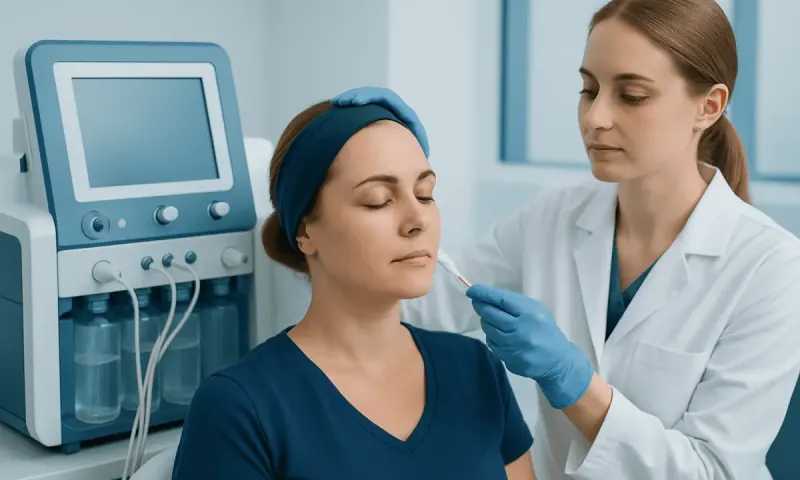
Morpheus 8 treatment is a type of radiofrequency microneedling. A clinician uses a handpiece containing very fine needles to create controlled microchannels in the skin while delivering radiofrequency energy at selected depths. The aim is to encourage the skin’s natural repair processes, including collagen and elastin remodeling, without surgery.
It may be considered for concerns such as uneven texture, enlarged-looking pores, fine lines, acne scars, mild laxity and selected areas of facial or body skin. The treatment plan should be individualized because skin thickness, pigmentation, scarring, current skincare products and medical history can affect the safest settings and expected outcome.
Results are not immediate in the same way as a cosmetic injectable or surgical procedure. Although the skin may look temporarily plumper soon after treatment, meaningful remodeling occurs gradually. A qualified dermatologist or aesthetic physician can explain whether radiofrequency microneedling is appropriate for a person’s goals and skin type.
What Happens During the Procedure?
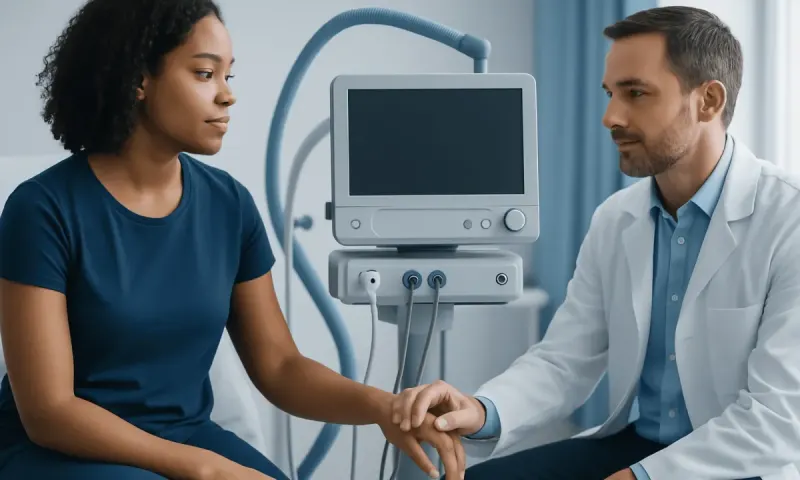
Before the appointment, the clinician assesses the treatment area, discusses expectations and reviews relevant health information. This may include a history of cold sores, scarring problems, skin infections, medications, pregnancy, implanted electronic devices or recent procedures. Photographs may be taken to help compare progress over time.
A topical anesthetic is commonly applied before treatment to improve comfort. After the skin is cleansed, the clinician passes the Morpheus 8 handpiece over the planned area. Needle depth and energy settings are selected according to the location and concern being treated; delicate facial areas and thicker body skin generally require different approaches.
The procedure time varies with the size and number of areas. People may feel pressure, heat or brief prickling despite numbing. Immediately afterward, the skin can appear red and feel warm, similar to a mild-to-moderate sunburn. A clinician will provide personalized instructions for cooling, cleansing and skincare.
Who May Benefit and Who Needs Extra Caution?

Radiofrequency microneedling is often used for adults seeking gradual improvement in skin quality rather than a dramatic surgical change. It can be used on several areas, including the face, neck, jawline and selected body regions, but suitability depends on the specific concern. Deep scars, marked sagging or significant volume loss may require a different or combined approach.
All cosmetic procedures carry potential risks. Temporary redness, swelling, tenderness, bruising, dryness, peeling and small scabs can occur. Less commonly, infection, prolonged discoloration, acne flare-ups, cold sore reactivation, scarring or changes in pigmentation may develop, particularly if aftercare is not followed or settings are inappropriate for the skin.
Treatment may need to be postponed when there is an active rash, open wound, skin infection or severe acne flare in the planned area. People with a history of keloid scarring, recurrent herpes simplex, melasma, darker skin tones prone to pigmentation changes, bleeding disorders, certain medical implants or recent isotretinoin use should seek individualized medical advice before proceeding.
How Long Does It Take to Heal After Morpheus 8?
Most people can return to routine non-strenuous activities within one to three days after Morpheus 8, although the precise recovery period varies. Redness and a warm sensation are often most noticeable on the first day. Mild swelling, pinpoint marks, roughness or temporary darkened micro-crusts may remain visible for several days and can last longer after more intensive treatment.
The skin barrier continues to recover beneath the surface after visible redness improves. It is common for the treated area to feel dry, tight or sensitive for up to a week. People planning an important event may prefer to allow at least one to two weeks of flexibility, especially when treating the face or using stronger settings.
Healing can take longer in people with sensitive skin, a history of post-inflammatory pigmentation, extensive treatment areas or concurrent skin conditions. Increasing pain, spreading redness, pus, blisters, fever or worsening swelling are not expected recovery features and should be assessed promptly by the treating clinician or another qualified healthcare professional.
Can You See Results After 1 Morpheus8 Treatment?
Some people notice a short-term glow, smoother feel or modest improvement in skin texture after one Morpheus8 treatment. However, early changes may partly reflect temporary swelling, and they should not be considered the final result. Radiofrequency microneedling relies on gradual healing and collagen remodeling, which take time.
More reliable changes are often assessed over the following weeks, with continued improvement potentially developing for several months. The degree of improvement differs according to the original concern, the area treated, the settings used, age, sun exposure, smoking status and the skin’s individual healing response.
One session may be appropriate for a mild concern or as part of a maintenance plan, but it may not produce the desired change for established scars or laxity. A follow-up review helps determine whether further treatment, altered settings or another option would better support the person’s goals.
Is 2 Sessions of Morpheus8 Enough?
Two sessions of Morpheus8 may be enough for some people, particularly when treating mild texture changes or when a clinician is aiming for subtle improvement. It is not possible to promise that two treatments will be sufficient for every concern. Acne scarring, deeper wrinkles, pronounced laxity and body-area treatment may require a different number of sessions or additional therapies.
Sessions are usually spaced apart to allow the skin to recover and remodel. The clinician may recommend a course based on the treatment response rather than deciding solely in advance. Progress photographs, skin examination and a clear discussion of realistic goals are useful when deciding whether to continue.
It is important not to increase treatment frequency simply to pursue faster results. Allowing appropriate time between sessions can help protect the skin barrier and lets both the patient and clinician judge the true response. Ongoing sun protection and a suitable home skincare routine may help preserve the benefits achieved.
Do and Don'ts After Morpheus8
After Morpheus8, patients should follow the treating clinician’s instructions first, as advice may differ with treatment depth and skin type. In general, the area should be kept clean, handled gently and protected from sunlight. A simple fragrance-free moisturizer and broad-spectrum sunscreen may be recommended once the clinician confirms they are appropriate for the skin’s condition.
- Do: use lukewarm water and a gentle cleanser; apply recommended soothing products; avoid direct sun exposure; wear protective clothing and sunscreen; and change pillowcases or avoid touching the area with unwashed hands.
- Do: use a cool compress if advised, stay well hydrated and allow peeling or tiny scabs to shed naturally.
- Don’t: pick, scrub, exfoliate or use cleansing brushes on the treated skin while it is healing.
- Don’t: use retinoids, exfoliating acids, benzoyl peroxide or other potentially irritating active products until the clinician says it is safe.
- Don’t: use makeup immediately if advised against it, or expose the skin to high heat, saunas, steam rooms, intense exercise and swimming pools during the early recovery period.
These measures reduce friction, irritation and infection risk while the skin barrier recovers. Anyone unsure about a product, exercise routine or planned procedure should ask the treating clinic before resuming it.
When to Seek Medical Care
It is sensible to contact the treating clinician if symptoms are more severe than expected or do not gradually improve. Medical advice is especially important for increasing pain, marked swelling, spreading redness, blistering, drainage, fever, new dark or light patches in the skin, or signs of an allergic reaction. Prompt assessment can help identify infection, irritation or another complication early.
People should also seek professional advice before treatment if they have active skin disease, recurrent cold sores, a history of abnormal scars or concerns about pigment changes. An in-person consultation is the safest way to decide whether a procedure is suitable and to establish an aftercare plan that accounts for individual risk factors.
Acıbadem Health Point’s multidisciplinary specialists and JCI-accredited hospitals can assess skin concerns and discuss appropriate treatment options for international patients. A qualified clinician should always provide the final recommendation after examining the skin and reviewing medical history.
Frequently asked questions
01Is Morpheus 8 treatment painful?
A topical anesthetic is commonly used to improve comfort during Morpheus 8 treatment. People may still feel heat, pressure or brief prickling sensations, and the experience varies by treatment area and settings. Soreness and warmth can continue for a short time afterward.
02How long do Morpheus 8 results last?
The duration of visible improvement varies with the concern treated, the number of sessions, skin aging, sun exposure and lifestyle factors. Collagen remodeling can continue for months after treatment, but the skin continues to age naturally. Some people choose maintenance treatment after discussion with their clinician.
03Can Morpheus 8 be used for acne scars?
Morpheus 8 may be considered for certain acne scars because microneedling and radiofrequency can support collagen remodeling. Results depend on scar type and severity; ice-pick, rolling and boxcar scars may respond differently. A dermatologist can advise whether radiofrequency microneedling, another scar procedure or a combination is most appropriate.
04When can makeup be worn after Morpheus8?
The timing depends on how the skin looks and feels after the procedure and on the clinician’s instructions. Many people are advised to avoid makeup for at least the first day, particularly while the skin is red or the microchannels are still closing. Clean brushes and non-irritating products are important when makeup is resumed.
05Can Morpheus 8 cause pigmentation changes?
Pigment changes are uncommon but possible after any procedure that creates controlled skin injury, particularly in people prone to post-inflammatory hyperpigmentation. Careful setting selection, appropriate candidate assessment and strict sun protection can reduce this risk. New or persistent darkening or lightening should be reviewed by a clinician.
06Who should avoid Morpheus 8 treatment?
People with active skin infections, open wounds or certain uncontrolled skin conditions in the treatment area generally should postpone treatment. Those who are pregnant, have relevant implanted devices, have a history of keloid scars or use medications that affect healing should discuss their circumstances with a qualified clinician. The decision should be based on an individual medical assessment.
This article is for general information only and is not a substitute for professional medical advice. Please consult a qualified doctor about your individual situation.
Explore treatments in Turkey — costs, top hospitals & a free quote
JCI-accredited · board-certified surgeons · reply within 24h
Add us as a Preferred Source to see more of our trusted health content across Google Search, AI Overviews and Discover.