Monovision for Presbyopia: Balancing Near and Far Vision
Monovision is a presbyopia-correction approach in which one eye is adjusted for near tasks and the other for distance vision. It can reduce reliance on reading glasses, but adaptation, eye health, lifestyle needs and careful testing all influence whether it is a good choice.
Overview: What Is Monovision for Presbyopia?
Presbyopia is a normal age-related change in vision. Over time, the eye’s natural lens becomes less flexible and cannot change shape as easily to focus on close objects. This may make reading small print, viewing a phone or doing detailed work at close range more difficult. Reading glasses, multifocal lenses and surgical procedures are among the options used to manage this change.
Monovision is one approach to presbyopia correction. One eye, usually the dominant eye, is corrected mainly for clear distance vision. The other eye is corrected for near vision. Rather than combining equally sharp images from both eyes at all distances, the brain learns to select the clearer image for the task being performed.
Monovision can be created with contact lenses, glasses in selected situations, refractive laser surgery or lens-based eye procedures. The aim is not necessarily to eliminate glasses in every situation. Instead, it is to provide useful vision across everyday distances while reducing dependence on reading glasses for many people.
How Monovision Works
The eyes normally work together as a pair. With monovision, each eye has a different focus: one is optimized for far away objects, while the other is optimized for near work. The visual system gradually adapts by giving more attention to the eye that provides the clearest image at the required distance.
Before considering monovision, an eye care professional will generally identify which eye is dominant. Dominance does not always determine the final prescription, but it helps guide planning. In many cases, the dominant eye is used for distance vision and the non-dominant eye for near vision.
Some people use a modified monovision approach. This may leave one eye optimized for distance and the other for intermediate tasks, such as computer work, rather than very close reading. Others may use multifocal correction in one eye alongside distance correction in the other. The most suitable arrangement depends on daily activities, prescription, ocular health and adaptation during testing.
Potential Benefits of Monovision
A main benefit of monovision is convenience. People who adapt well may be able to read messages, see a menu, perform household tasks and view distant objects with less frequent use of reading glasses. This can be particularly useful for people who find it inconvenient to put glasses on and take them off throughout the day.
Monovision can be tested first with contact lenses. This provides an opportunity to experience the visual effect in real-life settings before choosing a lasting procedure. A trial may help a person assess reading comfort, computer vision, outdoor vision, work demands and driving in different lighting conditions.
It may also be an option for individuals who are not comfortable using multifocal contact lenses or who prefer a simpler optical design. For appropriate candidates, surgical options such as LASIK eye surgery may be considered after a thorough assessment, usually only after successful contact lens adaptation.
Even when monovision works well, keeping a pair of glasses for detailed close work, long reading sessions or dim environments can be helpful. Having this flexibility can make the approach more practical and comfortable.
Possible Limitations and Side Effects
Not everyone adapts comfortably to monovision. Because the eyes are focused differently, some people notice a mild reduction in depth perception. This can affect tasks that require precise distance judgment, such as certain sports, using stairs, parking or work involving fine hand-eye coordination.
Vision in low light may be less comfortable for some individuals. Contrast sensitivity, which helps a person distinguish objects from their background, can be reduced. Night driving may therefore feel more difficult, especially in rain, glare or unfamiliar settings. These effects vary significantly between people.
There can also be a trade-off in clarity at intermediate distances. A computer screen may fall between the near and distance focal ranges, depending on the prescription design. Modified monovision or occasional computer glasses may help address this issue, but they should be discussed during the assessment.
Symptoms such as eye strain, headaches, blurred vision or difficulty adjusting can occur during adaptation. They may improve over days or weeks, but persistent symptoms deserve review by an eye care professional. A contact lens trial is valuable because it can identify these concerns before permanent correction is performed.
Who May Benefit and Who Needs Extra Caution
Monovision may suit adults with presbyopia who have healthy eyes, realistic expectations and a strong wish to decrease dependence on reading glasses. It can be especially practical for people whose lifestyle includes a mix of routine near tasks and distance activities, and who are comfortable accepting small visual compromises.
Good candidates are generally able to adapt successfully during a contact lens trial. The evaluation should include a current refraction, eye dominance assessment, eye surface evaluation and discussion of work, hobbies, driving and visual priorities. For people considering surgery, corneal shape and thickness, refractive stability and overall eye health are also important.
Extra caution is appropriate for individuals with eye conditions that affect vision quality, including significant dry eye, corneal disease, cataracts, glaucoma, retinal disease or problems with binocular vision. For example, people with cataracts may need assessment of the lens and retina before choosing a refractive strategy. Some occupations and activities that demand excellent stereoscopic depth perception or reliable night vision may make monovision less suitable.
A person who has never tolerated different prescriptions between the eyes, has a history of double vision, or is uncertain about the trade-offs should discuss alternatives. Multifocal contact lenses, progressive glasses, lens-based procedures and other refractive options may provide a better match for individual needs.
Assessment, Contact Lens Trials and Treatment Choices
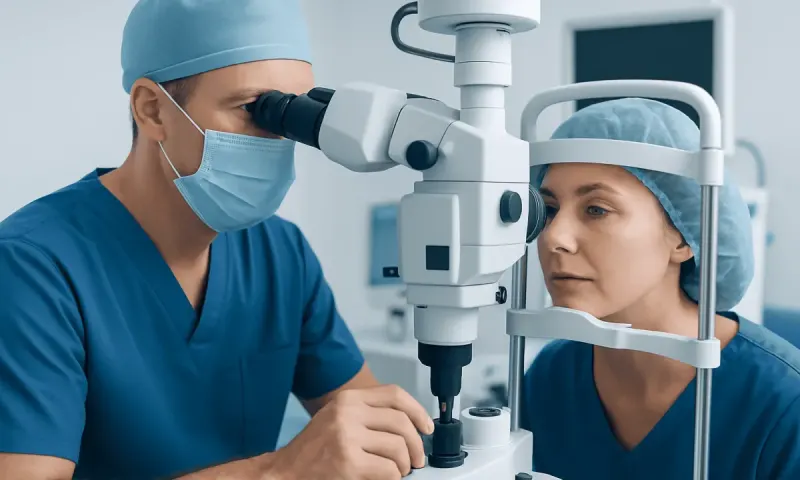
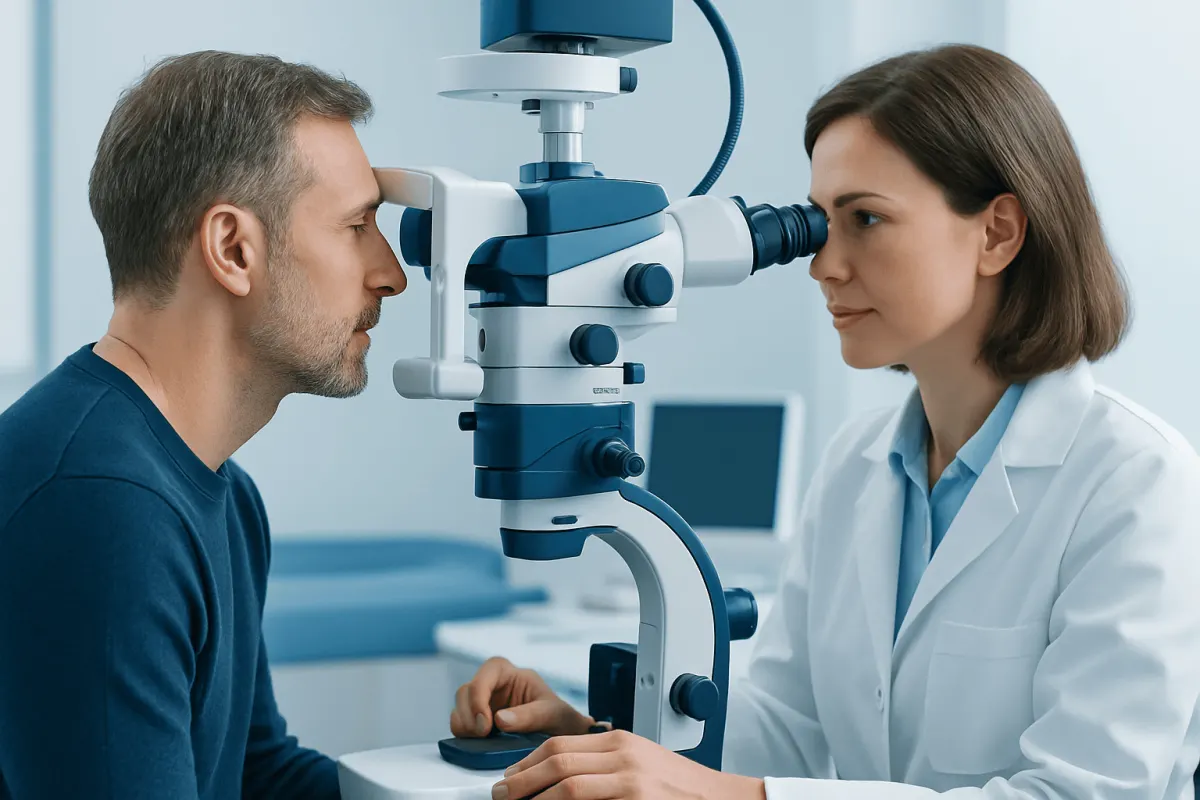
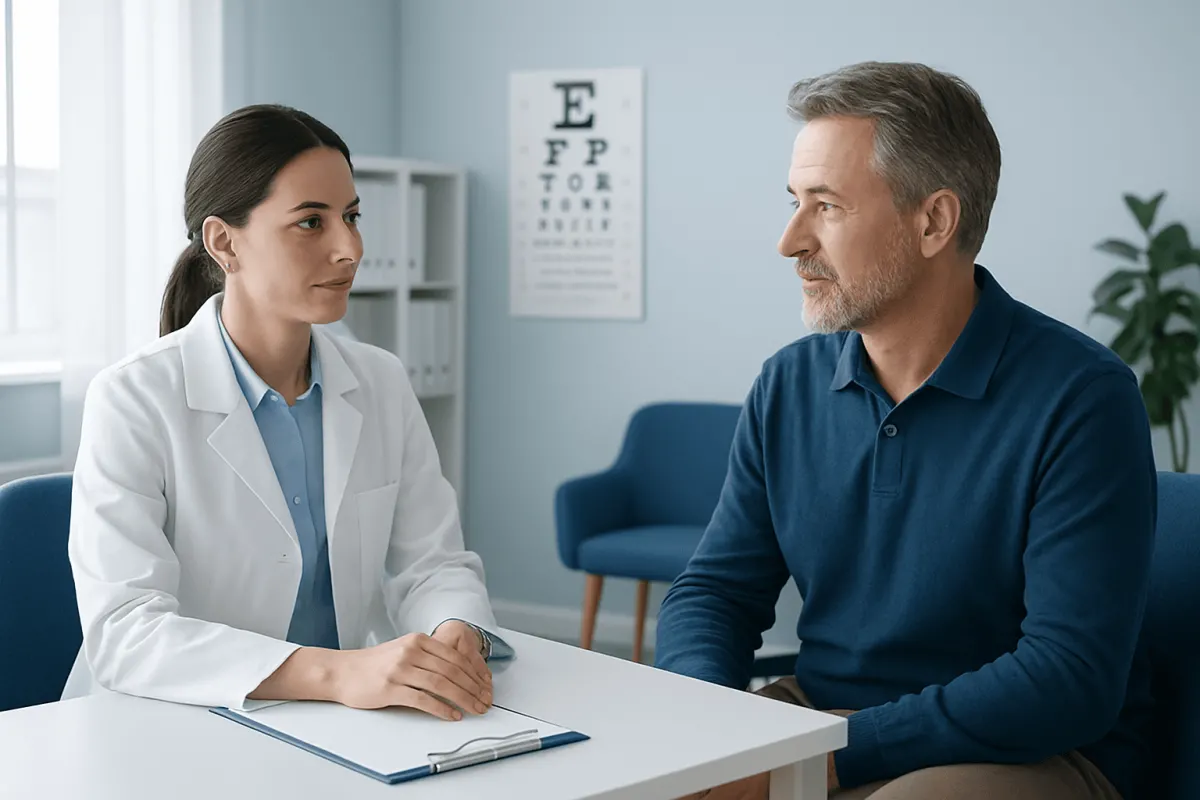
An ophthalmologist or optometrist starts by checking visual acuity, refractive error, eye health and the contribution of presbyopia to near-vision symptoms. The assessment may also include tests of eye alignment, tear film quality and binocular vision. These steps help identify factors that could affect comfort or visual outcomes.
A monovision contact lens trial is often recommended before a permanent procedure. The lenses are worn during normal activities for a sufficient period to assess practical vision, not only vision-chart results. It is useful to test driving, using digital screens, reading, shopping, exercise and work tasks where possible.
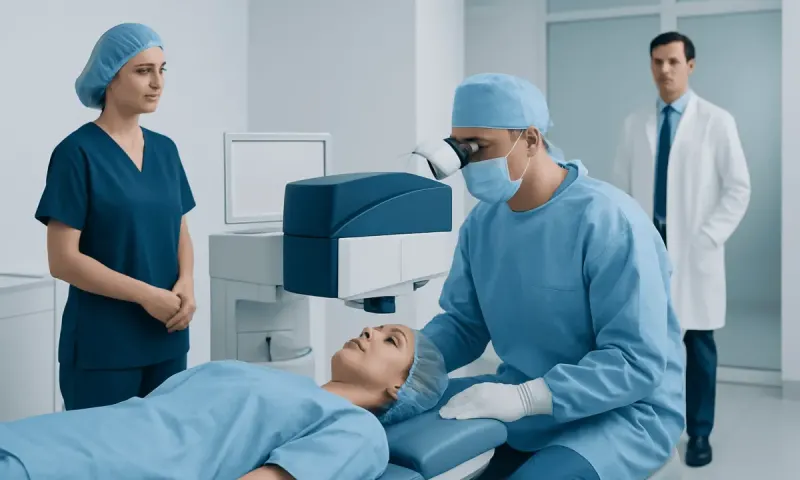
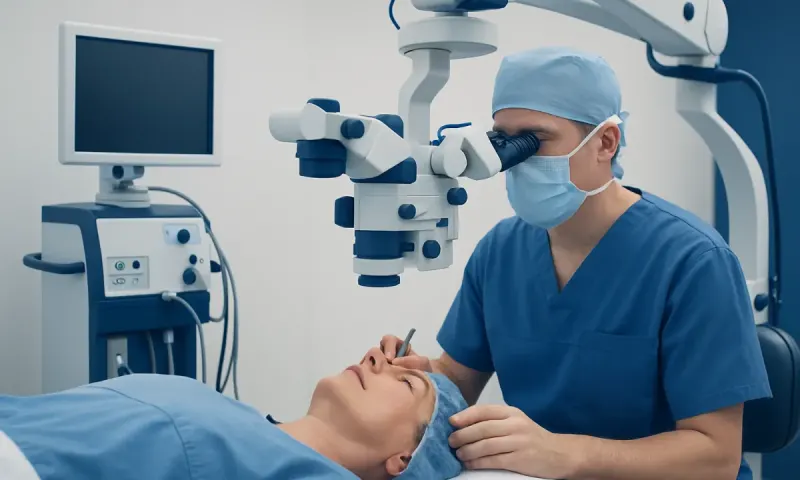
If a person is satisfied with the trial and is suitable for surgical correction, the clinician may discuss options such as laser vision correction or refractive lens exchange. Lens replacement may be considered in selected adults, particularly when changes in the natural lens are already affecting vision. Decisions should be individualized, as every procedure has potential benefits, limitations and risks.
People who do not adapt to monovision can usually return to their previous correction with contact lenses or glasses. This reversibility is one reason a trial is so important. Surgery is not required to use monovision, and non-surgical options remain appropriate for many people.
Self-care, Follow-up and When to Seek Advice
People using monovision should attend regular eye examinations, particularly if they have diabetes, high blood pressure, a family history of eye disease or an existing eye condition. Contact lens wearers should follow hygiene and replacement guidance carefully, avoid sleeping in lenses unless specifically advised, and seek care promptly if they develop pain, redness, light sensitivity or a sudden change in vision.
Good lighting can improve reading comfort, and lubricating eye drops may be recommended for dry-eye symptoms when appropriate. Keeping backup glasses available is sensible for demanding tasks, night driving, detailed hobbies or times when the eyes feel tired. Avoid changing contact lens prescriptions without professional advice.
A prompt eye assessment is important for sudden vision loss, flashes of light, a new shower of floaters, severe eye pain, marked redness or new double vision. These symptoms are not expected effects of monovision and may indicate an urgent eye problem.
Acıbadem Health Point’s multidisciplinary specialists and JCI-accredited hospitals assess presbyopia and provide individualized vision-correction options for international patients. A qualified ophthalmologist can help determine whether monovision, glasses, contact lenses or another approach best supports a person’s visual needs.
Frequently asked questions
01Can monovision completely replace reading glasses?
For some people, monovision greatly reduces the need for reading glasses during everyday tasks. However, many still prefer glasses for very small print, prolonged close work, dim lighting or tasks requiring maximum clarity. The goal is practical visual independence rather than perfect vision at every distance.
02How long does it take to adapt to monovision?
Adaptation varies. Some people feel comfortable within days, while others need several weeks to determine whether the arrangement works well for daily life. If discomfort, headaches or functional difficulty persist, an eye care professional can adjust the correction or discuss alternatives.
03Is a contact lens trial necessary before monovision LASIK?
A contact lens trial is commonly recommended before permanent monovision laser correction. It allows the person to experience the visual trade-offs in daily settings and helps the clinician judge whether the chosen prescription is appropriate. A successful trial does not remove all surgical risks, but it supports informed decision-making.
04Does monovision affect night driving?
It can affect night driving for some people because of reduced contrast sensitivity, glare sensitivity or reduced depth perception. Anyone who drives frequently at night should specifically test night vision during a contact lens trial. Backup glasses may be useful in challenging conditions.
05Can monovision be used if a person has astigmatism?
It may be possible, depending on the amount and type of astigmatism and the correction method being used. Toric contact lenses or refractive procedures can sometimes address astigmatism while creating monovision. A detailed eye examination is needed to determine suitability.
06Is monovision suitable after cataract surgery?
In selected patients, cataract surgery can be planned to provide monovision with intraocular lenses. This requires careful discussion because the lens choice is intended to be long-lasting and may affect depth perception and night vision. A prior successful monovision contact lens experience can be helpful, but individual assessment is essential.
This article is for general information only and is not a substitute for professional medical advice. Please consult a qualified doctor about your individual situation.
Explore treatments in Turkey — costs, top hospitals & a free quote
JCI-accredited · board-certified surgeons · reply within 24h
Add us as a Preferred Source to see more of our trusted health content across Google Search, AI Overviews and Discover.