Mononeuropathy: Recognizing Single-Nerve Damage
Mononeuropathy is a disorder caused by injury, compression, inflammation, or disease affecting one peripheral nerve. Identifying the involved nerve and the underlying cause early can help guide treatment, protect function, and support the best possible recovery.
Mononeuropathy: an overview
Mononeuropathy is damage or dysfunction of a single peripheral nerve. Peripheral nerves carry messages between the brain and spinal cord and the rest of the body, including the skin, muscles, and internal organs. When one nerve is affected, symptoms usually follow the specific area of the body served by that nerve.
The condition may develop after prolonged pressure on a nerve, an injury, repetitive movement, inflammation, surgery, or a medical condition that makes nerves more vulnerable. Carpal tunnel syndrome, involving compression of the median nerve at the wrist, is one familiar example. Other examples include ulnar neuropathy at the elbow, radial nerve palsy in the arm, and peroneal neuropathy near the knee.
Mononeuropathy is different from polyneuropathy, in which multiple nerves are affected, often beginning in both feet or hands. It is also distinct from radiculopathy, where a nerve root is irritated or compressed as it leaves the spine. These conditions can cause similar sensations, so a careful clinical assessment is important.
Symptoms and how they may feel
Symptoms vary according to the nerve involved and whether it has sensory, motor, or mixed functions. Sensory symptoms may include numbness, reduced sensation, tingling, pins and needles, burning, electric-shock-like pain, or unusual sensitivity to touch. They are often limited to a recognizable pattern, such as specific fingers, part of a hand, the outer lower leg, or the sole of the foot.
When a motor nerve or motor fibers are affected, a person may notice weakness, reduced grip, clumsiness, tripping, difficulty lifting the front of the foot, or trouble with precise movements. In more longstanding cases, the muscles supplied by the nerve can become smaller because they are not receiving normal nerve signals.
Symptoms can begin suddenly after an injury or develop gradually with repeated pressure or movement. Some people notice symptoms more at night, when leaning on an elbow, crossing the legs, using vibrating tools, or holding the wrist in a bent position. Pain or numbness alone does not determine the seriousness of nerve damage; the pattern, progression, and presence of weakness also matter.
- Median nerve: tingling or numbness in the thumb, index, middle, and part of the ring finger.
- Ulnar nerve: symptoms in the little finger and part of the ring finger, sometimes with hand weakness.
- Peroneal nerve: difficulty lifting the foot or toes, sometimes called foot drop.
- Facial nerve: weakness on one side of the face, difficulty closing an eye, or altered facial movement.
Causes and factors that can increase risk

Compression is a common cause of mononeuropathy. A nerve may be squeezed as it travels through a narrow anatomical space, passes close to bone, or is placed under pressure for a long time. Examples include resting the elbows on hard surfaces, prolonged squatting or leg crossing, wearing a tight cast or brace, and maintaining an awkward position during sleep, work, or recovery from illness.
Direct trauma can stretch, bruise, cut, or crush a nerve. Fractures, joint dislocations, deep wounds, burns, and surgical procedures may occasionally affect nearby nerves. Repetitive motions, such as forceful gripping, frequent wrist bending, or repeated overhead activity, can contribute when they repeatedly irritate a vulnerable nerve.
Some health conditions increase the likelihood of nerve injury or slow recovery. Diabetes, thyroid disorders, kidney disease, autoimmune and inflammatory conditions, nutritional deficiencies, certain infections, and alcohol-related nerve injury can all affect nerve health. Tumors, cysts, enlarged blood vessels, or scar tissue may rarely place pressure on a nerve and need to be considered when symptoms are unusual, progressive, or unexplained.
Not every case has one clear cause. In these situations, clinicians consider the symptom pattern, occupational and activity history, medications, prior injuries, and general health to determine whether observation, further testing, or treatment is most appropriate.
How mononeuropathy is diagnosed
Diagnosis begins with a medical history and neurological examination. A clinician will ask when symptoms began, whether they followed an injury or activity, where they are felt, and whether they are getting worse. The examination may assess muscle strength, reflexes, sensation, coordination, hand function, walking, and positions that reproduce symptoms.
An important goal is to locate the problem accurately. For example, numbness in the hand may arise from a nerve at the wrist, elbow, shoulder, neck, or less commonly the brain. The distribution of symptoms and examination findings often help distinguish between these possibilities.
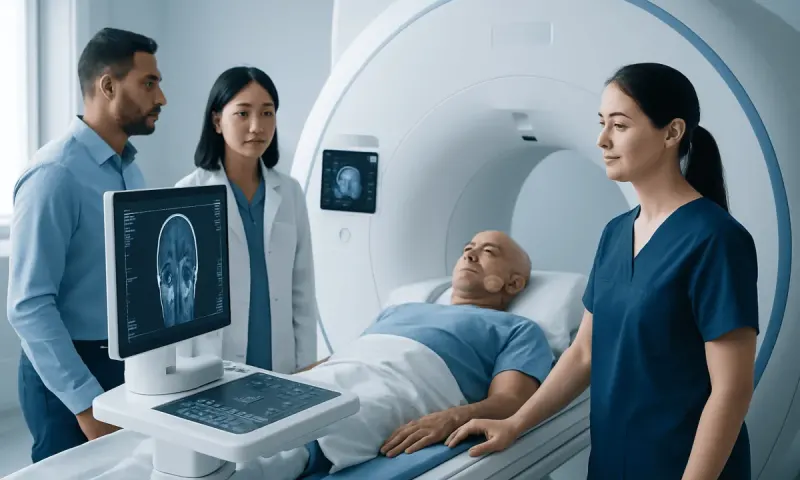
Nerve conduction studies and electromyography, often called EMG, can measure how well electrical signals travel through nerves and muscles. These tests may identify the affected nerve, show whether there is compression or loss of nerve fibers, and help estimate severity. They can also help separate mononeuropathy from nerve root disorders, muscle diseases, or more widespread neuropathy.
Depending on the situation, blood tests may look for metabolic, nutritional, inflammatory, or endocrine causes. Ultrasound or MRI may be useful when a structural source of compression is suspected, such as a cyst, mass, tendon problem, spinal condition, or injury near the nerve. Testing is selected individually; not everyone needs every investigation.
Modern treatment approaches
Treatment is based on the cause, the nerve involved, symptom severity, and whether weakness or ongoing nerve injury is present. For mild compression-related mononeuropathy, reducing pressure on the nerve is often the first step. This may involve changing work or exercise technique, avoiding prolonged positions, using supportive padding, or temporarily modifying activities that trigger symptoms.
Splints or braces can sometimes keep a joint in a position that reduces nerve irritation, particularly during sleep or repetitive activity. Physical and occupational therapy may help improve posture, flexibility, nerve mobility, strength, and function. Therapists can also suggest practical adaptations for work, computer use, lifting, sports, and daily tasks.
Medicines may be considered to manage nerve-related pain or to treat an underlying inflammatory or medical condition. The choice depends on a person’s symptoms, other health conditions, and possible side effects. Pain medicines can improve comfort, but they do not remove a mechanical compression or repair a severely injured nerve, so follow-up remains important.
When a nerve is significantly compressed, symptoms persist despite conservative care, weakness progresses, or imaging identifies a structure pressing on the nerve, a specialist may discuss a procedure to release or repair the nerve. Surgery is not required for every case. Its purpose, when appropriate, is to relieve ongoing pressure, address a treatable injury, or prevent further loss of function.
Recovery, outlook, and protecting nerve function
The outlook for mononeuropathy is often favorable, especially when the cause is identified early and pressure or injury is addressed. Mild nerve compression may improve over weeks to months. Recovery can take longer if the nerve has been severely compressed, stretched, or injured because peripheral nerves heal slowly and muscles need time to regain strength.
Symptoms may improve before testing results fully normalize, or weakness may recover more gradually than pain and tingling. Regular review helps the clinician track changes in sensation, strength, and function. If symptoms are not improving as expected, the diagnosis or treatment plan may need to be reconsidered.
Protecting an area with reduced sensation is important. A person may not notice heat, sharp objects, tight footwear, or repeated pressure as easily as usual. Checking the skin, using appropriate protective equipment, taking regular movement breaks, and avoiding positions that repeatedly compress the affected area can reduce additional injury.
Managing related health conditions also supports nerve health. This can include maintaining recommended blood glucose levels in diabetes, addressing thyroid or nutritional concerns, limiting alcohol when advised, and discussing medication side effects with a qualified clinician. Acıbadem Health Point’s multidisciplinary specialists and JCI-accredited hospitals diagnose and treat nerve conditions for international patients when Stroke Specialist Evaluation: What to Expect at Your First Vascular Neurology Visit" class="ahp-ilk">specialist evaluation is needed.
When to seek medical care
Medical assessment is advisable for numbness, tingling, burning pain, or weakness that persists, repeatedly returns, affects daily activities, or has no clear explanation. An early review is particularly useful when symptoms involve loss of grip, frequent dropping of objects, changes in walking, foot drop, or visible muscle thinning.
Urgent medical care is needed for sudden weakness of the face, arm, or leg; new difficulty speaking; confusion; sudden severe headache; loss of balance; or sudden vision changes. These symptoms can have causes other than mononeuropathy and may require emergency evaluation. Sudden weakness after a significant injury, or numbness with a cold, pale, or painful limb, should also be assessed promptly.
A person should contact a clinician soon if symptoms steadily worsen, pain disrupts sleep despite simple measures, or a splint, cast, brace, or swelling appears to be causing numbness or weakness. People with diabetes, immune disorders, kidney disease, or a history of cancer should mention new focal nerve symptoms to their healthcare team.
Frequently asked questions
01Is mononeuropathy permanent?
Mononeuropathy is not always permanent. Many cases improve when pressure on the nerve is relieved or the underlying cause is treated. Recovery depends on the type and severity of nerve injury, how long it has been present, and whether muscle weakness has developed.
02What is the difference between mononeuropathy and peripheral neuropathy?
Mononeuropathy affects one peripheral nerve, usually producing symptoms in a localized and recognizable pattern. Peripheral neuropathy is a broader term that may include damage to one nerve or many nerves. Polyneuropathy specifically refers to widespread involvement of multiple peripheral nerves.
03Can mononeuropathy cause weakness without pain?
Yes. A nerve that mainly supplies muscles may cause weakness, clumsiness, or reduced movement with little or no pain. Because weakness can indicate significant nerve dysfunction, it should be medically assessed, particularly if it is new or worsening.
04How long does it take for a compressed nerve to heal?
The timeline varies widely. Mild compression may settle within several weeks after pressure is reduced, while more substantial nerve injury may take months to improve. A clinician can provide a more individualized outlook based on examination findings and, when needed, nerve testing.
05Can exercise help mononeuropathy?
Appropriate exercise and therapy can support mobility, posture, strength, and return to daily activities. However, exercises that reproduce pain, tingling, or weakness may aggravate nerve irritation. A physiotherapist or clinician can recommend an activity plan suited to the affected nerve and cause.
06Can diabetes cause mononeuropathy?
Yes. Diabetes can increase the risk of focal nerve injuries as well as more generalized neuropathy. Managing blood glucose and other aspects of overall health is important, while new focal symptoms should still be evaluated because compression or another treatable cause may also be present.
This article is for general information only and is not a substitute for professional medical advice. Please consult a qualified doctor about your individual situation.
Joint and spine care in Turkey — expert assessment & treatment
JCI-accredited · board-certified surgeons · reply within 24h
Add us as a Preferred Source to see more of our trusted health content across Google Search, AI Overviews and Discover.