What Is a Plexus? Nerve and Blood Vessel Networks
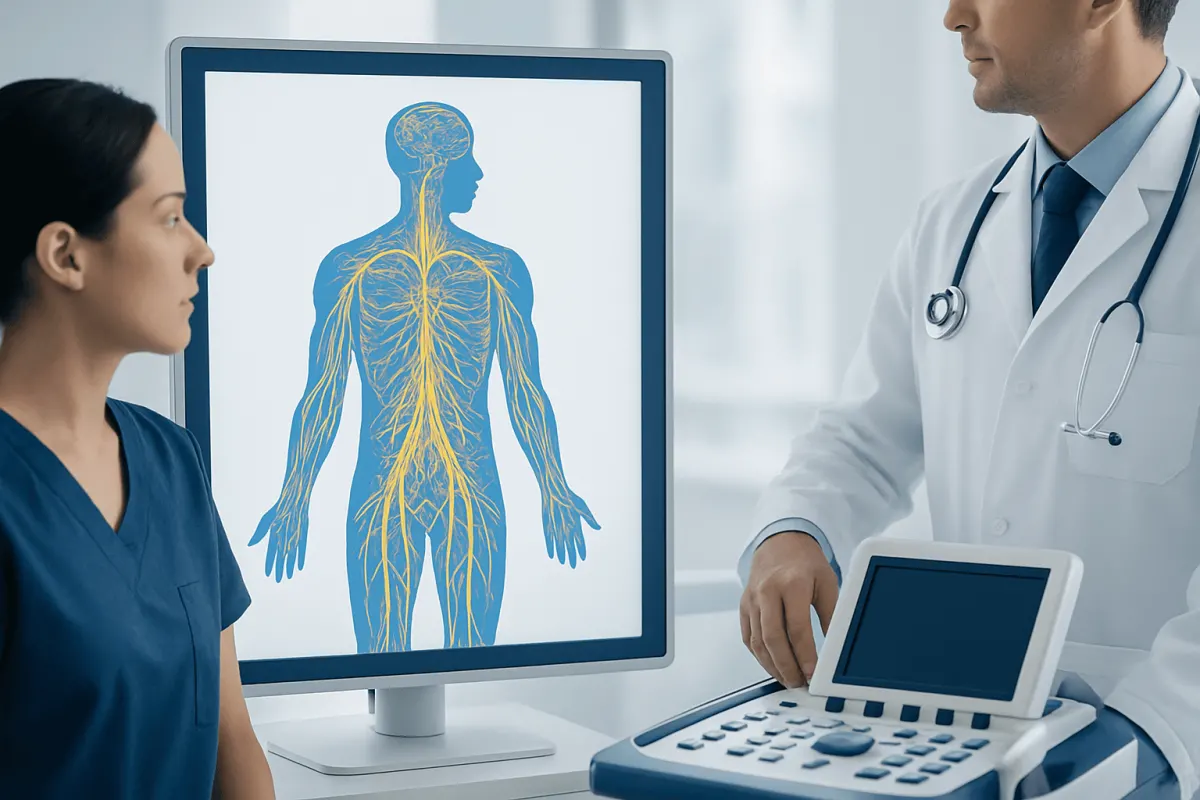
A plexus is a network in the body, most often referring to an interwoven group of nerves that carries signals between the spinal cord and different body areas. The term itself does not mean disease, and many questions about a plexus relate to normal anatomy; however, new weakness, numbness, severe pain, or symptoms after an injury should be medically assessed.
What does plexus mean?
What is plexus? Plexus is a medical term meaning a network or interlacing arrangement of structures. In many healthcare conversations, it refers to a nerve plexus: a group of nerves that meet, divide and reconnect before traveling to muscles, skin and internal organs. This arrangement helps the nervous system coordinate movement, sensation and some automatic body functions.
Having a plexus is normal. It is part of ordinary anatomy, not a diagnosis. A clinician may use the term while explaining where symptoms may originate, such as “brachial plexus” for a nerve network near the neck and shoulder. The word may also describe networks of blood vessels or veins, such as the venous plexuses found in several regions of the body.
Most people do not notice their nerve plexuses. Symptoms become relevant when a nerve network or a nerve branch is under pressure, stretched, inflamed or damaged. The type and location of symptoms depend on which plexus is involved and how severely nerve signals are affected.
The main nerve plexuses in the body
Nerve roots leave the spinal cord and, in several areas, join with neighboring roots to form plexuses. From these networks, named peripheral nerves continue toward the arms, trunk, pelvis and legs. This organization provides more than one spinal nerve contribution to many muscles and skin areas.
- Cervical plexus: located in the upper neck. It supplies parts of the neck and contributes to the phrenic nerve, which is important for diaphragm function and breathing.
- Brachial plexus: located between the neck and shoulder. It gives rise to nerves that control sensation and movement in the shoulder, arm, wrist and hand.
- Lumbar plexus: located in the lower back region. It supplies parts of the lower abdomen, hip and front of the thigh.
- Sacral plexus: located in the pelvis. It contributes to nerves serving the buttock, back of the thigh, lower leg and foot, including the sciatic nerve.
There are also smaller nerve networks in other locations. In addition, the autonomic nervous system contains plexuses that help regulate involuntary functions, including activity in the digestive tract and pelvic organs. The meaning of “plexus” is therefore best understood in the context of the body area being discussed.
Why can a plexus cause symptoms?

A nerve plexus can be affected when its nerve fibers are irritated or unable to transmit signals normally. This may produce pain, tingling, numbness, burning sensations, weakness or changes in reflexes. Symptoms can range from temporary and mild to more persistent, depending on the cause.
Common mechanisms include stretching during an accident or difficult positioning, direct injury, repetitive strain, swelling around the nerves, inflammation, pressure from nearby structures, or complications related to surgery or radiation therapy. Some medical conditions, including diabetes and autoimmune or inflammatory disorders, can also affect nerves. Less commonly, an infection, cyst, blood collection or tumor may press on a nerve network.
Symptoms do not always arise from the plexus itself. A pinched nerve root in the spine, a single peripheral nerve problem, muscle or joint conditions, and circulation problems can cause similar complaints. For example, arm tingling may relate to the neck, shoulder, elbow, wrist or nerves of the brachial plexus. This is why a clinical assessment is important when symptoms are ongoing, recurrent or affecting function.
Possible symptoms by body area
The pattern of symptoms can offer useful clues, but it cannot confirm the cause without an examination. Affected nerves may cause sensory symptoms, motor symptoms, or both. Pain may be sharp, aching, electric, burning or shooting, and it may travel along an arm or leg.
Problems involving the brachial plexus can cause pain around the neck, collarbone, shoulder or arm, as well as hand or arm numbness and weakness. A person may find it harder to lift the arm, grip objects or perform fine hand movements. Brachial plexus injury is one possible cause of these symptoms, particularly after traction or impact to the shoulder and neck.
Lumbar or sacral plexus involvement may lead to pain, altered sensation or weakness in the hip, thigh, lower leg or foot. Depending on the nerves involved, a person may have trouble rising from a chair, climbing stairs, walking steadily, or lifting the front of the foot. New bowel or bladder changes together with leg weakness or numbness are not typical symptoms to manage at home and need urgent assessment.
When to seek medical care
Many brief episodes of tingling, such as an arm or leg “falling asleep” after pressure from an awkward position, improve when the pressure is relieved. It is sensible to arrange a medical review if pain, numbness, tingling or weakness persists, returns frequently, spreads, disturbs sleep, or interferes with work, walking, hand use or daily activities.
Urgent medical care is needed after a significant fall, road traffic collision, sports injury or other trauma followed by severe neck, shoulder, arm or leg pain; loss of movement; marked weakness; or reduced sensation. Emergency evaluation is also important for sudden one-sided weakness, facial drooping, speech difficulty, new severe headache, chest pain, shortness of breath, or symptoms that may suggest a stroke or other emergency.
Prompt assessment is particularly important for progressive weakness, loss of coordination, fever with severe pain, unexplained weight loss, a growing lump, or new trouble controlling the bladder or bowel. If an injury is suspected, avoiding forceful stretching, massage or attempts to “put something back in place” can help prevent further irritation while medical advice is obtained.
How doctors assess a possible plexus problem
A doctor begins by asking when symptoms started, whether there was an injury or recent illness, and how the symptoms have changed. They may ask about work activities, sports, past surgery, cancer treatment, diabetes, medications and other health conditions. Describing exactly where symptoms begin, where they travel and what makes them better or worse can be helpful.
The physical examination usually includes checking posture, neck and limb movement, muscle strength, reflexes, coordination and sensation. The clinician may also assess pulses, skin color and swelling to look for signs that could point to a blood-vessel problem rather than a nerve disorder.
Tests are selected based on the individual situation. These may include X-rays for suspected bone injury, MRI or ultrasound to examine soft tissues and nerve pathways, and nerve conduction studies with electromyography to evaluate electrical nerve and muscle function. Blood tests may be considered when metabolic, inflammatory or infectious contributors are possible. These investigations help distinguish a plexus condition from spinal, joint or single-nerve conditions and guide an appropriate care plan.
Treatment, recovery and self-care
Treatment depends on the underlying cause, the nerves affected and the degree of functional change. Mild irritation or compression may improve with activity modification, rest from aggravating movements and a structured rehabilitation plan. A clinician may recommend pain-relief approaches or other medicines when appropriate, while taking account of a person’s overall health and other treatments.
Physical therapy or occupational therapy may help preserve joint movement, strengthen muscles safely, improve posture and support a return to work, sport or daily tasks. Physical therapy and rehabilitation can also provide guidance on protecting an arm or leg while nerves recover. Recovery can be gradual because nerves heal slowly, and follow-up is useful when symptoms do not improve as expected.
Some injuries or structural causes require specialist management. This may include treatment for a fracture or dislocation, management of a mass pressing on nerves, or surgery to repair or reconstruct severely injured nerves in selected cases. Acıbadem Health Point’s multidisciplinary specialists and JCI-accredited hospitals assess and treat nerve-related conditions for international patients. Any treatment decision should follow an individualized discussion with a qualified clinician.
Reducing avoidable nerve strain
Not every plexus problem can be prevented, especially when it follows an accident or an underlying medical condition. However, maintaining good posture, varying repetitive tasks, using suitable workstation setup and taking regular movement breaks may reduce prolonged pressure on the neck, shoulders, wrists, hips and lower back.
During exercise or manual work, gradual training progression, appropriate technique and protective equipment can lower the risk of some injuries. It is also useful to address conditions that can affect nerve health, such as diabetes, with support from a healthcare professional. Avoiding tobacco and maintaining balanced nutrition can support general circulation and nerve health.
Persistent symptoms should not be ignored or self-diagnosed as a plexus issue. Early assessment can identify treatable causes and help protect muscle strength and everyday function. A clinician can advise whether observation, rehabilitation, further testing or specialist referral is the most appropriate next step.
Frequently asked questions
01Is a plexus a nerve?
A plexus is usually a network of nerves rather than one individual nerve. Nerves entering the network divide and combine before continuing as nerves that serve specific body regions. The term can also describe networks of blood vessels or other structures.
02What is the most common plexus people refer to?
The brachial plexus is commonly discussed because it supplies the shoulder, arm and hand. It is located between the neck and shoulder. Symptoms in this region can have several causes, so an evaluation is needed to determine whether the brachial plexus is involved.
03Can a plexus injury heal on its own?
Some mild nerve stretching or compression injuries improve with time and appropriate rehabilitation. More severe injuries, especially those involving nerve tearing or persistent loss of strength, may need specialist assessment and sometimes procedural treatment. Recovery varies according to the type and extent of nerve damage.
04What does brachial plexus pain feel like?
It may feel like aching, burning, shooting or electric pain in the neck, shoulder, arm or hand. Tingling, numbness and weakness can occur as well. These symptoms can also arise from the spine, joints or individual nerves, so they should not be assumed to have one cause.
05How is a plexus problem diagnosed?
Diagnosis starts with a medical history and examination of sensation, strength, reflexes and movement. Depending on the findings, a doctor may request imaging such as MRI or ultrasound, or nerve conduction studies and electromyography. Tests help locate the affected area and identify possible causes.
06When is numbness or weakness an emergency?
Emergency assessment is needed for sudden weakness, difficulty speaking, facial drooping, severe symptoms after major trauma, or breathing difficulty. Urgent care is also important for new bowel or bladder control problems with leg weakness or numbness. These symptoms can indicate conditions that need prompt treatment.
This article is for general information only and is not a substitute for professional medical advice. Please consult a qualified doctor about your individual situation.
Joint and spine care in Turkey — expert assessment & treatment
JCI-accredited · board-certified surgeons · reply within 24h
Add us as a Preferred Source to see more of our trusted health content across Google Search, AI Overviews and Discover.