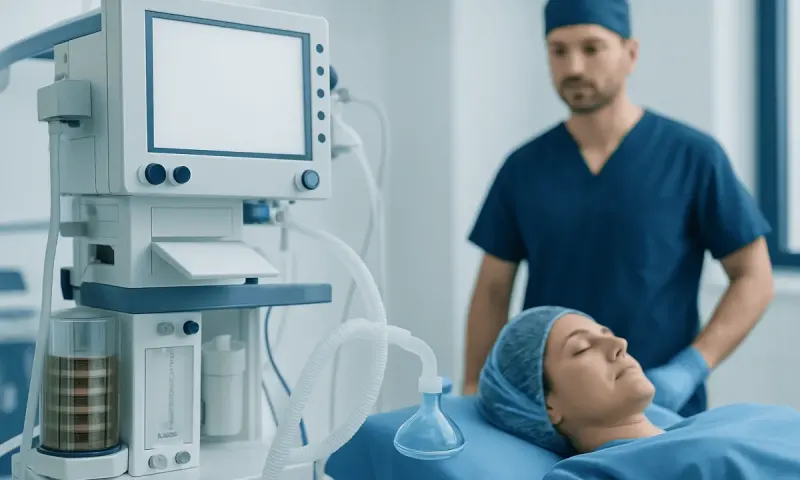
Mini Tummy Tuck Cost in the UK: What Affects It

Mini tummy tuck cost UK is not one fixed figure because the final quote depends on the surgical plan, anaesthesia, hospital facilities, aftercare and whether additional procedures are needed. A consultation with a qualified plastic surgeon is the safest way to understand what is included and whether mini abdominoplasty is appropriate for the patient’s goals.
Mini tummy tuck cost UK: what patients should know
Mini tummy tuck cost UK varies from one patient to another. The total usually reflects the surgeon’s expertise, the complexity of the planned operation, anaesthesia, hospital or surgical-facility fees, pre-operative assessments, garments, medications, follow-up care and the length of any required stay. For this reason, a personal assessment and an itemised written quote are more useful than a single online price.
A mini tummy tuck is an elective body-contouring operation, also known as mini abdominoplasty. It is designed mainly to improve loose lower-abdominal skin and a small amount of excess fat below the belly button. It is not a weight-loss procedure, and it does not treat all causes of abdominal fullness.
Patients considering surgery abroad should also plan for travel, accommodation, time away from work, insurance and the practicalities of follow-up care after returning home. Comparing what is included in each proposal, rather than comparing a headline number alone, can help patients make a more informed decision.
How a mini tummy tuck works
During mini abdominoplasty, the surgeon makes a low horizontal incision, often positioned where it can be covered by underwear or swimwear. Through this incision, they remove a limited amount of loose skin from the lower abdomen and may reshape the underlying fatty tissue. Liposuction may be considered for selected patients, but it is not necessary or suitable for everyone.
In some cases, the surgeon may tighten the lower portion of the abdominal wall. Unlike a full tummy tuck, a mini procedure usually does not require moving the belly button and generally addresses a smaller area. The exact approach depends on skin quality, the degree and location of tissue laxity, muscle separation and the patient’s desired outcome.
It is important to understand that surgery improves contour rather than creating perfection or preventing future body changes. Pregnancy, substantial weight changes and natural skin ageing can alter the result over time. A consultation for abdominoplasty treatment can clarify whether a mini or full approach best matches the patient’s anatomy and goals.
What is the average cost of a mini tummy tuck in the UK?

There is no reliable single average that applies to every mini tummy tuck in the UK. Quotes can differ because private hospitals and clinics have different fee structures, and a patient’s procedure may range from a straightforward skin-tightening operation to a more involved plan requiring liposuction, muscle repair, additional monitoring or an overnight stay.
Patients should ask whether a quotation includes the surgeon’s fee, anaesthetist’s fee, theatre and hospital charges, pre-operative tests, compression garments, prescribed medicines, post-operative appointments and potential revision-policy details. They should also ask whether any costs could change if the planned procedure needs to be adjusted for safety during surgery.
Choosing care based only on cost can overlook important considerations. A properly qualified plastic surgeon, an appropriate accredited facility, clear consent discussions and accessible aftercare are central parts of safe surgical planning. Patients should allow time to review the quote, understand exclusions and consider whether they can manage recovery support at home.
Who is a good candidate for a mini tummy tuck?
A good candidate generally has mild to moderate loose skin or stubborn fullness concentrated below the navel, is close to a stable weight and has realistic expectations. Many people seek this procedure after pregnancy or gradual weight changes when lower-abdominal skin does not respond to nutrition, exercise or strength training.
Good general health is important. The surgeon will review medical conditions, previous abdominal operations, medicines, allergies, smoking or nicotine use, blood-clotting risk and plans for future pregnancy. Nicotine can impair wound healing, so surgeons commonly require patients to stop smoking and avoid nicotine products for a specified period before and after surgery.
A mini tummy tuck may be less suitable when there is substantial loose skin above the belly button, marked muscle separation or a need for extensive contouring around the abdomen and flanks. In these situations, a full abdominoplasty or a non-surgical strategy may be discussed. The best recommendation follows an in-person examination rather than photographs alone.
Step by step: procedure, benefits and limits
Before surgery, the patient has a consultation, medical review and consent discussion. The surgeon examines the abdomen, discusses scars and expected changes, takes clinical photographs where appropriate and explains preparation instructions. The operation is usually performed under anaesthesia in a properly equipped surgical setting.
On the day of surgery, the surgeon marks the planned incision and contour areas. After anaesthesia, they make the incision, remove or reshape the relevant tissue, and tighten lower abdominal tissues when indicated. Drains may occasionally be used to reduce fluid accumulation. The incision is closed, dressings and a supportive garment are applied, and the patient is monitored during early recovery.
Potential benefits include a smoother lower-abdominal contour, reduced skin overhang and improved comfort in clothing for appropriate candidates. The procedure leaves a permanent scar, although it often fades over time, and it cannot guarantee symmetry or remove stretch marks outside the area of skin removed. A stable lifestyle helps maintain the result.
How painful is a mini tummy tuck?
Most patients experience soreness, tightness, swelling and bruising rather than uncontrolled pain. Discomfort is often most noticeable during the first several days, especially when standing upright, coughing, laughing or getting in and out of bed. The intensity varies with the extent of surgery, individual pain sensitivity and whether muscle tightening was performed.
The surgical team provides a personalised pain-management plan, which may include prescribed and non-prescription options when clinically appropriate. Patients should take medicines only as directed and should tell their team if pain is worsening, not controlled or accompanied by other concerning symptoms.
Gentle walking is commonly encouraged soon after surgery to support circulation, while heavy lifting, strenuous exercise and abdominal strain are restricted for a period set by the surgeon. Practical help at home during the early recovery phase can make movement, meals and childcare easier.
Recovery timeline, risks and self-care
Recovery is individual, but most people need time away from demanding work and normal exercise. Early swelling and a feeling of tightness are expected. Many patients can do light walking soon after surgery, while driving, lifting, gym activity and more vigorous movement should resume only after the surgeon confirms that healing is progressing safely.
Swelling usually improves gradually over weeks, and scars mature over many months. Wearing a compression garment if advised, attending follow-up appointments, keeping the incision clean and dry as instructed, eating a balanced diet and avoiding nicotine can all support recovery. Sun protection is also important for a healing scar.
Risks include bleeding, infection, delayed wound healing, fluid collection, altered skin sensation, uneven contour, unfavourable scarring, anaesthesia reactions and blood clots. The surgeon reduces risk through careful assessment and technique, but no operation is risk-free. Acıbadem Health Point’s multidisciplinary specialists and JCI-accredited hospitals support assessment and treatment planning for international patients considering abdominal Neck Contouring Surgery: What to Expect Before, During, and After" class="ahp-ilk">contouring surgery.
Is mini abdominoplasty worth it? When to seek medical care
Whether mini abdominoplasty is worth it depends on the patient’s specific concern, priorities, tolerance for a scar and recovery period, budget, and expectations. It can be worthwhile for someone with localised lower-abdominal skin laxity who wants a surgical improvement after maintaining a stable weight. It is less likely to feel worthwhile if the patient expects weight loss, removal of all stretch marks or a result that will remain unchanged after future pregnancy or major weight fluctuations.
Patients should seek urgent medical advice after surgery for chest pain, shortness of breath, fainting, coughing blood, one-sided leg swelling or pain, heavy bleeding, rapidly increasing abdominal swelling, a high fever, worsening redness, pus-like drainage or severe pain that is not improving. These symptoms can have different causes but need prompt assessment.
Before arranging elective surgery, a patient should speak with a qualified plastic surgeon about their health history, desired result and recovery circumstances. They should also contact the surgical team promptly with any concern about the incision, dressings, medication side effects or unexpected changes during recovery.
Frequently asked questions
01Is mini abdominoplasty worth it?
Mini abdominoplasty may be worthwhile for people with limited loose skin and excess tissue below the navel who want a more defined lower-abdominal contour. Its value depends on realistic expectations, willingness to accept a scar and recovery period, and whether the procedure addresses the person’s actual concern. A consultation helps determine whether a mini or full tummy tuck is more appropriate.
02What is the average cost of a mini tummy tuck in the UK?
A single average cost is not dependable because the final price depends on the surgeon, facility, anaesthesia, complexity of surgery, aftercare and any additional procedures. Patients should request a written, itemised quote that explains what is included and excluded. They should also budget for time off work and any travel or recovery support needed.
03Who is a good candidate for a mini tummy tuck?
Suitable candidates are usually in good general health, close to a stable weight and concerned mainly about loose skin or limited excess tissue below the belly button. They should be non-smokers or able to stop nicotine use as advised, and they should have realistic expectations. An examination is needed to assess skin laxity, abdominal muscles and prior scars.
04How painful is a mini tummy tuck?
Pain is usually described as soreness, tightness and tenderness, particularly during the first few days. The degree of discomfort differs between individuals and can be greater if muscle tightening is included. A clinician provides a tailored pain-management plan and instructions for safe movement during healing.
05How long does recovery from a mini tummy tuck take?
Initial recovery commonly requires a period of reduced activity, with gradual return to work and daily routines depending on the nature of the job and the surgeon’s advice. Swelling can take weeks to settle, while scars continue to mature for many months. Heavy lifting and strenuous exercise should wait until the surgeon clears the patient.
06Can a mini tummy tuck remove stretch marks?
A mini tummy tuck can remove stretch marks only when they are located on the portion of lower-abdominal skin that is excised. Stretch marks above the belly button or outside the removed skin will remain. The surgeon can explain which changes are realistic based on the individual’s skin and planned incision.
This article is for general information only and is not a substitute for professional medical advice. Please consult a qualified doctor about your individual situation.
Explore treatments in Turkey — costs, top hospitals & a free quote
JCI-accredited · board-certified surgeons · reply within 24h
Add us as a Preferred Source to see more of our trusted health content across Google Search, AI Overviews and Discover.