Mild OSA: Symptoms, Diagnosis, and Treatment Options
Mild OSA, or mild obstructive sleep apnea, means that breathing repeatedly narrows or stops during sleep, usually 5 to 14 times per hour on a sleep study. Although it is called “mild,” symptoms and health effects vary, so treatment decisions should reflect the person’s sleepiness, medical history and preferences.
Mild OSA at a glance
Mild OSA is a form of obstructive sleep apnea, a common sleep-related breathing disorder. During sleep, the muscles of the throat relax. In some people, this causes the upper airway to narrow or briefly close, reducing airflow and prompting short awakenings that restore breathing. These awakenings are often so brief that the person does not remember them the next morning.
The term “mild” usually refers to the number of events found on testing rather than how a person feels. In adults, mild obstructive sleep apnea is generally defined as an apnea-hypopnea index (AHI) of 5 to 14 events per hour. Apneas are complete pauses in airflow, while hypopneas are partial reductions in airflow that are associated with lowered oxygen levels or an arousal from sleep.
Some people with mild OSA feel well during the day, while others have significant fatigue, impaired concentration, low mood or morning headaches. For this reason, care is not based on the AHI alone. A clinician also considers symptoms, oxygen changes, sleep quality, occupation, other health conditions and the person’s treatment goals.
How mild OSA may affect sleep and daily life
Loud, regular snoring is a common sign, but snoring by itself does not confirm sleep apnea. A bed partner may notice pauses in breathing, gasping, choking or restless sleep. People with mild OSA may wake with a dry mouth, sore throat, headache or a feeling that sleep was not restorative.
During the day, symptoms can include sleepiness, reduced energy, poor concentration, irritability and difficulty staying alert during passive activities such as reading, watching television or sitting in traffic. Not everyone experiences daytime sleepiness. Insomnia-type symptoms, including frequent waking or difficulty returning to sleep, can also occur.
Repeated sleep disruption may affect quality of life, work performance and safety. Drowsiness while driving, operating machinery or performing safety-sensitive work is particularly important to address. Sleep apnea can also occur alongside high blood pressure, atrial fibrillation, type 2 diabetes and other conditions, though an individual’s overall health risk depends on many factors.
- Habitual snoring or noisy breathing during sleep
- Observed pauses in breathing, gasping or choking
- Unrefreshing sleep despite enough time in bed
- Daytime tiredness, concentration problems or morning headaches
- Frequent nighttime urination or waking with a dry mouth
Why mild OSA develops

OSA develops when the anatomy and muscle control of the upper airway allow it to collapse more easily during sleep. Body weight can contribute because extra tissue around the neck and upper airway may narrow the breathing passage. However, mild OSA affects people of many body sizes, and it should not be viewed as a weight-related condition alone.
Other factors include a naturally smaller jaw or airway, enlarged tonsils, nasal blockage, family history, increasing age and changes in hormone levels. Alcohol and sedating medicines can relax airway muscles and make breathing events more likely, especially when used close to bedtime. People should not stop prescribed medicines without discussing this with their clinician.
Sleeping position can matter. For some individuals, events happen mainly when lying on the back because gravity allows the tongue and soft tissues to move backward. Nasal congestion from allergies, infection or structural problems may make breathing less comfortable, although it is not usually the only cause of OSA.
Risk assessment is individualized. A clinician may ask about sleep routines, alcohol use, medications, nasal symptoms, family history and medical conditions, as well as whether there are safety concerns from daytime sleepiness.
How clinicians diagnose mild OSA
Diagnosis starts with a clinical assessment rather than symptoms alone. A clinician reviews snoring, witnessed events, sleep schedule, daytime functioning, medical history and medicines. They may examine the nose, mouth, jaw, neck and throat and assess factors that could contribute to airway narrowing or poor sleep.
An overnight sleep study is used to confirm obstructive sleep apnea. Polysomnography in a sleep laboratory records breathing, oxygen levels, heart rhythm, sleep stages, body position and other measures. In appropriate adults with a high likelihood of uncomplicated OSA, a home sleep apnea test may be an alternative. This usually measures breathing and oxygen patterns but may not capture sleep stages as fully as laboratory testing.
Results should be interpreted in context. A home test can sometimes underestimate the number of events because it may use recording time rather than actual sleep time. If results are negative or unclear but symptoms remain suggestive, a clinician may recommend a laboratory sleep study or further evaluation.
Sleep testing also helps distinguish obstructive events from less common central sleep apnea and can identify other sleep concerns. Accurate diagnosis is important before selecting a treatment, especially when there is significant heart, lung, neurologic or neuromuscular disease.
Treatment choices for mild OSA
Treatment for mild OSA is personalized. The main aims are to improve symptoms, protect alertness and reduce breathing interruptions during sleep. For a person with minimal symptoms and no major oxygen changes or safety concerns, a clinician may discuss monitoring alongside practical sleep and lifestyle measures. Follow-up remains useful because symptoms and risk factors can change over time.
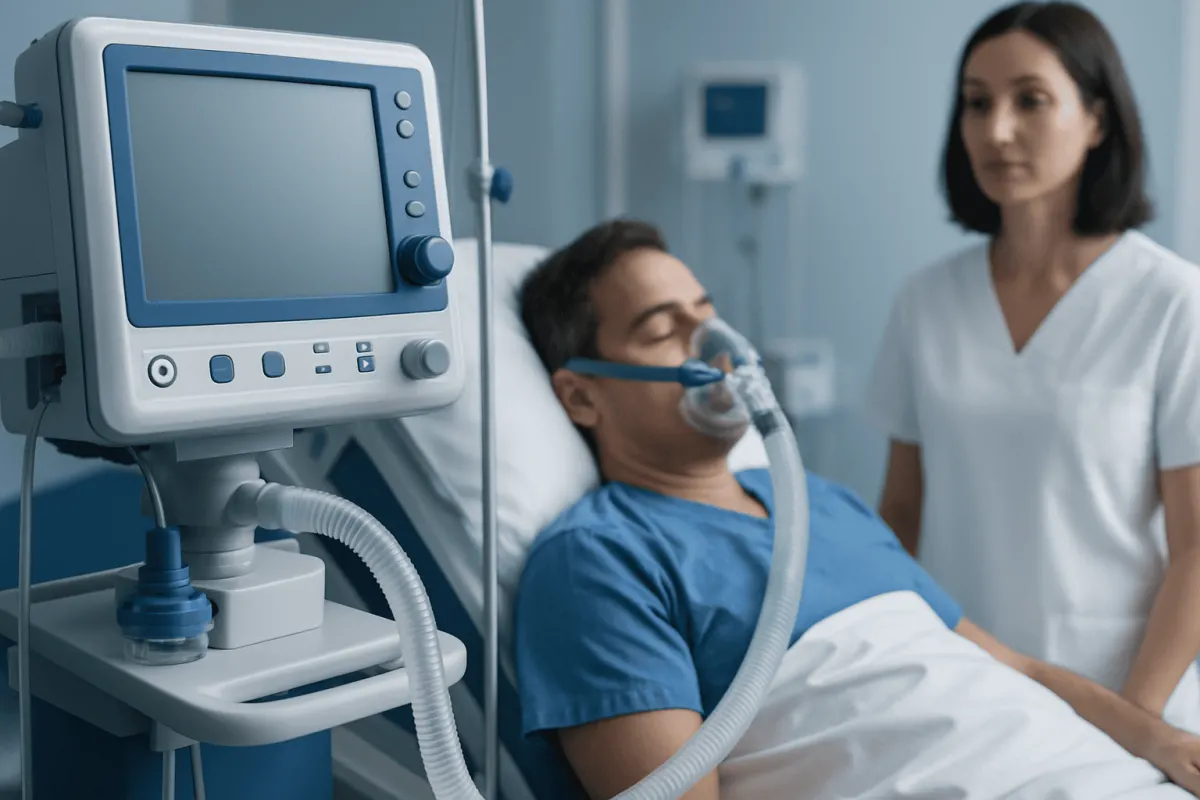
Continuous positive airway pressure (CPAP) uses gentle air pressure through a mask to keep the airway open during sleep. It is highly effective when used consistently and may be especially helpful for people with troublesome sleepiness, reduced quality of life, certain coexisting conditions or more substantial oxygen drops. Mask comfort, humidification and device settings can often be adjusted to support regular use. CPAP treatment should be chosen and monitored with guidance from a qualified sleep clinician.
A custom-made mandibular advancement device is another evidence-based option for many adults with mild to moderate OSA. Worn in the mouth during sleep, it moves the lower jaw forward to help maintain an open airway. It should be fitted and followed by a dentist or clinician with experience in dental sleep medicine, since jaw discomfort, tooth movement and bite changes can occur.
Positional therapy may help when testing shows that OSA is largely limited to back sleeping. Selected people may also need assessment and treatment for nasal obstruction or enlarged tonsils. Surgery is not a routine first choice for every person with mild OSA, but may be considered in carefully selected cases after evaluation of airway anatomy and alternatives.
Everyday measures that can support treatment
Healthy routines can reduce factors that worsen airway obstruction and improve sleep quality. For people who are above their healthy weight range, gradual, sustainable weight loss can lessen OSA severity; even so, follow-up testing may still be needed because sleep apnea can persist. A clinician or registered dietitian can help set safe, realistic goals.
Avoiding alcohol near bedtime and discussing sedating medicines with the prescribing clinician may reduce nighttime airway relaxation. Keeping a regular sleep schedule, allowing enough time for sleep and treating nasal allergy symptoms when appropriate can also make sleep more comfortable. Stopping smoking supports overall respiratory and cardiovascular health.
If OSA occurs mainly while lying on the back, positional strategies may be useful. These can range from simple reminders to specialized devices designed to encourage side sleeping. Their effectiveness should be reviewed over time, particularly if symptoms continue.
People using CPAP or an oral appliance should attend follow-up appointments. The care team can check whether symptoms have improved, review device comfort and determine whether repeat testing is appropriate. Acıbadem Health Point’s multidisciplinary specialists and JCI-accredited hospitals assess and treat sleep-related breathing disorders for international patients.
When to seek medical care
A medical appointment is appropriate for persistent loud snoring, witnessed breathing pauses, repeated gasping during sleep, unexplained fatigue or waking unrefreshed. Evaluation is also sensible when sleep problems affect mood, concentration, relationships or daily performance. A primary care clinician, sleep specialist, ear, nose and throat specialist or dental sleep medicine professional may be involved depending on the findings.
Prompt assessment is important if daytime sleepiness makes driving or work unsafe. Until the problem is assessed, a person who feels drowsy should avoid driving and other activities where reduced alertness could cause harm. It is also important to discuss sleep symptoms with a clinician when there is difficult-to-control high blood pressure, an irregular heartbeat, stroke history, heart failure or significant lung disease.
Urgent medical help is needed for severe or new breathing difficulty, chest pain, fainting, signs of stroke, or a medical emergency. These symptoms are not specific to mild OSA and should not be attributed to a sleep disorder without prompt assessment.
Frequently asked questions
01What does mild OSA mean?
Mild OSA means a sleep study has found 5 to 14 breathing interruptions per hour of sleep in an adult. The label describes the event frequency, but symptoms can still be meaningful. Treatment is based on the test result together with sleepiness, oxygen levels, health history and personal preferences.
02Can mild OSA go away on its own?
Mild OSA may improve when contributing factors change, such as body weight, alcohol use near bedtime, nasal congestion or back sleeping. However, it does not reliably disappear without assessment or follow-up. A clinician can advise whether repeat testing is needed after lifestyle changes or treatment.
03Does everyone with mild OSA need CPAP?
No. CPAP is an effective option, but it is not the only possible treatment for mild OSA. Depending on symptoms and test findings, a clinician may discuss lifestyle measures, positional therapy, a custom oral appliance, CPAP or a combination of approaches.
04Is mild OSA dangerous?
Mild OSA is not an emergency in most cases, but it should not be dismissed when it causes sleepiness, poor functioning or low oxygen levels. Drowsy driving is an immediate safety concern. The importance of treatment also increases when other conditions, such as cardiovascular disease, are present.
05Can a home sleep test diagnose mild OSA?
A home sleep apnea test can diagnose OSA in some adults who are likely to have uncomplicated obstructive sleep apnea. It is not suitable for everyone and can occasionally underestimate mild disease. If symptoms remain concerning despite a normal or uncertain home result, a laboratory sleep study may be recommended.
06Will losing weight treat mild OSA?
Weight loss can reduce the severity of OSA for some people who have excess weight, and it offers broader health benefits. It is not a guaranteed cure, because airway anatomy and other factors also contribute. Symptoms and sleep-test findings should be reviewed after meaningful changes in weight.
This article is for general information only and is not a substitute for professional medical advice. Please consult a qualified doctor about your individual situation.
Explore treatments in Turkey — costs, top hospitals & a free quote
JCI-accredited · board-certified surgeons · reply within 24h
Add us as a Preferred Source to see more of our trusted health content across Google Search, AI Overviews and Discover.