Lung Nodule Removal Surgery: Options and Recovery
Lung nodule removal surgery is used to diagnose or treat a lung spot that is suspicious for cancer, growing, causing symptoms, or cannot be confirmed as benign with less invasive tests. Many procedures use minimally invasive techniques, and the recovery timeline depends on how much lung tissue is removed and a person’s overall health.
Overview: What Is Lung Nodule Removal Surgery?
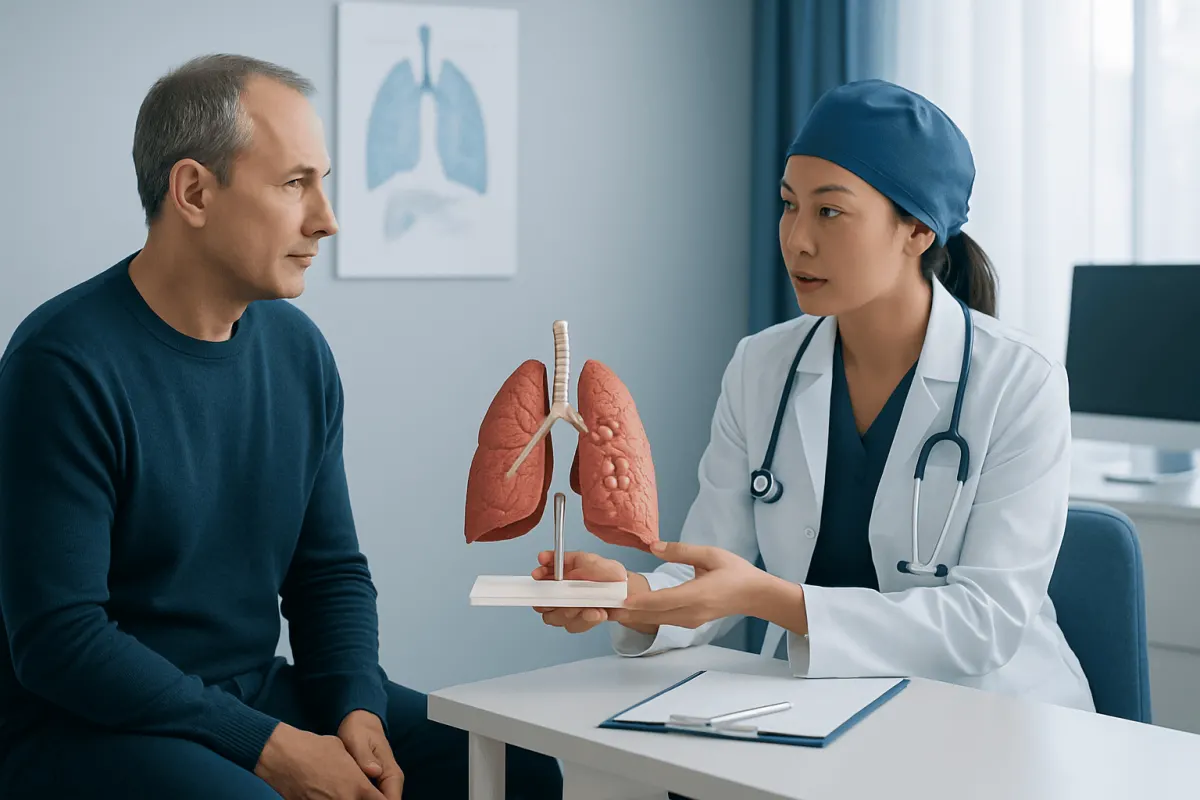
Lung nodule removal surgery is an operation to remove a small, abnormal area of tissue in the lung. A lung nodule, sometimes called a pulmonary nodule or “spot on the lung,” is often found unexpectedly on a chest X-ray or CT scan. Most nodules are not cancer, but some require closer assessment because they may represent an early lung cancer or another condition that needs treatment.
The main purpose of surgery may be to establish a diagnosis, remove a known or strongly suspected cancer, or both. During the operation, the surgical team may send the tissue to a pathologist for rapid examination. The result can help guide whether the surgeon removes only the nodule and surrounding tissue or performs a larger operation when medically appropriate.
Not all nodules should be removed. The care team considers the nodule’s size, appearance, growth on scans, location, a person’s cancer risk, symptoms, and results of imaging or biopsy tests. Decisions are ideally made with input from thoracic surgeons, respiratory specialists, radiologists, pathologists, and oncology specialists when needed.
Who May Be a Candidate?
A person may be considered for lung nodule removal surgery when a nodule has features that make cancer more likely, has increased in size over time, or cannot be adequately evaluated with imaging or needle biopsy. Surgery may also be recommended if a biopsy has shown cancer and the person is well enough for an operation intended to remove it.
Features that may influence the recommendation include an irregular or spiculated nodule shape, uptake on a PET scan, a history of smoking, older age, prior cancer, or a family history of lung cancer. These factors do not diagnose cancer on their own. Benign causes, including healed infections, inflammation, and certain autoimmune conditions, can also create nodules.
Before surgery, clinicians assess whether the lungs and heart can safely support the procedure. This may include pulmonary function testing, blood tests, an electrocardiogram, imaging studies, and sometimes exercise or cardiac assessment. The team also reviews medications, including blood thinners, and helps patients prepare for smoking cessation if relevant.
When a nodule is small or located deep within the lung, it may need to be marked before surgery so the surgeon can find it accurately. CT-guided placement of a marker, dye localization, or other techniques may be used depending on the hospital and the nodule’s characteristics.
How the Procedure Works, Step by Step
Lung nodule removal surgery is performed under general anesthesia, so the patient is asleep and does not feel the operation. A breathing tube is used, and the anesthesiology team carefully monitors oxygen levels, heart function, blood pressure, and comfort throughout the procedure. In many cases, one lung is temporarily ventilated less so the surgeon can operate safely on the other side.
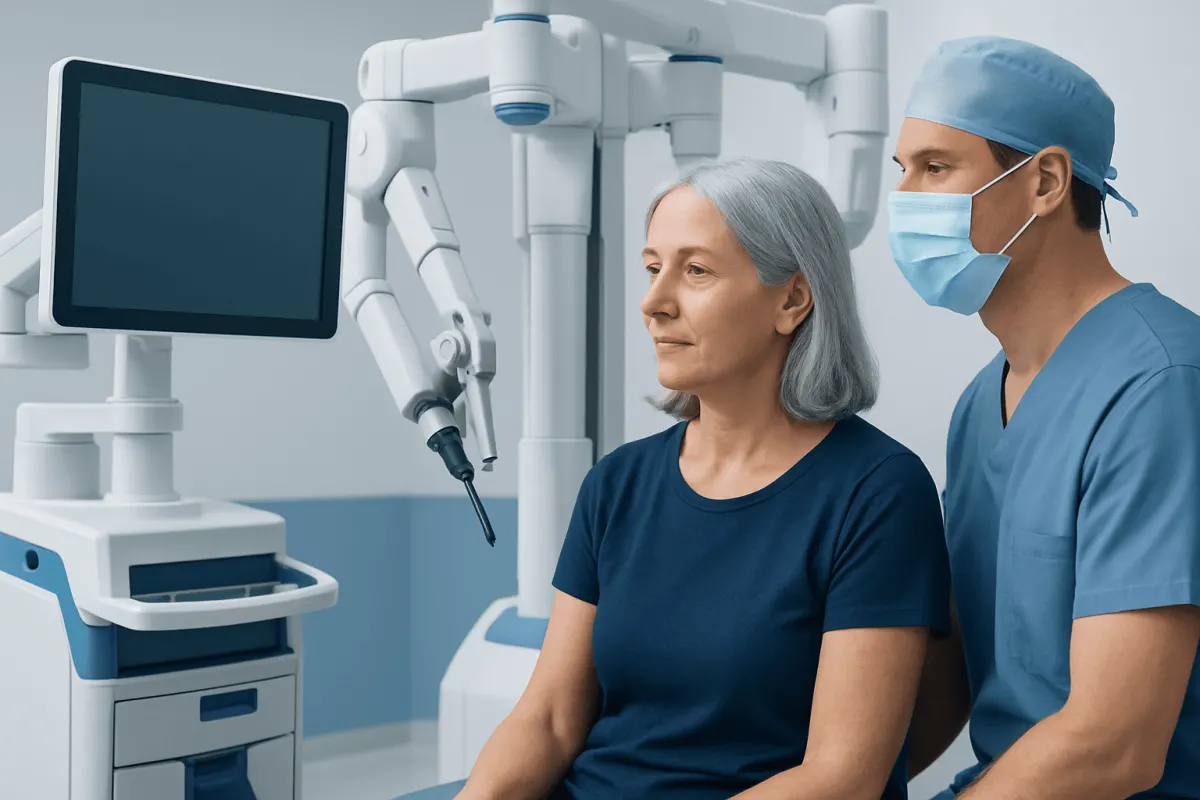
For suitable patients, surgeons use minimally invasive approaches such as video-assisted thoracoscopic surgery (VATS) or robot-assisted thoracic surgery. These techniques use a camera and specialized instruments passed through several small chest incisions. Some patients need an open thoracotomy, which uses a larger incision, particularly when the nodule is difficult to reach or a more extensive operation is required.
The amount of tissue removed depends on the diagnosis and location. A wedge resection removes the nodule with a small margin of nearby lung tissue. A segmentectomy removes a larger anatomical section of a lung lobe. A lobectomy removes one lobe of the lung and may be advised for certain confirmed or highly suspected lung cancers. The surgical team aims to remove enough tissue for effective treatment while preserving as much healthy lung as possible.
After the tissue is removed, the surgeon checks for air leaks and bleeding. A chest tube is usually placed temporarily to drain air and fluid and allow the lung to re-expand. The removed tissue is examined in detail by pathology, and final results commonly guide the next steps in care. For patients needing specialist evaluation and surgery, lung cancer surgery may be part of a coordinated treatment plan when malignancy is confirmed.
Benefits, Risks, and Important Considerations
The principal benefit of lung nodule removal surgery is diagnostic certainty. Tissue examination can distinguish cancer from many noncancerous causes and can provide information about the type and stage of cancer when present. If a localized cancer is fully removed, surgery can be an important potentially curative treatment option.
Minimally invasive surgery can offer benefits for appropriately selected patients, including smaller incisions, less postoperative discomfort, and earlier return to daily activities compared with open surgery. However, the most suitable technique is determined by the nodule, the planned extent of resection, prior chest surgery, anatomy, and the patient’s health rather than incision size alone.
All chest operations carry risks. These include pain, bleeding, infection, pneumonia, blood clots, irregular heart rhythm, an air leak from the lung, and reactions to anesthesia. Less commonly, a patient may need another procedure, a longer period with a chest tube, or conversion from minimally invasive surgery to an open operation to complete surgery safely.
Removing lung tissue can temporarily or permanently affect breathing capacity, particularly in people with chronic obstructive pulmonary disease, scarring of the lungs, or limited baseline lung function. Preoperative testing and individualized planning help the team balance the potential benefit of surgery with these considerations.
Recovery Timeline After Lung Nodule Surgery
Recovery begins in the hospital, where the team monitors breathing, pain, oxygen needs, drainage from the chest tube, and early movement. Patients are encouraged to sit up, walk with assistance, and use breathing exercises such as an incentive spirometer. These measures help the lungs expand and can reduce the risk of complications such as pneumonia or blood clots.
The length of stay varies. After an uncomplicated minimally invasive wedge resection or segmentectomy, some people may go home within a few days. Recovery after a lobectomy or open thoracotomy generally takes longer. A chest tube is removed once the lung has adequately re-expanded and there is no significant ongoing air leak or drainage.
At home, fatigue, incision soreness, numbness around the chest wall, and a mild cough can occur while healing. Many people gradually resume light daily activities over the following weeks, but should avoid heavy lifting, strenuous exercise, and driving until their surgeon says it is safe. The full return to usual energy and activity may take several weeks and can take longer after more extensive surgery.
Follow-up usually includes review of the final pathology report, wound assessment, and discussion of any further surveillance or treatment. If the nodule is cancerous, the multidisciplinary team may recommend ongoing imaging, additional surgery, radiation therapy, systemic treatment, or observation based on the cancer stage and pathology findings.
Self-Care and Preparing for a Safer Recovery
Before surgery, patients should tell the care team about all medicines, allergies, supplements, smoking or vaping, and prior anesthesia concerns. Medication instructions should come directly from the surgical team, especially for blood thinners, diabetes medicines, and drugs that affect immune function. Stopping smoking and avoiding nicotine products before and after surgery can support wound healing and lung recovery.
After discharge, taking prescribed pain relief as directed can make it easier to breathe deeply, cough effectively, and move around. Patients should follow wound-care instructions, stay well hydrated unless advised otherwise, and build activity gradually through short, frequent walks. A balanced diet with adequate protein can also support healing.
It is important to attend planned follow-up appointments, even when recovery seems to be going well. The care team can review pathology findings, check breathing and incision healing, remove sutures or staples if needed, and arrange repeat scans. People should avoid relying on online symptom checkers for decisions about postoperative concerns and contact their surgical team for individualized advice.
When to Seek Medical Care
After lung nodule removal surgery, patients should contact their surgical team promptly for increasing redness, warmth, swelling, drainage, or opening of an incision; a persistent fever; worsening pain not relieved by the prescribed plan; or a new or worsening cough. They should also report persistent nausea, inability to keep fluids down, or symptoms that make it difficult to walk or perform basic activities.
Urgent medical assessment is needed for sudden or worsening shortness of breath, chest pain, coughing up a significant amount of blood, fainting, confusion, or a rapid heartbeat accompanied by feeling unwell. These symptoms can have different causes and should not be self-managed at home.
A newly identified lung nodule should also be assessed by a qualified clinician rather than assumed to be cancer or ignored. Acıbadem Health Point’s multidisciplinary specialists and JCI-accredited hospitals evaluate and treat lung conditions for international patients, with care plans based on the person’s scans, health status, and pathology results.
Frequently asked questions
01Is lung nodule removal surgery always necessary?
No. Many lung nodules are benign and can be monitored safely with repeat CT scans. Surgery is usually considered when a nodule is suspicious, growing, symptomatic, proven to be cancer, or cannot be diagnosed reliably with less invasive testing.
02How long does lung nodule removal surgery take?
The operating time varies according to the nodule’s location, the type of surgery, and whether additional tissue must be removed. A surgical team can give a more individualized estimate after reviewing imaging and the planned procedure.
03Is a wedge resection the same as a lobectomy?
No. A wedge resection removes the nodule and a small border of surrounding lung tissue. A lobectomy removes an entire lobe of the lung and may be recommended for some lung cancers depending on the tumor and the patient’s overall condition.
04How painful is recovery after lung nodule surgery?
Some pain, tightness, and numbness around the incisions are expected, particularly during deep breathing and coughing. The care team uses a personalized pain-management plan to support movement, breathing exercises, and sleep while healing.
05When can a person return to work after lung nodule removal surgery?
Return-to-work timing depends on the type of operation, job demands, complications, and overall recovery. Some people return to lighter work within a few weeks after minimally invasive surgery, while physically demanding work or recovery after open surgery may require more time.
06Can a removed lung nodule come back?
A completely removed benign nodule generally does not regrow, although new nodules can develop for unrelated reasons. If the nodule is cancerous, follow-up plans depend on the cancer type, stage, surgical margins, and other pathology findings.
This article is for general information only and is not a substitute for professional medical advice. Please consult a qualified doctor about your individual situation.
Oncology care in Turkey — second opinion and treatment plan
JCI-accredited · board-certified surgeons · reply within 24h
Add us as a Preferred Source to see more of our trusted health content across Google Search, AI Overviews and Discover.