Microdermabrasion Cost: What Affects Your Quote

Microdermabrasion cost depends on where treatment is provided, the clinician’s expertise, the area treated, and whether it is part of a broader skin-care plan. Because this is usually an elective cosmetic procedure, patients commonly pay directly and should request clear information about all expected charges before booking.
Microdermabrasion Cost: What Patients Really Pay
Microdermabrasion cost varies because treatment plans are individualized. The final amount may depend on the country and clinic, the professional providing care, the size of the treatment area, the device used, whether a consultation is included, and whether several sessions or other cosmetic procedures are recommended.
Microdermabrasion is usually considered an elective cosmetic treatment, so it is not commonly covered by health insurance. Rather than relying on a single advertised price, patients can ask for an itemized written estimate that explains consultation fees, the cost per session, the expected number of sessions, aftercare products, and charges for any optional add-ons.
It is also helpful to consider value over time. A lower initial fee may not reflect the full plan if repeated treatments are advised, while a higher fee may include medical assessment, professional-grade equipment, follow-up, or a tailored approach for sensitive or problem-prone skin.
How Microdermabrasion Works and What It Can Improve
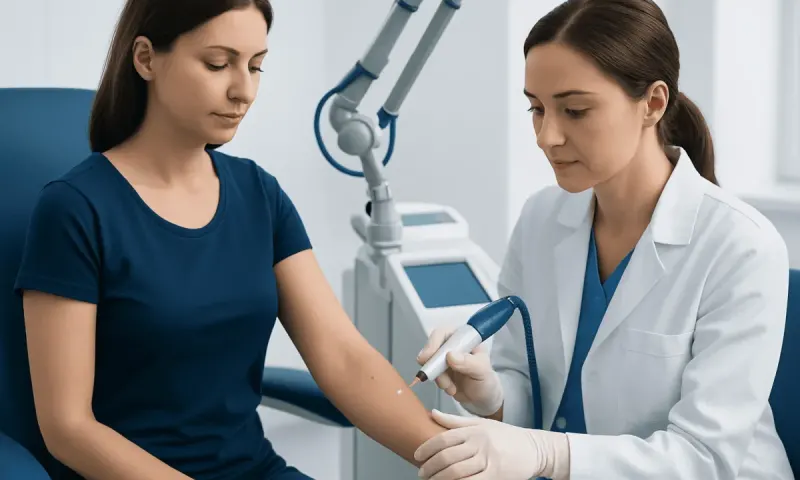
Microdermabrasion is a superficial skin-resurfacing procedure. A handheld device gently exfoliates the outermost layer of the skin and uses suction to remove loosened cells and debris. Diamond-tip devices and crystal-based systems are commonly used; both aim to create controlled, mild exfoliation without surgery.
By removing surface dead skin cells, the procedure can leave the skin feeling smoother and looking temporarily brighter. It may be considered for mild uneven texture, dullness, clogged pores, fine surface lines, and some superficial discoloration. Results vary with the person’s skin type, the concern being treated, the device settings, and ongoing sun protection.
Microdermabrasion does not reach deeper layers of skin. It is therefore not a dependable treatment for deep acne scars, pronounced wrinkles, substantial skin laxity, or active inflammatory skin disease. A clinician may discuss other approaches when these are the main concerns.
Who May Be a Candidate for Microdermabrasion?

Healthy adults seeking a gentle, non-invasive way to refresh the appearance and feel of their skin may be candidates. A consultation should cover the patient’s goals, skin type, sensitivity, history of pigment changes after inflammation, current medicines, allergies, and recent cosmetic treatments.
Microdermabrasion may need to be postponed or avoided when there is an active rash, sunburn, open wound, cold sore outbreak, bacterial skin infection, or significant irritation. People with rosacea, eczema, psoriasis, melasma, acne, a tendency to develop dark marks after irritation, or a history of keloid scarring should seek individualized advice before treatment.
Patients should also tell the clinician about prescription retinoids, topical exfoliants, recent chemical peels, laser procedures, and medicines that affect healing. A professional assessment can help determine whether microdermabrasion is appropriate or whether another skin treatment would better match the concern.
What Happens During and After the Procedure?
Before treatment, the skin is cleansed and examined. The clinician passes the device over the selected areas using light, controlled movements. Most sessions are brief, and many people describe a mild scratching, vibrating, or suction sensation rather than pain. Anaesthetic is usually not needed for standard microdermabrasion.
Afterward, the skin may look pink and feel warm, dry, tight, or mildly sensitive. These effects are typically short-lived. The clinician may apply a soothing moisturizer and broad-spectrum sunscreen, and may advise avoiding exfoliating products, retinoids, waxing, excessive heat, and strong sun exposure for a short period.
Recovery is generally minimal, but the skin barrier is temporarily more sensitive. Gentle cleansing, regular moisturising, and daily sun protection are important. Patients should follow the specific aftercare plan provided by their clinician, particularly if microdermabrasion has been combined with another procedure.
Benefits, Risks and Limitations to Consider
A potential benefit of microdermabrasion is that it is quick, non-surgical, and usually involves little interruption to daily activities. It can provide mild surface exfoliation and may help some people achieve smoother-looking skin. Because changes are usually gradual, a series of sessions may be proposed.
Possible side effects include temporary redness, tenderness, swelling, dryness, flaking, bruising from suction, and increased sensitivity. Less commonly, excessive exfoliation or treatment at unsuitable settings may contribute to prolonged irritation, acne flare-ups, infection, or changes in skin color. These risks can be reduced by appropriate screening, trained treatment providers, and careful aftercare.
Microdermabrasion is not a substitute for medical treatment of a skin disorder. Anyone concerned about persistent acne, changing moles, repeated rashes, or pigmentation changes should receive medical assessment rather than relying on cosmetic exfoliation alone.
- Expected benefit: mild improvement in surface texture and radiance.
- Expected limitation: it cannot remove deep scars or substantially tighten skin.
- Important safeguard: discuss skin type, past pigment changes, and current products before treatment.
Is Microdermabrasion Worth the Money?
Whether microdermabrasion is worth the money depends on the person’s goals, budget, and expectations. It may be worthwhile for someone seeking gentle, temporary improvement in dullness or mild texture with limited downtime. It is less likely to feel worthwhile when the desired outcome is removal of deep scars, major wrinkle reduction, or long-lasting correction after one session.
Before deciding, patients can ask what degree of change is realistic, how many sessions are likely to be needed, how long benefits may last, and what ongoing skin-care routine is recommended. Comparing the anticipated total treatment plan—not only the first appointment—helps create a more informed decision.
A reputable provider should be comfortable discussing alternatives, including doing no procedure. The best choice is one that is medically appropriate and aligned with realistic, personally meaningful goals.
What Are 5 Disadvantages of Microdermabrasion?
Microdermabrasion can be useful for selected cosmetic concerns, but it has limitations and drawbacks. First, the improvement is typically modest because the procedure works only on the skin’s surface. Second, results are not permanent, and maintenance sessions may be needed.
Third, it can cause temporary redness, dryness, flaking, or sensitivity. Fourth, it may not be suitable during active acne, infection, sunburn, or certain inflammatory skin conditions, and some people are more prone to pigment changes following irritation. Fifth, it does not address deeper scars, significant wrinkles, or substantial loose skin, so another approach may be necessary for these concerns.
These disadvantages do not mean the procedure is unsafe or unsuitable for everyone. They show why an individualized consultation and realistic expectations are important before spending money on treatment.
How Much Should a Microdermabrasion Facial Cost?
There is no single amount that a microdermabrasion facial should cost. Fees vary widely by region, clinic setting, practitioner training, whether the session is performed under medical supervision, the treatment area, and whether the procedure is combined with a facial, peel, extraction, or other service.
Patients can request a clear estimate before treatment and ask whether it includes the initial assessment, the procedure itself, post-treatment products, follow-up, taxes, and any package commitment. It is sensible to be cautious about offers that make dramatic promises or do not identify who will assess and perform the procedure.
Cost should not be the only factor. Appropriate hygiene standards, qualified staff, suitable equipment, clear consent, and access to medical advice if a complication occurs are important parts of safe care.
How Many Times a Year Should You Do Microdermabrasion?
The appropriate frequency depends on skin sensitivity, the condition being addressed, the intensity of treatment, and the response after each session. Some people are offered an initial course with intervals between treatments, followed by occasional maintenance. Others may prefer infrequent treatment or decide it is not needed.
There is no universal number of times a year that suits everyone. Over-treatment can disrupt the skin barrier and increase irritation, so sessions should not be scheduled solely because a package is available. The skin should have time to recover, and treatment plans should be reviewed if dryness, redness, breakouts, or pigment changes occur.
Daily sunscreen, gentle cleansing, moisturising, and dermatologist-recommended skin care often have a greater role in preserving results than frequent procedures. A qualified clinician can advise on a schedule that fits the individual’s skin and goals.
When to Seek Medical Care
Medical care is appropriate if redness, pain, swelling, blistering, crusting, drainage, or skin color changes are severe, worsening, or do not settle as expected after a cosmetic procedure. Prompt assessment is also advisable for signs of infection, such as increasing warmth, tenderness, pus, or fever.
Before microdermabrasion, a dermatologist should assess persistent acne, unexplained rashes, recurrent cold sores, rapidly changing pigmentation, non-healing areas, or any mole that changes in size, color, shape, or sensation. Cosmetic treatment should not delay diagnosis of a medical skin condition.
Acıbadem Health Point’s multidisciplinary specialists and JCI-accredited hospitals can assess skin concerns and discuss suitable treatment options for international patients. A consultation with a qualified clinician supports safe planning and helps patients understand both likely benefits and limitations.
Frequently asked questions
01Does microdermabrasion hurt?
Most people find microdermabrasion tolerable and describe a light scratching or suction sensation. The skin may feel warm, tight, or mildly sensitive afterward, but standard treatments generally do not require anaesthetic.
02How long does microdermabrasion recovery take?
There is usually little downtime, and many people return to normal activities the same day. Mild redness, dryness, or flaking can occur for a short time, so gentle skin care and sun protection are important.
03Can microdermabrasion remove acne scars?
Microdermabrasion may slightly improve very superficial uneven texture, but it does not reliably remove deeper acne scars. A dermatologist can assess scar type and discuss treatments that act at a more appropriate depth.
04Can microdermabrasion make pigmentation worse?
Any procedure that irritates the skin can occasionally trigger or worsen pigment changes, particularly in people prone to post-inflammatory hyperpigmentation. A careful assessment, appropriate settings, and strict sun protection help reduce this risk.
05Should microdermabrasion be done at home or by a professional?
Home exfoliation devices are typically less powerful than professional equipment, but they can still irritate skin if used incorrectly. A professional evaluation is preferable for people with sensitive skin, acne, rosacea, pigment concerns, or a history of reactions to skin procedures.
06What should patients ask before paying for microdermabrasion?
They should ask who will perform the treatment, whether they are a suitable candidate, what result is realistic, and how many sessions may be recommended. They should also request an itemized estimate, aftercare instructions, and information about possible side effects and alternatives.
This article is for general information only and is not a substitute for professional medical advice. Please consult a qualified doctor about your individual situation.
Explore treatments in Turkey — costs, top hospitals & a free quote
JCI-accredited · board-certified surgeons · reply within 24h
Add us as a Preferred Source to see more of our trusted health content across Google Search, AI Overviews and Discover.