Carboxy Shots for Cosmetic Concerns: Benefits and Risks
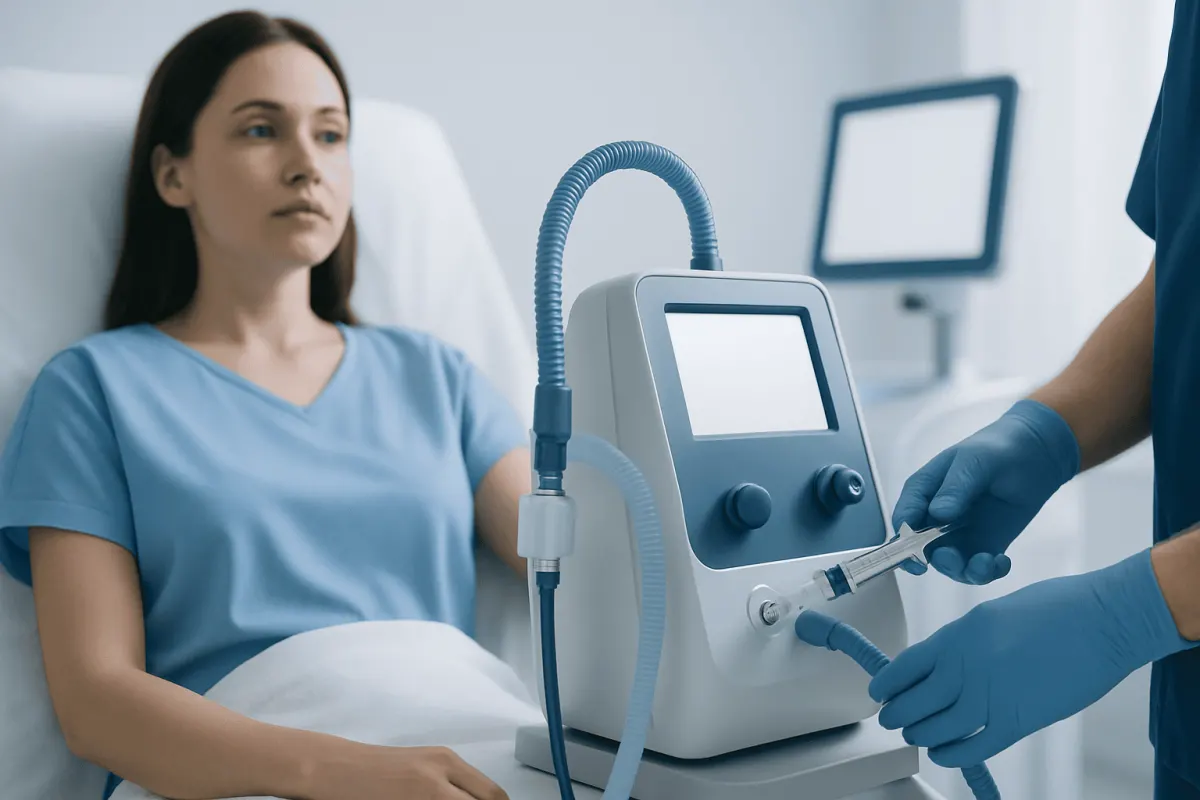
Carboxy shots, also called carboxytherapy, involve small injections of medical carbon dioxide gas beneath the skin. They are used in some aesthetic settings for concerns such as cellulite, stretch marks, dark under-eye circles, and localized fat, but results and suitability vary and evidence remains limited for many uses.
What are carboxy shots?
Carboxy shots are minimally invasive injections of medical-grade carbon dioxide (CO2) gas into the skin or the tissue just below it. The procedure is commonly called carboxytherapy. It is offered in some aesthetic practices for skin-related concerns, including cellulite, stretch marks, fine lines, dark under-eye circles, scars, and small areas of localized fat.
Carbon dioxide is a gas naturally produced by the body during normal metabolism and removed through breathing. In carboxytherapy, a clinician delivers a controlled amount through a fine needle. The proposed effect is that the temporary rise in CO2 around the injection area may influence local blood flow and tissue responses. However, the extent of cosmetic benefit, how long it lasts, and which concerns respond best are not fully established.
Carboxy shots should be viewed as an elective cosmetic procedure rather than a medically necessary treatment. A careful consultation is important because the same concern may have different causes, and other approaches may be more appropriate depending on the person’s skin type, health, goals, and treatment area.
Why are carboxy shots used?
People may consider carboxytherapy when they want to improve the appearance of a specific area without surgery. Commonly discussed uses include cellulite on the thighs or buttocks, stretch marks, skin laxity, dark circles under the eyes, and the texture or appearance of certain scars. Some clinics also offer it for localized fat deposits, although it is not a weight-loss treatment.
The suggested mechanisms include short-term widening of small blood vessels, changes in local oxygen delivery, and stimulation of tissue remodeling. These theories are biologically plausible, but clinical research is still relatively small and varies in quality. Outcomes reported in studies and practice can differ because injection techniques, treatment schedules, devices, and outcome measurements are not standardized.
For this reason, patients should be cautious about claims that carboxy shots can permanently remove fat, eliminate cellulite, reverse aging, or produce predictable results for everyone. Cellulite is common and harmless, and it is influenced by connective tissue structure, hormones, body composition, and genetics. No aesthetic procedure can guarantee complete or permanent removal.
- Potential uses are cosmetic rather than medically essential.
- Improvement, if it occurs, is often subtle and may require a series of sessions.
- Maintenance treatment may be suggested, but the ideal schedule has not been firmly established.
- Results can depend on the treatment area, the underlying concern, and individual healing responses.
What happens during a carboxytherapy session?

Before treatment, a trained clinician should review the patient’s medical history, medications, prior procedures, allergies, skin concerns, and expectations. The skin is usually cleaned, and the clinician identifies the planned injection points. Depending on the area, photographs may be taken for clinical comparison over time.
During the procedure, carbon dioxide is administered through a small needle connected to a device that regulates gas flow. Patients may feel a brief sting as the needle enters the skin, followed by pressure, fullness, warmth, tingling, or a mild burning sensation as the gas spreads through the tissues. These sensations are often temporary, but comfort levels vary by body area and individual sensitivity.
The appointment length depends on the size and number of areas treated. Many people can return to routine activities soon afterward, although a clinician may recommend avoiding strenuous exercise, hot baths, saunas, or swimming for a short period if the skin is irritated or if there is bruising. The treating clinician should provide individualized aftercare instructions.
Carboxytherapy is different from injectable neuromodulators, dermal fillers, and treatments that dissolve fat. Patients considering injectable cosmetic procedures may benefit from a discussion of evidence-based alternatives, including botulinum toxin treatment or dermal fillers, when clinically appropriate for their concern.
Benefits, limitations and realistic expectations
Some patients report smoother-looking skin or modest improvement in texture after carboxy shots. Small studies have explored carboxytherapy for cellulite, skin changes, and dark circles, but high-quality evidence is not yet sufficient to confirm consistent benefits across all advertised uses. The treatment should therefore be approached with realistic expectations.
It is important to distinguish localized cosmetic concerns from health conditions. Carboxy shots do not treat obesity, diabetes, circulation disorders, or hormonal causes of weight change. They should not replace nutrition, physical activity, sleep, stress management, or medical care for a diagnosed condition. For people concerned about body weight, a clinician can help identify safe, evidence-based options.
The number of sessions varies widely in practice. Some people may notice no meaningful change, while others may see temporary or gradual improvement. A responsible provider should explain the uncertainty around results, discuss likely benefits and limitations, and avoid promising a particular outcome.
For dark circles, the cause matters. Pigmentation, shadowing from facial structure, thinning skin, allergies, sleep disruption, and underlying medical issues can all contribute. A skin assessment can help determine whether carboxytherapy is reasonable or whether another option is more suitable.
Safety, side effects and who may need to avoid treatment
When performed by an appropriately trained medical professional using proper equipment and sterile technique, carboxytherapy is generally considered a minimally invasive procedure. Still, it involves injections and carries risks. Common short-term effects can include redness, swelling, tenderness, warmth, a crackling sensation under the skin as gas disperses, bruising, and temporary discomfort.
Less common but more serious complications may include infection, prolonged bruising, persistent pain, skin injury, or unintended effects from poor injection technique. The risk may be higher if the procedure is performed in a non-medical environment, with unregulated devices, or by someone without appropriate training in anatomy, injection safety, and complication management.
A clinician should assess whether treatment is suitable for people who are pregnant or breastfeeding, have an active skin infection, take medicines that affect bleeding, have significant heart, lung, kidney, or circulation problems, or have a history of poor wound healing. This does not mean treatment is automatically unsuitable in every case, but it means a personalized medical review is needed.
- Tell the clinician about prescription medicines, supplements, allergies, and past reactions to procedures.
- Do not have injections through irritated, infected, or broken skin.
- Choose a licensed, experienced clinician working in an appropriate clinical setting.
- Ask who will perform the procedure and how complications would be assessed and managed.
Preparing for treatment and caring for the skin afterward
Preparation begins with an honest consultation. Patients should explain what they would like to improve and what result they consider meaningful. They should also disclose previous cosmetic treatments in the area, especially recent injectables, laser procedures, surgery, or skin resurfacing. A clinician can advise whether treatments should be spaced apart.
After carboxy shots, it is usually helpful to keep the area clean and avoid rubbing or massaging it unless specifically instructed. Mild redness, fullness, or bruising may settle over the following days. Cool compresses may be recommended for discomfort or swelling, but patients should follow the advice of their treating clinician rather than applying products or remedies that could irritate the skin.
Healthy skin habits can support overall skin health, although they do not guarantee a particular aesthetic result. These include regular sun protection, gentle skin care, adequate sleep, avoiding smoking, staying physically active, and maintaining a balanced diet. For cellulite or body contour concerns, sustainable lifestyle measures can improve general health even when cosmetic changes are limited.
Patients should avoid attempting DIY gas injections or seeking treatment from unqualified providers. Injection procedures require sterile equipment, correct technique, and the ability to recognize and respond to complications.
When to seek medical care
Patients should contact the treating clinic if they have worsening redness, increasing swelling, drainage, persistent warmth, or pain that does not improve as expected. These signs may indicate irritation, infection, or another complication that needs assessment. It is better to ask early than to wait if there is uncertainty.
Urgent medical care is appropriate for severe or rapidly worsening pain, extensive swelling, fever, fainting, trouble breathing, chest pain, marked skin discoloration, or signs of a severe allergic reaction such as swelling of the lips, tongue, or throat. Although serious complications are uncommon, these symptoms should not be ignored.
A person should also seek medical evaluation when dark under-eye circles, swelling, unexplained skin changes, or changes in body shape are new, one-sided, persistent, or accompanied by other symptoms. Cosmetic treatment should not delay assessment of an underlying health concern. Acıbadem Health Point’s multidisciplinary specialists and JCI-accredited hospitals can assess cosmetic concerns and provide appropriate care for international patients.
Frequently asked questions
01Do carboxy shots work?
Carboxy shots may provide modest cosmetic improvement for some people, but results are variable and research is still limited for many uses. The benefit depends on the concern being treated, the technique used, and individual factors. A clinician should discuss realistic expectations before treatment.
02Are carboxy shots painful?
Most people feel a brief needle sting followed by pressure, warmth, tingling, or a mild burning sensation as the gas is delivered. The feeling is usually temporary, but sensitivity varies by treatment area and person. A clinician can explain comfort measures and what to expect during the session.
03How long do carboxy shots last?
There is no single, well-established duration because treatment plans and responses vary. Any cosmetic improvement may be gradual and can be temporary, particularly if the underlying concern is influenced by aging, skin structure, weight changes, or lifestyle factors. Some providers recommend repeat treatments, but the appropriate schedule should be individualized.
04Can carboxytherapy help with weight loss?
No. Carboxytherapy is not a weight-loss treatment and should not be used as a substitute for medical weight management. It may be marketed for small areas of localized fat, but it does not address the broader causes of weight gain or obesity.
05Who should not get carboxy shots?
People with an active skin infection or open wound in the treatment area should postpone injections. Those who are pregnant, breastfeeding, taking blood-thinning medicines, or living with significant medical conditions should have an individualized discussion with a qualified clinician before considering the procedure.
06What are the most common side effects of carboxy shots?
Temporary redness, swelling, bruising, tenderness, warmth, and pressure at the injection site are among the most common effects. Infection and persistent pain are less common but require medical review. Patients should follow aftercare instructions and report worsening symptoms promptly.
This article is for general information only and is not a substitute for professional medical advice. Please consult a qualified doctor about your individual situation.
Medical weight-loss options in Turkey — costs & eligibility
JCI-accredited · board-certified surgeons · reply within 24h
Add us as a Preferred Source to see more of our trusted health content across Google Search, AI Overviews and Discover.