Mole Removal Price: What Affects Your Cost?
Mole removal price is individual rather than fixed, because the reason for removal, procedure type, laboratory testing, treatment location, and insurance status can all affect the final amount. A dermatologist can assess the mole and provide an itemized estimate before treatment whenever appropriate.
Mole Removal Price: What Patients Really Pay
Mole removal price is not one fixed amount. It depends on whether the mole needs medical assessment or is being removed for cosmetic reasons, as well as the technique used, the mole’s size and location, possible laboratory testing, and insurance benefits. The most reliable way to understand personal out-of-pocket costs is to request an itemized estimate after a clinician has examined the lesion.
Cost should not be the only factor in deciding whether to remove a mole. A mole that is new, changing, bleeding, itchy, painful, or noticeably different from other moles deserves a clinical evaluation first. This helps the dermatologist choose a technique that is appropriate for both diagnosis and treatment, including whether tissue should be examined in a laboratory.
How much should a mole removal cost?
There is no single amount that a mole removal should cost, and an online mole removal price range cannot reliably predict an individual bill. The mole removal price US can vary by region, dermatologist experience, clinic or hospital setting, and whether the procedure is performed for medical evaluation or appearance alone.
Several parts of care may be billed separately. For example, a consultation, local anesthetic, the removal procedure, pathology review, dressing supplies, follow-up visits, and any repair of the wound may each affect the overall estimate. A mole removal price without insurance may also differ from the amount an insured patient pays after plan-negotiated rates and deductible requirements are applied.
- The size, depth, and number of moles being treated
- The removal method and whether stitches are needed
- The body location, including whether the mole removal is on the face
- Whether the specimen needs laboratory examination
- The clinic, hospital, city, and insurance network involved
Moles on the face may require particularly careful planning because scar placement, skin tension, and cosmetic outcome matter. Before booking treatment, patients can ask for a written estimate that states what is included and whether pathology, follow-up care, or treatment for unexpected findings could result in separate charges.
How does mole removal work, and who is a candidate?

Mole removal is a minor dermatologic procedure used to diagnose, relieve symptoms from, or remove a mole. Most moles, also called melanocytic nevi, are harmless and do not need treatment. Removal may be considered when a mole catches on clothing, is repeatedly irritated, affects appearance, or has features that need closer assessment.
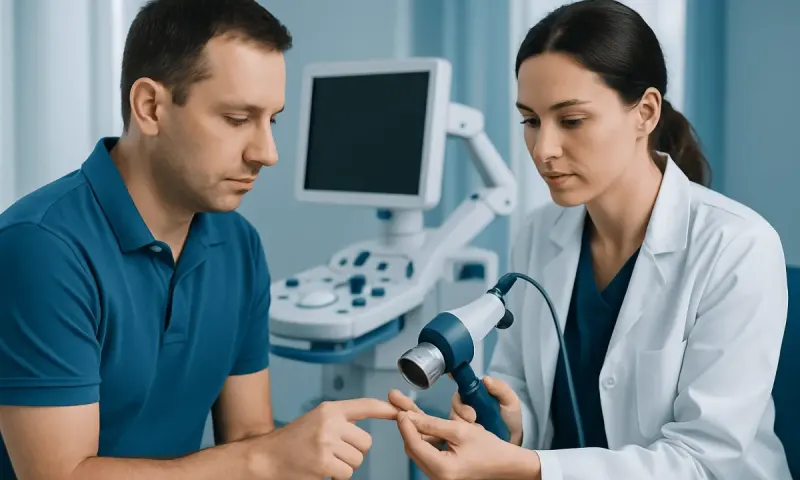
A dermatologist first examines the lesion, often using a dermatoscope, a lighted magnifying device. They may ask about when the mole appeared, whether it has changed, a personal or family history of skin cancer, past sun exposure, and medicines that can increase bleeding. A lesion with asymmetry, an irregular border, varied color, growth, or another unusual change may need biopsy or complete excision rather than a cosmetic-only approach.
The potential benefits of removal include obtaining a diagnosis, addressing discomfort, and improving appearance when this is the patient’s preference. The best method depends on the mole and the patient’s skin, not on a preferred technique alone. A clinician should assess any pigmented lesion before laser or other destructive treatment is considered.
What happens during a mole removal procedure?
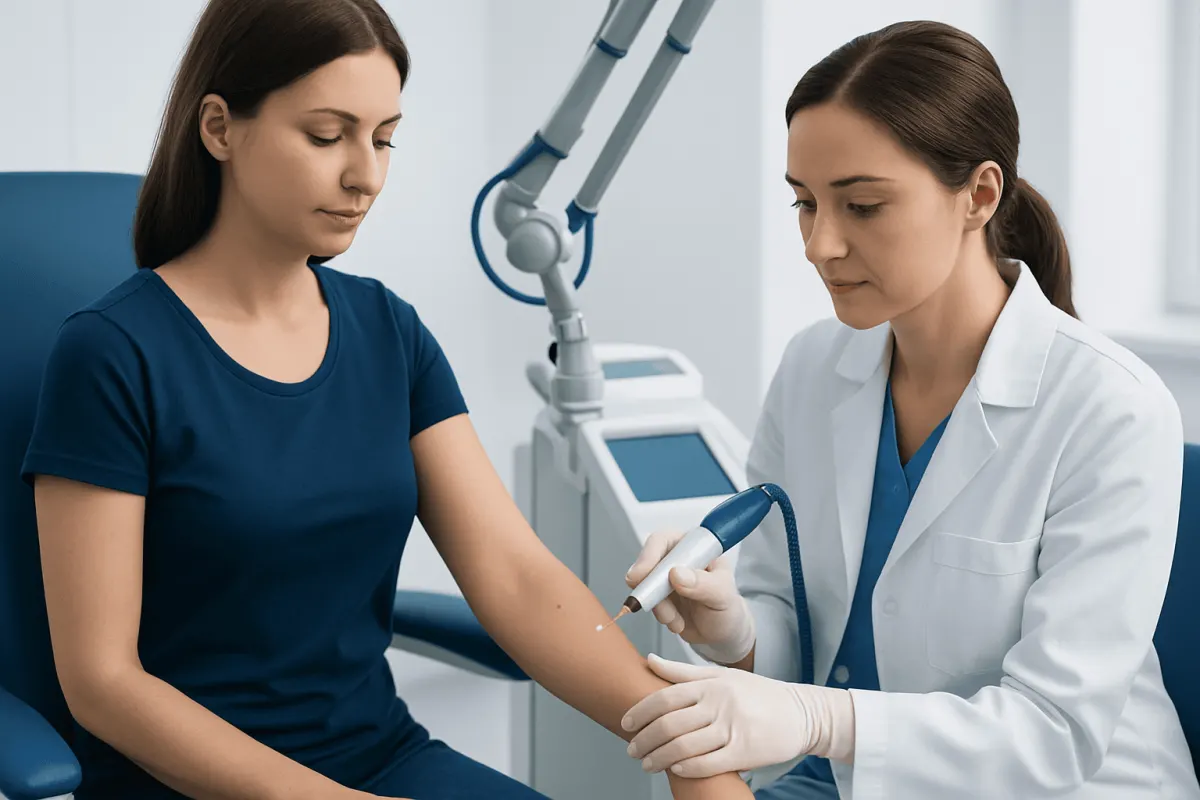
Most mole removals are performed in an outpatient dermatology setting with local anesthetic. After confirming the treatment plan and obtaining consent, the clinician cleans the skin and numbs the area. The anesthetic injection may briefly sting, but patients generally remain awake and should not feel sharp pain during the procedure.
- Shave removal: The raised portion of a suitable mole is carefully removed at or near skin level.
- Surgical excision: The mole and a small margin of surrounding skin are removed, usually with stitches to close the wound.
- Punch excision: A circular instrument removes a small, deeper lesion and may require a stitch.
- Laser or electrosurgical treatment: These approaches may be considered for carefully selected benign moles, but they do not provide an intact specimen for pathology.
If there is concern about the diagnosis, the removed tissue is typically sent to a pathology laboratory for examination. The clinician then applies a dressing and provides written wound-care instructions. Patients should tell the team about allergies, pregnancy, medical conditions, and medicines or supplements that affect bleeding; prescribed blood-thinning medicine should never be stopped without advice from the clinician who manages it.
How to get insurance to pay for a mole removal?
Insurance coverage is usually based on medical necessity and the terms of the individual health plan, not simply on a patient’s request for removal. Plans may contribute when a mole is suspicious for skin cancer, repeatedly bleeding or injured, causing symptoms, or requires biopsy. Removal performed solely to improve appearance is commonly treated as cosmetic care and may not be covered.
Patients can improve clarity about coverage by taking a few practical steps before a planned procedure:
- Arrange an examination so the dermatologist can document the clinical reason for removal.
- Ask whether the clinician and facility are in the insurance network.
- Contact the insurer to ask about referrals, prior authorization, deductibles, and coinsurance.
- Confirm whether pathology and follow-up visits are covered separately.
- Keep copies of clinical notes, estimates, and insurer communications.
Even when a procedure is medically indicated, coverage and the final patient responsibility can vary. The insurer makes the coverage decision according to its policy, and pathology charges may be separate from the removal procedure. A suspicious mole should be assessed promptly rather than delaying medical review while waiting for a coverage question to be resolved.
How do Koreans get rid of moles?
There is no single approach used by all Korean people, and mole removal decisions should be based on an individual skin assessment rather than nationality or beauty trends. In South Korea, as in many countries, people who choose cosmetic mole removal may visit a dermatologist or qualified skin clinic for an assessment and treatment plan.
For small, clearly benign raised moles, laser or electrosurgical techniques are commonly offered in some cosmetic dermatology settings. Surgical excision may be more suitable for deeper lesions, moles that need complete removal, or lesions requiring pathology. Because laser treatment destroys tissue, it is not appropriate when there is doubt about whether a mole could be cancerous. Pigment changes and scars can occur after any removal method, so an experienced clinician should discuss these risks for the individual’s skin type and treatment area.
How many moles can a dermatologist remove at one time?
There is no universal maximum number of moles a dermatologist can remove in one appointment. The decision depends on the size and location of the lesions, the planned technique, the need for pathology, the patient’s medical history, and whether they can comfortably manage several healing sites at home.
Small lesions may sometimes be treated during the same visit, while larger moles, facial lesions, or sites requiring stitches may be staged across separate appointments. Removing many moles at once can mean more wound care, more dressings, and more sites to monitor for healing. A dermatologist can explain whether one session is practical or whether a phased plan would be safer and easier to recover from.
Recovery, Benefits, Risks, and When to Seek Medical Care
Recovery depends on the removal method, wound size, and body location. A superficial shave site often forms a scab and heals over days to a few weeks, while a surgically excised mole may need stitches removed at a follow-up visit. Keeping the area clean, using the recommended dressing, avoiding picking, and protecting healing skin from sun exposure can support better healing. The scar may continue to fade and mature over several months.
Most people recover without major problems. Possible benefits include diagnosis of an uncertain lesion, relief from irritation, and removal for cosmetic reasons. Risks include bleeding, infection, delayed healing, a noticeable scar, lighter or darker skin at the site, numbness, and recurrence after some superficial removals. Results cannot be guaranteed, especially because scars heal differently between individuals and body areas.
Medical care should be sought promptly for bleeding that does not stop with steady pressure, increasing redness or swelling, worsening pain, pus-like drainage, fever, or a wound that opens. A new or changing mole should also be evaluated, particularly if it differs from a person’s other moles. For international patients who need assessment or treatment planning, Acıbadem Health Point’s multidisciplinary specialists at JCI-accredited hospitals can evaluate skin lesions and coordinate appropriate care.
Frequently asked questions
01Is a removed mole always tested for cancer?
Not every clinically typical benign mole is necessarily sent for laboratory testing. However, tissue is commonly examined by a pathologist when a mole is suspicious, changing, atypical, or removed by surgical excision. A dermatologist can explain whether pathology is recommended before the procedure.
02Does mole removal hurt?
The local anesthetic injection may cause a brief sting or pressure sensation. Once the area is numb, sharp pain should not be felt during removal. Mild tenderness afterward is common and can usually be managed with the aftercare plan provided by the clinician.
03Will mole removal leave a scar?
Any procedure that breaks the skin can leave some degree of scar. The appearance depends on the removal method, mole size and depth, body location, skin type, healing response, and aftercare. A dermatologist can discuss scar-minimizing approaches, but no technique can completely eliminate this possibility.
04Can a mole grow back after removal?
A mole can occasionally recur, especially after a superficial shave removal when pigment cells remain deeper in the skin. A recurrent mole should be assessed rather than treated repeatedly without examination. Surgical excision may be recommended when complete removal or pathology is needed.
05Can a person remove a mole at home?
Home mole-removal products, cutting, burning, or tying off a mole are not recommended. These methods can cause infection, scarring, bleeding, and delayed diagnosis of skin cancer. A clinician should examine the lesion before it is removed.
06How long does it take to heal after mole removal?
A small superficial wound may heal within days to a few weeks, while a deeper excision can take longer and may require stitch removal. Healing time varies by the treatment area and personal health factors. The scar can continue changing for months after the surface has healed.
This article is for general information only and is not a substitute for professional medical advice. Please consult a qualified doctor about your individual situation.
Explore treatments in Turkey — costs, top hospitals & a free quote
JCI-accredited · board-certified surgeons · reply within 24h
Add us as a Preferred Source to see more of our trusted health content across Google Search, AI Overviews and Discover.