Metastatic Tumor Definition, Diagnosis and Treatment
A metastatic tumor is a growth formed when cancer cells spread from the original, or primary, cancer to another area of the body. Although metastatic cancer is often complex, modern treatments can control disease, relieve symptoms, and support quality of life for many people.
Metastatic tumor definition
A metastatic tumor is cancer that has spread from the place where it first started to a different part of the body. The original cancer is called the primary tumor, while the new growth is called a metastasis or metastatic tumor. For example, breast cancer that spreads to bone is still breast cancer, not bone cancer, because the cancer cells began in the breast.
Cancer cells can travel through the bloodstream or lymphatic system and settle in another organ or tissue. They may then grow into one or more new tumors. Metastatic cancer is also often described as advanced cancer or stage IV cancer, although staging terms and their meaning can differ among cancer types.
Common sites of metastasis include lymph nodes, bone, liver, lungs, brain, and the lining of the abdomen. The pattern of spread is influenced by the type of primary cancer. A metastatic tumor may be discovered during follow-up after a known cancer diagnosis, at the time the primary cancer is found, or occasionally before the original site is identified.
How metastatic cancer develops
For metastasis to occur, cancer cells must separate from the primary tumor, enter blood vessels or lymph channels, survive while circulating, and establish growth in a new location. This is a complex biological process, and not all cancer cells that travel through the body form metastases.
The risk of spread depends on many factors, including the cancer type, grade, stage at diagnosis, tumor size, involvement of nearby lymph nodes, and particular genetic or molecular features of the tumor. Some cancers are more likely to spread early, while others may remain localized for a long time.
Metastasis is not caused by a person doing something wrong. It is a feature of cancer biology. Care teams use pathology findings, imaging results, and molecular testing to understand how a particular cancer is behaving and to select the most appropriate treatment plan.
- Local spread means growth into nearby tissue.
- Regional spread may involve nearby lymph nodes.
- Distant spread means cancer has reached an organ or tissue farther from the original site.
Possible symptoms and signs

Metastatic cancer does not always cause symptoms, particularly when areas of spread are small. In some cases, abnormalities are first seen on scheduled scans, blood tests, or other monitoring performed after treatment for a primary cancer.
When symptoms occur, they depend largely on the location of the metastatic tumor. Bone metastases may cause persistent or worsening pain, reduced mobility, or a fracture after minimal injury. Spread to the lungs can cause breathlessness, a persistent cough, or chest discomfort. Liver involvement may lead to fatigue, poor appetite, abdominal fullness, or yellowing of the skin and eyes in some cases.
Brain metastases can be associated with new headaches, weakness, changes in balance, seizures, vision changes, or changes in thinking or behavior. These symptoms can also have other causes, so they should be assessed rather than assumed to indicate metastasis. Persistent fatigue, unexplained weight loss, or declining ability to carry out daily activities also deserve medical attention.
How doctors diagnose a metastatic tumor
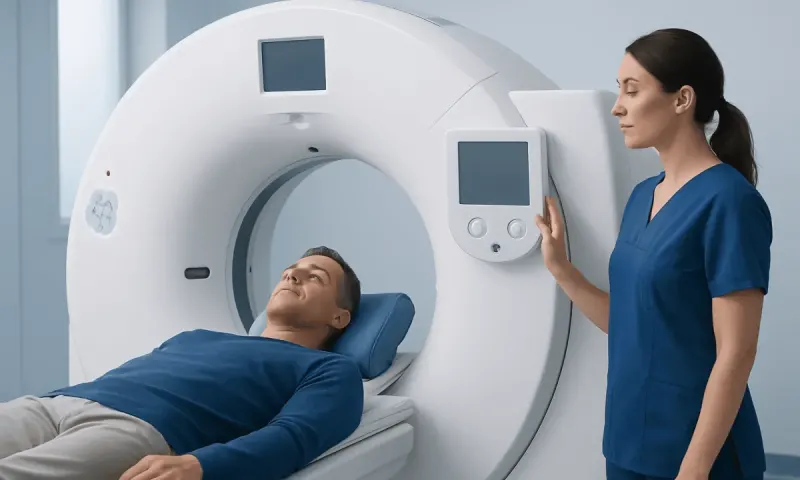
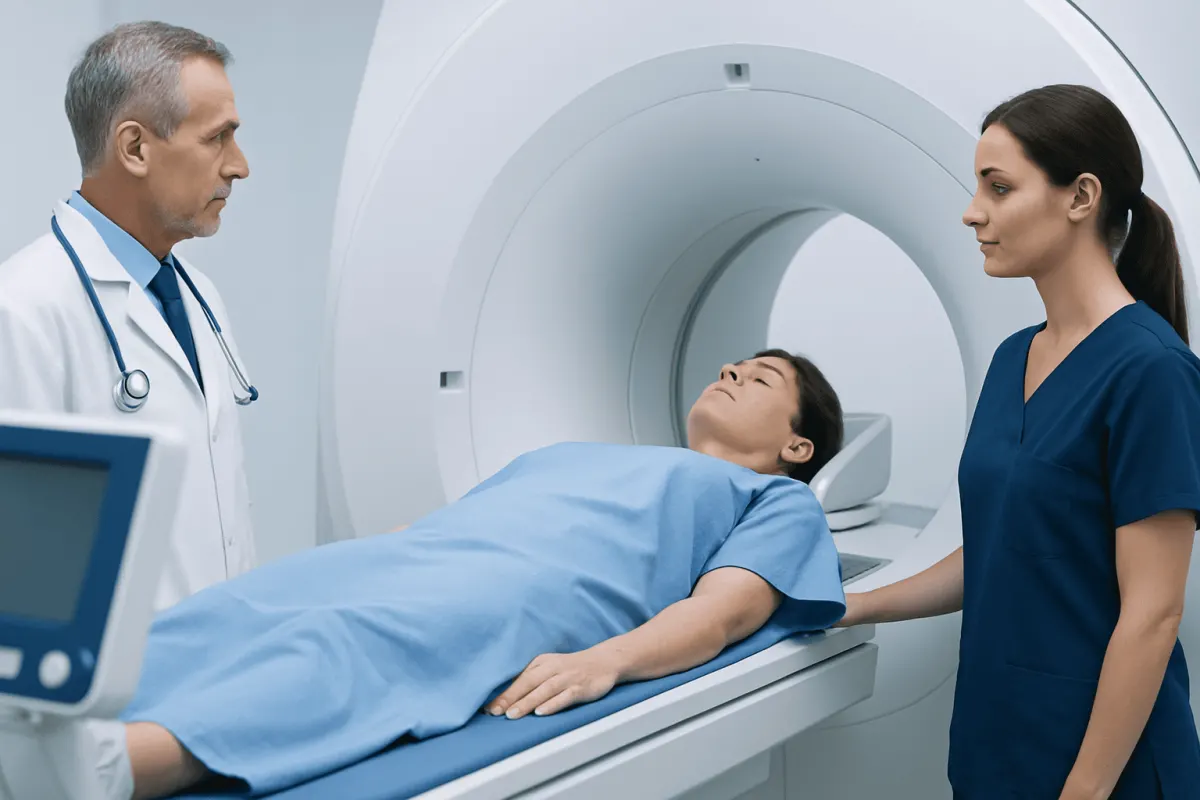
Diagnosis begins with a careful review of symptoms, medical history, previous cancer records, physical examination, and relevant laboratory tests. Imaging studies help identify suspicious areas and show their size, location, and relationship to nearby structures. Depending on the situation, these may include CT, MRI, PET-CT, ultrasound, bone scanning, or other targeted imaging.
A biopsy is often needed to confirm whether a suspicious lesion is metastatic cancer and, if so, where it originated. A pathologist examines the cells and may use specialized tests to identify tumor markers. In some situations, biopsying the metastatic site can also reveal changes in the cancer that affect treatment choices.
Molecular and genomic tests may look for gene changes, proteins, or immune markers within the tumor. These findings can help identify people who may benefit from targeted medicines or immunotherapy. If the primary cancer cannot initially be found, doctors may perform additional pathology and imaging investigations to determine the most likely origin.
Diagnosis and planning are ideally coordinated by a multidisciplinary team, which may include medical oncologists, surgeons, radiation oncologists, radiologists, pathologists, palliative care specialists, and other clinicians. This approach helps ensure that treatment addresses both the cancer and the person’s symptoms, goals, and overall health.
Modern treatment approaches
Treatment for metastatic cancer is individualized. Its aims may include slowing or controlling cancer growth, reducing tumors, preventing complications, relieving symptoms, and helping a person maintain daily function and quality of life. In selected circumstances, particularly when there are only a small number of metastatic areas, treatment may be directed at both the primary tumor and individual metastases.
Systemic treatments travel through the bloodstream and can treat cancer in multiple locations. Depending on the cancer type and its biomarkers, options may include chemotherapy, hormone therapy, targeted therapy, immunotherapy, or combinations of these treatments. The choice is based on the primary cancer, previous treatments, molecular test results, overall health, potential benefits, and possible side effects.
Local treatments may be recommended for a particular tumor causing symptoms or posing a risk to an organ. These can include surgery, radiation therapy, image-guided ablation, or other interventional procedures. For example, radiation may help manage painful bone metastases or reduce pressure from a tumor in a sensitive location.
Supportive and palliative care are important at every stage of metastatic cancer care. They may address pain, nausea, tiredness, nutrition, emotional wellbeing, sleep, mobility, and practical concerns. Palliative care is not limited to end-of-life care; it can be provided alongside cancer-directed treatment and can help people and families make informed choices.
Outlook and living with metastatic cancer
The outlook for metastatic cancer varies substantially. It depends on the type and biology of the primary cancer, where and how extensively it has spread, how the cancer responds to treatment, available treatment options, and a person’s general health. It is not possible to estimate an individual outlook accurately from a diagnosis name or stage alone.
For many metastatic cancers, treatment is focused on long-term control rather than cure. However, some people experience prolonged periods of stable disease, and some metastatic tumors can be treated very effectively. Advances in molecular testing, targeted medicines, immunotherapy, precision radiation techniques, and symptom management continue to expand options for appropriate patients.
Regular follow-up lets the care team monitor symptoms, treatment effects, scan findings, and blood tests. A treatment plan may change over time if the cancer responds, remains stable, progresses, or causes side effects that need attention. People are encouraged to discuss what matters most to them, including comfort, independence, family responsibilities, work, and personal treatment goals.
Emotional support can be as important as medical treatment. Counseling, support groups, social work services, rehabilitation, nutrition advice, and discussions with loved ones may help people adapt to uncertainty and maintain a sense of control. Questions about clinical trials may also be appropriate for some individuals.
When to seek medical care
Anyone with a history of cancer should contact their oncology team if they develop symptoms that are new, persistent, worsening, or interfering with daily life. Prompt assessment is particularly important for ongoing bone pain, new shortness of breath, unexplained neurological symptoms, significant loss of appetite, or new abdominal swelling.
Urgent medical evaluation is needed for severe or sudden symptoms, such as new weakness or numbness, loss of bladder or bowel control, a seizure, severe headache with confusion, sudden difficulty speaking, severe breathing difficulty, coughing up blood, or intense uncontrolled pain. These symptoms do not always mean metastatic disease, but they should not be delayed.
People should not stop prescribed cancer treatment or begin supplements or alternative therapies without discussing them with their care team, as some products can interact with treatment. Acıbadem Health Point’s multidisciplinary specialists and JCI-accredited hospitals diagnose and treat metastatic cancer for international patients, with care plans tailored to the tumor type and individual needs.
Frequently asked questions
01Is a metastatic tumor the same as stage IV cancer?
Metastatic cancer is commonly classified as stage IV for many solid cancers because it has spread to a distant part of the body. However, staging systems differ by cancer type, and some blood cancers and other malignancies use different classification methods. A doctor can explain what the stage means in an individual situation.
02Does a metastatic tumor become cancer of the new organ?
No. A metastatic tumor usually retains the cell type and biological features of the original cancer. For example, colon cancer that spreads to the liver remains metastatic colon cancer, even though it is growing in the liver.
03Can metastatic cancer be cured?
Many metastatic cancers are managed as long-term conditions rather than considered curable. Still, outcomes vary widely, and some people can have an excellent response to treatment or long periods with no detectable active disease. The treating oncology team is best placed to discuss realistic goals for a specific cancer.
04Why might another biopsy be needed after cancer has spread?
A new biopsy can confirm the diagnosis and help exclude other possible causes of an abnormal scan. It may also provide updated information about tumor markers and genetic changes that could affect treatment selection. Not every person needs another biopsy, especially if it would be unsafe or unlikely to change care.
05What treatments are used for metastatic tumors?
Treatment may include chemotherapy, hormone therapy, targeted therapy, immunotherapy, radiation therapy, surgery, ablation, and supportive care. The combination depends on the primary cancer, areas of spread, tumor test results, previous therapies, symptoms, and personal preferences. Care is often coordinated by a multidisciplinary cancer team.
06Can metastatic cancer cause no symptoms?
Yes. Metastases may be found on surveillance imaging or other tests before they cause symptoms. This is one reason why planned follow-up appointments can be important after treatment for certain cancers.
This article is for general information only and is not a substitute for professional medical advice. Please consult a qualified doctor about your individual situation.
Oncology care in Turkey — second opinion and treatment plan
JCI-accredited · board-certified surgeons · reply within 24h
Add us as a Preferred Source to see more of our trusted health content across Google Search, AI Overviews and Discover.