

Metastatic Breast Cancer: Symptoms and Treatment
- 9 min read
- Published November 29, 2026
Key Takeaways
- Metastatic breast cancer is breast cancer that has spread to distant organs or tissues.
- Symptoms depend on where the cancer has spread and may develop gradually.
- Diagnosis usually combines imaging, biopsy, and tumor testing to guide treatment.
- Treatment often focuses on controlling the disease, easing symptoms, and preserving quality of life.
- Regular follow-up helps doctors adjust care as the disease changes over time.
Metastatic breast cancer means breast cancer has spread beyond the breast to other parts of the body. While it is not usually curable, it can often be treated and managed for longer periods with the right specialist care.
Overview
Metastatic breast cancer, also called advanced or stage 4 breast cancer, means that breast cancer cells have moved beyond the breast and nearby lymph nodes to another part of the body. Common sites include the bones, liver, lungs, and brain, although spread can occur elsewhere as well.
This diagnosis can feel overwhelming, especially for people who are weighing treatment options across borders and trying to understand what care may look like in a new country. The treatment goal is usually not to “remove” the cancer completely, but to control it for as long as possible, reduce symptoms, and support daily life. Many people live with this condition for extended periods with ongoing, individualized treatment.
Because metastatic breast cancer behaves differently from early-stage breast cancer, care is typically guided by a multidisciplinary team. Oncologists, radiologists, pathologists, radiation specialists, and supportive care clinicians often work together to match treatment with the cancer’s biology and the person’s overall health.
Symptoms
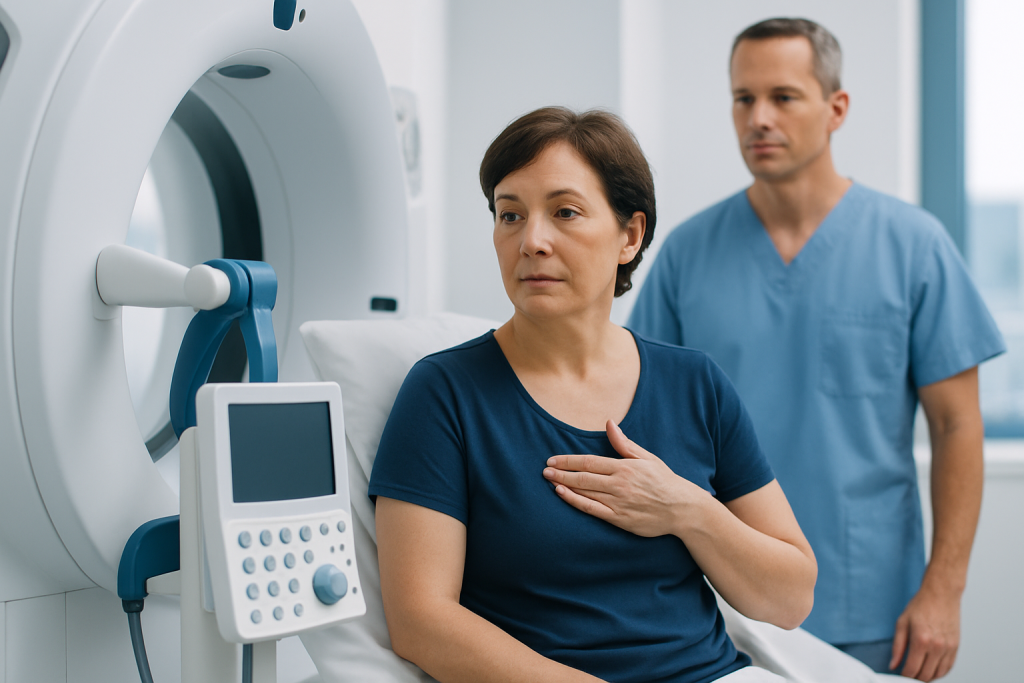
The symptoms of metastatic breast cancer depend on where the cancer has spread. Some people notice only subtle changes at first, while others develop symptoms that lead to further testing. New or persistent symptoms should be discussed with a doctor, especially if they do not improve.
When the cancer reaches the bones, people may feel deep aching pain, tenderness, or notice a higher risk of fractures. Spread to the liver can cause fatigue, loss of appetite, abdominal discomfort, or yellowing of the skin and eyes. Lung involvement may lead to shortness of breath, cough, or chest discomfort, while brain metastases can cause headaches, weakness, balance problems, vision changes, or seizures.
- Bone pain or new back pain
- Unexplained weight loss or fatigue
- Shortness of breath or persistent cough
- Headaches, confusion, or neurologic changes
- Swelling, abdominal pain, or jaundice
Some symptoms are caused by treatment side effects, other medical problems, or the original breast cancer itself. That is why symptom patterns are reviewed carefully rather than assumed.
Causes & Risk Factors

Metastatic breast cancer develops when cancer cells escape the original tumor, travel through the blood or lymphatic system, and settle in another area of the body. The exact reason this happens in one person and not another is not always known. Biology, tumor behavior, and how the cancer responds to earlier treatment all play a role.
Several features can influence the risk of recurrence or later spread. These include the original cancer’s stage, whether lymph nodes were involved, how aggressive the tumor looked under the microscope, and whether the cancer cells had hormone receptors or HER2 proteins. Some subtypes are more likely to return or spread, but any breast cancer can potentially become metastatic.
Risk is also shaped by how the disease was originally detected and treated, and by the cancer’s response to therapy over time. Even when initial treatment is successful, microscopic cells can remain dormant for months or years before becoming active again.
Diagnosis
Diagnosis begins with a conversation about symptoms, medical history, and prior breast cancer treatment. Doctors then use imaging and lab studies to look for signs of spread and to understand how active the disease is. When possible, a biopsy of a metastatic site is important because the cancer’s features can change over time.
Common tests include CT scans, bone scans, MRI, PET-CT in selected cases, and blood tests to evaluate organ function. A biopsy helps confirm that the new lesion is breast cancer and allows testing for hormone receptors, HER2 status, and other markers that can shape treatment choices. This is especially useful for international patients who may have prior pathology reports from another country that need to be reviewed and compared.
Doctors may also assess symptoms related to specific organs, such as neurological exams for possible brain involvement or liver tests if abdominal symptoms are present. The overall goal is to map the disease accurately enough to choose treatment that is both effective and practical.
Treatment Options
Treatment for metastatic breast cancer is personalized. It often combines systemic therapy, which works throughout the body, with targeted approaches for specific sites of disease or symptom control. The exact plan depends on receptor status, the pace of the cancer, previous treatments, and the person’s general health.
Hormone therapy is commonly used for hormone receptor-positive disease. Targeted therapies may be added when tumors have HER2 positivity or other molecular features that can be addressed. Chemotherapy is sometimes recommended, especially when the cancer is growing quickly or hormone-based treatments are no longer effective.
Radiation therapy may help relieve pain, reduce the risk of fracture, or control cancer in the brain or other localized areas. In some situations, surgery or procedures are used to treat complications, but they are usually not the main treatment for metastatic disease.
Supportive care matters throughout treatment. This may include pain management, bone-strengthening medications, nutrition support, physical therapy, emotional counseling, and treatment for side effects such as nausea, fatigue, or low blood counts. For people traveling for care, treatment planning also includes timing scans, coordinating follow-up, and making sure the next steps are realistic once they return home.
Prevention & Self-care
There is no guaranteed way to prevent metastatic breast cancer in every case, but early detection and adherence to the original treatment plan can reduce the chance of recurrence for many people. Following recommended follow-up visits after a primary breast cancer diagnosis is one of the most practical ways to catch changes sooner.
Self-care during metastatic disease focuses on maintaining function and comfort rather than trying to do everything alone. Gentle activity as tolerated, adequate sleep, balanced nutrition, and hydration can help preserve strength. Keeping a symptom diary can make follow-up visits more efficient, especially when appointments are limited during international travel.
It may also help to organize medical records, pathology reports, scan images, and a list of medications before traveling for care. This can make consultations more productive and reduce delays in treatment decisions. Emotional support from family, counseling, or patient support groups may also be valuable during long-term care.
- Attend scheduled oncology follow-ups
- Report new symptoms early
- Keep copies of all test results and pathology reports
- Stay physically active within personal limits
- Ask for help with pain, sleep, mood, or nutrition concerns
When to See a Doctor
Anyone with a personal history of breast cancer should contact a doctor if they develop new bone pain, persistent headaches, shortness of breath, unexplained fatigue, jaundice, or other symptoms that do not have a clear explanation. These signs do not always mean the cancer has spread, but they deserve timely evaluation.
Medical attention is also important if symptoms become sudden or severe, such as trouble breathing, confusion, weakness on one side of the body, severe headache, or a possible fracture. These situations may need urgent care.
For people already living with metastatic breast cancer, follow-up visits are essential even when symptoms are stable. The treatment plan often changes over time, and regular review helps the care team adjust therapy, manage side effects, and protect quality of life. Acibadem Health Point’s multidisciplinary specialists and JCI-accredited hospitals diagnose and treat this condition for international patients, with coordination designed to support evaluation, treatment, and follow-up across borders.
Living With Metastatic Breast Cancer
Living with metastatic breast cancer often means balancing treatment, symptom control, and day-to-day life rather than focusing on one short course of care. Many patients benefit from an approach that treats the cancer while also addressing fatigue, pain, sleep, mobility, nutrition, and emotional strain.
Plans should be flexible because the disease may change and treatments may need to be adjusted. Some people move through several therapy lines over time, while others remain on a single regimen for longer periods if it continues to work well. Open communication with the oncology team helps make those transitions smoother.
For international patients, continuity is especially important. Clear documentation, coordinated test review, and a realistic plan for medication access and monitoring after returning home can make ongoing care more manageable. The best outcomes usually come from a treatment plan that is medically sound and practical in real life.
Frequently asked questions
01Is metastatic breast cancer the same as stage 4 breast cancer?
Yes. Metastatic breast cancer is commonly referred to as stage 4 breast cancer. It means the cancer has spread beyond the breast and nearby lymph nodes to another part of the body.
02Can metastatic breast cancer be cured?
It is usually not considered curable, but it can often be treated for a long time. Many people live with the disease as a chronic condition, using treatment to control growth and relieve symptoms.
03What is the most common place for breast cancer to spread?
Breast cancer commonly spreads to the bones, liver, lungs, or brain. The exact pattern depends on the cancer’s biology and the person’s prior treatment history.
04Do symptoms always appear right away?
No. Some people have no symptoms at first, and metastatic disease may be found on a scan or during follow-up testing. Others develop symptoms gradually and may think they are related to another problem until checked by a doctor.
05Why is a biopsy of the metastasis important?
A biopsy confirms that the new lesion is breast cancer and can show whether hormone receptors or HER2 status have changed. That information can open up more precise treatment options.
06Can someone travel for treatment if they have metastatic breast cancer?
Often yes, but the plan should be discussed carefully with the oncology team. Travel timing, treatment schedules, and follow-up needs should all be reviewed so care remains safe and continuous.
This article is for general information only and is not a substitute for professional medical advice. Please consult a qualified doctor about your individual situation.
Medical weight-loss options in Turkey — costs & eligibility
JCI-accredited · board-certified surgeons · reply within 24h
Add us as a Preferred Source to see more of our trusted health content across Google Search, AI Overviews and Discover.


How can we help you today?
Meet an Acibadem specialist by secure video, before you travel.
Book a video visit