Symptoms of Inflammatory Breast Cancer: Early Warning Signs
Symptoms of inflammatory breast cancer often develop quickly and may include redness, swelling, warmth, breast enlargement, tenderness and skin that looks pitted like an orange peel. These symptoms can resemble an infection, but they should be assessed promptly, especially if they do not improve quickly with appropriate treatment.
Overview: symptoms of inflammatory breast cancer
Inflammatory breast cancer is an uncommon type of breast cancer that can cause visible changes in one breast over a short period of time. The most recognisable symptoms of inflammatory breast cancer are redness, swelling, warmth and a thickened or dimpled appearance of the skin. Unlike many other breast cancers, it may not produce a clear, felt lump.
The condition develops when cancer cells block small lymph vessels in the skin of the breast. This blockage can lead to fluid build-up and inflammation-like changes. Although these symptoms may be caused by non-cancerous conditions, a new breast change that appears rapidly, persists or worsens should be examined by a qualified clinician without delay.
Inflammatory breast cancer can occur at different ages and in people of different backgrounds. It is most often diagnosed in women, but it can also occur in men. Early assessment helps the care team identify the cause of symptoms and plan treatment promptly if cancer is found.
What are the first signs of inflammatory breast cancer?
The first signs of inflammatory breast cancer may be subtle at first but often progress over days to weeks. One breast may begin to look red, pink, purple or bruised, depending on the person’s skin tone. It may also feel warmer, fuller, heavier or more tender than the other breast.
Changes to the skin are particularly important. The skin may become thickened, ridged or dimpled, sometimes described as having an orange-peel appearance. The breast can enlarge quickly because of swelling, and the nipple may become flattened, turn inward or develop a crusted appearance.
- Redness or darker discoloration over part or much of the breast
- Rapid swelling, enlargement or a feeling of fullness
- Warmth, heaviness, aching or tenderness
- Skin thickening, dimpling or an orange-peel texture
- New nipple inversion, irritation or discharge
- Swollen lymph nodes under the arm or near the collarbone
Not every person has every symptom, and symptoms are not enough to confirm a diagnosis. A breast examination and appropriate testing are needed to determine the cause.
How quickly does inflammatory breast cancer progress?
Inflammatory breast cancer is considered an aggressive cancer because its signs can appear and change quickly. Symptoms may develop over several weeks or a few months, rather than over years. This rapid pattern is one reason it is important not to wait for a routine screening appointment if a breast becomes newly red, swollen or markedly different.
The speed of visible changes does not by itself determine an individual’s outlook. Cancer behaviour varies between people, and treatment planning depends on the biopsy results, whether cancer is found in lymph nodes or elsewhere, and characteristics such as hormone receptor and HER2 status.
Prompt evaluation gives clinicians the best opportunity to establish a diagnosis and begin the appropriate treatment pathway. It is sensible to seek reassessment if symptoms continue despite treatment for a presumed infection, or if they return after a short improvement.
Can inflammation be mistaken for cancer?
Yes. Breast inflammation can be mistaken for cancer, and inflammatory breast cancer can be mistaken for inflammation or infection. Mastitis, a breast abscess, skin irritation, injury and some benign breast conditions can cause redness, pain, swelling and warmth. Mastitis is particularly common during breastfeeding, but it can occur in other circumstances as well.
A clinician may initially consider infection when symptoms are sudden and accompanied by pain or fever. If antibiotics are prescribed for suspected infection, the breast should be reviewed promptly if there is no clear improvement or if symptoms worsen. Persistent skin changes, enlarged lymph nodes or a concerning examination may require imaging and a biopsy.
It is important not to self-diagnose from symptoms alone. Careful assessment helps distinguish an infection from cancer and ensures that both conditions receive appropriate care.
How inflammatory breast cancer is diagnosed
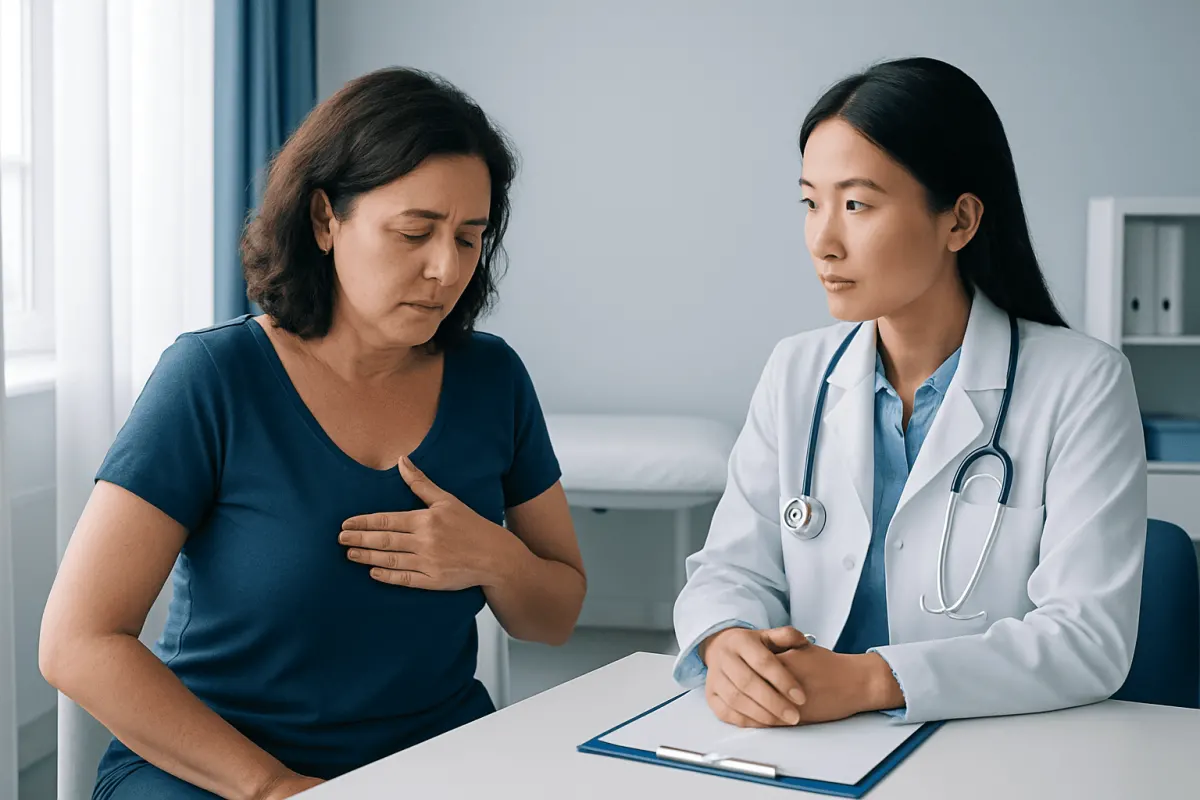
Diagnosis starts with a medical history and examination of both breasts, the underarm area and the lymph nodes near the collarbone. The clinician will ask when the changes began, how quickly they have evolved and whether there are symptoms such as fever, nipple changes or discharge.
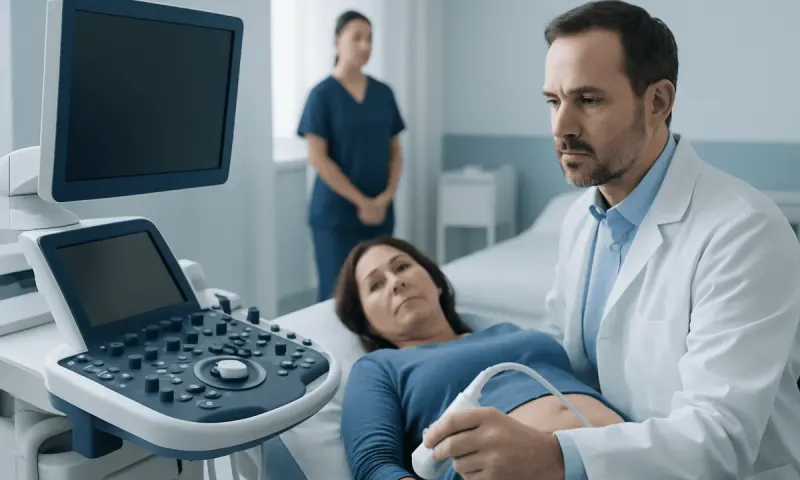
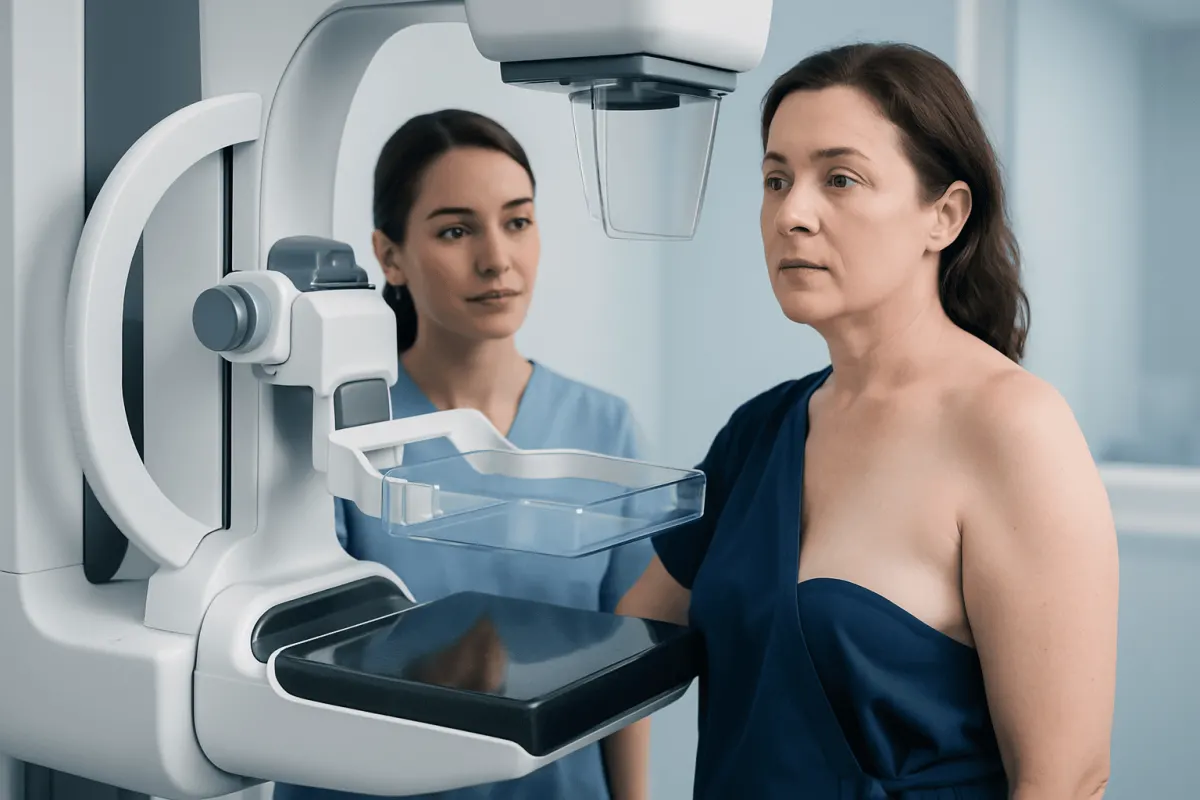
Breast imaging may include a diagnostic mammogram and ultrasound. Magnetic resonance imaging (MRI) may also be helpful in some cases, especially for showing the extent of changes within the breast and skin. Imaging can identify areas that should be sampled, but a biopsy is needed to confirm whether cancer is present.
A core needle biopsy takes small tissue samples for examination in a laboratory. A skin biopsy may also be performed if skin involvement is suspected. If cancer is diagnosed, the tissue is tested for hormone receptors and HER2, which guide treatment decisions. Staging tests may be recommended to check whether cancer has spread beyond the breast and nearby lymph nodes.
Inflammatory breast cancer is assessed and treated by a multidisciplinary team. This may include breast surgeons, medical oncologists, radiation oncologists, radiologists, pathologists, specialist nurses and supportive-care professionals.
Modern treatment approaches for inflammatory breast cancer
Treatment is usually planned in stages because inflammatory breast cancer is commonly treated as a locally advanced disease at diagnosis. Systemic treatment, such as chemotherapy, is often given first to treat cancer throughout the body and to reduce disease in the breast and lymph nodes. Depending on the tumour’s biology, treatment may also include HER2-targeted medicines, hormone therapy or other targeted or immunotherapy approaches.
If the cancer responds and surgery is appropriate, treatment often includes removal of the breast and affected lymph nodes. Cancer Treatment: Surgery, Radiation, and Drug Therapies" class="ahp-ilk">Breast cancer treatment plans are individualised, and reconstructive options may be discussed at an appropriate point in care. Radiotherapy is commonly used after surgery to reduce the risk of cancer returning in the chest wall and regional lymph node areas.
Some people need additional systemic treatment after surgery, based on the response to initial therapy and the cancer subtype. Supportive care is also an important part of treatment and may address fatigue, nausea, pain, emotional wellbeing, fertility concerns, nutrition and lymphoedema risk.
Clinical trials may be an option for some patients and can provide access to carefully studied new approaches. The treating oncology team can explain whether a trial is suitable and what participation involves.
What is the outlook for inflammatory breast cancer?
The outlook for inflammatory breast cancer depends on several factors, including the stage at diagnosis, whether cancer has spread, the tumour’s biological features and how well it responds to treatment. It is generally more challenging to treat than many other forms of breast cancer because it grows quickly and may already involve nearby lymph nodes when it is diagnosed.
Modern treatment has improved care by combining systemic therapy, surgery and radiotherapy in a coordinated way. Prognosis statistics describe groups of people and cannot predict what will happen for one individual. The most useful discussion is a personal one with the oncology team, which can explain the pathology results, treatment response and goals of care.
Follow-up appointments are important after active treatment. They allow clinicians to monitor recovery, manage lasting effects and investigate any new symptoms. Emotional support, rehabilitation and survivorship care can help patients and families through diagnosis, treatment and recovery.
When to seek medical care
Medical assessment should be arranged promptly for a breast that becomes newly red, swollen, warm, enlarged or noticeably different from the other breast, particularly when changes develop over days or weeks. New dimpling, thickened skin, nipple inversion or swollen lymph nodes should also be evaluated.
People who are breastfeeding and think they may have mastitis should contact a clinician, especially if they feel unwell, have fever or develop a painful lump. If presumed infection does not improve as expected with treatment, a further breast assessment is important. A clinician can decide whether imaging or referral to a breast specialist is needed.
Acıbadem Health Point’s multidisciplinary specialists and JCI-accredited hospitals provide diagnostic assessment and treatment planning for international patients with breast conditions, including breast cancer. Patients should seek urgent local medical care for severe illness, rapidly worsening symptoms or signs of a serious infection.
Frequently asked questions
01Can inflammatory breast cancer occur without a lump?
Yes. Inflammatory breast cancer often does not cause a distinct breast lump that a person can feel. Instead, it may cause redness, swelling, warmth, skin thickening and changes in breast shape or size. A clinical examination, imaging and biopsy are used to investigate concerning symptoms.
02Is inflammatory breast cancer painful?
It can be painful, tender, sore or associated with a burning or heavy feeling, but symptoms vary. Some people mainly notice swelling, redness or skin changes rather than pain. The absence of pain does not rule out a significant breast condition.
03Does redness of the breast always mean inflammatory breast cancer?
No. Redness can be caused by infection, breastfeeding-related mastitis, an abscess, skin conditions, injury or other non-cancerous causes. However, because inflammatory breast cancer can look similar to an infection, persistent or rapidly worsening redness should be assessed by a clinician.
04How is inflammatory breast cancer different from mastitis?
Mastitis is inflammation of breast tissue, often related to infection and commonly seen during breastfeeding. It may improve with appropriate treatment, while inflammatory breast cancer does not resolve with antibiotics alone. Because the conditions can overlap in appearance, follow-up is important if symptoms do not improve promptly.
05Can a mammogram detect inflammatory breast cancer?
A mammogram may show skin thickening, increased breast density, a mass or abnormal lymph nodes, but it may not detect every case. Ultrasound and breast MRI can provide additional information. A biopsy is necessary to confirm a <a href="https://www.acibademhealthpoint.com/blog/prostate-cancer-diagnosis-tests-and-next-steps/" title="Prostate Cancer Diagnosis: Tests and Next Steps" class="ahp-ilk">cancer diagnosis.
06Is inflammatory breast cancer treatable?
Yes. Treatment is available and usually combines systemic therapy, surgery and radiotherapy when appropriate. The exact plan depends on the cancer subtype, stage and response to initial treatment. An oncology team can explain the recommended approach and expected benefits and risks for the individual.
This article is for general information only and is not a substitute for professional medical advice. Please consult a qualified doctor about your individual situation.
Oncology care in Turkey — second opinion and treatment plan
JCI-accredited · board-certified surgeons · reply within 24h
Add us as a Preferred Source to see more of our trusted health content across Google Search, AI Overviews and Discover.