Mermaid Syndrome: A Rare Congenital Condition
Mermaid syndrome, medically called sirenomelia, is a very rare congenital condition marked by partial or complete fusion of the lower limbs and serious differences in the development of internal organs. It is usually identified during pregnancy, and care focuses on detailed assessment, family support, and specialist planning for the baby’s needs.
Overview: What Is Mermaid Syndrome?
Mermaid syndrome is a rare congenital condition in which a baby’s legs are partially or completely joined. Its medical name is sirenomelia, a term based on the appearance of the fused lower limbs. The condition begins very early in embryonic development, usually during the first weeks of pregnancy, when structures in the lower part of the body are forming.
Although the joined legs are the most recognizable feature, mermaid syndrome affects much more than the limbs. Many affected babies have significant differences involving the kidneys, urinary tract, bladder, reproductive organs, lower bowel, spine, pelvis, and blood vessels. The type and severity of these findings vary considerably from one pregnancy to another.
Mermaid syndrome is usually a severe, life-limiting condition. In many cases, the kidneys do not develop adequately or are absent. This can lead to very low amniotic fluid during pregnancy and underdevelopment of the lungs, which is particularly serious after birth. A small number of children with less extensive internal organ involvement have survived with highly specialized, long-term medical and surgical care.
How Mermaid Syndrome Develops
Sirenomelia is not considered an inherited condition in most families. It is generally thought to result from a complex disruption of early development rather than from a single known gene change. Researchers continue to study why this disruption occurs, and in many individual cases, a definite cause cannot be identified.
One theory involves an unusual pattern of blood supply to the lower body during early development, sometimes called the vascular steal hypothesis. Reduced blood flow may affect how the lower limbs, kidneys, bowel, and pelvic structures form. Other research suggests that changes in the early development of tissues in the lower embryo may also contribute.
Mermaid syndrome is related to, but distinct from, caudal regression syndrome. Both conditions can involve abnormalities of the lower spine, pelvis, legs, and internal organs. However, sirenomelia is specifically characterized by fusion of the lower limbs and often includes particularly severe urinary and kidney abnormalities. A fetal medicine specialist can explain the findings seen in an individual pregnancy.
Early Signs and Findings During Pregnancy

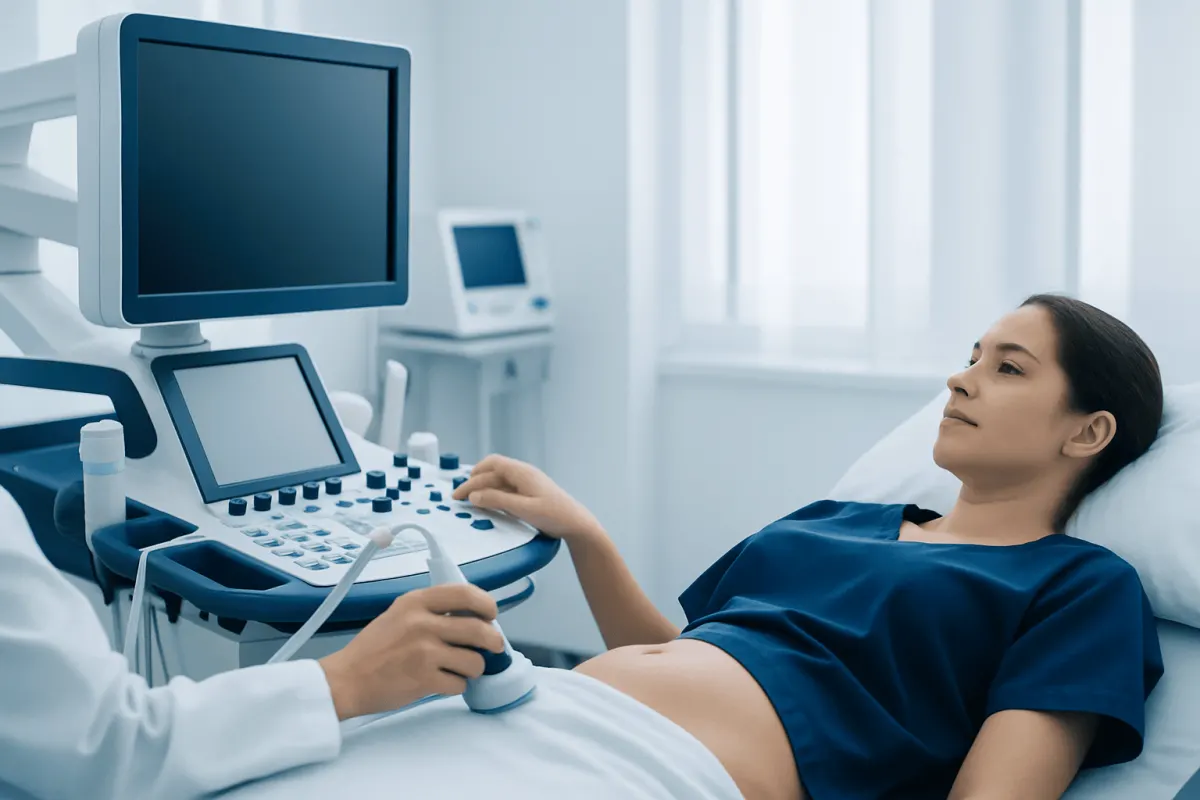
Mermaid syndrome is most often detected on a prenatal ultrasound. In some pregnancies, it may be recognized in the first trimester, while in others the diagnosis becomes clearer during the detailed anatomy ultrasound in the second trimester. The sonographer may see lower limbs that are close together or fused, as well as differences in the feet, long bones, pelvis, spine, kidneys, bladder, or umbilical cord.
A low amount of amniotic fluid, known as oligohydramnios, can be an important finding later in pregnancy. Because fetal urine normally contributes substantially to amniotic fluid after the early stages of pregnancy, very low fluid can suggest severe kidney or urinary tract development problems. Low fluid can also make ultrasound imaging more difficult, so additional assessments may be recommended.
Further testing may include a high-resolution ultrasound, fetal echocardiography to assess the heart, and fetal MRI in selected situations. Genetic counseling may be offered to discuss whether chromosome testing or other genetic testing could be helpful. These tests do not diagnose sirenomelia by themselves, but they may identify or rule out other conditions and help clarify the overall picture.
- Partial or complete joining of the lower limbs
- Only one umbilical artery rather than the usual two
- Absent, very small, or poorly functioning kidneys
- An absent or difficult-to-see bladder
- Differences in the lower spine, sacrum, pelvis, bowel, or genital structures
Causes and Risk Factors
In most cases, there is no clear explanation for why mermaid syndrome develops. Parents should know that this diagnosis is not evidence that they caused the condition through routine activity, work, exercise, food choices, or emotions during pregnancy. It is understandable to search for an explanation, and genetic counseling can provide an appropriate setting to discuss questions about cause and recurrence.
Maternal diabetes, particularly diabetes that is present before pregnancy and not well controlled around conception, has been associated with a higher risk of some lower-body developmental differences, including sirenomelia. However, most people with diabetes do not have a pregnancy affected by this condition, and not every sirenomelia pregnancy involves diabetes. The condition has also been reported in twin pregnancies, although this does not establish a direct cause.
Some medications, environmental exposures, and genetic pathways have been explored in research, but no single exposure is known to explain most human cases. When planning a pregnancy, people with diabetes or other chronic health conditions can speak with a doctor about optimizing health, reviewing medicines, and beginning recommended prenatal vitamins. These steps support pregnancy health overall, even though they cannot guarantee prevention of rare congenital conditions.
Diagnosis, Prognosis, and Family Counseling
Diagnosis is based primarily on prenatal imaging findings. A maternal-fetal medicine specialist reviews the baby’s limb development and examines other organs as carefully as possible. Because kidney development and lung growth are closely linked to prognosis, the presence or absence of kidneys, the amount of amniotic fluid, and evidence of lung development are especially important considerations.
The outlook depends on the full pattern of differences, not on limb fusion alone. When both kidneys are absent or severely underdeveloped, and the lungs have not developed sufficiently, survival after birth is unlikely. In the rare situations where there is enough kidney and lung function to support life, the child may still need intensive neonatal care and multiple procedures over many years.
Families should be offered clear, compassionate, non-directive counseling. This may include maternal-fetal medicine specialists, neonatologists, genetic counselors, pediatric surgeons, pediatric nephrologists, urologists, and palliative-care professionals. The team can explain what is known, acknowledge areas of uncertainty, discuss pregnancy and newborn-care options in line with local laws and family values, and provide emotional support throughout decision-making.
Treatment Options and Supportive Care
There is no treatment during pregnancy that can reverse sirenomelia or make fused limbs separate. Prenatal care focuses on confirming the findings, monitoring the pregnant person’s health, preparing for delivery when appropriate, and helping the family make informed choices. Delivery planning is individualized and may take place at a hospital with advanced neonatal and pediatric surgical services when active newborn treatment is being considered.
For babies who are born alive and are candidates for intensive treatment, immediate care may include support for breathing, circulation, feeding, and kidney function. Doctors assess whether the urinary tract can drain urine and whether dialysis may be possible. Surgical treatment, if appropriate, is carefully staged and may address urinary, bowel, abdominal wall, genital, pelvic, or limb-related differences. Separating fused legs is not always feasible or medically appropriate; protecting essential organ function comes first.
Care can be complex and long term. It may involve neonatal intensive care, kidney specialists, dialysis services, urology, pediatric surgery, orthopedics, rehabilitation, nutrition support, and developmental care. Comfort-focused care is also an important, active medical option when interventions are unlikely to change the outcome or do not align with family goals. Palliative-care teams help manage comfort and support families before and after birth.
Acıbadem Health Point’s multidisciplinary specialists and JCI-accredited hospitals can support international patients who need coordinated maternal-fetal assessment, neonatal consultation, and pediatric specialty care for complex congenital conditions.
Prevention, Pregnancy Planning, and When to Seek Medical Care
Because the exact cause of most cases is unknown, there is no certain way to prevent mermaid syndrome. Still, people planning pregnancy can take practical steps that support fetal development: arrange pre-pregnancy care, take folic acid as advised by a clinician, avoid alcohol and smoking, review all medicines with a healthcare professional, and attend routine prenatal appointments.
People with diabetes should ideally work with their diabetes and obstetric care teams before conception to aim for good blood glucose management. They should not stop prescribed medication without medical advice, since abrupt changes can create health risks. Early prenatal care allows clinicians to review medical history, assess risk factors, and schedule appropriate screening and ultrasound examinations.
When to seek medical care: A pregnant person should contact their obstetric clinician promptly if an ultrasound report mentions low amniotic fluid, fetal kidney concerns, limb differences, or an unclear anatomy scan. Urgent obstetric assessment is also important for vaginal bleeding, fluid leakage, severe abdominal pain, fever, markedly reduced fetal movement later in pregnancy, or any symptom the care team has advised them to report. These symptoms do not necessarily indicate mermaid syndrome, but they deserve timely evaluation.
Frequently asked questions
01Is mermaid syndrome the same as sirenomelia?
Yes. Mermaid syndrome is the commonly used descriptive name for sirenomelia. The medical term refers to congenital fusion of the lower limbs together with a variable range of abnormalities affecting internal organs and lower-body structures.
02Can mermaid syndrome be seen on ultrasound?
In many cases, it can be identified on prenatal ultrasound, sometimes early in pregnancy. A detailed scan by a maternal-fetal medicine specialist helps assess the limbs, kidneys, bladder, spine, heart, amniotic fluid, and other structures.
03What causes mermaid syndrome?
The exact cause is unknown in most cases. It is believed to involve a disruption of very early embryonic development, potentially including altered blood supply to the lower body, and it is usually not caused by anything a parent did during pregnancy.
04Is mermaid syndrome inherited?
Most cases are sporadic, meaning they occur without a known family history or predictable inheritance pattern. A genetic counselor can review the pregnancy findings, family history, and any test results to discuss whether further testing and recurrence counseling are appropriate.
05Can a baby survive with mermaid syndrome?
Many cases are life-limiting because of severe kidney abnormalities, very low amniotic fluid, and underdeveloped lungs. Rare survivors generally have less severe kidney and lung involvement and require extensive, specialized medical and surgical care.
06Can mermaid syndrome be prevented?
There is no proven method that prevents every case because the cause is usually not known. Pre-pregnancy health care, recommended folic acid supplementation, avoiding harmful substances, and careful diabetes management before and during pregnancy support overall fetal health.
This article is for general information only and is not a substitute for professional medical advice. Please consult a qualified doctor about your individual situation.
Persistent digestive symptoms? Get evaluated in Turkey
JCI-accredited · board-certified surgeons · reply within 24h
Add us as a Preferred Source to see more of our trusted health content across Google Search, AI Overviews and Discover.