Menstrual Pain: When Cramps Are Normal and When to Get Checked

Menstrual pain, often called period cramps or dysmenorrhea, is common and usually related to the natural muscle contractions of the uterus during a period. However, pain that is severe, worsening, or linked with other symptoms may point to an underlying condition and deserves medical evaluation.
Overview
Menstrual pain refers to cramping or aching that happens before or during a menstrual period. For many women, it is a normal part of the menstrual cycle. The discomfort is usually felt in the lower abdomen, but it can also spread to the lower back, hips, or thighs. Pain may be mild and manageable, or it may be strong enough to interfere with work, school, sleep, or daily routines.
The medical term for painful periods is dysmenorrhea. There are two main types. Primary dysmenorrhea is common period pain that is not caused by another pelvic disease. It usually begins within a few years of starting menstruation. Secondary dysmenorrhea is menstrual pain linked to an underlying condition, such as endometriosis, uterine fibroids, adenomyosis, or infection.
Period cramps happen because the uterus contracts to shed its lining. These contractions are triggered by hormone-like substances called prostaglandins. Higher levels of prostaglandins can lead to stronger contractions and more pain. While some cramping can be expected, pain that becomes intense, changes over time, or comes with unusual symptoms should not be ignored.
Symptoms
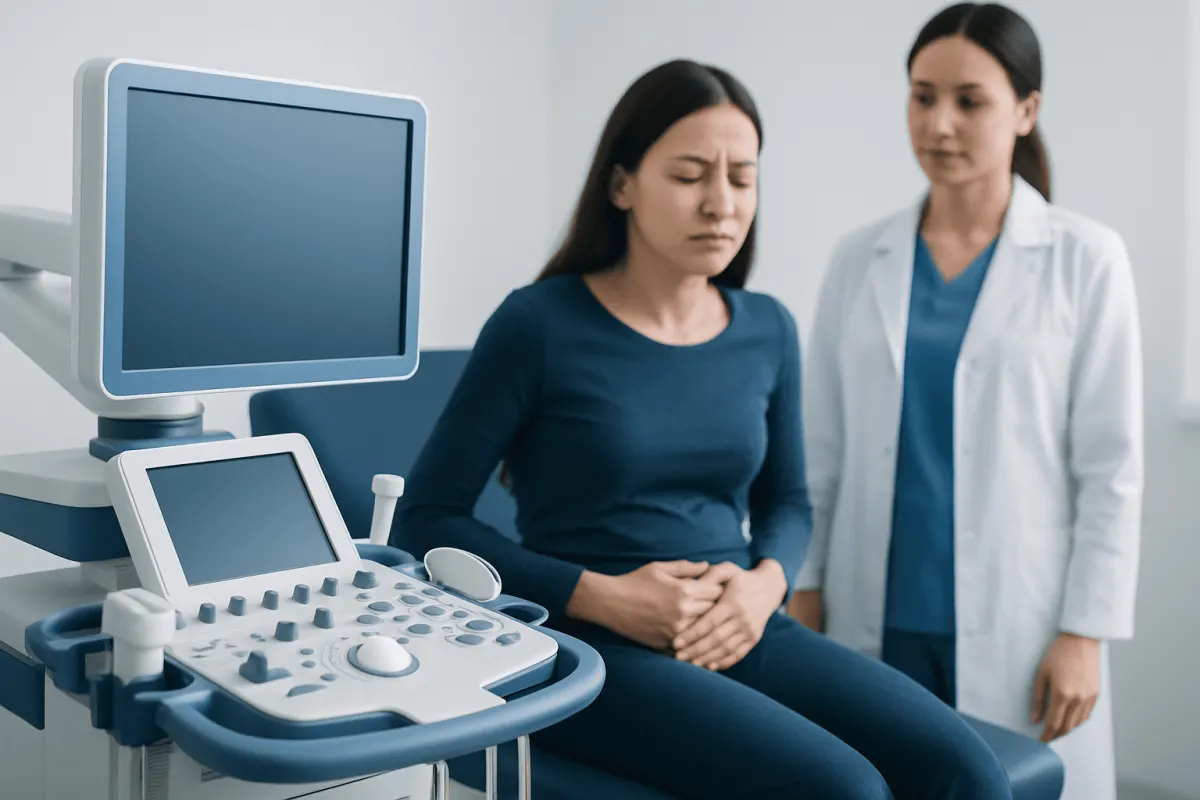
Typical menstrual cramps feel like throbbing, tightening, or aching in the lower abdomen. The pain often starts shortly before bleeding begins or in the first day of the period, then gradually eases over one to three days. Some women also notice low back pain, discomfort in the upper legs, bloating, fatigue, nausea, loose stools, or headache.
Symptoms can vary from month to month. Mild to moderate cramps that respond to rest, heat, gentle movement, or common pain relievers are often part of primary dysmenorrhea. The pattern is usually predictable and does not cause major changes outside the menstrual period.
Certain features may suggest that the pain is not simply routine period cramping. These include cramps that are severe from the start, get worse over time, begin well after years of painless periods, or continue beyond the first few days of bleeding. Pain during sex, bleeding between periods, very heavy menstrual bleeding, fever, dizziness, or unusual vaginal discharge are also signs that medical assessment may be helpful.
- Common symptoms: lower abdominal cramping, back pain, thigh discomfort, nausea, headache
- Concerning symptoms: very heavy bleeding, pain between periods, painful sex, fever, faintness, unusual discharge
- Impact clues: missed school or work, inability to exercise, poor sleep, repeated need for strong pain medicine
Causes and Risk Factors
Primary dysmenorrhea is caused by the body’s menstrual process itself. During a period, the uterus produces prostaglandins that help it contract and shed its lining. If prostaglandin levels are higher, the contractions can be stronger and may temporarily reduce blood flow to uterine tissue, causing pain. This form of menstrual pain often starts in adolescence or early adulthood and may improve with age or after pregnancy.
Secondary dysmenorrhea has an underlying cause. Common examples include endometriosis, adenomyosis, uterine fibroids, pelvic inflammatory disease, ovarian cysts, and, less commonly, structural differences of the uterus or cervix. In these cases, the pain may begin earlier in the cycle, last longer, or come with heavy bleeding, infertility, bowel symptoms, or pain during intercourse.
Some factors are linked with a greater chance of painful periods. These can include younger age, early onset of menstruation, a family history of period pain, smoking, stress, heavy menstrual flow, and longer periods. Having risk factors does not mean a serious condition is present, but they can help explain why some women experience more discomfort than others.
It is also important to remember that severe period pain is not something a person simply has to accept. Even when no dangerous disease is found, symptoms deserve attention if they affect quality of life. Effective treatments are available for both primary dysmenorrhea and many of the conditions that can cause secondary dysmenorrhea.
Diagnosis
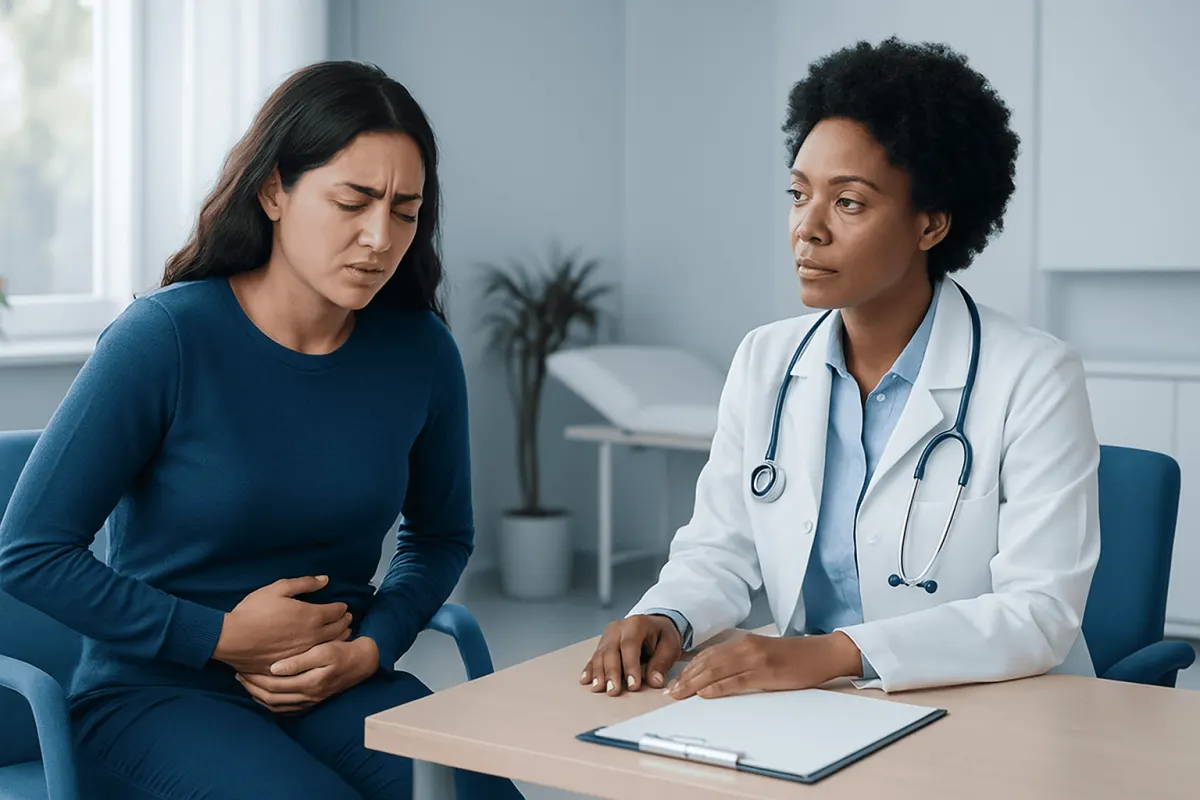
Diagnosis begins with a careful history. A doctor will ask when the pain started, where it is felt, how long it lasts, how heavy the bleeding is, and whether symptoms occur only during periods or at other times as well. They may also ask about sexual health, contraception, pregnancy possibility, bowel or bladder symptoms, and family history of conditions such as endometriosis or fibroids.
A physical examination may be recommended, especially if symptoms suggest a cause beyond routine cramps. Depending on age and circumstances, this may include an abdominal exam and sometimes a pelvic exam. Not every patient needs the same evaluation, and clinicians usually tailor testing to symptoms, age, and personal comfort.
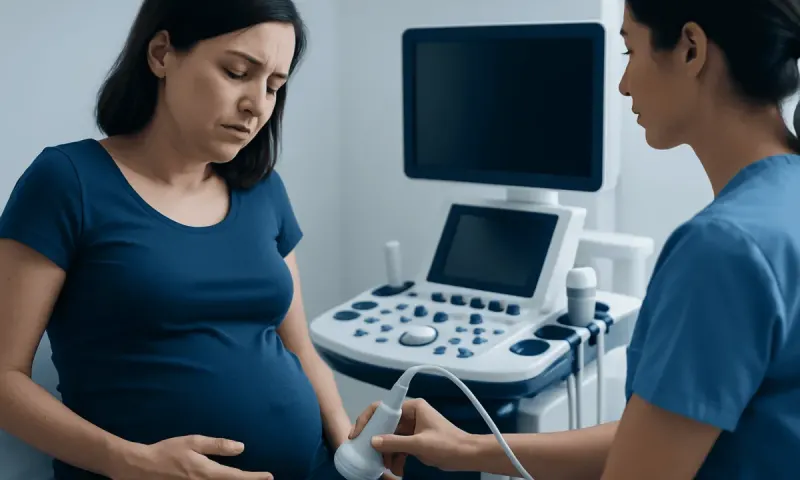
If secondary dysmenorrhea is suspected, imaging such as pelvic ultrasound may help identify fibroids, ovarian cysts, adenomyosis, or other pelvic changes. In selected cases, blood tests or tests for infection may be advised. When endometriosis is strongly suspected and symptoms do not improve with initial treatment, a specialist may discuss further evaluation and options such as laparoscopy for diagnosis and treatment.
The goal of diagnosis is not only to name the problem but also to find the safest and most effective way to reduce pain and protect long-term health. For many women, simply understanding whether cramps are typical or linked to another condition can be very reassuring.
Treatment Options
Treatment depends on the cause, the severity of symptoms, age, general health, and whether pregnancy is desired. For primary dysmenorrhea, the first step is often symptom relief. Nonsteroidal anti-inflammatory drugs, when suitable for the individual, are commonly used because they reduce prostaglandin production and can work best when started at the beginning of cramps or just before the period starts. A doctor or pharmacist can advise on the safest choice based on medical history.
Hormonal treatments may also help by making periods lighter and reducing ovulation-related pain. These can include certain birth control pills or other hormone-based options. They are especially useful for women who also want contraception, but they may also be used simply to control painful periods. The best option depends on personal needs, risk factors, and preferences.
When an underlying condition is found, treatment focuses on that condition. For example, care may include medicines, hormone therapy, or procedures for fibroids, adenomyosis, ovarian cysts, or infection. Women with significant fibroids may be evaluated with myomectomy or other appropriate approaches. Endometriosis-related pain often benefits from specialist care and, in some cases, minimally invasive treatment planning.
If symptoms are severe, persistent, or affecting fertility goals, referral to a gynecologist may be recommended. Near the end of the care journey, some international patients choose centers such as Acıbadem Health Point, where multidisciplinary specialists in JCI-accredited hospitals evaluate and treat menstrual pain and its underlying causes.
Prevention and Self-care
Not all menstrual pain can be prevented, but self-care can make a meaningful difference. Many women find relief with a heating pad or warm bath, as heat helps relax the uterine muscles and ease cramping. Gentle movement, stretching, walking, or light exercise can also reduce discomfort for some people, even when resting feels more appealing.
Good sleep, regular meals, hydration, and stress management may support overall cycle comfort. Some women notice that cramps feel worse during highly stressful times. Relaxation techniques such as slow breathing, yoga, or mindfulness may help reduce tension and improve coping, although they do not replace medical treatment when pain is significant.
Keeping a symptom diary can be very helpful. Recording the timing of pain, bleeding pattern, medications used, and any related symptoms creates a clear picture for a doctor and may show whether the pattern is stable or changing. This is especially useful if symptoms suggest an underlying condition or if current treatments are not helping enough.
Self-care is most useful for typical, mild to moderate cramps. If pain is severe, new, or disruptive, repeated self-treatment without evaluation can delay diagnosis of a treatable condition. Seeking care early is often the best way to gain better long-term symptom control.
When to See a Doctor
A doctor should be consulted if menstrual pain is severe, suddenly different from usual, or regularly disrupts daily life. Missing work or school, vomiting from pain, needing frequent high-dose pain medicines, or being unable to sleep or function normally are strong reasons to seek medical advice. Pain that does not improve with simple measures also deserves assessment.
Urgent medical attention may be needed if cramps are accompanied by fever, fainting, severe dizziness, very heavy bleeding, sudden one-sided pelvic pain, or symptoms of pregnancy complications. New pelvic pain in someone who may be pregnant should always be evaluated promptly.
It is also wise to arrange a check-up if there is pain during sex, bleeding between periods, infertility concerns, unusual vaginal discharge, or bowel and bladder symptoms related to the menstrual cycle. These features may point to conditions such as endometriosis, fibroids, infection, or adenomyosis, all of which can often be treated more effectively when identified earlier.
No one should feel that severe period pain must simply be tolerated. A clear diagnosis and personalized treatment plan can improve comfort, confidence, and quality of life.
Frequently asked questions
01Is menstrual pain normal?
Mild to moderate menstrual pain is common and is often caused by normal uterine contractions during a period. However, pain that is severe, worsening, or associated with unusual symptoms should be assessed by a doctor.
02What is the difference between primary and secondary dysmenorrhea?
Primary dysmenorrhea means period pain that happens without another pelvic disease. Secondary dysmenorrhea means the pain is caused by an underlying condition such as endometriosis, fibroids, adenomyosis, or pelvic infection.
03When should period cramps be checked by a doctor?
A medical review is a good idea if cramps stop someone from doing normal activities, do not improve with usual pain relief, or become worse than before. Bleeding between periods, painful sex, very heavy bleeding, fever, or unusual discharge are also important reasons to seek care.
04Can endometriosis cause painful periods?
Yes, endometriosis is a common cause of secondary dysmenorrhea. It can cause severe period pain, pain during sex, bowel symptoms, and sometimes difficulty becoming pregnant.
05What tests are used to find the cause of menstrual pain?
Doctors usually begin with a symptom history and, when appropriate, a physical or pelvic examination. Depending on the situation, they may recommend pelvic ultrasound, tests for infection, or specialist evaluation for conditions such as endometriosis.
06What helps relieve period cramps at home?
Heat, rest, gentle exercise, hydration, and over-the-counter pain relievers can help many women with routine menstrual cramps. A symptom diary is also useful, especially if the pain is changing or affecting daily life.
This article is for general information only and is not a substitute for professional medical advice. Please consult a qualified doctor about your individual situation.
Persistent digestive symptoms? Get evaluated in Turkey
JCI-accredited · board-certified surgeons · reply within 24h
Add us as a Preferred Source to see more of our trusted health content across Google Search, AI Overviews and Discover.