Early Pregnancy Cramps: When Pain Needs Attention
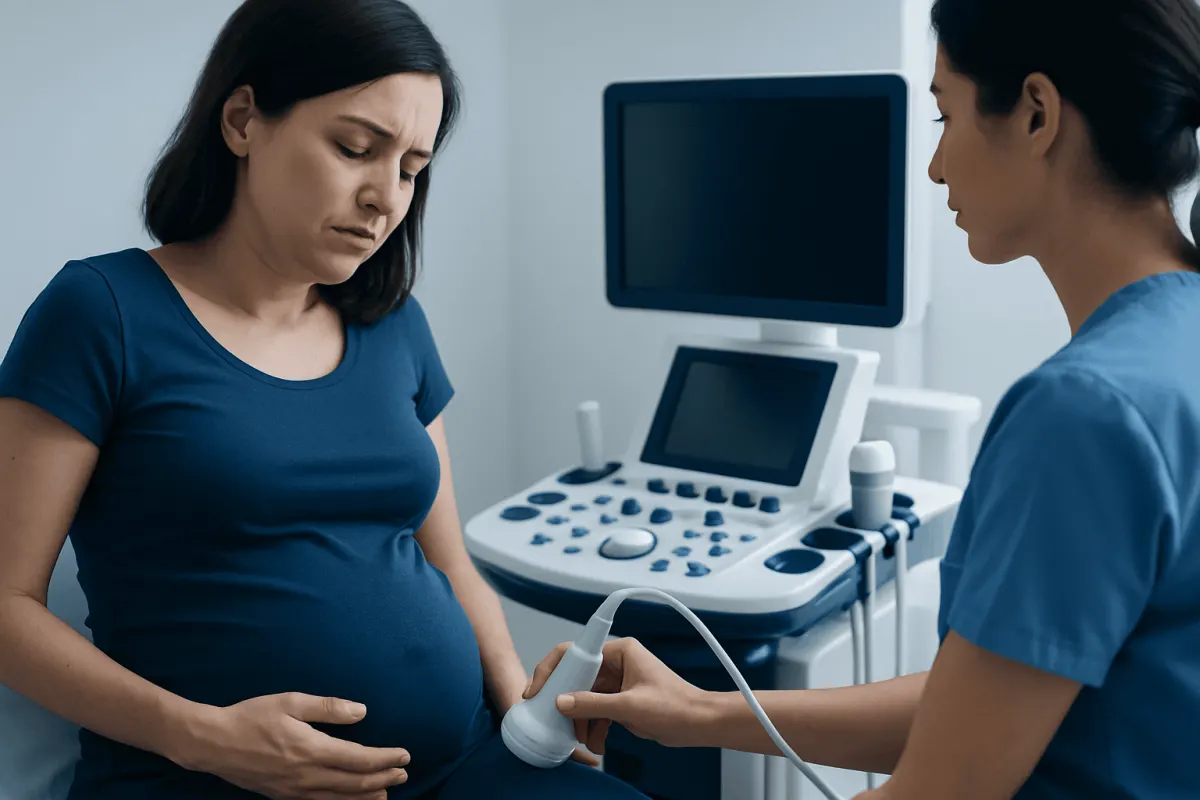
Mild pregnancy cramps in early pregnancy are common and can occur as the uterus changes, digestion slows, and supporting tissues stretch. However, pain that is severe, persistent, one-sided, or accompanied by bleeding, dizziness, shoulder pain, fever, or fainting should be assessed promptly.
Overview: Are Cramps Normal in Early Pregnancy?
Pregnancy cramps in early pregnancy are a frequent concern, particularly during the first weeks after a positive pregnancy test. Many people describe a mild pulling, pressure, twinging, or period-like sensation low in the abdomen or pelvis. When cramps are mild, come and go, and are not associated with concerning symptoms, they are often part of normal physical changes in early pregnancy.
Early pregnancy involves rapid hormonal and anatomical changes. The uterus begins to grow, blood flow to the pelvis increases, and the ligaments and tissues supporting the uterus start to adapt. These changes can create discomfort that feels similar to menstrual cramps. Digestive changes, including bloating and constipation, can also contribute to abdominal discomfort.
It is still important not to dismiss pain automatically. The location, intensity, timing, and accompanying symptoms can help a clinician distinguish common pregnancy discomforts from conditions requiring assessment. Anyone who is uncertain about cramping, especially if symptoms are new or worsening, should contact their maternity care provider or doctor.
What Early Pregnancy Cramps May Feel Like
Normal early pregnancy cramping is usually mild to moderate rather than intense. It may feel like a dull ache, tightness, occasional sharp twinge, or light menstrual-type cramp. Some people feel it in the center of the lower abdomen, while others notice it on either side of the pelvis or in the lower back.
These sensations may be intermittent. They can become more noticeable after physical activity, a long period of standing, sexual intercourse, urination, or a bowel movement. Cramps that improve with rest, changing position, passing gas, drinking fluids, or emptying the bladder are often less concerning, although symptoms should still be monitored.
Every pregnancy is different. Some people have noticeable cramps and others have none. The presence or absence of cramping alone cannot confirm whether a pregnancy is progressing normally, which is why healthcare professionals consider symptoms together with medical history, examination findings, blood tests, and ultrasound when needed.
Common Causes of Cramping in the First Trimester
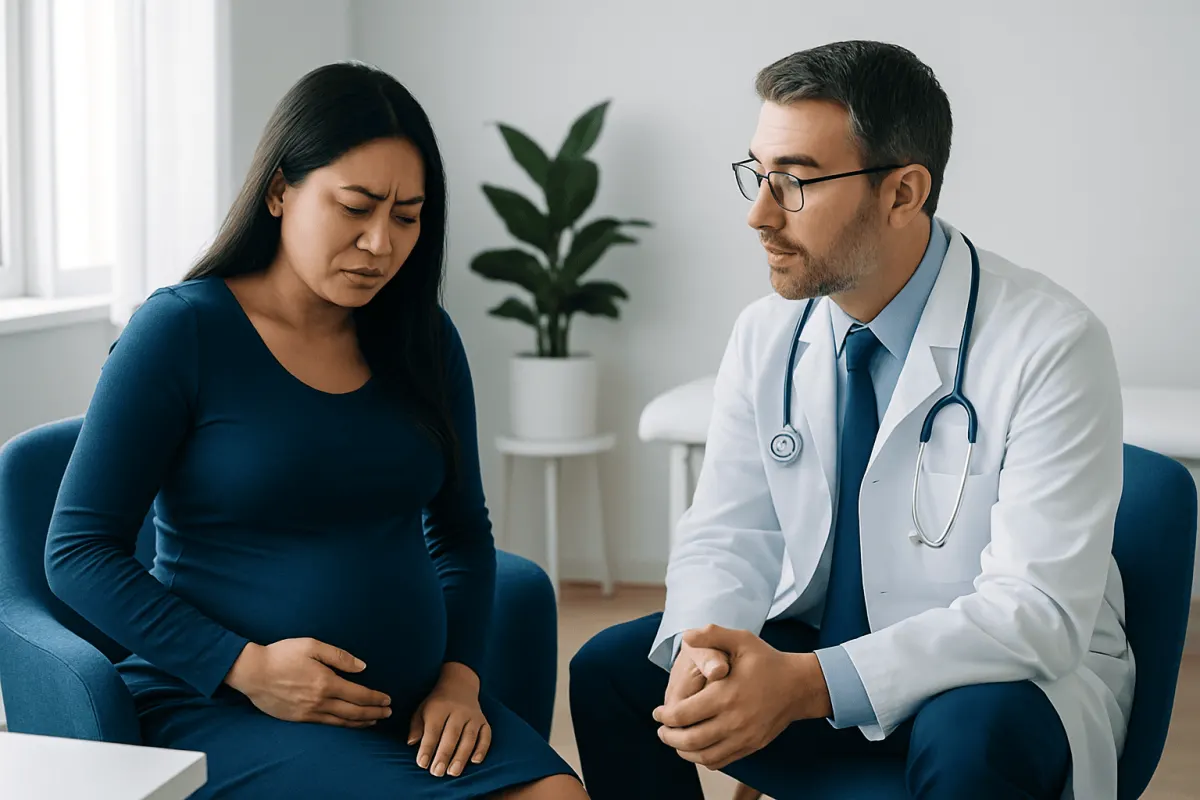
Several normal processes can cause cramps in the first trimester. Around the time a fertilized egg attaches to the lining of the uterus, some people experience light cramping and spotting. This is often called implantation bleeding, although not everyone experiences it and bleeding in pregnancy should always be reported for individual advice.
As pregnancy develops, the uterus gradually enlarges and its supporting tissues begin to stretch. Hormonal changes also relax muscles in the digestive tract. This can slow bowel movements and increase gas, bloating, and constipation, all of which may cause lower abdominal pain or pressure.
Other possible causes include a full bladder, dehydration, urinary tract infection, vaginal infection, or ovarian cysts. In some pregnancies, an ultrasound may identify a small bleed around the gestational sac, sometimes called a subchorionic hematoma. This may cause spotting or cramps and should be followed according to a clinician’s advice.
Cramping can also occur in pregnancies affected by miscarriage or ectopic pregnancy. A ectopic pregnancy occurs when a fertilized egg implants outside the main cavity of the uterus, most commonly in a fallopian tube. It is less common than normal intrauterine pregnancy but needs urgent diagnosis and care because it can become serious if untreated.
When Cramping Could Signal a Problem
Cramping does not necessarily mean something is wrong, even when light bleeding occurs. However, prompt medical advice is important if there is vaginal bleeding, passing of tissue or clots, or cramping that is getting stronger. A clinician may recommend an examination, pregnancy hormone blood tests, and an ultrasound to better understand the cause.
Urgent assessment is needed for severe abdominal or pelvic pain, pain concentrated on one side, pain that does not ease, shoulder-tip pain, dizziness, weakness, fainting, or a feeling of being very unwell. These symptoms can occur with ectopic pregnancy or internal bleeding and should not be managed at home.
Fever, chills, painful urination, unusual vaginal discharge, vomiting that prevents fluid intake, or marked abdominal tenderness also require medical review. Infection, urinary conditions, appendicitis, ovarian torsion, and other non-pregnancy-related causes of abdominal pain can occur during pregnancy and may need timely treatment.
- Call emergency services or seek emergency care for severe pain, fainting, shoulder pain, heavy bleeding, or signs of shock.
- Contact a doctor or maternity unit the same day for bleeding, worsening cramps, fever, painful urination, or persistent pain.
- Seek advice whenever symptoms feel different from expected or are causing concern.
How Doctors Assess Early Pregnancy Cramping
A healthcare professional will usually ask when the pain started, where it is located, how severe it is, whether it comes and goes, and what makes it better or worse. They may also ask about vaginal bleeding, discharge, urinary symptoms, bowel changes, prior pregnancies, previous ectopic pregnancy, fertility treatment, contraception use, and relevant medical history.
Assessment may include a urine test, blood tests, and an ultrasound scan. Blood testing for human chorionic gonadotropin (hCG), the pregnancy hormone, may be repeated after a period of time to help assess early pregnancy development. Ultrasound can help identify whether the pregnancy is located in the uterus, although it may be too early to see all expected structures during the earliest weeks.
Sometimes clinicians need to repeat blood tests or ultrasound because dates may be uncertain or the pregnancy is very early. Waiting for follow-up can be emotionally difficult, but repeat assessment often provides clearer information. People should be given clear instructions on what symptoms require urgent care while waiting.
Safe Self-Care for Mild Cramps
For mild cramps without bleeding or warning signs, simple measures may provide relief. Resting when needed, drinking water regularly, eating small balanced meals, and avoiding becoming overly constipated can be helpful. Gentle walking or other pregnancy-appropriate movement may relieve trapped gas and reduce stiffness for some people.
A warm shower or a comfortably warm, not hot, compress over the lower abdomen may ease muscular discomfort. It is best to avoid overheating, including very hot baths, saunas, and hot tubs during early pregnancy. Tight clothing may also worsen pressure or bloating, so loose and comfortable clothing can be preferable.
Medication choices should be discussed with a doctor, pharmacist, or maternity professional because not all medicines are appropriate in pregnancy. Paracetamol/acetaminophen is commonly considered an option when used as directed by a clinician or product label, but a pregnant person should seek individualized advice, particularly if pain is ongoing or they have a health condition. Non-steroidal anti-inflammatory medicines should not be started without medical guidance in pregnancy.
Keeping a brief note of the cramps, bleeding, bowel symptoms, and any triggers can be useful when speaking with a healthcare professional. Self-care should not delay assessment of severe, persistent, or unusual pain.
Reducing Discomfort and Supporting a Healthy Pregnancy
Not all early pregnancy cramps can be prevented, because many are related to normal uterine and hormonal changes. However, regular fluid intake, fiber-rich foods, and gradual physical activity can support bowel regularity and may reduce discomfort from constipation and gas. Any major dietary changes should be discussed with a healthcare professional if nausea, vomiting, or a medical condition makes eating difficult.
Attending early prenatal appointments helps identify health needs and gives patients an opportunity to discuss symptoms. Taking a prenatal vitamin containing folic acid as recommended by a clinician is important before and during early pregnancy. Avoiding smoking, alcohol, and recreational drugs also supports pregnancy health.
People who have had an ectopic pregnancy, recurrent pregnancy loss, pelvic surgery, fertility treatment, or a pregnancy with an intrauterine device in place should tell their healthcare professional as early as possible. These factors do not mean a problem will occur, but they may affect the timing and type of early pregnancy monitoring.
When to Contact a Doctor
It is appropriate to contact a doctor, midwife, or maternity service for reassurance about any pregnancy cramps in early pregnancy. A clinician can advise whether symptoms can be observed at home, need a routine appointment, or require same-day assessment. Trusting personal instincts matters; if something feels wrong, it is reasonable to seek help.
Emergency care is especially important for heavy vaginal bleeding, severe or escalating pain, one-sided pelvic pain, shoulder-tip pain, fainting, severe dizziness, or weakness. These symptoms may indicate a time-sensitive complication and should be assessed urgently rather than waiting for a scheduled appointment.
Acıbadem Health Point’s multidisciplinary specialists and JCI-accredited hospitals can assess early pregnancy symptoms and provide appropriate diagnostic and treatment planning for international patients. Care should always be individualized, with urgent symptoms evaluated without delay.
Frequently asked questions
01How much cramping is normal in early pregnancy?
Mild, occasional lower abdominal or pelvic cramping can be normal in early pregnancy. It often feels similar to light menstrual cramps and may improve with rest, hydration, or passing gas. Severe, persistent, or worsening pain should be assessed by a healthcare professional.
02Can early pregnancy cramps happen without bleeding?
Yes. Many normal early pregnancy changes can cause cramping without any bleeding, including uterine growth, stretching tissues, constipation, and bloating. However, the absence of bleeding does not rule out every possible cause of pain, so persistent or intense symptoms still need medical advice.
03Are cramps and spotting always a sign of miscarriage?
No. Light spotting and mild cramps can occur in otherwise healthy pregnancies. However, bleeding during pregnancy should be reported to a doctor or maternity care provider, especially when it is increasing, bright red, associated with clots, or accompanied by stronger pain.
04When should I worry about one-sided cramps in pregnancy?
Brief mild twinges can sometimes be felt on either side as tissues change. However, significant or persistent pain on one side, particularly with bleeding, shoulder pain, dizziness, or fainting, needs urgent assessment because it may be associated with an ectopic pregnancy or another acute condition.
05Can gas and constipation cause cramps in early pregnancy?
Yes. Pregnancy hormones can slow digestion, making constipation, gas, and bloating more common. These can cause cramping or pressure in the lower abdomen. Drinking fluids, eating fiber-containing foods, and staying gently active may help, but persistent pain should be discussed with a clinician.
06What can help mild early pregnancy cramps at home?
Rest, hydration, gentle movement, and a warm shower may help mild cramps when there are no warning signs. It is important to avoid very hot baths or heat exposure and to ask a healthcare professional before taking medication. New, worsening, or severe pain should not be treated only at home.
This article is for general information only and is not a substitute for professional medical advice. Please consult a qualified doctor about your individual situation.
Persistent digestive symptoms? Get evaluated in Turkey
JCI-accredited · board-certified surgeons · reply within 24h
Add us as a Preferred Source to see more of our trusted health content across Google Search, AI Overviews and Discover.