Pain in the Vagina After Intercourse: Causes
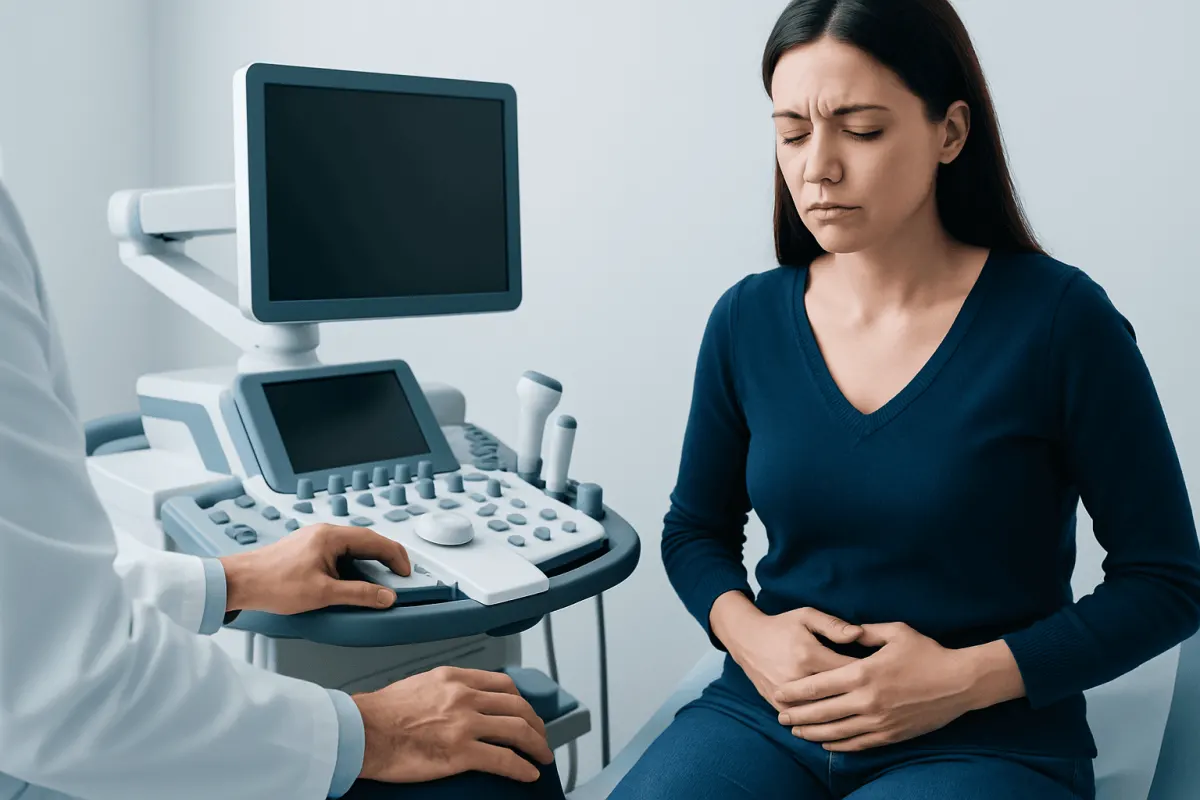
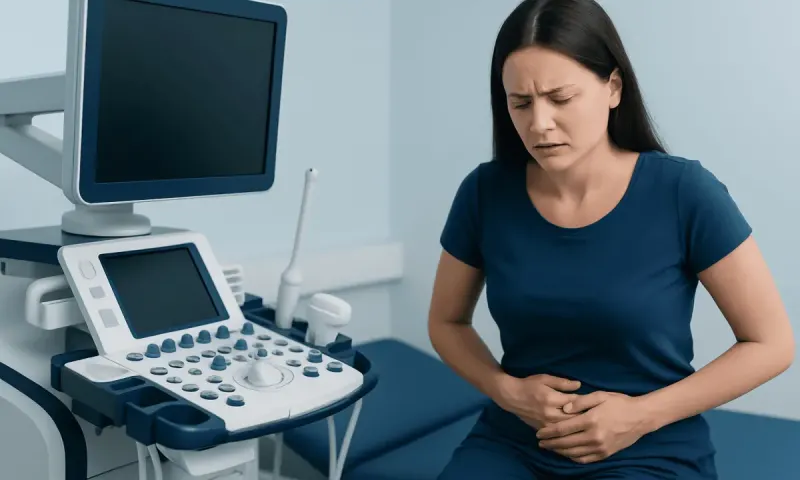
Pain in Virginia after intercourse is commonly intended to mean vaginal or vulvar pain after sex. It can be caused by temporary dryness or irritation, but recurring, severe, or deep pelvic pain deserves medical assessment because infections, pelvic floor muscle problems, and gynecological conditions can also contribute.
Overview: What Pain After Intercourse Can Mean
Pain in Virginia after intercourse is usually a spelling or voice-search variation of vaginal pain after sex. The medical term for pain associated with sexual intercourse is dyspareunia. Discomfort may be felt at the vulva or vaginal opening, inside the vagina, or as a deeper ache or cramping sensation in the pelvis during or after intercourse.
Occasional mild discomfort can happen when there is not enough natural lubrication, when sex is rushed, or after friction or irritation. However, recurrent pain, pain that interferes with intimacy, or pain accompanied by bleeding, discharge, urinary symptoms, or pelvic symptoms should be discussed with a qualified clinician. The cause is often treatable, and an evaluation can help avoid unnecessary discomfort and worry.
Pain after sex is not always caused by one issue. Physical factors, hormonal changes, muscle tension, emotional stress, previous pain experiences, and relationship comfort can overlap. A supportive, nonjudgmental medical assessment looks at the whole pattern rather than assuming the symptoms are “normal.”
The Pattern of Pain Can Offer Useful Clues
Where and when the pain occurs can help a clinician narrow down possible causes. Entry pain is felt at the vulva or vaginal opening when penetration begins. It may feel like burning, stinging, rawness, tightness, or tearing. This pattern is often linked to dryness, local skin irritation, infection, inflammation, scar tissue, or involuntary tightening of the pelvic floor muscles.
Deep pain occurs with deeper penetration or may continue as lower abdominal or pelvic aching afterward. It can be related to the position or depth of penetration, but it may also occur with conditions affecting the uterus, ovaries, fallopian tubes, bladder, bowel, or pelvic muscles. Some people notice a cyclic pattern, with pain worse around menstruation or ovulation.
It can be helpful to note whether pain is new or longstanding; whether it happens every time or only with certain positions; and whether there are related symptoms such as itching, unusual discharge, odor, bleeding, urinary burning, constipation, or painful periods. These details are useful for diagnosis, but self-diagnosis is not necessary or expected.
- Burning or rawness: often suggests irritation, dryness, or inflammation.
- Tightness or difficulty with penetration: may involve pelvic floor muscle tension.
- Deep cramping or aching: may point to pelvic organs or deeper pelvic structures.
- Pain with abnormal discharge or urinary symptoms: may indicate an infection requiring testing.
Common Causes of Vaginal Pain After Sex
Vaginal dryness is one of the most frequent and manageable reasons for pain after intercourse. Natural lubrication can be reduced by inadequate arousal, stress, breastfeeding, menopause, certain medicines, and hormonal changes. Friction can cause temporary soreness or small surface tears. Using a compatible personal lubricant, allowing more time for arousal, and stopping if pain develops can reduce friction-related discomfort.
Products that contact sensitive genital skin can also cause irritation. Fragranced washes, douches, scented pads, some lubricants, spermicides, latex products, or tight clothing may trigger burning or soreness in susceptible people. The vulvar area generally needs only gentle external cleansing with water or a mild, unscented product if needed; douching is not recommended because it can disrupt the normal vaginal environment.
Vaginal infections and sexually transmitted infections can cause pain with or after intercourse. Yeast infections may cause itching and thick discharge, while bacterial vaginosis can cause a change in discharge or odor. Chlamydia, gonorrhea, trichomoniasis, genital herpes, and other infections may cause symptoms, but some infections cause few or no noticeable signs. Testing is important when infection is possible, as symptoms alone cannot reliably identify the cause.
Some people experience pain due to pelvic floor muscles that tighten or do not relax appropriately. This may develop in response to stress, previous pain, injury, childbirth, surgery, or no clear identifiable event. Pelvic floor physical therapy and gradual, individualized care can be helpful when muscle overactivity is contributing.
Related Pelvic and Gynecological Conditions
Deep pain during or after sex can sometimes be associated with gynecological conditions. Endometriosis occurs when tissue similar to the uterine lining grows outside the uterus and may be associated with painful periods, chronic pelvic pain, bowel or bladder symptoms around menstruation, and pain with deep penetration. Symptoms vary widely, and a normal examination does not always exclude the condition. Learn more about endometriosis.
Ovarian cysts, uterine fibroids, adenomyosis, and pelvic adhesions may also contribute to pelvic pressure or deep discomfort, although not every cyst or fibroid causes symptoms. Pelvic inflammatory disease can develop when infection spreads to the upper reproductive tract. It may cause pelvic pain, abnormal discharge, fever, bleeding between periods, or pain with sex and requires prompt medical care.
Vulvar skin conditions, including dermatitis and lichen sclerosus, can make the skin fragile, itchy, or painful. Bladder pain syndrome, irritable bowel syndrome, constipation, and other non-gynecological conditions may also create pelvic discomfort that is noticed during intercourse. For this reason, an evaluation may involve a gynecologist, primary care clinician, urologist, dermatologist, gastroenterologist, or pelvic floor therapist depending on the symptom pattern.
Emotional wellbeing matters too. Anxiety about anticipated pain can lead to muscle guarding, which can worsen discomfort. This does not mean pain is imagined or “only psychological.” It means that physical symptoms and the nervous system can influence each other, and care may be most effective when both are addressed respectfully.
How Clinicians Assess the Cause
A clinician will usually begin by asking about the location, timing, quality, and severity of pain; menstrual history; contraception; pregnancy possibility; past infections; medicines; and any urinary, bowel, skin, or discharge changes. They may also ask about previous childbirth, pelvic procedures, trauma, and sexual comfort. A person can request a slower examination, ask questions, or stop an examination at any time.
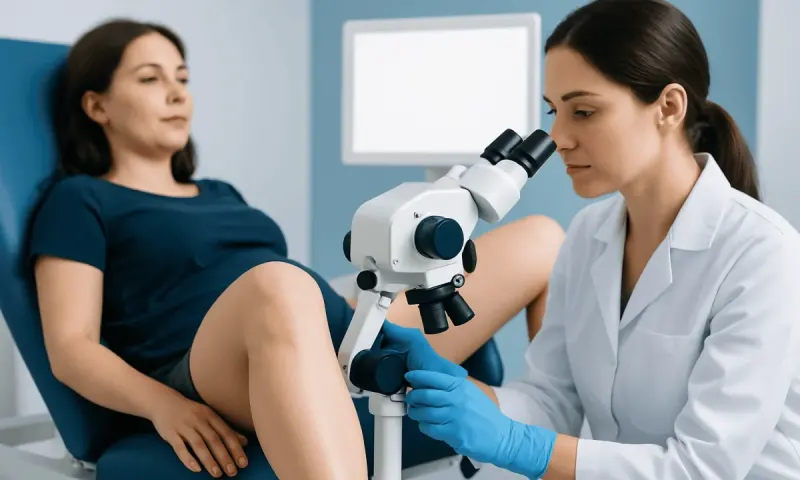
Depending on the symptoms, assessment may include an external vulvar examination, a gentle internal pelvic examination, and swabs or urine tests for infection. Pregnancy testing may be appropriate for people who could be pregnant. Screening for sexually transmitted infections may be recommended based on symptoms and exposure risk, even if a partner has no symptoms.
An ultrasound may be considered when there is persistent deep pelvic pain, a suspected ovarian or uterine condition, or abnormal bleeding. Further imaging, specialist referral, or diagnostic procedures are only needed in selected situations. No single test explains every type of pain after sex, so the diagnosis often comes from combining the history, examination, and targeted tests.
Keeping a brief symptom record before an appointment can be useful. It may include the timing in relation to the menstrual cycle, type and location of pain, bleeding or discharge, products used, sexual positions, and what improves or worsens the discomfort. The record should support the conversation, not delay care.
Treatment and Safer Self-Care Measures
Treatment is based on the underlying cause. When dryness or friction is likely, pausing penetration when discomfort begins, increasing arousal time, and using a water- or silicone-based lubricant may help. People using condoms should check product compatibility, as oil-based products can weaken latex condoms. A vaginal moisturizer used regularly may be helpful for ongoing dryness; a clinician can advise whether local hormonal treatment or another approach is suitable, particularly around menopause.
If tests identify a vaginal infection or sexually transmitted infection, appropriate prescribed treatment is needed. It is important to complete the recommended treatment and follow guidance about partner testing or treatment, abstaining from sex temporarily, and repeat testing when advised. Over-the-counter products may not treat the correct condition and can sometimes worsen irritation, so recurring symptoms should be assessed rather than repeatedly self-treated.
For pelvic floor-related pain, treatment may include pelvic floor physiotherapy, breathing and relaxation strategies, gradual exposure approaches, and care for contributing pain conditions. Deep pelvic pain due to endometriosis, fibroids, cysts, or other causes may be managed with monitoring, medication, hormonal options, or procedures based on individual circumstances. Gynecological evaluation and treatment can help identify options that fit a person’s symptoms and reproductive plans.
Until the cause is clearer, it is reasonable to choose non-penetrative intimacy, adjust positions or depth, and communicate openly with a partner. Sex should not be pushed through pain. If symptoms persist, a clinician can help create a plan that supports both comfort and sexual wellbeing.
When to Seek Medical Care
Medical advice is appropriate when pain after intercourse is recurrent, lasts beyond a short period, is becoming more intense, or affects quality of life. An appointment is also recommended for new pain after menopause, pain following childbirth or pelvic surgery, pain that occurs with every attempt at penetration, or pain associated with itching, sores, discharge, odor, urinary symptoms, or bleeding.
Prompt or urgent assessment is important for severe or sudden pelvic pain, fever, vomiting, fainting, heavy vaginal bleeding, shoulder-tip pain, or a positive pregnancy test with pelvic pain or bleeding. These symptoms can have several causes, some of which need timely evaluation. People who believe they may have been exposed to a sexually transmitted infection should arrange testing even if symptoms are mild or absent.
At Acıbadem Health Point, multidisciplinary specialists in JCI-accredited hospitals can assess vaginal and pelvic pain and coordinate gynecological, urological, infectious disease, or pelvic floor care for international patients. The appropriate next step depends on the individual symptoms, examination findings, and personal health history.
Frequently asked questions
01Is pain in Virginia after intercourse normal?
Mild, short-lived soreness can occur after friction, dryness, or a new sexual activity. Ongoing, severe, or repeated pain is not something a person needs to accept as normal and should be discussed with a clinician. Finding the cause can often lead to effective treatment.
02Can lack of lubrication cause pain after sex?
Yes. Reduced lubrication can increase friction and cause burning, soreness, or small surface tears at the vaginal opening. More arousal time and a suitable lubricant may help, but recurring dryness should be assessed because hormonal changes, medicines, and other conditions can contribute.
03Can an infection cause pain after intercourse?
Yes, vaginal infections and sexually transmitted infections can cause pain during or after sex. Symptoms may also include unusual discharge, itching, odor, sores, urinary burning, or bleeding, but some infections cause few symptoms. Testing is the reliable way to identify the cause and guide treatment.
04Why does deep pain happen after sex?
Deep pain may relate to penetration depth or position, but it can also occur with pelvic floor muscle tension or conditions affecting the uterus, ovaries, bladder, bowel, or surrounding tissues. Pain that recurs, is linked to periods, or comes with pelvic pressure or abnormal bleeding should be medically evaluated.
05Should sex be avoided if it is painful?
It is sensible to stop or change the activity when pain occurs rather than continuing through it. Non-penetrative intimacy, gentler approaches, and communication with a partner can protect comfort while the cause is being addressed. If pain continues, medical advice is recommended.
06When is pain after intercourse an emergency?
Urgent care is needed for severe sudden pelvic pain, fainting, fever, vomiting, heavy bleeding, or pelvic pain with a possible or confirmed pregnancy. These symptoms do not always indicate a serious problem, but they need prompt assessment to rule out conditions requiring timely treatment.
This article is for general information only and is not a substitute for professional medical advice. Please consult a qualified doctor about your individual situation.
Explore treatments in Turkey — costs, top hospitals & a free quote
JCI-accredited · board-certified surgeons · reply within 24h
Add us as a Preferred Source to see more of our trusted health content across Google Search, AI Overviews and Discover.