Medial Knee Soreness: Common Causes and Care
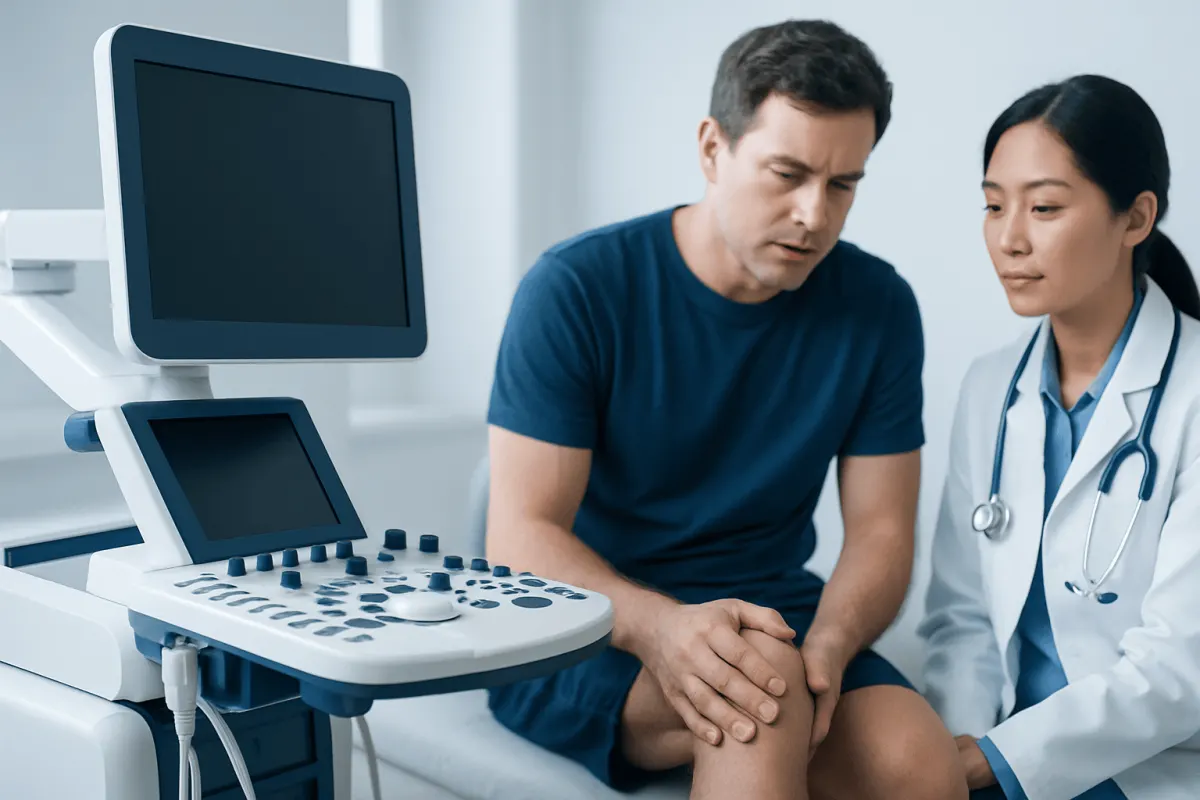
Medial knee soreness describes discomfort along the inner side of the knee. It can result from temporary strain, changes in the knee joint, or injury to supporting tissues, and a medical assessment can help identify the cause when symptoms persist or limit activity.
Overview: What Is Medial Knee Soreness?
Medial knee soreness is discomfort on the inner, or medial, side of the knee. This area includes the inner portion of the knee joint, cartilage cushions called menisci, ligaments that stabilize the joint, and tendons and small fluid-filled sacs around it. Pain may feel dull, aching, sharp, tender to touch, stiff, or unstable depending on the underlying cause.
The knee carries body weight and absorbs repeated forces during walking, climbing stairs, squatting and sports. As a result, medial knee soreness is common in people of many ages and activity levels. It may begin gradually after repeated activity, develop after a twist or impact, or accompany longer-term joint changes such as osteoarthritis.
Many episodes settle with sensible self-care and a gradual return to activity. However, ongoing pain, swelling, catching or reduced movement can indicate a problem that benefits from examination by a qualified clinician. The goal is not only pain relief, but also restoring safe movement and reducing the chance of further injury.
Common Symptoms and Patterns
Symptoms can vary considerably. Some people notice pain only during exercise, while others feel soreness after sitting, when getting up from a chair, or during ordinary walking. Pain that is focused along the inner joint line may occur with meniscus or cartilage-related problems, whereas tenderness slightly below the inner knee may point to tendon or bursa irritation.
Stiffness after rest, pain with stairs, reduced flexibility and a grating sensation can occur with osteoarthritis. A recent injury may cause swelling, bruising, a feeling that the knee may give way, or pain when turning the leg. A meniscus injury can sometimes cause clicking, catching or difficulty fully straightening the knee.
Symptoms worth noting include when the soreness began, whether there was a specific injury, which activities provoke it, and whether swelling appears immediately or later. These details help a clinician distinguish between a short-lived strain and a condition requiring more focused treatment.
- Inner knee pain during or after walking, running, climbing stairs or squatting
- Tenderness, stiffness or mild swelling around the inner knee
- Clicking, catching, locking or a sensation of instability
- Reduced range of motion or difficulty bearing weight
Causes and Risk Factors
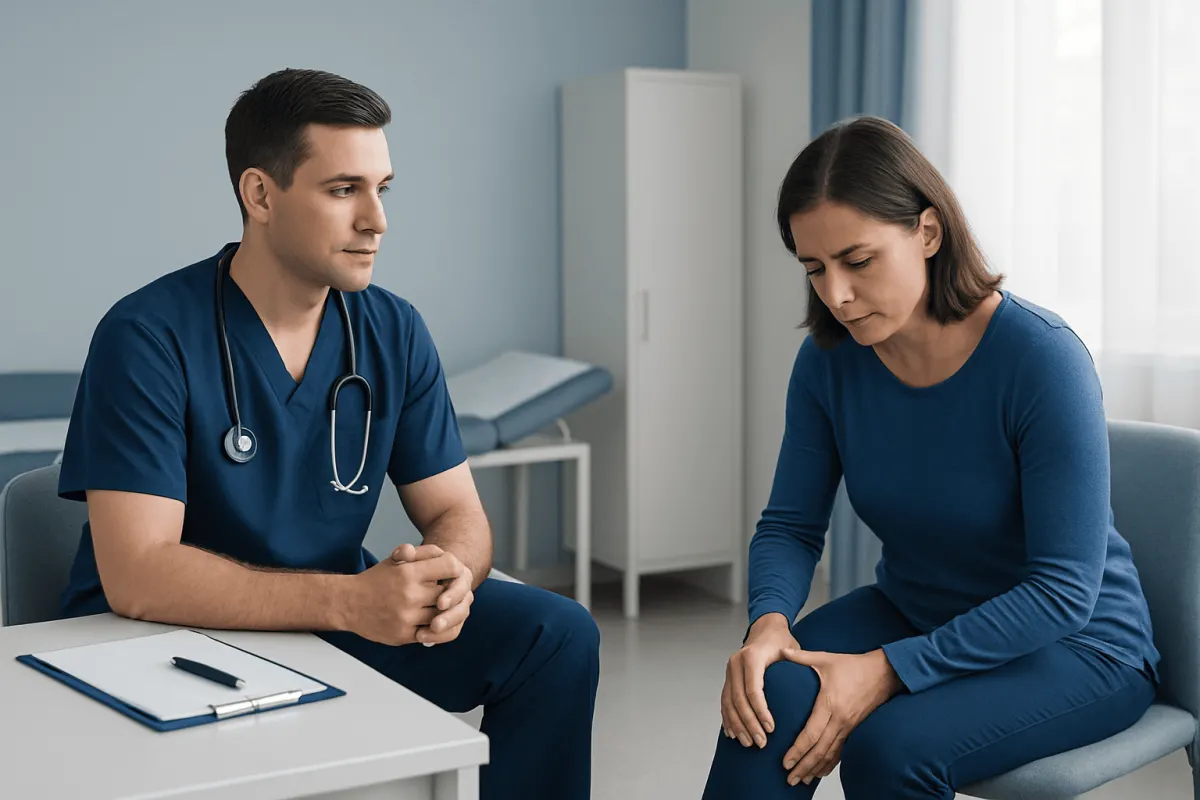
Overuse is a frequent cause of medial knee soreness. A rapid increase in walking distance, running, cycling, training intensity or time spent on stairs can overload tissues before they have adapted. Muscle weakness or reduced control at the hip, thigh, foot or ankle may also change how force moves through the knee.
Knee osteoarthritis is another common cause, especially in middle and later adulthood. It involves gradual changes in joint cartilage and other structures, and the inner compartment of the knee is often affected. Symptoms may develop slowly and include activity-related pain, stiffness and occasional swelling. Related information is available about knee osteoarthritis.
An injury to the medial collateral ligament, or MCL, may occur after a force pushes the knee inward or after a twisting event. Meniscus tears can occur during sport or from a twist while bearing weight; they can also develop gradually as tissue becomes less resilient with age. Pes anserine bursitis or tendinopathy, affecting tissues on the inner upper shin below the knee, can lead to localized tenderness.
Risk factors include previous knee injury, repetitive kneeling or squatting, sudden training changes, reduced strength or flexibility, excess body weight, joint alignment differences and certain inflammatory joint conditions. Risk factors do not confirm a diagnosis, and clinicians consider the full symptom pattern and examination findings.
How Medial Knee Pain Is Diagnosed
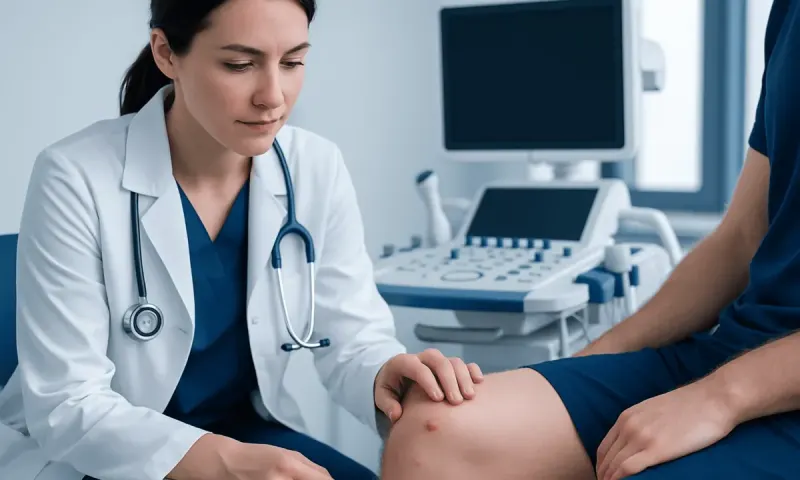
A clinician usually begins by asking about the pain location, onset, sports or work activities, previous injuries and general health. They will examine the knee for swelling, warmth, tenderness, movement, muscle strength and stability. They may also watch how the person walks, squats or rises from a chair, when appropriate.
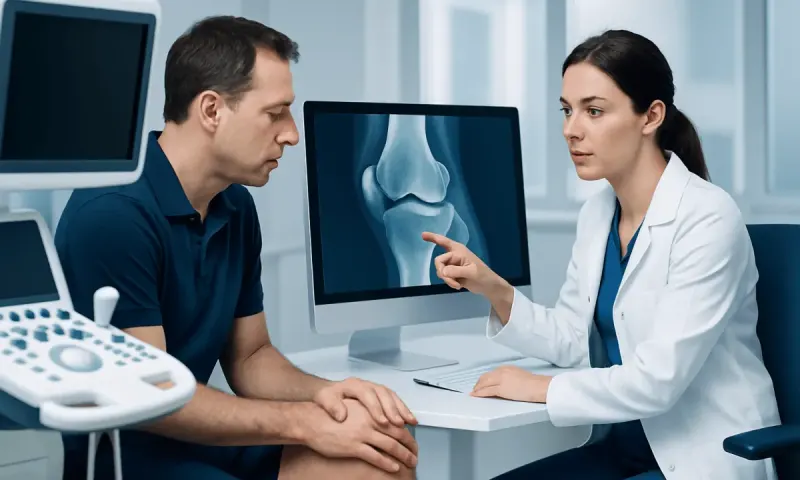
Imaging is not needed for every episode of medial knee soreness. X-rays may help show bone changes, alignment or features of osteoarthritis. Ultrasound can sometimes assess superficial tendons, bursae and fluid. Magnetic resonance imaging, or MRI, may be considered when a meniscus, ligament, cartilage or other internal structure is suspected and the result is likely to change management.
Blood tests or joint fluid tests may be appropriate if a clinician suspects inflammatory arthritis, infection, gout or another systemic condition. These are not routine tests for uncomplicated overuse pain. A clear diagnosis helps tailor care and avoids unnecessary procedures or imaging.
Treatment Options
Treatment depends on the cause, symptom severity, daily demands and personal health needs. For a recent mild strain or overuse problem, clinicians commonly recommend relative rest from painful activities rather than complete inactivity. Temporary changes such as reducing running, avoiding deep squats or choosing low-impact exercise can allow irritated tissue to settle while maintaining general fitness.
Cold packs may help shortly after a flare or injury, particularly if swelling is present. Heat can be soothing for stiffness in some people. A cloth should be placed between the skin and a hot or cold pack, and prolonged exposure should be avoided. Over-the-counter pain medicines may be appropriate for some adults, but a pharmacist or clinician should advise people with stomach, kidney, heart, bleeding or medication-related concerns.
Physiotherapy is often central to recovery. An individualized program may improve knee movement, strengthen the quadriceps, hamstrings and hip muscles, and improve balance and movement control. For conditions involving osteoarthritis, structured exercise, weight management when relevant, and other non-surgical approaches are often important components of care. Some people may benefit from supportive bracing, taping or short-term use of a walking aid under professional guidance.
Surgery is not required for most medial knee soreness. It may be considered for selected injuries, persistent mechanical symptoms, severe structural damage or advanced arthritis when non-surgical care has not provided adequate relief. Options can include Replacement Surgery: Candidates, Implant Types, and Recovery" class="ahp-ilk">knee replacement surgery for carefully assessed patients with advanced joint disease. The decision should follow a detailed consultation about expected benefits, limitations and rehabilitation.
Prevention and Self-Care
Gradual progression is one of the most useful ways to reduce overuse-related knee pain. When beginning or returning to exercise, increasing one element at a time, such as distance, duration or intensity, gives the body an opportunity to adapt. Alternating higher-impact activities with swimming, cycling or other lower-impact exercise may also be helpful.
Regular strength and mobility work can support the knee. Exercises that strengthen the thigh, hip and core muscles may improve control of the leg during walking and sport. A physiotherapist can select suitable exercises and adjust them if pain increases. Supportive, well-fitting footwear can also be important, particularly for people who spend long periods standing or walking.
It is generally reasonable to continue comfortable daily movement, provided it does not cause a significant increase in symptoms during or after activity. A simple symptom diary can help identify patterns related to training, work tasks, footwear or stairs. If soreness repeatedly returns, professional assessment is preferable to repeatedly pushing through pain.
When to See a Doctor
Medical assessment is advisable when medial knee soreness lasts more than a few weeks, recurs frequently, affects sleep or daily activity, or does not improve with basic measures. A clinician can assess for arthritis, meniscus injury, ligament damage and other causes, then recommend an appropriate treatment plan.
Prompt assessment is important after a significant injury, especially if there is an audible pop, rapid swelling, visible deformity, inability to take several steps, or a feeling that the knee is unstable. A knee that locks and cannot fully bend or straighten should also be evaluated.
Urgent medical care is needed if the knee becomes very red, hot and swollen, if fever or feeling unwell occurs, or if severe pain develops without a clear explanation. These symptoms may rarely indicate infection or an inflammatory condition requiring timely treatment.
At Acıbadem Health Point, multidisciplinary specialists in JCI-accredited hospitals can assess and treat knee conditions for international patients, with care plans tailored to the individual diagnosis and mobility goals.
Frequently asked questions
01What does medial knee soreness usually mean?
Medial knee soreness means pain or tenderness on the inner side of the knee. It may be caused by overuse, osteoarthritis, meniscus changes, an MCL injury, or irritation of tendons and bursae. The exact location and pattern of symptoms help determine the likely cause.
02Can walking cause pain on the inner side of the knee?
Yes. Walking can aggravate medial knee soreness when the knee is irritated by overuse, arthritis, muscle weakness, altered movement patterns or a previous injury. Reducing distance temporarily and seeking advice if pain persists can help prevent symptoms from becoming more limiting.
03Is medial knee pain always a meniscus tear?
No. Meniscus tears are one possible cause, but they are not the only explanation for inner knee pain. Osteoarthritis, ligament sprains, tendon or bursa irritation, and overuse can cause similar symptoms, so an examination is important when symptoms continue.
04Should a person use ice or heat for medial knee soreness?
Ice may be helpful after a recent injury or activity-related flare with swelling. Heat may feel more comfortable for stiffness, especially before gentle movement. Either should be used briefly with a protective layer between the pack and skin.
05When is medial knee soreness an emergency?
Urgent assessment is needed for severe pain after injury, inability to bear weight, a deformed knee, rapid major swelling, or a knee that is hot, red and swollen with fever. A locked knee that cannot move normally should also be assessed promptly.
06Can exercise help medial knee soreness?
Appropriately selected exercise can improve strength, movement and confidence in the knee. The best program depends on the cause of pain, and exercises should not create marked or lasting worsening of symptoms. A physiotherapist or clinician can guide a safe progression.
This article is for general information only and is not a substitute for professional medical advice. Please consult a qualified doctor about your individual situation.
Joint and spine care in Turkey — expert assessment & treatment
JCI-accredited · board-certified surgeons · reply within 24h
Add us as a Preferred Source to see more of our trusted health content across Google Search, AI Overviews and Discover.