Magnetic Therapy Bracelet: Procedure, Benefits, Risks and Recovery

Key Takeaways
- A magnetic therapy bracelet is generally worn as a wellness accessory, not a proven medical treatment.
- Research has not confirmed consistent benefits for pain relief, circulation improvement, or arthritis symptoms.
- Most risks are low, but people with pacemakers, implanted devices, or certain health conditions should be cautious.
- Any persistent pain, numbness, swelling, or fatigue deserves medical evaluation rather than self-treatment.
- If someone wants to try one, it is best viewed as a comfort measure alongside evidence-based care, not a substitute for it.
A magnetic therapy bracelet is a wearable item marketed for pain relief, circulation support, or general wellness. While some people find it comforting, current evidence does not show that it reliably treats medical conditions, and it should not replace proper diagnosis or care.
Overview
A magnetic therapy bracelet is a wrist-worn accessory that contains magnets and is sold with claims that it can ease pain, improve circulation, reduce inflammation, or support general well-being. In practical terms, there is no special medical procedure involved: a person wears the bracelet and observes whether it seems to make any difference in comfort or day-to-day function.
For patients deciding whether to try one, the key point is simple. Magnetic bracelets may feel meaningful to the wearer, but the current evidence has not shown that they consistently treat arthritis, muscle pain, joint stiffness, or other health problems. That means they should be considered a complementary wellness item rather than a replacement for diagnosis, medication, physiotherapy, or other recommended treatment.
This matters for international patients too, especially those trying to manage pain while traveling or waiting for appointments abroad. A bracelet may be easy to pack and wear, but it should not delay a proper medical evaluation if symptoms are ongoing, worsening, or affecting daily life.
How magnetic therapy bracelets are used
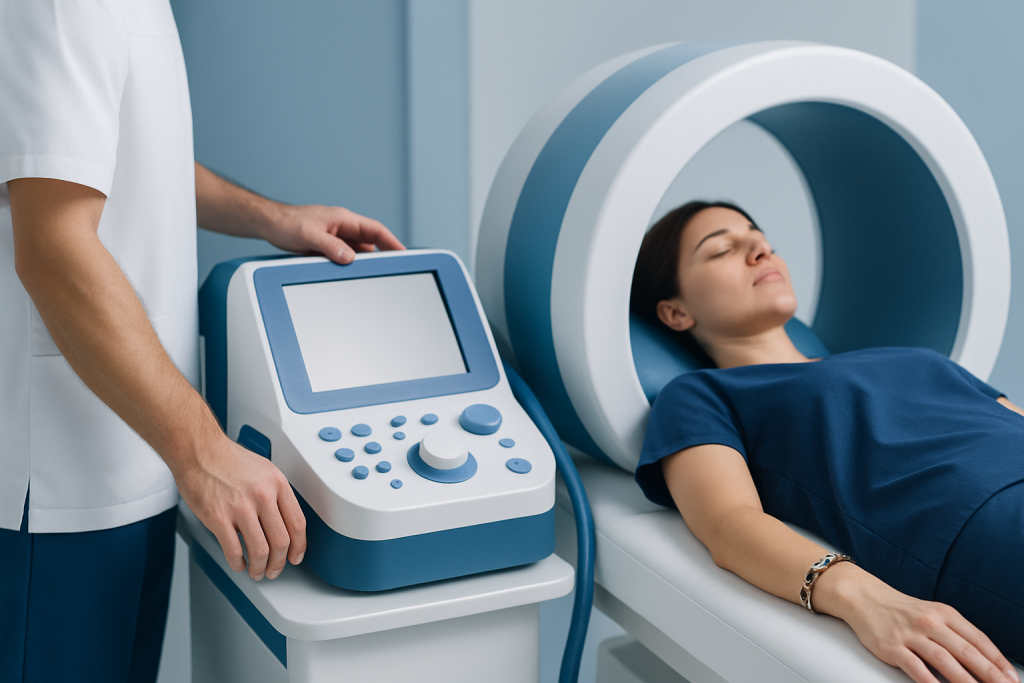
People usually wear a magnetic bracelet on the wrist of one hand, sometimes all day and sometimes only for certain activities. Some choose it for joint discomfort, others for general wellness, and some because it is marketed as a natural alternative to medication. The bracelet itself does not require preparation, recovery time, or aftercare beyond basic skin comfort and hygiene.
Because there is no standard medical protocol, there is also no formal “procedure” in the clinical sense. A person simply puts it on, monitors how the skin feels, and notices whether the bracelet is comfortable enough for regular wear. If the bracelet is too tight, causes itching, or pinches hair or skin, it should be removed.
It is also important to separate the bracelet from the larger topic of magnet therapy. In medical settings, certain imaging tests and implanted devices involve magnetic fields in controlled ways. A consumer bracelet is very different from those clinical technologies and does not offer the same type of measurable treatment effect.
What evidence says about benefits

Many people try a magnetic therapy bracelet hoping for relief from arthritis pain, wrist discomfort, poor circulation, or general stiffness. Some users report subjective improvement, which may come from a placebo effect, changes in attention to symptoms, or the simple reassurance of wearing a supportive item. That experience can still feel real to the wearer, even if it is not caused by the magnets themselves.
When researchers have studied magnetic bracelets, the results have not shown consistent, reliable benefit for pain or inflammation. Major medical organizations do not recommend them as a proven treatment for chronic pain conditions. For that reason, they should not be used as the only approach when someone has ongoing symptoms that need assessment.
Patients sometimes ask whether a bracelet can improve blood flow or speed recovery. At present, there is no strong clinical evidence that a wearable magnet can meaningfully change circulation or heal tissue. For recovery from injury, surgery, or inflammatory disease, the safer path is to follow a clinician’s plan and use the bracelet only if it is harmless and personally comforting.
Possible risks and who should be cautious
For most healthy adults, the physical risks of wearing a magnetic therapy bracelet are low. The most common issues are local skin irritation, allergic reaction to the metal, pressure marks, or discomfort from an overly tight fit. If the bracelet causes redness, swelling, itching, or numbness, it should be removed and the skin checked.
Certain patients should avoid magnets unless a doctor says otherwise. This includes people with pacemakers, implantable cardioverter-defibrillators, insulin pumps, cochlear implants, or other electronic medical devices, because magnets can interfere with device function. Anyone with an implanted device should ask the treating team before wearing magnetic products near the body.
There is also a practical risk in delaying care. A bracelet may seem harmless, but if it becomes a substitute for medical advice, a problem such as inflammatory arthritis, nerve compression, tendon injury, or circulation issues can go untreated. That is why symptom changes should be taken seriously, even when the person is trying a low-risk self-care item.
Diagnosis: when symptoms need a medical explanation
A magnetic therapy bracelet does not diagnose anything. If a person is wearing one because of pain, tingling, swelling, or weakness, the underlying cause still needs to be identified. Doctors may ask when symptoms started, what worsens them, whether there was an injury, and whether there are signs of inflammation, nerve involvement, or reduced circulation.
Depending on the complaint, evaluation may include a physical exam and sometimes blood tests, imaging, or nerve studies. For example, joint pain may point toward arthritis, while numbness or burning may suggest nerve compression. A proper diagnosis matters because the treatment for each condition is different, and a wrist bracelet cannot distinguish among them.
International patients often arrive after trying several home remedies, including wearable wellness products. That is understandable, but when symptoms persist, a structured medical evaluation is the most efficient way to move from guesswork to a clear plan.
Treatment options: what actually helps
What helps depends on the cause. A strain, tendinitis, arthritis, or neuropathy each requires a different approach, and treatment may include rest, activity modification, physiotherapy, anti-inflammatory medicines, splints, injections, or other targeted care. In some cases, the main goal is not just symptom relief but preserving function and preventing further damage.
If a person wants to keep wearing a magnetic therapy bracelet, it is usually reasonable only when it does not interfere with treatment, skin health, or medical devices. It should be seen as optional and secondary to evidence-based care. If it seems to help a person feel more aware of posture or more motivated to protect an injured area, that is a personal experience rather than a proven therapeutic effect.
When pain is persistent, a multidisciplinary approach often works best. This may involve a doctor, physiotherapist, and other specialists coordinating care, especially for patients traveling from abroad who need a clear plan before returning home.
Prevention and self-care
There is no special recovery period after wearing a magnetic therapy bracelet, but sensible self-care still matters. A patient should keep the bracelet clean, avoid sharing it if it is worn against the skin, and stop using it if irritation appears. People with sensitive skin may prefer a bracelet with a smoother finish or to wear it over clothing, though this will not change the evidence for effectiveness.
For pain prevention and general joint health, the basics remain more useful than any bracelet: staying physically active within comfort, maintaining healthy weight where appropriate, stretching safely, using ergonomic supports, and treating injuries early. Good sleep and hydration also support recovery and daily function.
If symptoms are mild and a person wants to try a magnetic bracelet, it is reasonable to do so carefully and for a limited period while tracking whether there is any real change. If nothing improves, or if symptoms progress, the next step should be medical assessment rather than trying stronger magnets or multiple wellness products.
When to see a doctor
Medical advice is important if pain lasts more than a short period, keeps returning, or interferes with walking, sleep, work, or daily tasks. A doctor should also be consulted if there is swelling, warmth, redness, numbness, weakness, reduced grip strength, color change in the hand, or any history of injury. These signs suggest that the issue is more than simple discomfort.
People with pacemakers or other implanted devices should ask their clinician before using any magnetic product. This is especially important if the bracelet is worn close to the chest or if the person has uncertainty about device compatibility. When in doubt, safety comes first.
Acibadem Health Point’s multidisciplinary specialists and JCI-accredited hospitals can help diagnose and treat these concerns for international patients, with care tailored to the underlying condition rather than the bracelet itself.
Frequently asked questions
01Does a magnetic therapy bracelet really work?
Evidence has not shown that magnetic therapy bracelets reliably relieve pain or improve circulation. Some people feel better while wearing one, but that does not prove the magnets are treating the cause of the symptom. It is best viewed as a personal comfort item rather than a proven therapy.
02Are magnetic bracelets safe to wear every day?
They are usually low risk for healthy adults if the bracelet fits well and does not irritate the skin. However, they can be a problem for people with pacemakers, implanted pumps, or other electronic devices. If a rash, pressure mark, or numbness develops, the bracelet should be removed.
03Can a magnetic bracelet help with arthritis?
Some people with arthritis try magnetic bracelets, but research has not confirmed a dependable benefit. Arthritis often needs a broader treatment plan, which may include medication, physiotherapy, exercise, and joint protection strategies. A bracelet should not replace those approaches.
04How long should someone try a magnetic therapy bracelet before deciding it helps?
There is no medically established trial period because the product is not a standard treatment. If someone chooses to wear one, it is reasonable to observe symptoms over time and stop if there is no meaningful change. Ongoing pain or stiffness should still be evaluated by a doctor.
05Who should avoid magnetic bracelets?
People with pacemakers, implantable defibrillators, insulin pumps, cochlear implants, and similar devices should be careful and ask a doctor first. Anyone with a skin allergy to metals or a history of contact dermatitis may also need to avoid them. If there is any uncertainty, medical advice is the safest option.
06What should someone do if the bracelet seems to help?
If it feels comfortable and does not interfere with treatment, it may be worn as a personal wellness accessory. Even then, it is wise to continue following evidence-based care for the underlying condition. Relief from a bracelet does not confirm that the cause has been treated.
This article is for general information only and is not a substitute for professional medical advice. Please consult a qualified doctor about your individual situation.
Hair transplant in Turkey — costs, graft counts & a free assessment
JCI-accredited · board-certified surgeons · reply within 24h
Add us as a Preferred Source to see more of our trusted health content across Google Search, AI Overviews and Discover.