Aromatherapy Massage: Procedure, Benefits, Risks and Recovery
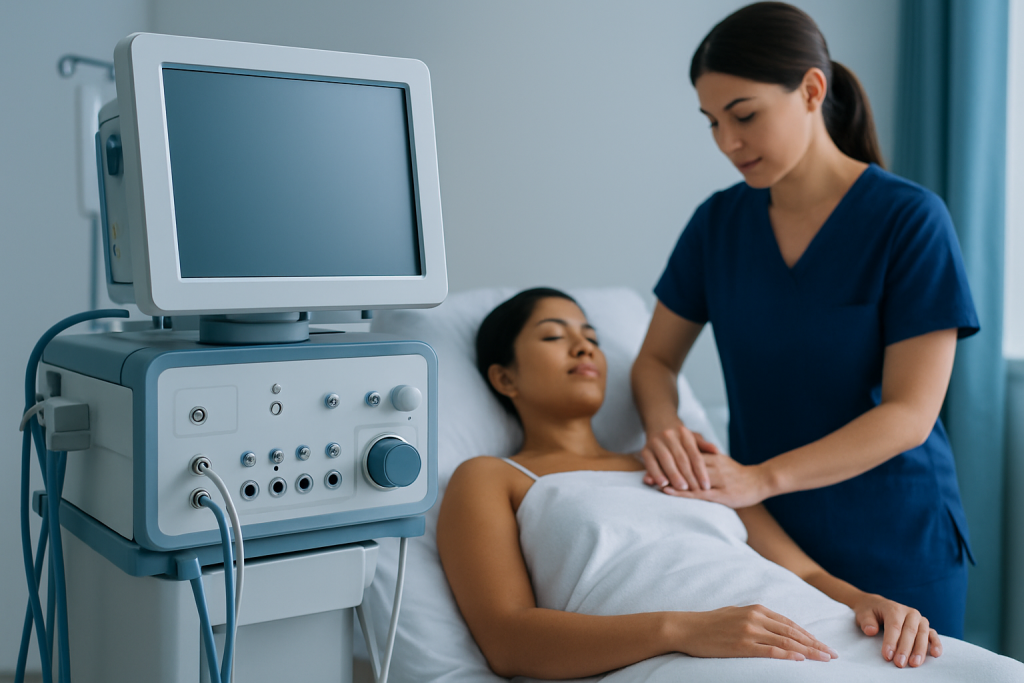
Key Takeaways
- Aromatherapy massage blends touch therapy with carefully chosen essential oils.
- Its main benefits are relaxation, stress reduction, and a sense of comfort.
- It may not be appropriate for people with allergies, asthma triggers, or certain skin conditions.
- A trained practitioner should choose diluted oils and tailor the session to the individual.
- Any unusual skin reaction, breathing change, or persistent pain after a session should be discussed with a doctor.
Aromatherapy massage combines manual massage techniques with selected essential oils to support relaxation, comfort, and overall well-being. It can be helpful for stress-related symptoms, but it is not suitable for everyone and should be used with attention to allergies, skin sensitivity, and medical conditions.
Overview
Aromatherapy massage is a type of massage therapy that uses essential oils to enhance the treatment experience. The oils are usually blended into a carrier oil and applied to the skin while the therapist uses slow, structured massage movements. For many people, the appeal is simple: it combines physical relaxation with scent, which may help the body and mind feel calmer.
The approach is often used in wellness settings, but it can also be part of supportive care when stress, muscle tension, poor sleep, or general fatigue are part of the picture. It is important to understand that aromatherapy massage is not a cure for disease. Rather, it is a comfort-focused therapy that may complement medical care when used appropriately.
Because essential oils are concentrated substances, aromatherapy massage should be more than just “pleasant-smelling massage.” The choice of oil, the strength of the blend, and the person’s health history all matter. A careful, individualized approach helps keep the experience both enjoyable and safe.
What Happens During an Aromatherapy Massage
A session usually begins with a short discussion about health concerns, skin sensitivity, pregnancy, asthma, recent surgery, pain areas, and personal scent preferences. This matters because not every essential oil suits every person. A therapist may suggest a calming, uplifting, or balancing blend, but the final choice should always take the individual’s comfort and medical background into account.
The oils are typically diluted in a carrier oil before being applied to the skin. The massage itself may include Swedish-style strokes, gentle kneading, or slower rhythmic movements, depending on the aim of the session. The therapist may also ask whether the scent feels comfortable throughout the treatment, since an aroma that seems pleasant at first can become overwhelming for some people.
Sessions commonly end with a brief period of rest so the person can reorient before standing up. Hydration, slow movements after the massage, and note-taking about any skin or breathing response can be useful, especially for first-time users or international patients who may be receiving care away from home and need clear aftercare instructions.
Benefits and Possible Uses
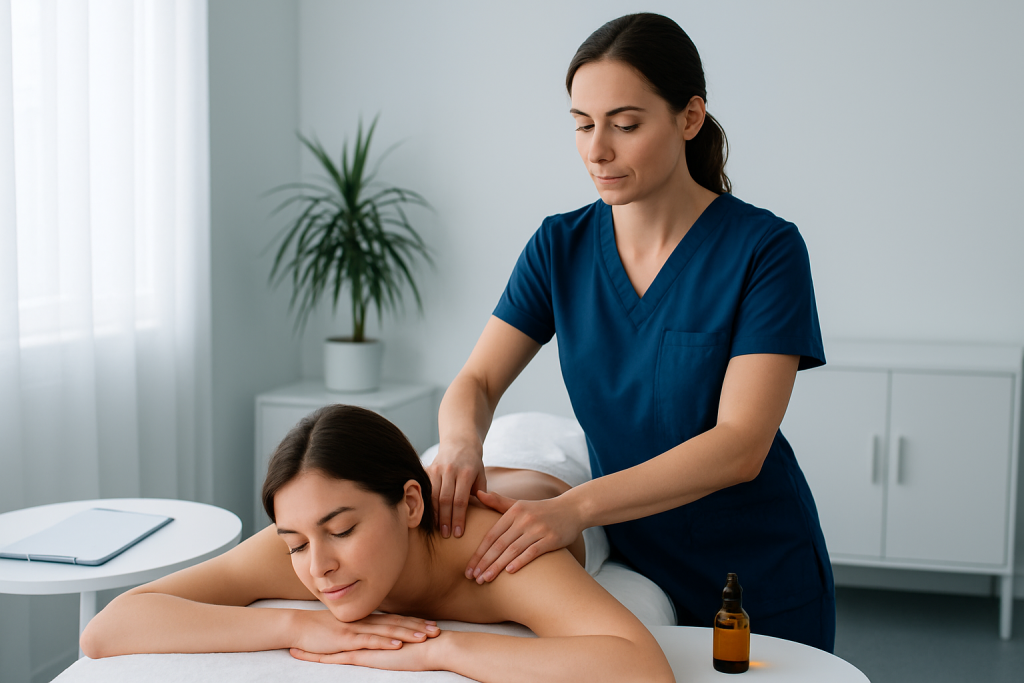
The best-known benefit of aromatherapy massage is relaxation. The combination of touch and scent may help quiet a busy mind, lower the sense of physical tension, and create a short, restorative pause in a demanding routine. Many people seek it when stress builds up or when they want a gentle supportive therapy alongside other healthy habits.
Some people use aromatherapy massage to ease minor muscle tightness, improve comfort before sleep, or create a more soothing environment during recovery from everyday strain. In some settings, it is also used as part of broader wellness or rehabilitation support, where the goal is to improve comfort and quality of life rather than to treat a single diagnosis.
It may also be useful for people who find traditional massage too intense. When the therapist uses light pressure and a calming blend, the experience can feel less demanding on sensitive bodies. Still, any expected benefit should remain realistic: the effects are often temporary and supportive rather than long-lasting or medical in nature.
Risks, Side Effects, and Who Should Be Careful
Most people tolerate aromatherapy massage well when the oils are properly diluted and used by a trained practitioner. Even so, side effects can occur. The most common concerns are skin irritation, redness, itching, headache from strong scents, nausea, or a feeling that the aroma is too intense.
People with eczema, psoriasis, fragrance sensitivity, allergies, asthma, or a history of contact dermatitis should be especially cautious. Certain essential oils can irritate the skin or trigger respiratory symptoms in sensitive individuals. Pregnant or breastfeeding individuals, older adults with fragile skin, and children also need tailored guidance because not every oil is suitable for every age or stage of life.
Care is also important after surgery, during cancer treatment, or when someone uses prescription medications that affect the skin or breathing. Aromatherapy should never replace medically necessary treatment, and it should be paused if it causes discomfort. If a person develops swelling, wheezing, dizziness, or a widespread rash, medical advice should be sought promptly.
Causes & Risk Factors for Problems During Treatment
Problems during aromatherapy massage are usually linked to sensitivity rather than the massage itself. The main risk factors include undiluted oils, unknown oil mixtures, strong fragrances, pre-existing skin conditions, and a history of allergic reactions. A rushed consultation or a therapist who does not ask about medical history can increase the chance of an unpleasant response.
Some essential oils are more irritating than others, and the same oil may be tolerated well by one person but not by another. This is why “natural” does not automatically mean “safe.” Natural substances can still cause reactions, especially when they are concentrated or used on skin that is already inflamed or damaged.
Environmental factors may matter too. A poorly ventilated room, a very warm treatment space, or a session that is too long can make the experience less comfortable. For international patients receiving treatment while traveling, communication is especially important so that scent preferences, language differences, and any past reactions are clearly understood before the session begins.
How It Is Diagnosed or Assessed Before Treatment
Aromatherapy massage does not require a medical diagnosis in the same way that a disease does, but a brief assessment should happen before treatment. A responsible therapist will ask about allergies, skin conditions, breathing problems, pregnancy, recent injuries, medical devices, and current medications. This helps determine whether massage is appropriate and which oils, if any, may be considered.
When there is concern about a skin reaction, a small patch test may be suggested before the full session. This can help identify sensitivity to the blend or carrier oil. In some cases, a doctor may advise against essential oils altogether, especially if the person has a history of significant allergic reactions or respiratory sensitivity.
If aromatherapy massage is being considered as part of a wider care plan, the person’s clinician may also review the main symptom being addressed, such as pain, anxiety, or sleep disturbance. That review helps set expectations and ensures that supportive therapies do not interfere with medical treatment.
Treatment Options and Recovery After a Session
There is no single “standard” aromatherapy massage protocol. The treatment is usually individualized based on the person’s goals, tolerance, and health status. Options may include a lighter or firmer massage, a shorter session, a lower scent concentration, or switching to a milder essential oil. In some cases, a simple unscented massage may be the safest alternative.
Recovery is generally straightforward. After the session, the skin should be monitored for redness, itching, or irritation, and the person should notice whether they feel relaxed, sleepy, lightheaded, or unusually stimulated. Drinking water, resting briefly, and avoiding strong additional fragrances for the rest of the day can help the body settle after treatment.
If the massage is being used for comfort during a longer care journey, follow-up matters. International patients may need written instructions about which oil was used, what reaction to watch for, and when to seek help after returning home. A clear record is useful if future sessions are planned in another clinic or country.
- Stop the session if burning, wheezing, or dizziness appears.
- Wash off the oil if skin irritation develops.
- Contact a clinician if symptoms persist or worsen.
- Bring a list of known allergies to future appointments.
Prevention, Safe Use, and When to See a Doctor
The safest aromatherapy massage begins before the first drop of oil is applied. A qualified practitioner should use diluted products, ask about medical history, and avoid making assumptions about which scents are “gentle” or “natural.” Clear communication is the best protection against avoidable reactions.
People can also protect themselves by sharing a history of asthma, eczema, migraines, fragrance sensitivity, pregnancy, recent illness, or medication changes. If an oil is being offered for home use, the label should be reviewed carefully and the blend should never be applied at full strength unless a healthcare professional specifically advises it. New products are best introduced one at a time so any reaction can be identified.
A doctor should be consulted if a person has repeated reactions to massage oils, develops a rash that spreads, experiences breathing symptoms, or notices persistent pain that does not fit a simple muscle strain. Acibadem Health Point’s multidisciplinary specialists and JCI-accredited hospitals can help diagnose and treat underlying conditions for international patients when a more complete medical evaluation is needed.
Living Well With a Comfortable, Safe Routine
Aromatherapy massage can be a pleasant addition to a self-care routine when it is used thoughtfully. Its value is often in how it helps a person slow down, release tension, and feel more grounded for a while. That effect can be meaningful, especially during stressful periods or recovery from everyday physical strain.
At the same time, it works best when expectations are practical. It is supportive care, not a substitute for diagnosis or treatment of medical symptoms. A cautious approach, open communication, and respect for individual sensitivities make the therapy far more useful than simply choosing the strongest scent or the most intense massage.
For people traveling for care or coordinating follow-up from another country, a written plan can make aromatherapy safer and easier to integrate with other treatments. When the right balance is found, the experience can feel calm, personalized, and restorative without losing sight of medical safety.
Frequently asked questions
01What is aromatherapy massage used for?
Aromatherapy massage is mainly used to promote relaxation and a sense of comfort. Some people also try it for mild muscle tension, stress, or sleep-related concerns, but it is best viewed as supportive care rather than a medical treatment.
02Is aromatherapy massage safe for everyone?
No. People with fragrance allergies, sensitive skin, asthma, or certain medical conditions may need to avoid some essential oils. A brief health review before treatment helps reduce the chance of a reaction.
03Can essential oils be applied directly to the skin during massage?
They should usually be diluted in a carrier oil before use. Undiluted essential oils can irritate the skin or cause other reactions, so proper preparation matters.
04What side effects can happen after an aromatherapy massage?
Mild redness, skin irritation, headache from strong scents, or nausea can occur in some people. If symptoms are more serious, such as wheezing, swelling, or a spreading rash, medical advice should be sought.
05How long does recovery take after aromatherapy massage?
Most people feel back to normal soon after the session, aside from brief relaxation or sleepiness. If a skin reaction occurs, recovery depends on the cause and how quickly the skin is cared for.
06Should aromatherapy massage replace medical care for pain or stress?
No. It may complement a broader care plan, but persistent pain, anxiety, or sleep problems should be assessed by a qualified clinician. That helps identify the real cause and the most appropriate treatment.
This article is for general information only and is not a substitute for professional medical advice. Please consult a qualified doctor about your individual situation.
Explore treatments in Turkey — costs, top hospitals & a free quote
JCI-accredited · board-certified surgeons · reply within 24h
Add us as a Preferred Source to see more of our trusted health content across Google Search, AI Overviews and Discover.