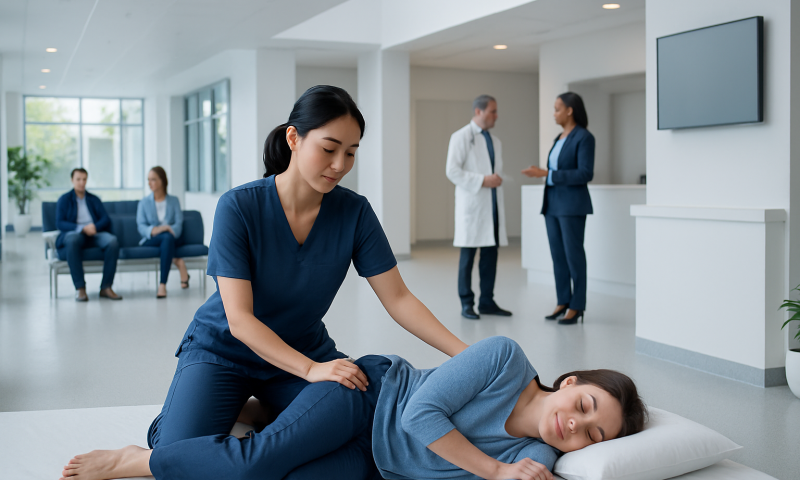
Lymphatic Drainage Massage: Benefits and Risks
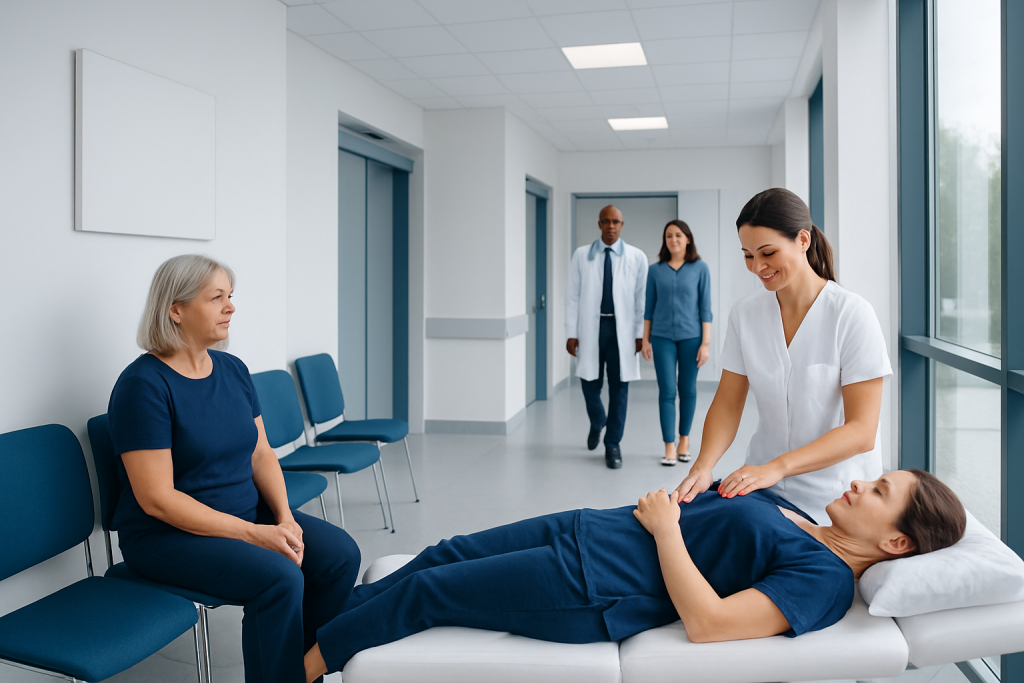
Key Takeaways
- Lymphatic drainage massage uses light, rhythmic movements to help move excess fluid toward healthy lymph pathways.
- It is commonly considered in lymphedema care and in some recovery plans after surgery or injury, when medically appropriate.
- The treatment should be tailored by trained professionals, especially if there is pain, infection, heart disease, or an unclear cause of swelling.
- It is usually one part of a broader plan that may include compression, exercise, skin care, and follow-up monitoring.
- Self-massage and home techniques may be taught, but they should only be used after proper instruction.
- Persistent, one-sided, sudden, or painful swelling deserves medical evaluation rather than massage alone.
Lymphatic drainage massage treatment is a gentle technique used to encourage fluid movement in the body, often as part of care for swelling-related conditions. It is not a general wellness massage; it is most useful when a qualified clinician recommends it for a specific medical reason.
Overview
Lymphatic drainage massage treatment is a gentle hands-on method designed to support the body’s lymphatic system, which helps move fluid, immune cells, and waste products through the tissues. When lymph flow is slowed or blocked, fluid can collect and cause swelling, heaviness, or tightness. This is why the treatment is often discussed in the context of lymphedema and certain post-treatment recovery plans rather than as a standard relaxation massage.
The technique is usually performed by a trained therapist or rehabilitation specialist who understands how the lymphatic system works and how to apply very light pressure in a specific sequence. The goal is not to “knead out” swelling. Instead, the therapist uses slow, precise movements to encourage fluid to move toward areas where the lymphatic system is functioning better.
For international patients considering care abroad, it can help to think of lymphatic drainage massage as part of a wider treatment pathway. People often need imaging, medical assessment, compression support, and follow-up guidance in addition to the massage itself. A good care plan explains what the swelling means, what may be causing it, and which steps are appropriate after travel and during recovery.
Symptoms and situations that may lead to treatment
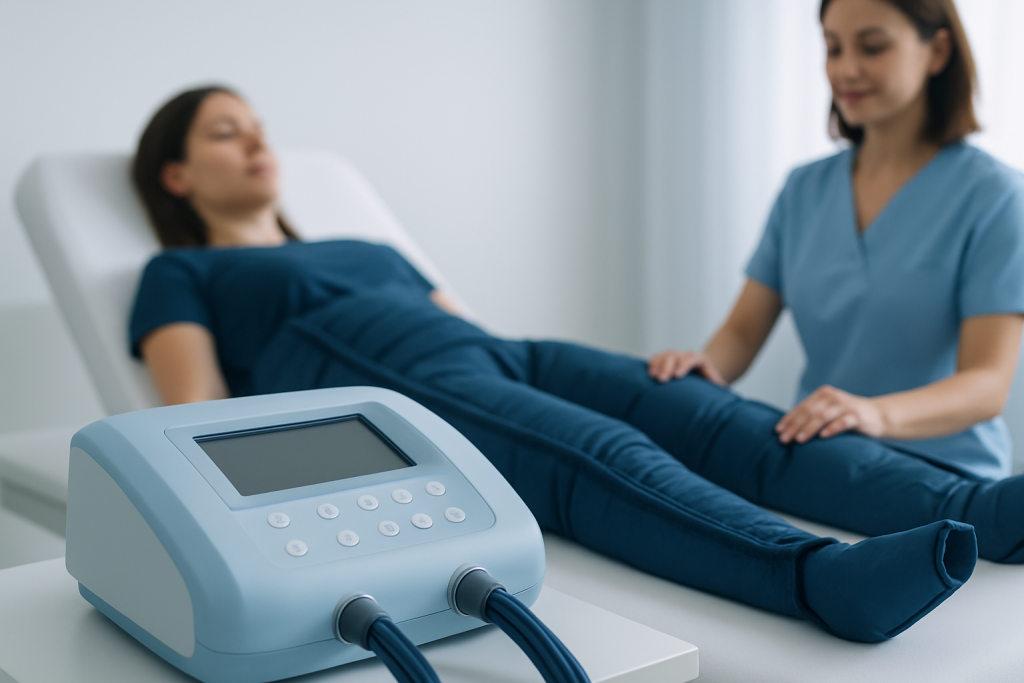
Lymphatic drainage massage is commonly considered when swelling feels persistent, puffy, or heavy rather than simply sore after exercise. It may be used when a clinician identifies fluid buildup in an arm, leg, face, breast, or another body area. Some people notice that the skin feels tighter, movement becomes more uncomfortable, or clothing and jewelry fit differently on one side of the body.
The treatment may be part of care after cancer surgery or lymph node removal, after certain reconstructive procedures, or in long-term management of lymphedema. It is also sometimes included in rehabilitation plans when swelling follows injury, prolonged immobility, or another condition that affects fluid circulation. In these settings, the massage is one element of a structured program rather than a stand-alone fix.
It is important to separate ordinary temporary puffiness from swelling that needs medical attention. Sudden swelling, swelling with redness or warmth, swelling with fever, or swelling in only one limb can signal a problem that requires assessment before any massage is started. A clinician can help determine whether lymphatic drainage is suitable or whether another cause should be addressed first.
Causes and risk factors
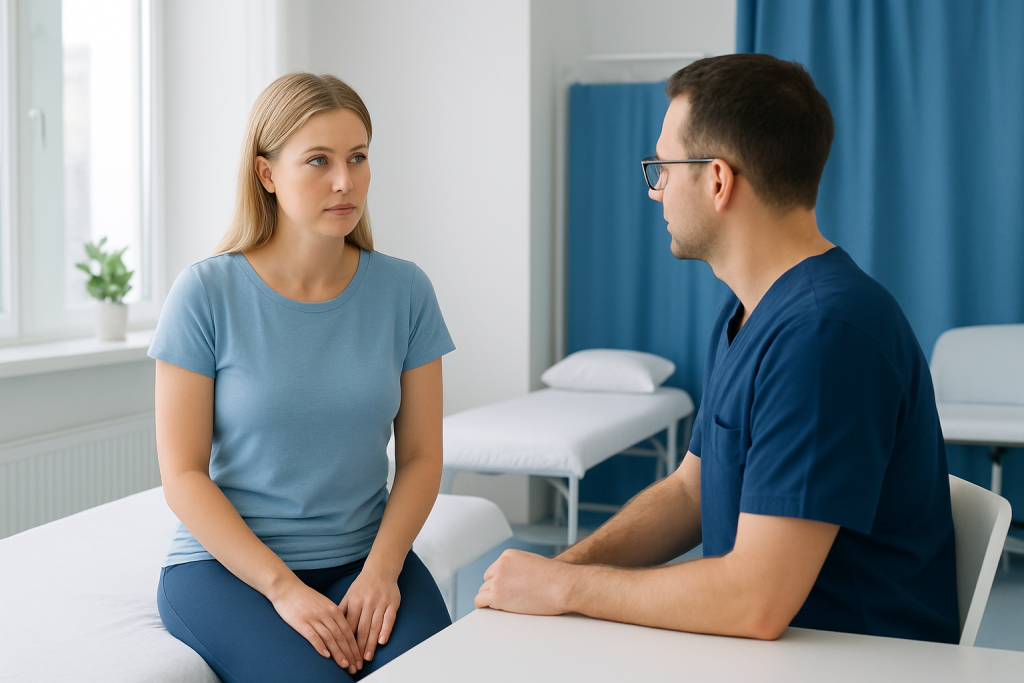
The lymphatic system can be affected by surgery, radiation therapy, infection, injury, scar tissue, congenital conditions, and certain chronic illnesses. When lymph vessels or nearby lymph nodes are damaged or removed, fluid may not drain as efficiently. This can lead to lymphedema, a condition that may be stable for a long time but can also flare after infection, overuse, heat, or trauma.
Other factors can make swelling more likely or more difficult to control. These may include obesity, limited mobility, repeated skin infections, poorly fitting compression garments, or long periods of sitting or standing. Some people also have swelling due to venous disease, medication effects, kidney or heart conditions, or inflammation, and these causes should be considered because they require different management.
For this reason, a careful diagnosis matters before any treatment plan is chosen. Lymphatic drainage massage is most appropriate when a trained professional believes the swelling is related to impaired lymph flow and not to another medical problem that needs separate care. In short, the technique can be useful, but only when used for the right reason.
Diagnosis
Diagnosis usually begins with a medical history and physical examination. A clinician may ask when the swelling started, whether it is constant or comes and goes, whether one side is affected more than the other, and whether there has been surgery, radiation, infection, injury, or cancer treatment. The skin, tissue texture, and range of motion are also often examined.
Depending on the situation, tests may be ordered to rule out other causes of swelling. These may include ultrasound, blood tests, or imaging studies when the diagnosis is unclear. In some settings, specialized lymphatic imaging may be used, but not every patient needs it. The main purpose of testing is to make sure the swelling is understood before treatment begins.
For patients traveling internationally, diagnosis may be started in one country and continued in another. That makes clear documentation especially valuable. Bringing operative notes, imaging reports, medication lists, and prior therapy records can help the receiving team decide whether lymphatic drainage massage is appropriate and how it should fit into the rest of care.
Treatment options
Lymphatic drainage massage is often delivered as part of complete decongestive therapy, a broader approach that may also include compression bandaging or garments, exercise, skin care, and education. The massage itself uses very light, rhythmic strokes that follow lymphatic pathways. Because the pressure is intentionally gentle, the technique is very different from deep tissue massage.
When done well, the treatment is individualized. A therapist may begin by working on areas that help “clear a path” for fluid before addressing the swollen region. Sessions can be combined with home exercises and compression strategies, depending on the person’s condition and tolerance. For some patients, the goal is to reduce swelling; for others, it is to maintain comfort and function and help prevent flare-ups.
Not everyone is a candidate. Lymphatic drainage massage is generally avoided or delayed if there is an active infection, unexplained swelling, an untreated blood clot, uncontrolled heart failure, or another condition where fluid movement could be unsafe. The clinician supervising care should decide whether the technique is suitable and how it should be scheduled alongside other treatments.
People sometimes ask whether they can try a similar massage at home. In many cases, therapists can teach simplified self-care techniques, but only after the underlying condition is diagnosed and the person has been shown the correct sequence and pressure. Without guidance, even a gentle-looking technique may be unhelpful or confusing, especially when swelling has several possible causes.
Prevention and self-care
For people at risk of lymphedema or recurrent swelling, prevention is usually about protecting the affected limb or area and staying consistent with the care plan. Good skin hygiene matters because small cuts, fungal infections, and insect bites can trigger inflammation. Compression garments, when prescribed, should fit properly and be worn as directed by the care team.
Movement also plays an important role. Gentle exercise, walking, and range-of-motion activities can support circulation and lymph flow. Long periods of immobility may worsen swelling, so practical habits such as changing position, elevating a limb when advised, and taking breaks during travel can be helpful. For patients recovering after treatment abroad, the follow-up plan should include what to do during flights, long rides, and the first weeks back home.
- Follow instructions for compression and don’t modify garments without professional advice.
- Keep skin moisturized and watch for redness, cracks, or signs of infection.
- Stay active within the limits set by the treating clinician.
- Use self-massage only if a therapist has taught the technique specifically for that condition.
- Seek review if swelling changes suddenly, becomes painful, or spreads.
Healthy habits can support results, but they do not replace medical evaluation. The safest home strategy is the one that matches the diagnosis, the severity of swelling, and the person’s overall health.
When to see a doctor
Medical evaluation is recommended when swelling is new, persistent, one-sided, or getting worse. It is especially important to seek care if swelling is associated with pain, warmth, redness, fever, shortness of breath, or a feeling of tightness that appeared suddenly. These features may point to a condition that should be assessed before massage is considered.
People with known lymphedema should also contact a doctor if compression is no longer helping, the skin changes, arm or leg function declines, or infections keep returning. A rehabilitation physician, vascular specialist, oncologist, or certified therapist may all play a role depending on the reason for the swelling. The best outcomes usually come from coordinated care rather than isolated treatment sessions.
Acibadem Health Point’s multidisciplinary specialists and JCI-accredited hospitals diagnose and treat lymphatic and swelling-related conditions for international patients, with care plans designed to continue safely after return home. That kind of structured follow-up can be especially helpful when treatment is being planned across borders.
Frequently asked questions
01What is lymphatic drainage massage treatment used for?
It is used to help move excess fluid in people with certain swelling-related conditions, especially lymphedema. It may also be included in recovery plans after some surgeries or cancer treatments when a clinician recommends it. It is not meant to replace medical evaluation for unexplained swelling.
02Does lymphatic drainage massage hurt?
It should not be painful when performed correctly. The technique uses very light pressure and slow movements, so it feels different from a deep tissue massage. If it causes pain, the therapist should be told right away.
03Can lymphatic drainage massage reduce all swelling?
No single technique can treat every type of swelling. Swelling caused by infection, blood clots, heart conditions, kidney problems, or medication effects needs medical assessment and different treatment. The massage is most helpful when the problem is related to lymphatic drainage and the care plan is appropriate.
04How many sessions are usually needed?
The number of sessions varies widely depending on the cause of swelling, how long it has been present, and whether compression or exercise is also part of care. Some people need a short series of visits, while others use the technique periodically for maintenance. A therapist or doctor can suggest a plan based on progress and response.
05Is it safe to do lymphatic drainage massage at home?
Some people can learn simplified self-massage techniques, but only after proper instruction. It should not be started on a guess, because the wrong approach may be unhelpful or unsafe if the swelling has another cause. Medical guidance is especially important after surgery, cancer treatment, or new swelling.
06When should swelling be checked before massage?
Swelling should be checked first if it appears suddenly, affects only one side, is painful, or comes with redness, warmth, or fever. These signs can indicate a condition that needs prompt medical attention. Once the cause is known, a clinician can advise whether lymphatic drainage is suitable.
This article is for general information only and is not a substitute for professional medical advice. Please consult a qualified doctor about your individual situation.
Oncology care in Turkey — second opinion and treatment plan
JCI-accredited · board-certified surgeons · reply within 24h
Add us as a Preferred Source to see more of our trusted health content across Google Search, AI Overviews and Discover.