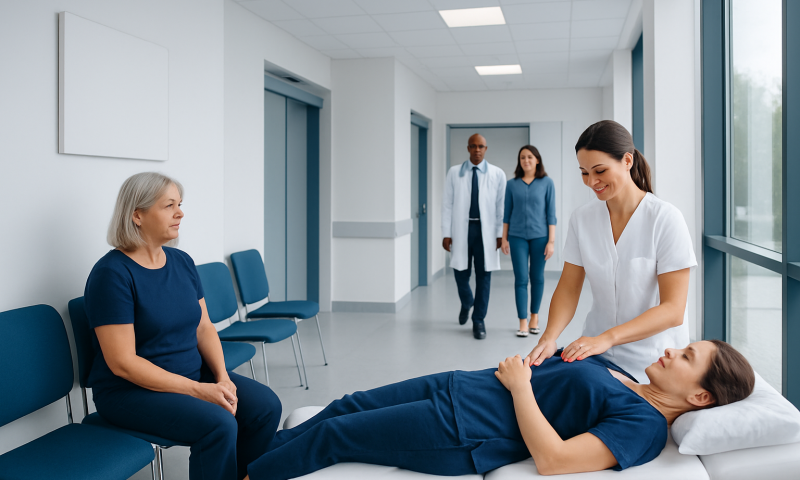
Shiatsu Massage: Benefits and Risks
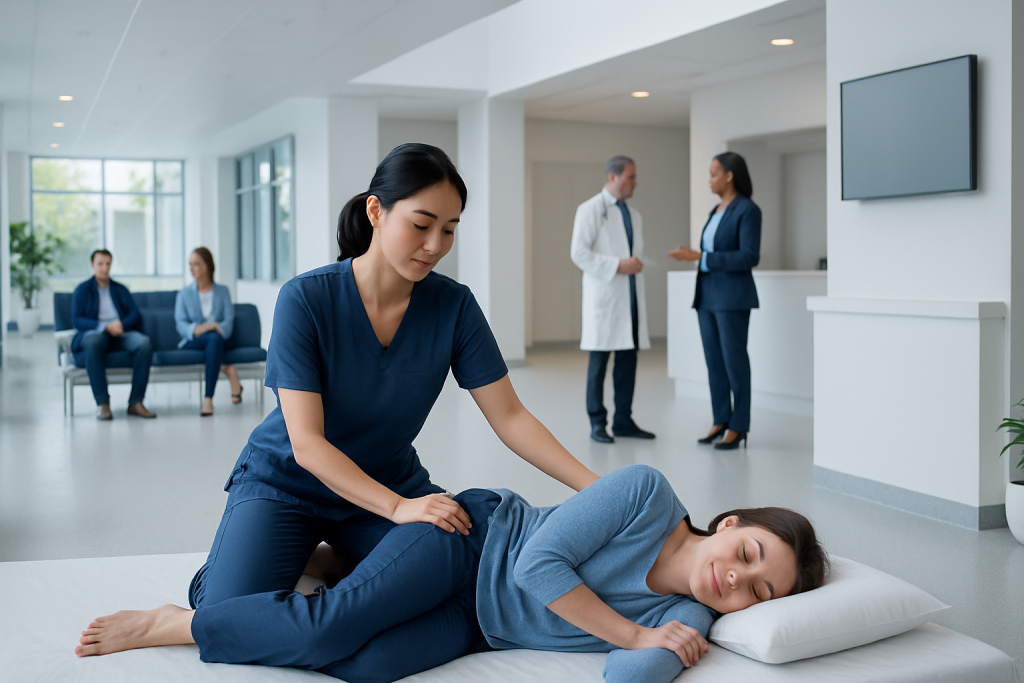
Key Takeaways
- Shiatsu massage uses finger, thumb, palm, and stretching techniques rather than oil-based rubbing.
- It may help with relaxation, mild muscle tightness, and stress-related discomfort.
- Shiatsu is complementary care and does not replace medical evaluation or treatment.
- People with certain health conditions should speak with a clinician before trying it.
- A skilled practitioner adapts the session to the person’s comfort, mobility, and health history.
Shiatsu massage is a Japanese bodywork technique that uses rhythmic pressure and gentle stretching to promote relaxation and ease muscle tension. It is often chosen as a supportive therapy for stress-related discomfort, stiffness, and general well-being.
Overview
Shiatsu massage is a form of Japanese bodywork built around steady, deliberate pressure and gentle movement. Instead of gliding over the skin with oils, the practitioner uses fingers, thumbs, palms, elbows, and sometimes assisted stretches to work through areas of tension while the person remains fully clothed.
For many people, the appeal lies in how grounded the experience feels. Sessions are often quiet, slow, and attentive, making shiatsu a supportive option for those who want relaxation without a forceful or highly athletic style of massage. It is commonly used as part of a broader self-care plan for stress management, posture-related tightness, and general physical ease.
Shiatsu is not a cure for disease, and it is not meant to replace medical assessment. Instead, it fits best as complementary care, especially when a person wants a non-drug approach that can be adjusted to comfort level and health needs.
What Shiatsu Feels Like in Practice
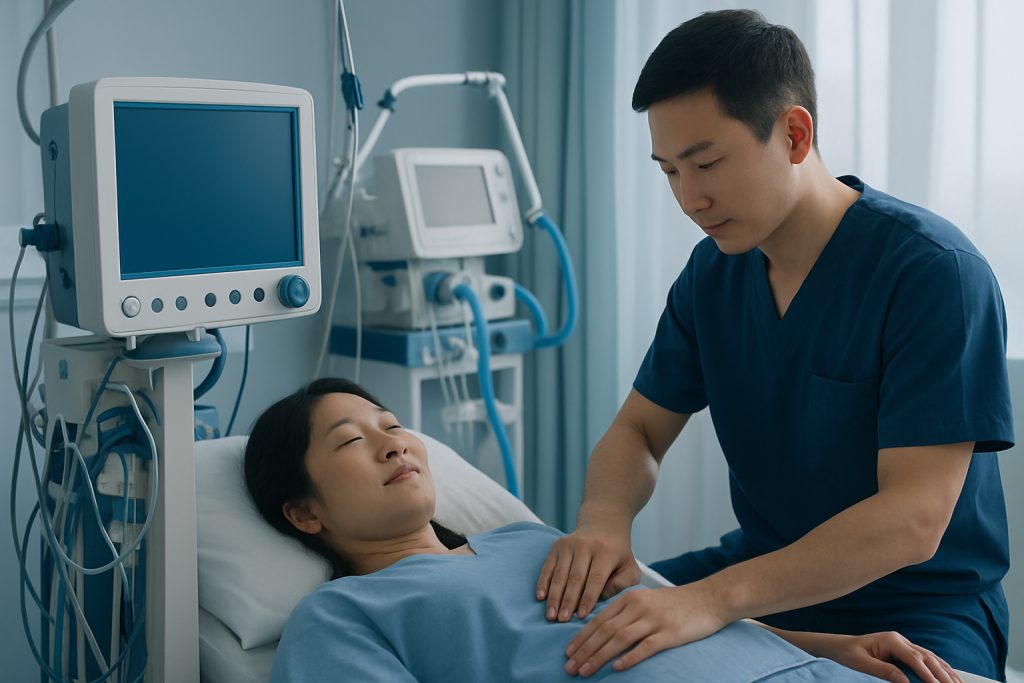
A typical session is calm and methodical. The practitioner may ask about current symptoms, daily routines, sleep, work posture, injuries, and any medical conditions before beginning. The person usually lies on a mat or treatment table and wears loose clothing so pressure can be applied comfortably through fabric.
The touch in shiatsu is usually firm but not abrupt. Some techniques involve sustained pressure on specific points, while others use gentle rocking, rotations, or stretches to encourage ease in the joints and muscles. Rather than aiming for a “painful release,” a good session stays within a tolerable range and can be modified if an area feels sensitive.
People often describe the experience as deeply relaxing, with a sense of improved body awareness afterward. Some notice less neck, shoulder, or back tightness, while others simply feel calmer and more rested.
Possible Benefits and Common Uses
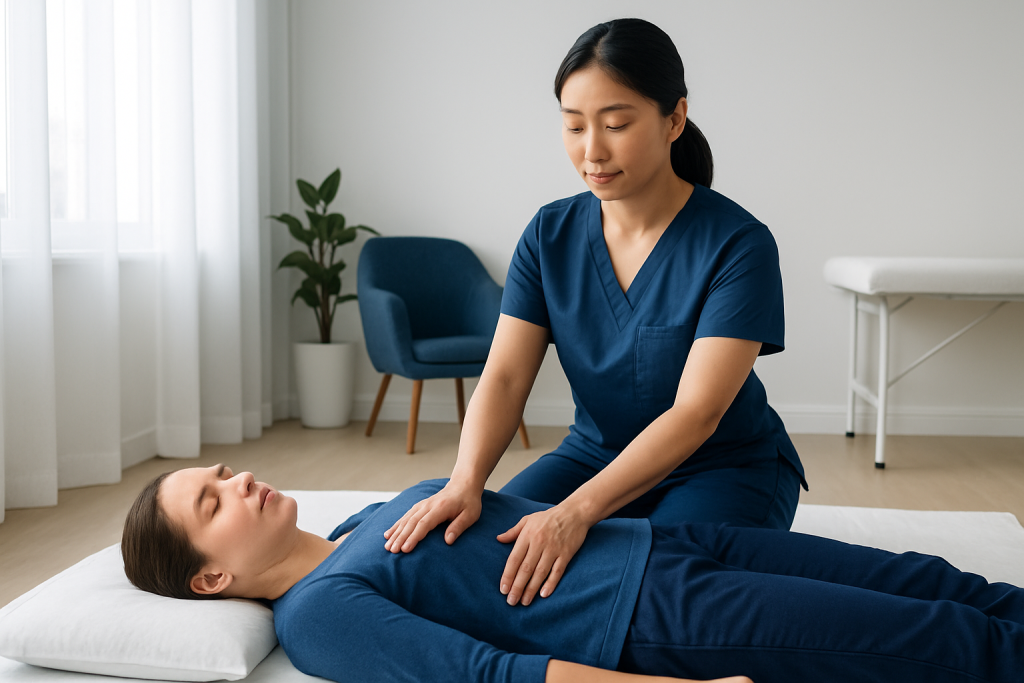
Shiatsu is often used to support relaxation and to ease everyday tension that builds up from prolonged sitting, screen time, repetitive work, or emotional stress. Some people seek it when they feel physically “stuck” or when they want a restorative break that addresses both body and mind.
It may be helpful for mild muscle discomfort, general stiffness, tension headaches related to stress, or difficulty unwinding at the end of a demanding period. For travelers or international patients adjusting to time changes, unfamiliar beds, and busy appointments, a gentle bodywork session may also provide a sense of settling and recovery.
Possible benefits are individual and can vary from one person to another. Shiatsu is best understood as supportive care rather than a guaranteed treatment outcome.
- Relaxation and stress reduction
- Relief of mild muscle tightness
- Improved body awareness
- Support for restful routines
- Complement to rehabilitation or wellness plans
Who May Benefit — and Who Should Be Cautious
Adults who prefer a noninvasive, clothing-on approach to massage often find shiatsu appealing. It may suit people with muscle tension from desk work, long commutes, caregiving demands, or general stress. Some also use it alongside physical therapy, exercise, or relaxation training when their clinician agrees it is appropriate.
Caution is important for anyone with a recent injury, significant pain, inflammatory joint problems, osteoporosis, bleeding disorders, a blood clotting condition, or skin concerns. People who are pregnant, have cancer, are recovering from surgery, or live with chronic medical conditions should ask a qualified doctor or therapist whether shiatsu is suitable and what areas should be avoided.
Because pressure can be adapted, a careful practitioner will always want to know about medications, implants, dizziness, neuropathy, numbness, or sensitivity before starting. Comfort and safety come first; no session should be forced.
Causes & Risk Factors for Tension Shiatsu Is Often Used For
Shiatsu does not treat a single disease, but it is commonly chosen for the kinds of physical strain that collect over time. Long hours at a computer, poor sleep, emotional stress, repetitive movements, and inadequate recovery after exercise can all contribute to tight necks, sore shoulders, or a stiff back.
Travel can add another layer. Carrying luggage, sitting for long periods, disrupted routines, and jet lag may leave muscles feeling heavier or more reactive. In these situations, shiatsu may be used as a gentle reset, especially when someone wants to avoid a more aggressive treatment style.
Risk factors for discomfort that people often bring to shiatsu include sedentary work, high stress, irregular exercise habits, and poor ergonomics. Addressing those underlying patterns usually matters as much as the session itself.
Diagnosis and Assessment Before Treatment
Shiatsu is not a diagnostic procedure, but a responsible practitioner begins with a brief assessment. This usually includes questions about the person’s symptoms, health history, recent injuries, sleep, activity level, and any treatments already being used. The aim is to understand whether bodywork is appropriate and where extra caution is needed.
If pain is new, severe, persistent, or associated with symptoms such as weakness, fever, numbness, swelling, or unexplained weight loss, a medical evaluation should come first. Shiatsu can then be considered later, if a clinician feels it is safe and helpful as a supportive measure.
For international patients, it is often useful to bring relevant records, medication lists, and imaging or rehabilitation notes when discussing care away from home. Clear communication helps the practitioner adapt the session safely and avoid unnecessary pressure on vulnerable areas.
Treatment Options and How Shiatsu Fits Into Care
Shiatsu may be delivered on its own or alongside other approaches such as physical therapy, exercise, stretching, posture correction, breathing work, or stress-management strategies. It can also be paired with more conventional rehabilitation plans when a clinician believes that gentle manual therapy may support comfort and movement.
The most suitable approach depends on the person’s goals. Someone seeking relaxation may want brief, occasional sessions, while someone dealing with recurring tightness may benefit from a short series plus home changes such as improved ergonomics, regular movement breaks, and sleep hygiene. The practitioner may also suggest simple stretches or self-pressure techniques that can be done safely between visits.
It is important to remember that manual therapies are only one part of care. If a symptom is caused by an underlying medical condition, that condition still needs proper diagnosis and treatment.
Prevention & Self-care
Many of the aches that lead people to shiatsu can be reduced by small, consistent habits. Regular movement, brief stretch breaks, sensible workstation setup, hydration, and adequate sleep all help the body tolerate daily stress more comfortably.
Between sessions, people can often maintain gains by paying attention to posture and noticing where tension gathers during the day. Slow breathing, warm showers, light exercise, and deliberate rest can support the calming effect of bodywork. If a practitioner recommends self-pressure or stretching, it should be done gently and only within a comfortable range.
Self-care should also include knowing when to step back. If pain is changing, worsening, or accompanied by other symptoms, the right next step is medical review rather than another massage session.
- Take movement breaks during long sitting periods
- Adjust chair, screen, and desk height for comfort
- Use warm-up and cool-down routines around exercise
- Stay hydrated and protect sleep routines
- Report any new pain or numbness promptly
When to See a Doctor
Shiatsu can be a useful supportive therapy, but it should not delay medical attention when symptoms need assessment. A doctor should be consulted if pain is severe, persistent, unexplained, or linked to injury, swelling, weakness, numbness, dizziness, fever, chest symptoms, or changes in bladder or bowel function.
Medical advice is also important before shiatsu if the person is pregnant, has a blood clotting problem, has a serious chronic illness, is taking blood-thinning medication, or has had recent surgery. In those situations, a clinician can advise whether massage is appropriate and what precautions are needed.
For people traveling for care, it can be helpful to ask about massage only after the main diagnosis and treatment plan are clear. Acibadem Health Point’s multidisciplinary specialists and JCI-accredited hospitals can diagnose and treat related conditions for international patients, helping them decide whether shiatsu-like bodywork belongs in a broader recovery plan.
Frequently asked questions
01What is shiatsu massage used for?
Shiatsu is commonly used to encourage relaxation and ease everyday muscle tension. Some people also use it to support stress relief, improved body awareness, and general comfort as part of a broader wellness or rehabilitation plan.
02Is shiatsu the same as acupuncture?
No. Shiatsu uses hands-on pressure and stretching, while acupuncture uses thin needles placed at specific points. Both are traditional approaches, but they are distinct techniques with different methods.
03Does shiatsu have to be painful to work?
No. A good shiatsu session should stay within a comfortable range and be adjusted to the person’s tolerance. Strong pain is not a sign of better treatment and should be avoided.
04Can shiatsu help with back or neck pain?
It may help with mild tension or stiffness, especially when discomfort is related to posture or stress. However, ongoing, severe, or unusual pain should be assessed by a doctor to find the cause first.
05Is shiatsu safe during pregnancy?
It may be safe for some people in pregnancy, but it should only be done with professional guidance from a clinician or a therapist trained in prenatal care. Pressure points and body positions may need to be modified.
06How often should someone get shiatsu massage?
There is no single schedule that fits everyone. Frequency depends on the person’s goals, symptoms, and medical situation, so it is best decided with the practitioner or a healthcare professional.
This article is for general information only and is not a substitute for professional medical advice. Please consult a qualified doctor about your individual situation.
Joint and spine care in Turkey — expert assessment & treatment
JCI-accredited · board-certified surgeons · reply within 24h
Add us as a Preferred Source to see more of our trusted health content across Google Search, AI Overviews and Discover.