Most Lung Nodules Are Benign, but Size and Growth Matter

You went in for a scan after a cough, a car accident, or a routine check — and the report mentions a spot on your lung. That word “nodule” can be unsettling. A lung nodule is a small round or oval spot seen in the lung on imaging, most often on a chest X-ray or CT scan. Here is the reassuring part: many lung nodules are not cancer. What happens next depends on the nodule’s size, appearance, growth, and your overall risk factors.
Overview: what a lung nodule means
A lung nodule, also called a pulmonary nodule, is a small round or oval spot in the lung that appears on imaging. It is usually less than 3 centimeters in size. Many lung nodules are discovered by chance when a person has a chest X-ray or CT scan for another reason, such as a cough, injury, or routine screening.
Hearing that you have a lung nodule is worrying, and that reaction is completely normal. In reality, a large number of nodules are benign, meaning they are not cancer. They may be related to old infections, mild inflammation, scar tissue, or noncancerous growths. Still, some nodules can represent early lung cancer or, less commonly, spread from another cancer. That is why proper evaluation matters.
Doctors do not judge a lung nodule by one feature alone. They consider the nodule’s size, shape, edges, density, whether it is solid or partly solid, and whether it changes over time. They also look at the patient’s age, smoking history, environmental exposures, and family or personal history of cancer.
The main goal is simple: separate the nodules that are likely harmless from those that need closer testing or treatment. Often that means careful follow-up rather than rushing into anything. With current imaging and a specialist’s review, most patients leave with a clear plan.
Symptoms and how lung nodules are found
Most lung nodules cause no symptoms at all. They are usually too small to affect breathing or irritate the lungs. That is why most people only learn they have one after a scan ordered for something else entirely.
When symptoms are present, they are often linked to the underlying cause rather than the nodule itself. For example, a recent infection may cause fever, cough, mucus production, or fatigue. In other cases, symptoms such as ongoing cough, shortness of breath, chest pain, coughing up blood, or unexplained weight loss may prompt further testing. None of these symptoms automatically mean cancer, but they should be checked.
Lung nodules may be detected on:
- Chest X-ray
- CT scan of the chest
- Low-dose CT used for lung cancer screening
- Imaging performed before surgery or for heart, trauma, or abdominal concerns
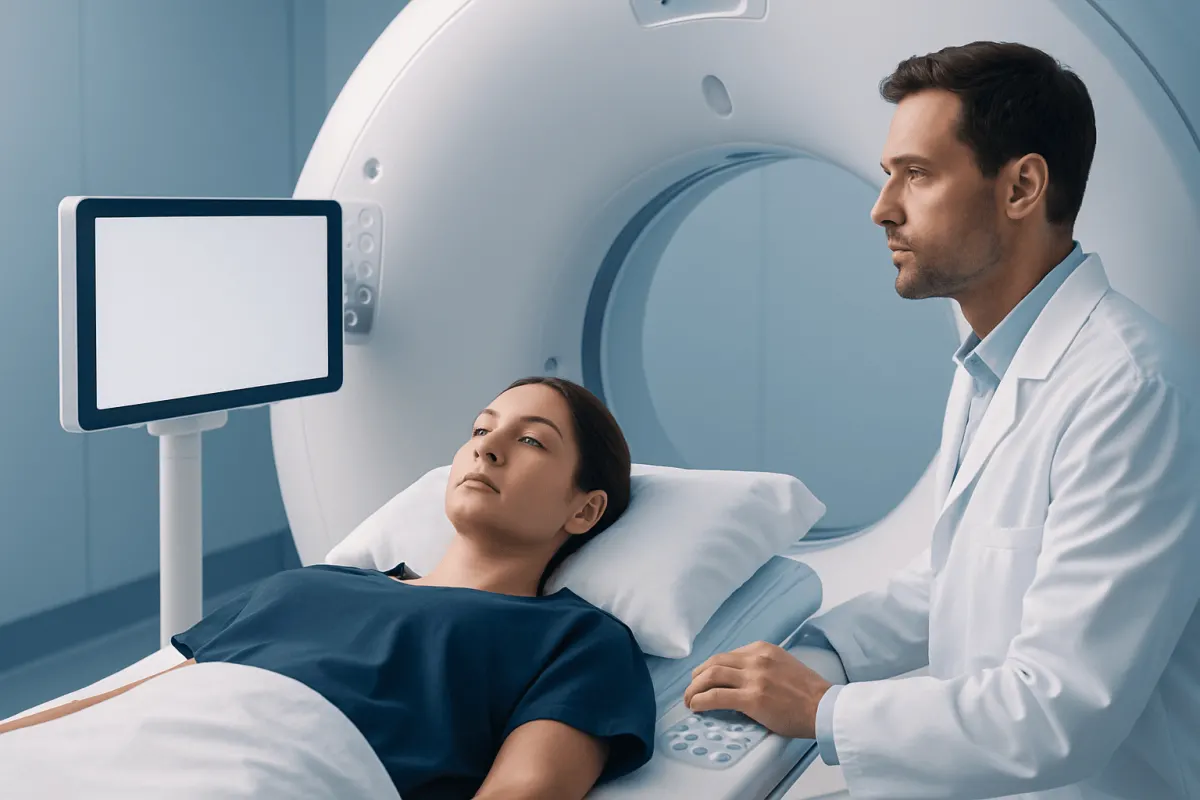
A CT scan gives much more detail than a chest X-ray and is often the best next step after a nodule is first seen. It can help determine the exact size, number, location, and characteristics of the nodule, which are all important in deciding whether simple follow-up is enough or whether more testing is needed.
Common causes and risk factors

A lung nodule can form for many reasons. Benign causes include healed infections, fungal infections in some regions, inflammation related to autoimmune disease, noncancerous tumors such as hamartomas, and scar tissue from previous lung injury. Some nodules are calcified, which may suggest an old healed process rather than an active disease.
Less commonly, a nodule may be malignant. This means it could be an early primary lung cancer or, in some situations, a sign that another cancer has spread to the lungs. A single small nodule is not the same as a diagnosis of cancer, but it deserves proper review when risk factors are present.
Factors that can increase concern include:
- Older age
- Current or past smoking
- Family history of lung cancer
- Personal history of cancer
- Exposure to radon, asbestos, silica, or other inhaled toxins
- Nodule growth on repeat imaging
- Irregular or spiculated nodule borders
- Upper-lung location
Doctors also consider whether there is one nodule or several, and whether the nodule is solid, ground-glass, or part-solid. Ground-glass and part-solid nodules can need a different follow-up approach because some of them are linked to slow-growing early lung cancers. Related conditions may be discussed during the evaluation, including lung cancer and other respiratory findings seen on chest imaging.
How doctors evaluate a lung nodule
Evaluation begins with a careful review of the first scan and the patient’s medical history. If older chest scans are available, comparing them can be very helpful. A nodule that has stayed unchanged for a long time may be less concerning than one that is new or growing.
Chest CT is the main imaging tool used to characterize a nodule. It can show whether the nodule is smooth or irregular, solid or partly solid, and whether calcium or fat is present. In some situations, a doctor may recommend PET-CT to see whether the nodule shows metabolic activity that could suggest cancer, although PET-CT is not equally useful for every small nodule.
Doctors sometimes use guideline-based risk models to estimate whether a nodule is likely benign, indeterminate, or suspicious. This helps decide among surveillance, biopsy, or surgery. A patient’s smoking history, immune status, travel history, and any signs of infection also shape the plan.
If tissue diagnosis is needed, options may include bronchoscopy for nodules reachable through the airways, or image-guided needle biopsy for nodules closer to the outer part of the lung. Not every nodule needs a biopsy right away. For many patients, the safest and most accurate route is to take it step by step, guided by follow-up imaging.
Treatment options and follow-up plans
Treatment for a lung nodule depends on its cause. Benign nodules often do not need treatment at all, only observation. If the nodule is related to an infection or inflammatory condition, treatment focuses on that underlying problem. Many patients simply need repeat CT scans at scheduled intervals to confirm that the nodule remains stable.
When a nodule is considered suspicious, doctors may recommend additional imaging, biopsy, or removal. Surgery is usually reserved for nodules that are growing, highly suspicious, or already confirmed to be cancer. In selected cases, specialists may advise thoracic surgery to remove the nodule and examine it fully.
If cancer is diagnosed, the care plan depends on the type of cancer, stage, and the patient’s overall health. Management may involve pulmonologists, thoracic surgeons, radiologists, pathologists, and oncologists. Some nodules are linked to early-stage disease that may be treatable with localized approaches, while others need broader evaluation.
For international patients who need advanced assessment, Acıbadem Health Point’s multidisciplinary specialists and JCI-accredited hospitals diagnose and treat lung nodules with coordinated imaging, biopsy, and surgical care when appropriate. If a nodule is found to be part of a broader condition such as lung cancer, treatment planning is individualized and based on established clinical guidelines.
Prevention, monitoring, and self-care
There is no single way to prevent every lung nodule, because they can arise from many different causes. However, reducing lung cancer risk and protecting lung health are meaningful steps. Avoiding smoking is the most important measure, and quitting smoking at any age can still provide benefits.
Other practical steps include limiting exposure to secondhand smoke, checking for radon in the home when relevant, using proper workplace protection around dusts or chemicals, and seeking care for persistent respiratory infections. People with chronic lung disease should keep regular follow-up visits and use prescribed treatments as directed.
Patients with a newly found lung nodule can help themselves by keeping copies of scan reports, attending follow-up imaging on time, and sharing any previous chest scans with their doctor. If you miss those follow-up scans, it becomes much harder to tell whether the nodule is holding steady or changing.
The stress after an unexpected finding is real. Ask your doctor specific questions: How big is it? Is it solid or part-solid? What is my estimated risk? When is the next scan? Knowing the answers usually makes the waiting easier to bear.
When to seek medical care
A lung nodule should always be reviewed by a qualified doctor, even when it is found incidentally and the patient feels well. The timing of follow-up depends on how the nodule looks on imaging and on the person’s individual risk factors. A primary care doctor, pulmonologist, radiologist, or thoracic specialist may be involved in planning the next steps.
Patients should seek prompt medical care if they have symptoms such as coughing up blood, worsening shortness of breath, unexplained weight loss, persistent chest pain, or a cough that does not improve. These symptoms can have many causes, but they deserve timely evaluation.
It is also important to return for care sooner if there is a history of smoking, prior cancer, or significant exposure to asbestos, radon, or other inhaled hazards. People with weakened immune systems should be assessed carefully because some infectious causes of lung nodules may need earlier treatment.
Do not panic, and do not ignore it. A structured evaluation will show whether the nodule is likely harmless, needs monitoring, or requires further testing. Reviewing it early spares you both unnecessary procedures and a delayed diagnosis.
Frequently asked questions
01Is a lung nodule the same as lung cancer?
No. A lung nodule is a descriptive imaging finding, not a diagnosis by itself. Many lung nodules are benign, but some need follow-up testing to rule out cancer.
02How common are incidental lung nodules?
They are fairly common, especially now that CT imaging is used more often. Many are found accidentally during scans done for unrelated reasons and never cause symptoms.
03Can a benign lung nodule go away?
Some nodules related to infection or inflammation may shrink or disappear over time. Others may stay visible but remain stable and harmless for years.
04What size of lung nodule is more concerning?
In general, larger nodules tend to need closer evaluation than very small ones. Size is only one factor, though, and doctors also look at shape, growth, density, and a person’s risk profile.
05Will every lung nodule need a biopsy?
No. Many nodules can be monitored safely with repeat CT scans instead of immediate biopsy. Biopsy is usually considered when imaging features or growth raise concern, or when the diagnosis will change treatment.
06How long is follow-up for a lung nodule?
The follow-up period varies depending on the nodule type and level of concern. Some patients need only short-term repeat imaging, while others may be monitored over a longer period based on guideline recommendations.
This article is for general information only and is not a substitute for professional medical advice. Please consult a qualified doctor about your individual situation.
Oncology care in Turkey — second opinion and treatment plan
JCI-accredited · board-certified surgeons · reply within 24h
Add us as a Preferred Source to see more of our trusted health content across Google Search, AI Overviews and Discover.