What Is Aesthetic Foot Surgery? Common Reasons Patients Seek It

Aesthetic foot surgery refers to procedures that improve the appearance of the feet, sometimes while also easing discomfort or improving shoe fit. Patients most often seek it for bunions, toe shape concerns, prominent bones, or changes caused by congenital differences, injury, or aging.
Overview
Aesthetic foot surgery includes procedures designed to improve the foot’s appearance, symmetry, and contour. In many cases, these procedures also help with practical concerns such as irritation in shoes, pressure points, or difficulty walking comfortably. This is why foot surgery is often not purely cosmetic; the structure of the foot affects balance, movement, and daily function.
Patients may seek treatment for bunions, toe crowding, overlapping toes, enlarged joints, callus-prone pressure areas, or changes in the foot that make sandals or fitted shoes uncomfortable. Others are concerned about congenital differences present since birth, including webbed or extra toes such as syndactyly or polydactyly. Some people also pursue treatment after trauma or previous surgery when the foot no longer looks or feels as expected.
Because the feet carry body weight and absorb impact, planning aesthetic foot surgery requires more than appearance alone. The surgeon needs to protect alignment, stability, and gait while considering skin quality, circulation, bone structure, and footwear habits. A realistic plan focuses on achieving improvement without compromising function.
Common Reasons Patients Seek Aesthetic Foot Surgery

The most common reason patients explore aesthetic foot surgery is a visible structural problem that also causes discomfort. Bunions are a typical example: the big toe drifts inward while the joint becomes prominent on the side of the foot. Even when pain is mild, many people feel unhappy with the shape of the foot or find that shoes rub and become difficult to wear.
Other common concerns include hammertoes, claw toes, overlapping toes, a long second toe, widened forefoot shape, or small bony prominences that alter the foot’s silhouette. Some patients are troubled by asymmetry between the two feet, especially if it affects confidence when barefoot or in open shoes. Age-related changes, weight changes, and prior injuries can also make tendons and joints more prominent over time.
Less often, patients seek surgery to improve the appearance of scars or soft-tissue changes after injury, burns, or previous operations. In these cases, treatment may overlap with reconstructive goals rather than purely cosmetic ones. A specialist may discuss aesthetic foot surgery as part of a broader plan to improve both appearance and comfort.
- Bunions and bunionette deformities
- Hammertoes, claw toes, or overlapping toes
- Congenital toe differences
- Prominent bones or widened forefoot shape
- Scars, contour changes, or asymmetry after injury
- Difficulty finding shoes that fit comfortably
Who May Be a Good Candidate
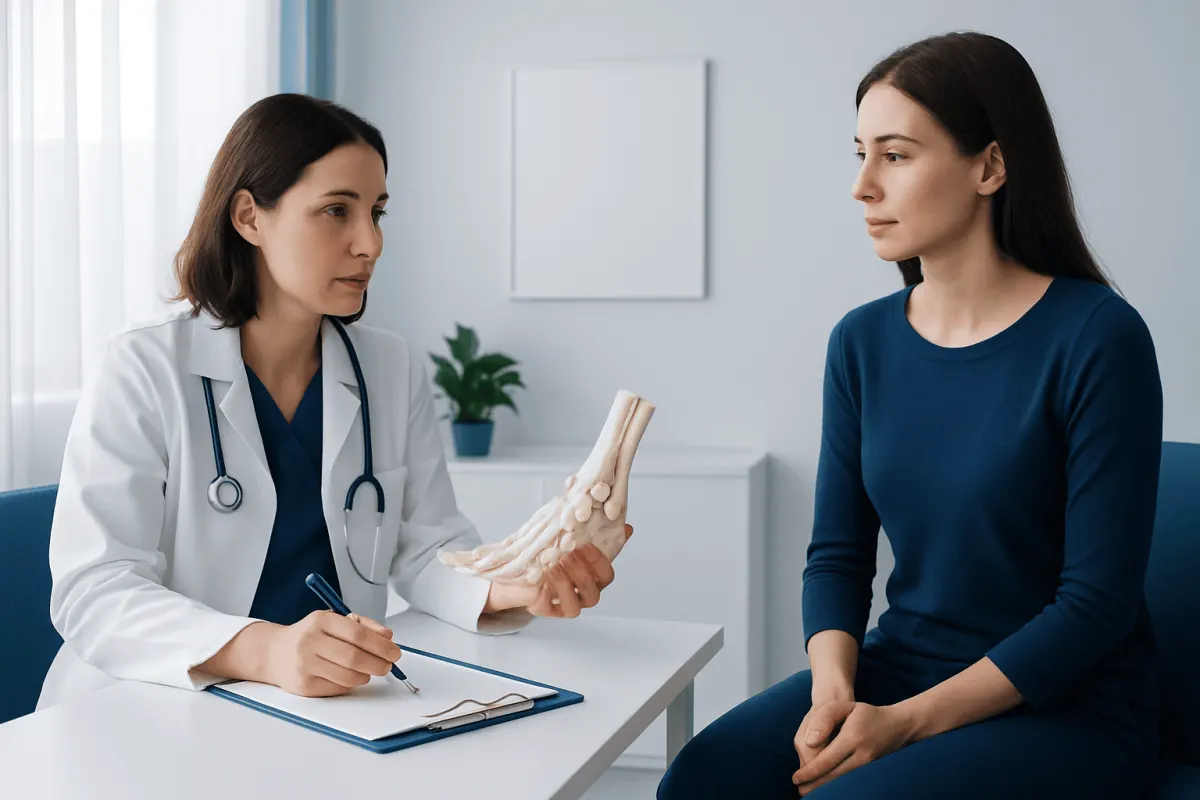
A good candidate is usually someone in good general health who has a clear concern about foot shape, toe position, or shoe-related irritation and understands the limits of surgery. The best results tend to occur when goals are specific and realistic, such as reducing a bunion prominence, straightening a toe, or improving contour after a congenital difference or injury.
Doctors also look at whether symptoms are stable and whether non-surgical measures have already been tried. Wider shoes, padding, orthotics, physical therapy, or treatment for calluses may improve comfort enough that surgery is not needed. If the issue is mainly appearance but the foot is structurally healthy, a surgeon will carefully weigh whether an operation is worth the recovery and potential risks.
Some conditions can affect candidacy, including poor circulation, uncontrolled diabetes, smoking, active skin infection, nerve problems, or significant swelling disorders. These do not always prevent surgery, but they may increase the risk of delayed healing or complications. A thorough assessment helps decide whether surgery is appropriate and what approach would be safest.
How Doctors Evaluate the Foot
Evaluation begins with a detailed history and physical examination. The doctor asks about pain, pressure points, skin rubbing, footwear problems, past injuries, and whether the concern changes walking or activity. The appearance of the foot is only one part of the assessment; toe flexibility, joint motion, tendon balance, and standing alignment are equally important.
The exam often includes looking at the patient while standing and walking. This helps identify whether a visible deformity is linked to flattening of the arch, abnormal pressure distribution, or instability. Areas of callus, redness, or corns can show where the foot is absorbing too much force.
X-rays are commonly used when bones or joints are involved, especially for bunions or toe deformities. In selected cases, additional imaging may be needed if there is concern about prior trauma, arthritis, or soft-tissue problems. The goal is to create a plan that respects how the foot functions, not simply how it looks in a resting position.
Treatment Options
Treatment depends on the exact problem. For bunions, surgery may involve realigning the bone, correcting the joint position, and reducing the prominence rather than simply shaving it down. Toe procedures may include releasing tight soft tissues, correcting tendon imbalance, shortening or repositioning bone, or fusing a small joint when a deformity is fixed and rigid.
Some patients need soft-tissue contouring, scar revision, or reconstruction after congenital differences or injury. In selected situations, treatment overlaps with broader plastic and reconstructive care, especially when skin quality, scar tissue, or tissue loss affects the result. The surgeon may also discuss options within cosmetic (aesthetic) surgery or body aesthetics when comparing goals, though foot surgery remains a specialized area because of its effect on gait.
Non-surgical treatment remains important and may be the first step. Wider shoes, toe spacers, protective padding, custom insoles, anti-inflammatory strategies, and targeted exercises can reduce pressure and improve comfort. Surgery is generally considered when appearance concerns are significant, symptoms persist, or a structural problem is unlikely to improve without correction.
- Shoe modifications and pressure relief
- Orthotics or cushioning inserts
- Correction of bunions or bunionettes
- Procedures for hammertoes or overlapping toes
- Scar revision or soft-tissue contour correction
- Reconstructive surgery for congenital or post-traumatic differences
Recovery and Possible Risks
Recovery varies widely depending on whether the procedure involves skin, soft tissue, bone, or joints. Some minor procedures allow relatively early walking in a protective shoe, while more complex bone corrections may require limited weight-bearing for a period of time. Swelling can last for weeks or months, and final cosmetic results may take time to become clear.
Patients usually need to keep the foot elevated, protect dressings, avoid tight shoes, and attend follow-up visits. Physical therapy or home exercises may be recommended to restore flexibility and walking comfort. Returning to work, driving, sports, or regular footwear depends on the exact operation and should follow the surgeon’s advice.
As with any operation, there are potential risks. These may include infection, bleeding, delayed wound healing, scar sensitivity, persistent swelling, stiffness, numbness, recurrence of deformity, or ongoing pain. Because the foot is a weight-bearing structure, even a well-performed operation can feel disappointing if expectations are unrealistic. Careful planning and good aftercare help lower these risks.
Prevention, Self-care, and When to See a Doctor
Not all foot appearance concerns can be prevented, especially those linked to inherited bone shape or congenital differences. Still, foot-friendly habits may reduce progression of common problems. Wearing shoes with enough toe room, avoiding very narrow or high-heeled footwear for long periods, maintaining a healthy body weight, and addressing pressure points early can all support long-term foot health.
Self-care may include using padding for rubbing areas, moisturizing thickened skin, selecting supportive shoes, and seeking early advice if a bunion or toe deformity begins to worsen. It is also wise to monitor any scar, skin irritation, or pressure injury closely, particularly in people with diabetes or circulation problems. If there is a history of burns or chronic skin damage, assessment may be needed to rule out related concerns such as pressure ulcers in high-risk areas.
A doctor should be consulted if the foot becomes painful, swollen, red, or difficult to fit into shoes, or if a toe deformity is progressing. Medical advice is also important when there is numbness, recurrent corns or ulcers, trouble walking, or concern after an old injury. Near the end of the treatment pathway, some international patients choose centers such as Acıbadem Health Point, where multidisciplinary specialists in JCI-accredited hospitals evaluate and treat aesthetic and reconstructive foot concerns.
When surgery is appropriate, patients benefit from discussing the expected appearance, the likely functional changes, and the Lift Recovery Timeline: When Swelling Improves and Shape Settles" class="ahp-ilk">recovery timeline in detail. Asking to see how the procedure may affect walking, footwear choices, and future activities can support informed decision-making and realistic expectations.
Frequently asked questions
01Is aesthetic foot surgery only cosmetic?
Not always. Many procedures improve appearance while also reducing rubbing, pressure, or difficulty wearing shoes. Because the foot affects walking and balance, surgeons usually consider both cosmetic and functional outcomes together.
02What conditions are commonly treated with aesthetic foot surgery?
Common reasons include bunions, hammertoes, overlapping toes, prominent bones, asymmetry, and some congenital toe differences. Scar-related contour changes after injury or previous surgery may also be treated. The exact procedure depends on whether bone, joint, tendon, or skin is involved.
03How long does recovery take after aesthetic foot surgery?
Recovery depends on the type of surgery. Soft-tissue procedures may heal faster than operations that realign bones or joints. Swelling often lasts longer than patients expect, so final results may take several weeks or months to become fully visible.
04Will a patient be able to walk after surgery?
Many patients can walk with a special surgical shoe or boot, but this depends on the procedure. Some operations require temporary restrictions on weight-bearing to protect healing. The surgeon will give personalized instructions based on the area treated.
05Are there non-surgical alternatives?
Yes. Wider shoes, padding, orthotics, toe spacers, and treatment for corns or calluses can improve comfort and reduce friction. These options may not change bone shape, but they often help symptoms and can delay or avoid surgery in suitable cases.
06What are the risks of aesthetic foot surgery?
Possible risks include infection, delayed healing, numbness, scar sensitivity, stiffness, swelling, ongoing pain, or recurrence of the deformity. Risk varies with overall health, smoking status, circulation, and the complexity of the procedure. A careful preoperative assessment helps reduce complications.
This article is for general information only and is not a substitute for professional medical advice. Please consult a qualified doctor about your individual situation.
Joint and spine care in Turkey — expert assessment & treatment
JCI-accredited · board-certified surgeons · reply within 24h
Add us as a Preferred Source to see more of our trusted health content across Google Search, AI Overviews and Discover.