Liposuction Safety in Turkey: Risks and How to Choose a Clinic

Key Takeaways
- Searches about liposuction turkey death usually relate to rare but serious complications such as blood clots, fluid or anaesthetic problems, infection or organ injury — risks that exist with liposuction in any country.
- Risk rises with large-volume fat removal, several areas treated at once, combined operations (for example liposuction plus abdominoplasty or fat transfer) and untreated health conditions.
- Choose the setting before the price: a licensed hospital with intensive-care back-up, internationally recognised accreditation such as JCI, and a surgeon whose plastic surgery specialist qualification can be verified.
- Ask exactly what a package includes — consultation, anaesthesia, hospital stay, compression garments, follow-up, and what happens if an unplanned extra night or readmission is needed.
- Plan enough time in Turkey for post-operative review before flying, and agree a written aftercare and emergency plan with your UK GP or a local clinic before you travel.
- Treat any cost figures as planning bands only; a formal, personalised estimate should follow a medical review, not precede it.
Liposuction is one of the most commonly performed cosmetic operations worldwide, and serious complications are uncommon — but they are not impossible, wherever the surgery takes place. This guide explains how risk arises, and how UK patients considering treatment in Turkey can plan the journey, check credentials and organise aftercare sensibly.
How Safe Is Liposuction in Turkey? A Direct Answer
People searching for information about liposuction turkey death are usually asking a very reasonable question: is it safe to fly abroad for body-contouring surgery? The honest, evidence-based answer is that liposuction performed by a qualified plastic surgeon, on a suitable patient, in a properly equipped hospital is generally considered a low-risk operation — but it remains real surgery with real anaesthetic, and deaths, though rare, have been reported in every country where the procedure is offered, including the United Kingdom. Country of treatment is not the deciding factor. Patient selection, the volume of fat removed, whether procedures are combined, the standard of the facility and the quality of aftercare are.
Media coverage of deaths following cosmetic surgery abroad understandably causes anxiety. What such reports rarely make clear is the clinical context: how many areas were treated in one session, whether several operations were stacked together, whether the patient had undiagnosed clotting risk or heart or lung disease, and whether the facility had emergency and intensive-care capability on site. Those details matter far more than the destination.
Turkey has a large, well-established private hospital sector that treats significant numbers of international patients, alongside a wide spectrum of smaller providers and agencies of varying quality. That variability is exactly why an informed selection process matters. This article looks at how risk arises, what to verify before booking, how packages and cost planning usually work, and how to arrange safe follow-up once you are back home. It is general information, not medical advice — decisions about whether liposuction is appropriate for you belong to a qualified doctor who has assessed your history in person.
Understanding the Risks Behind "Liposuction Turkey Death" Headlines
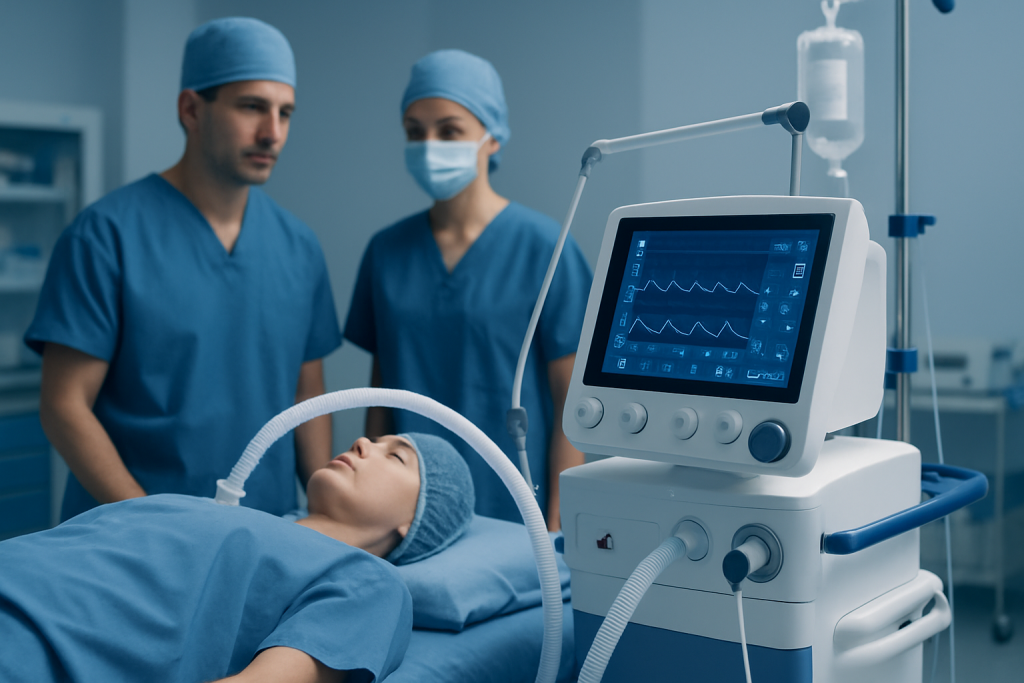
Serious complications after liposuction are uncommon, but they follow recognised patterns. Understanding them helps you ask better questions rather than simply worry. The most frequently discussed risks in the surgical literature include venous thromboembolism (a blood clot forming in a leg vein that can travel to the lungs), fluid and electrolyte imbalance when large volumes are removed, complications of general anaesthesia or sedation, bleeding, infection, fat embolism, and injury to internal organs if a cannula passes beyond the fat layer.
Several factors are consistently associated with higher risk:
- Large-volume liposuction, or many areas treated in a single session.
- Combining liposuction with other operations, such as a tummy tuck, breast surgery or fat transfer, which lengthens anaesthetic time.
- Undiagnosed or poorly controlled conditions — heart disease, sleep apnoea, diabetes, clotting disorders — or a high body mass index.
- Smoking, and certain medicines or supplements that affect bleeding or clotting.
- Surgery in premises without resuscitation equipment, an anaesthetist and rapid access to intensive care.
- Discharge or long-haul flying too soon after surgery, before recovery has been reviewed.
Reassuringly, most of these factors can be reduced or managed in advance. A thorough pre-operative assessment — blood tests, cardiac screening where indicated, a medication review, an anaesthetic consultation and a realistic conversation about how much fat can safely be removed in one session — is the single most powerful safety measure available. Liposuction is a contouring procedure, not a weight-loss treatment, and a surgeon who declines to remove more than is safe, or who advises staging surgery across two sessions, is protecting you rather than under-delivering.
Accreditation, Hospital Setting and Surgeon Credentials

Before comparing prices, compare settings. Ask whether the operation takes place in a full hospital or in a day-surgery unit, whether an anaesthetist is present throughout, whether the facility has an on-site intensive care unit and blood transfusion capability, and how an out-of-hours emergency would be handled. In Turkey, all healthcare facilities must be licensed by the Ministry of Health; on top of that, some hospitals hold international accreditation such as Joint Commission International (JCI), which involves external assessment against published patient-safety and infection-control standards. Accreditation is not a guarantee of any individual outcome, but it is a meaningful, verifiable signal about systems and governance.
Next, verify the surgeon rather than the brand. Cosmetic surgery is best performed by a doctor with a recognised specialist qualification in plastic, reconstructive and aesthetic surgery, and you are entitled to ask for the surgeon’s full name, specialty registration and hospital affiliation in writing before committing. Membership of national or international professional bodies, and a willingness to conduct a video consultation personally rather than delegating everything to a sales representative, are further useful indicators.
Be cautious about a few common warning signs: pressure to pay a deposit quickly, prices quoted before any medical history is reviewed, before-and-after photographs presented as promises, refusal to name the operating surgeon or hospital, and packages that bundle several major procedures into one short trip. A clinic confident in its standards will welcome questions and will sometimes tell you that surgery is not advisable at all — which is precisely the kind of answer that protects patients.
What Treatment Packages Typically Include
Most international packages for body contouring in Turkey are structured around a fixed set of services. Typically these include an initial remote consultation and review of your medical information, pre-operative tests, the surgeon’s and anaesthetist’s fees, theatre and hospital charges, one or more nights of inpatient stay where indicated, compression garments, medicines prescribed on discharge, airport and hospital transfers, interpreter support and a defined number of follow-up appointments before you fly home. Accommodation for the non-hospital nights is often arranged but not always included in the quoted figure.
Just as important is what is not included, and how exceptions are handled. Ask specifically about: the cost of an additional hospital night if recovery is slower than expected; what happens if a complication requires readmission or a return to theatre; whether a revision policy exists and on what terms; whether a companion can stay; and whether flights, visa costs and travel insurance are your responsibility. Insurance deserves particular attention — many standard UK travel policies exclude planned surgery abroad and its complications, so specialist cover should be arranged in advance.
Finally, confirm the clinical pathway in writing: who performs the surgery, where, under what type of anaesthesia, how many areas are being treated, and what the plan is if the surgeon assesses you in person and recommends a smaller or staged procedure. A package should describe a coordinated medical journey, not simply a bundle of nights and transfers.
Planning Costs Realistically Without Chasing the Lowest Price
Cost is a legitimate part of the decision, but it is best treated as a planning band rather than a fixed number. In broad terms, single-area liposuction in a private Turkish hospital usually sits in a lower band than multi-area contouring, while liposuction combined with abdominoplasty, fat transfer or other procedures sits substantially higher because of longer theatre time, a longer inpatient stay and more intensive aftercare. Prices in the UK private sector are generally higher again, largely reflecting different staffing and overhead costs rather than a difference in the operation itself.
Any figure you see online before a medical review is an indication only. A personalised estimate should follow assessment of your photographs, measurements, medical history and goals, and it should be itemised so that you can see what is clinical care and what is logistics. Beware of quotes that are dramatically below the market range: unusually low pricing often reflects shorter hospital stays, non-specialist surgeons, minimal follow-up or non-hospital premises.
Build a contingency into your budget as a matter of routine — for a possible extra night or two, a changed flight, additional garments or an unplanned review appointment. Patients who plan for the possibility of a slower recovery experience far less stress if it happens.
Recovery, Travel Timing and Flying Home Safely
Recovery from liposuction is usually straightforward but not instant. Swelling, bruising, numbness and a firm or lumpy feel to the treated area are expected for several weeks, and the final contour continues to settle over months. Compression garments are normally worn for a period defined by the surgeon, and light walking is encouraged early precisely because movement reduces clot risk. Your surgical team will give individual guidance on activity, wound care and returning to exercise or work.
Timing the return journey matters. Rather than booking the shortest possible trip, allow enough days in Turkey for at least one in-person post-operative review, so that any early problem — a wound infection, unusual pain or asymmetry of swelling — is identified while you are still under the care of the operating team. Long-haul or even medium-haul flights involve prolonged immobility, which is a known contributor to venous thromboembolism after surgery, so the flight date should be confirmed by your surgeon rather than fixed in advance.
Practical measures for the journey home commonly include walking regularly in the cabin, staying well hydrated, wearing prescribed compression, and following any clotting-prevention advice your team has given. Carry a copy of your operation note, discharge summary and medication list in English, both digitally and on paper, so that any doctor who sees you afterwards understands exactly what was done.
Aftercare Once You Are Back in the UK
Aftercare is where the difference between a well-coordinated medical journey and a cut-price package becomes most visible. Before you travel, agree who will remove sutures or drains if needed, who will review your wounds, and how you will reach the operating team with photographs or a video call. Contact your GP practice in advance to explain the planned surgery — NHS services will treat complications and emergencies, but routine cosmetic follow-up is not generally provided, and some patients arrange private nursing or clinic reviews at home for dressing changes and garment checks.
Know the symptoms that warrant urgent assessment rather than an email: spreading redness or heat around wounds, fever, foul-smelling discharge, calf pain or swelling, chest pain, breathlessness, palpitations, rapidly increasing swelling or bruising, or pain that worsens instead of easing. In the UK, breathlessness or chest pain after recent surgery should be treated as an emergency — call 999 or attend A&E, and tell the clinicians when and where you had surgery.
A responsible provider will schedule structured remote reviews at set intervals and keep your records accessible. Acıbadem Health Point coordinates care with the multidisciplinary specialists and JCI-accredited hospitals of the Acıbadem Healthcare Group for international patients, including pre-travel medical review, interpreter support and follow-up arrangements after the return home; as with any provider, suitability for surgery is determined only after individual clinical assessment.
When to Speak to a Patient Coordinator — and What to Ask
A patient coordinator is most useful early, before dates or flights are fixed. Their role is to gather your medical history and photographs for the surgical team, arrange a video consultation with the surgeon, explain what tests will be needed, outline the likely length of stay, and set out what is and is not included in the estimate. Sharing your full history at this stage — including previous operations, current medicines and supplements, smoking status, any clotting problems in the family and any mental-health considerations — protects you, because it allows the team to identify reasons why surgery may need to be modified, staged or declined.
Useful questions to raise include: who exactly will operate, and what is their specialist qualification? In which licensed hospital, and does it have intensive care on site? How many areas are proposed, and is anything being combined? What is the plan if a complication occurs while I am in Turkey, and after I fly home? When can I realistically travel, and who confirms that date? What written records will I receive?
Finally, remember that no ethical clinician can promise a specific outcome, a fixed recovery timeline or a guaranteed absence of complications. What a good service can offer is transparent information, verifiable credentials, an accredited setting, honest discussion of risk and a clear aftercare pathway — and the freedom to take your time, seek a second opinion, and decide that the timing is not right.
Frequently asked questions
01How common is death after liposuction?
Death after liposuction is rare, and most large surgical series report serious complications as uncommon events. Risk is not evenly distributed, however: it rises with large-volume fat removal, multiple areas treated at once, combined operations and untreated medical conditions. The best protection is thorough pre-operative assessment and surgery in an accredited hospital with anaesthetic and intensive-care support.
02Is liposuction in Turkey riskier than in the UK?
The operation itself carries similar risks wherever it is performed; the variables are patient selection, facility standards, surgeon qualifications and aftercare. Turkey has internationally accredited hospitals as well as less regulated providers, so outcomes depend heavily on which you choose. Verifying the hospital licence, accreditation and the surgeon's plastic surgery specialist qualification matters far more than the destination.
03How long should I stay in Turkey after liposuction before flying home?
Most teams advise staying long enough for at least one in-person post-operative review rather than flying at the earliest opportunity. The exact interval depends on the extent of surgery, your general health and how recovery progresses, and should be confirmed by your surgeon rather than fixed when booking flights. Prolonged immobility during flights is a recognised clot risk after surgery, so medical clearance before travel is important.
04What does a liposuction package in Turkey usually include?
Packages commonly cover the remote consultation, pre-operative tests, surgeon and anaesthetist fees, theatre and hospital charges, any inpatient nights, compression garments, discharge medicines, transfers, interpreting and a set number of follow-up visits. Flights, visa costs, travel insurance and sometimes hotel nights are often excluded. Always ask in writing what happens — and who pays — if an extra night, readmission or revision becomes necessary.
05How much does liposuction in Turkey cost?
Only an indicative band can be given without a medical review: single-area treatment generally sits in a lower band than multi-area contouring, and combined procedures such as liposuction with abdominoplasty are considerably higher. A personalised, itemised estimate should follow assessment of your history, photographs and goals. Unusually low prices often signal shorter stays, non-hospital premises or limited follow-up.
06Who looks after me when I get back to the UK?
Arrange this before you travel. Agree with the clinic how remote follow-up will work, keep copies of your operation note and discharge summary in English, and inform your GP practice about the planned surgery. NHS services will manage emergencies and complications, but routine cosmetic follow-up is generally not provided, so some patients arrange private nurse or clinic reviews at home.
07What symptoms after liposuction need urgent medical attention?
Seek urgent assessment for fever, spreading redness or heat around wounds, foul-smelling discharge, calf pain or swelling, rapidly increasing bruising, or pain that worsens rather than settles. Chest pain, palpitations or breathlessness after recent surgery should be treated as an emergency — call 999 or attend A&E and tell clinicians when and where you had surgery.
This article is for general information only and is not a substitute for professional medical advice. Please consult a qualified doctor about your individual situation.
Explore treatments in Turkey — costs, top hospitals & a free quote
JCI-accredited · board-certified surgeons · reply within 24h
Add us as a Preferred Source to see more of our trusted health content across Google Search, AI Overviews and Discover.