Rhinoplasty in Turkey Cost 2026: Prices, Packages and What’s Included

Key Takeaways
- The rhinoplasty in Turkey price is usually quoted as a package rather than a single surgical fee, and the final figure is confirmed only after a personal medical assessment.
- Packages commonly bundle the surgeon's fee, anesthesia, operating room, short hospital stay, standard post-operative dressings or splint, airport transfers, hotel nights and interpreter support.
- Flights, visa costs, revision surgery, treatment of unrelated medical findings and extended hotel stays are generally excluded and should be budgeted separately.
- Accreditation such as JCI, the surgeon's board certification and the volume of nasal surgery performed are more meaningful selection criteria than price alone.
- Most patients plan roughly seven to ten days in Turkey, with the splint removal appointment scheduled before the return flight when the surgical team considers it appropriate.
- Aftercare planning — written operative notes, a follow-up schedule and a local physician at home — should be arranged before departure, not after.
Patients traveling from the United States often ask what a nose reshaping trip really costs and what is bundled into a quoted package. This guide explains how pricing is structured in 2026, what packages typically include and exclude, and how the journey is planned from first consultation to aftercare back home.
Why Patients From the U.S. Consider Rhinoplasty Abroad
Nose reshaping surgery, or rhinoplasty, is one of the most frequently requested facial procedures worldwide, and Turkey has become a well-established destination for people who wish to combine surgical care with international travel. For patients based in the United States, the motivation is usually a combination of factors: cost planning, the availability of surgeons who perform a high volume of nasal surgery, and coordinated packages that handle hospital admission, accommodation and transport in one arrangement rather than as separate bookings.
It is important to frame this decision realistically. Rhinoplasty is genuine surgery performed under anesthesia, not a cosmetic appointment. It carries the same risks as any operation — bleeding, infection, reaction to anesthesia, breathing changes and an aesthetic outcome that may differ from what was imagined. No surgeon, hospital or country can guarantee a specific result or a fixed healing timeline. A well-planned medical trip is one that treats the surgery as the central event and the travel as logistics arranged around it.
This article does not offer a quote or a diagnosis. It explains how pricing is typically structured, what patients can expect at each stage of the journey, and which questions are worth asking before committing to a date. Any decision about whether rhinoplasty is medically appropriate — and which technique might suit a particular nose, skin type and breathing pattern — belongs to a qualified surgeon after an in-person or video assessment.
What the Rhinoplasty in Turkey Price Typically Includes
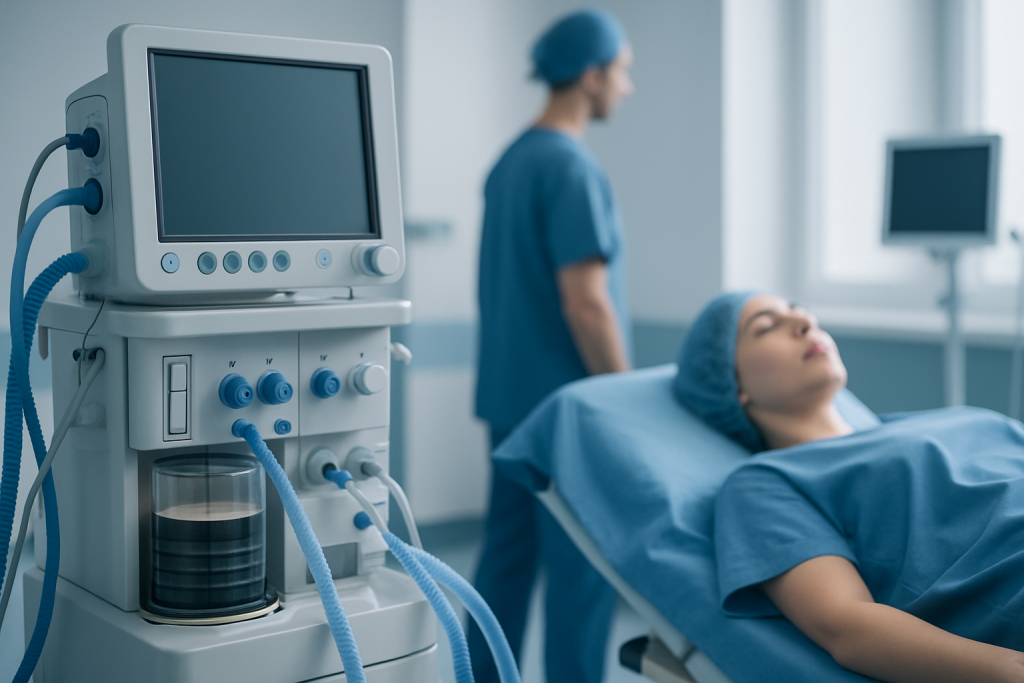
When a coordination team quotes a rhinoplasty in Turkey price, it is almost always a package figure rather than a bare surgical fee. Understanding the components makes it far easier to compare offers and to spot where two quotations are simply measuring different things. Patients should ask for the inclusions in writing before making any payment or booking flights.
A typical inclusive package covers the following elements:
- The surgeon’s professional fee and the assisting surgical team
- Anesthesia and the anesthesiologist’s fee
- Operating room use and standard consumables
- Pre-operative laboratory tests, ECG and any imaging required for surgical clearance
- One night of hospital stay, or day-case admission depending on the plan
- The nasal splint, internal supports if used, and standard post-operative dressings
- Routine post-operative medication prescribed on discharge
- Follow-up visits during the stay, usually including splint removal
- Airport and hospital transfers, hotel nights, and interpreter or patient-host support
Just as important is the exclusion list. Flights, travel insurance, visa or authorization fees, meals outside the hotel arrangement, additional hotel nights if departure is delayed, treatment of unrelated conditions discovered during pre-operative testing, and any future revision surgery are generally not included. Combined procedures — for example addressing a deviated septum for breathing reasons at the same time — may change the quoted figure and should be discussed explicitly rather than assumed.
Understanding Cost Bands in 2026 Without Fixating on a Number

Rather than a single price, it is more useful to think in bands. Quotations for functional or straightforward primary rhinoplasty tend to sit at the lower end of a hospital’s range. More complex work — revision rhinoplasty after previous surgery, cases requiring cartilage grafts taken from the rib or ear, thick-skin cases, or combined septorhinoplasty for both breathing and appearance — sits in higher bands because it demands longer operating time, more materials and greater surgical experience.
Several variables move a quotation up or down. The surgeon’s seniority and sub-specialization, whether the hospital is internationally accredited, the level of anesthesia support, the length of hospital stay, the hotel category and the number of nights, and whether an interpreter accompanies the patient to every appointment all contribute. Currency fluctuations and the season of travel can also affect the accommodation portion of a package from one quarter of 2026 to the next.
A responsible coordination team will not issue a firm figure from photographs alone. The realistic sequence is: submission of medical history and photographs, review by the surgical team, a video consultation, and only then an indicative planning range. The final figure is confirmed after the in-person examination in Turkey, once the surgeon has assessed the nasal structure, skin thickness and airway. Patients should be cautious about any quotation that is fixed, unusually low and issued without a medical review — price certainty before assessment is not a sign of quality.
Accreditation, Surgeon Credentials and How to Compare Providers
Cost should never be the first filter. The first filter is whether the surgery will be performed in a facility with credible safety systems and by a surgeon with verifiable qualifications in nasal surgery. Accreditation by Joint Commission International (JCI) is a widely recognized marker: it indicates that a hospital has been externally audited against international standards for patient safety, infection control, medication management and emergency response. It is not a promise of a particular outcome, but it reflects the systems that support safe surgery.
On the surgeon side, patients are entitled to ask direct questions and to receive clear answers before booking. Useful questions include:
- Which specialty board certifies the surgeon, and in which country?
- How much of the surgeon’s practice is devoted to nasal surgery specifically?
- Will the named surgeon personally perform the operation?
- Which anesthesia team is involved, and what intensive care backup does the hospital have?
- What is the documented approach if a complication develops after the patient returns home?
- Can the surgeon show before-and-after photographs of patients with a comparable nose type?
Be wary of marketing that promises a guaranteed outcome, a “perfect” result or a fixed number of days to full healing. Ethical practice involves discussing realistic goals, the limits of what surgery can change, the possibility that swelling may take many months to settle, and the fact that a small proportion of rhinoplasty patients anywhere in the world eventually consider revision surgery. A consultation that includes an honest discussion of risk is a better sign than one that only discusses price.
Planning the Trip: Consultation, Timing and Length of Stay
Most journeys begin remotely. Patients typically send a medical history, a list of current medications, details of any previous nasal surgery or injury, and standardized photographs. A video consultation with the surgeon follows, during which goals, technique options and realistic limitations are discussed. This is also the moment to raise breathing symptoms, allergies, sleep apnea, bleeding disorders or a history of poor scarring — these can affect both candidacy and planning. A second opinion at this stage is entirely reasonable and should be welcomed rather than discouraged.
Once a plan is agreed, the coordination team arranges the calendar: arrival date, pre-operative testing day, surgery day, inpatient night, follow-up visits and the earliest sensible departure. Visa or travel authorization guidance, airport transfers, hotel booking near the hospital and interpreter support are usually handled at the same time. Travelers from the U.S. should confirm passport validity requirements and check whether their travel insurance covers elective surgery abroad, since most standard policies do not.
As a general planning guide, patients are often advised to allow around seven to ten days in Turkey, though the surgical team sets the individual schedule. The nasal splint is commonly removed roughly a week after surgery, and many surgeons prefer this appointment to happen before the flight home. Traveling with a companion is strongly recommended: someone to help with transfers, translation of practical daily matters and simple tasks during the first swollen, tired days.
Recovery, Flying Home and Aftercare in the United States
The early recovery period is usually more about swelling, bruising and nasal congestion than about pain. Patients are typically asked to sleep with the head elevated, avoid blowing the nose, avoid strenuous activity and heavy lifting, protect the nose from bumps and sunlight, and follow the prescribed medication plan exactly. Smoking and alcohol interfere with healing and are generally discouraged around the surgical period. The surgical team provides individualized instructions; these general points are not a substitute for them.
Air travel after surgery deserves specific attention. Cabin pressure changes, dry cabin air, long periods of immobility and the risk of blood clots on long-haul flights all matter after an operation. The surgeon should confirm when flying is appropriate for that individual, and patients are usually advised to move their legs regularly during the flight, stay hydrated and avoid alcohol. Rushing the return date to save a hotel night is rarely a good trade.
Before leaving Turkey, patients should collect a complete discharge package: the operative report, details of any grafts or implants used, medication list, wound-care instructions, follow-up schedule and direct contact details for the medical team. Arranging a local primary care physician or ENT/plastic surgeon in the U.S. who is willing to examine the nose if a concern arises is a sensible precaution. Remote follow-up by photograph or video call at set intervals is standard practice, but a local clinician is important for anything that needs hands-on assessment. Final nasal shape settles slowly — subtle swelling, particularly at the tip, can take a year or more to fully resolve, and patience during that period is part of the treatment.
When to Speak With a Patient Coordinator
A patient coordinator becomes useful earlier than most people expect — not at the booking stage, but at the questioning stage. Contacting a coordination team is appropriate when a patient wants to know whether their case is suitable for surgery abroad at all, when they need an indicative planning range rather than a firm quote, when previous surgery makes the case more complex, or when they need clarity on how many days to request off work and what a companion’s role would be.
Good coordination should feel like administrative and logistical support around a clinical decision, not like a sales process. Reasonable expectations include: a clear written breakdown of inclusions and exclusions, no pressure to pay a deposit before a medical review, transparent information about which hospital and which surgeon will provide care, an explanation of what happens if surgery is postponed for medical reasons, and a documented aftercare pathway. If any of these are missing, it is fair to keep asking until they are provided.
Acibadem Health Point coordinates care for international patients within Acıbadem Healthcare Group, where multidisciplinary specialists in facial plastic surgery, ENT and anesthesiology work in JCI-accredited hospitals, and where travel, interpretation and follow-up arrangements are organized as part of the patient journey. Whichever provider a patient ultimately chooses, the essential step remains the same: a personal assessment by a qualified surgeon, with realistic expectations discussed openly before any date is set.
Frequently asked questions
01Is a quoted rhinoplasty package price in Turkey final?
Usually it is indicative rather than final. A reliable quotation is issued after the surgical team reviews medical history and photographs, and it is confirmed only after the in-person examination in Turkey. Complexity discovered at assessment, such as the need for cartilage grafts or a combined septal procedure, can change the figure.
02What is normally excluded from a rhinoplasty package?
International flights, visa or travel authorization fees, travel insurance, extra hotel nights beyond the planned stay, and treatment of unrelated conditions found during pre-operative testing are typically excluded. Revision surgery is also usually a separate arrangement. Patients should request the inclusion and exclusion list in writing before booking.
03How long should a patient plan to stay in Turkey?
Many patients are advised to allow approximately seven to ten days, so that the splint removal and at least one follow-up visit take place before departure. The exact schedule is set by the surgical team based on the individual case. Booking a flexible return flight is wise in case the surgeon recommends a short extension.
04When is it safe to fly home after rhinoplasty?
Only the operating surgeon can confirm this for a specific patient, as it depends on the procedure performed and how healing is progressing. Cabin pressure, dry air and long periods of sitting are all relevant considerations after surgery. Patients are generally advised to stay hydrated, move their legs during the flight and avoid alcohol.
05Does JCI accreditation guarantee a good surgical result?
No. JCI accreditation indicates that a hospital has been externally audited against international standards for patient safety, infection control and emergency preparedness. It reflects the systems supporting care, not the outcome of an individual operation. Surgeon credentials, experience with nasal surgery and a realistic pre-operative discussion remain equally important.
06How is follow-up handled after returning to the United States?
Follow-up is usually a combination of remote review by photograph or video call with the operating team and local in-person care if something needs hands-on examination. Patients should leave Turkey with an operative report, medication list and wound-care instructions. Identifying a local physician willing to review the nose if concerns arise is a sensible precaution.
07When should someone contact a patient coordinator?
Ideally before committing to any dates or payments — at the point of wanting to know whether the case is suitable, what an indicative cost range might be, and how the aftercare pathway works. Coordinators handle logistics such as scheduling, transfers, accommodation and interpreters. Clinical decisions remain with the surgeon after a proper assessment.
This article is for general information only and is not a substitute for professional medical advice. Please consult a qualified doctor about your individual situation.
Explore treatments in Turkey — costs, top hospitals & a free quote
JCI-accredited · board-certified surgeons · reply within 24h
Add us as a Preferred Source to see more of our trusted health content across Google Search, AI Overviews and Discover.