Is It Safe to Get a Nose Job in Turkey? Risks and How to Choose

Key Takeaways
- Is it safe to get a nose job in Turkey? It can be, provided care is delivered in an accredited hospital by a surgeon whose qualifications and registration can be independently verified.
- Rhinoplasty is real surgery with genuine risks — bleeding, infection, breathing changes and the possibility of revision — and no ethical provider guarantees a result.
- Ask for written confirmation of the operating surgeon's name, specialty board certification and the hospital's accreditation before paying any deposit.
- Typical packages cover surgery, hospital stay, anaesthesia, transfers and hotel nights; ask specifically what is excluded, such as revision surgery or extended stays.
- Costs are best planned as a band rather than a fixed figure, because technique, complexity and length of stay all affect the total.
- Arrange UK-based aftercare and a clear remote follow-up plan before you travel, and speak to a patient coordinator early if you have medical conditions or tight timings.
Rhinoplasty performed in an accredited Turkish hospital by a properly credentialled surgeon can meet the same standards patients expect at home — but safety depends heavily on how the trip is planned, vetted and followed up. This guide explains how to assess a provider, what packages usually include, how to think about costs and timings, and what aftercare looks like once you are back in the UK.
Is It Safe to Get a Nose Job in Turkey? The Direct Answer
Is it safe to get a nose job in Turkey? For most healthy adults, the answer is that it can be — rhinoplasty performed in an internationally accredited Turkish hospital, by a surgeon with verifiable specialty training and hospital privileges, is carried out to standards comparable with those in the United Kingdom. Turkey has a long-established private hospital sector, high surgical volumes and a well-developed international patient infrastructure. What varies enormously is not the country, but the individual provider: the surgeon’s credentials, the facility’s accreditation, the quality of pre-operative assessment and, crucially, what happens after the patient flies home.
It is worth being clear about what safety means here. No surgeon anywhere can guarantee an outcome, and no reputable provider will promise a fixed result, a fixed recovery timeline or a complication-free experience. Rhinoplasty is one of the more technically demanding operations in facial surgery because it must balance appearance with nasal breathing. A safe experience means that risks were properly explained, the patient was medically suitable, the operation took place in a licensed hospital with anaesthetic and emergency support, and there was a documented plan for follow-up.
Problems reported by patients travelling abroad tend to cluster around a small number of avoidable issues: booking through an unverified intermediary rather than a hospital, arriving with no formal medical assessment, meeting the operating surgeon only on the day, flying home too early, and having no route back to the treating team afterwards. Each of these can be addressed at the planning stage, which is why choosing carefully matters more than choosing quickly.
How to Vet the Hospital and the Surgeon
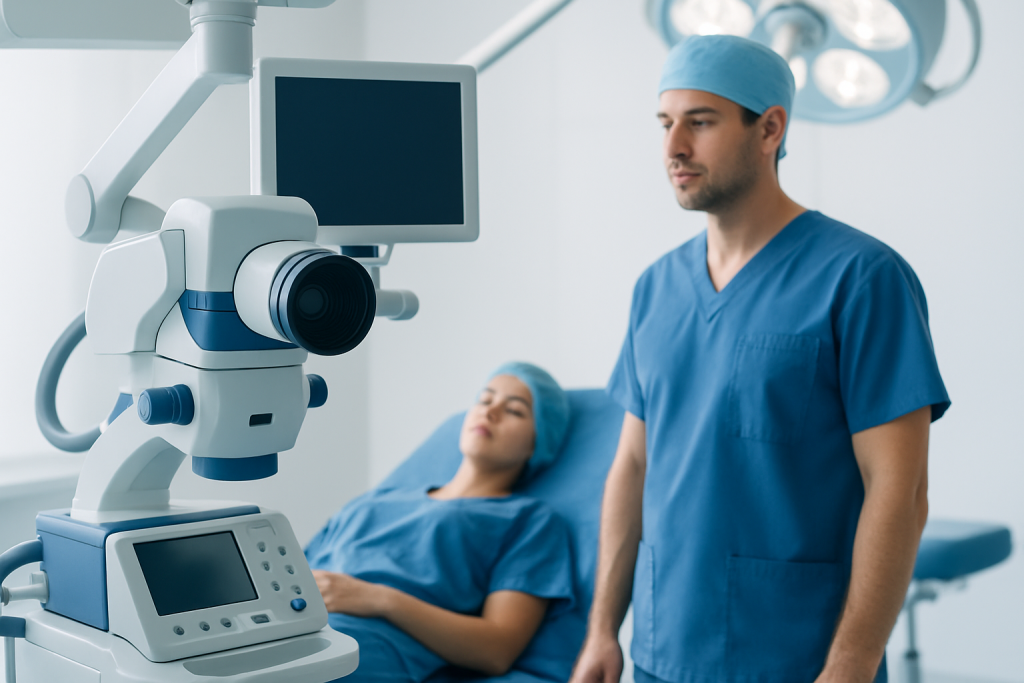
The single most useful filter is accreditation. Joint Commission International (JCI) accreditation is an independent, on-site assessment of a hospital’s clinical governance, infection control, medication safety, patient identification and emergency preparedness. It does not comment on any individual surgeon’s artistry, but it does indicate that the environment around the operation is systematically audited. Patients should be able to confirm accreditation status directly from the accrediting body rather than relying on a logo on a website.
The second filter is the surgeon. In Turkey, rhinoplasty is performed by specialists in plastic, reconstructive and aesthetic surgery or by ear, nose and throat (ENT) surgeons with facial plastic training. Patients should ask, in writing and before paying anything, for the full name of the operating surgeon, their specialty board certification, their registration with the Turkish Medical Association, and confirmation that they hold operating privileges at the named hospital. A provider that will not name the surgeon in advance is a provider to walk away from.
- Is the operation taking place in a full hospital with intensive care facilities, or in a standalone clinic?
- Who administers the anaesthetic, and are they a qualified anaesthetist?
- Will the named surgeon perform the entire operation personally?
- Can the surgeon show before-and-after images of patients with a similar starting anatomy, including breathing-focused cases?
- Is a video consultation with the surgeon — not only a salesperson — available before booking?
Be cautious with providers whose communication is driven mainly by discounts, countdown offers, social media influencers or pressure to pay a deposit quickly. Genuine medical planning involves questions about health history, medication, allergies, smoking and previous nasal surgery — not just photographs and a price.
Understanding the Real Risks — Surgical and Travel-Related

Rhinoplasty carries the general risks of any operation under general anaesthesia, including bleeding, infection, adverse reaction to anaesthesia and, rarely, blood clots. Nose-specific risks include persistent swelling, asymmetry, changes to the shape of the nasal tip as tissues settle, altered or reduced sense of smell, numbness, scarring at the base of the nose in open techniques, difficulty breathing through the nose, and septal perforation. Because the final shape can take many months to emerge, some patients ultimately consider revision surgery — an important point to discuss honestly before the first operation, since revision rhinoplasty is more complex than primary surgery.
Travel adds its own layer. Flying soon after any operation, particularly under general anaesthesia, is associated with an increased risk of venous thromboembolism (blood clots), and cabin pressure changes can aggravate nasal congestion and, uncommonly, bleeding. Being in an unfamiliar country also means that if something unexpected happens, the patient’s usual GP records and support network are not immediately to hand. None of this makes travel unsafe in itself; it simply means the timing of the return flight should be a medical decision made by the treating team, not a decision made by an airline booking made months earlier.
Patients with conditions such as uncontrolled high blood pressure, bleeding disorders, obstructive sleep apnoea, poorly controlled diabetes, or those taking anticoagulants or certain supplements, need a thorough assessment before any plan is confirmed. Smoking and vaping impair wound healing and are typically discouraged for a period before and after surgery. These conversations should happen well before travel, not at the pre-operative check the day before.
What Treatment Packages Typically Include — and What They Do Not
Most international rhinoplasty arrangements in Turkey are organised as a coordinated package, which is one of the practical advantages of travelling to a country with an established medical travel system. Contents vary by hospital, but a typical package is built around the surgical episode plus the logistics that surround it.
- Pre-operative consultation, blood tests and anaesthetic assessment on arrival
- The operation itself, surgeon and anaesthetist fees, theatre and implant or graft materials where used
- One or two nights of hospital accommodation, depending on the technique and the patient’s health
- Post-operative dressings, splint removal and at least one follow-up review before departure
- Airport and hospital transfers, hotel nights for the recovery period, and interpreter support
- A named international patient coordinator as a single point of contact throughout
Just as important is what is usually not included: flights, travel insurance, extended hotel stays if recovery takes longer than planned, treatment of complications after discharge, medication once home, and any future revision surgery. Patients should ask for the exclusions in writing and check whether the hospital has a stated policy on revision — some have one, some do not, and the terms differ. Standard travel insurance frequently excludes planned surgery abroad and its consequences, so specialist medical travel cover is worth investigating separately.
Planning the Cost Realistically
Cost is a legitimate part of the decision, but it should be planned as a band rather than a single figure. Rhinoplasty pricing depends on whether the surgery is primary or revision, whether it is purely aesthetic or also functional (for example correcting a deviated septum or turbinate obstruction), whether cartilage grafts are needed from the septum, ear or rib, the technique used, the anaesthetic time and the length of hospital stay. A price given before any medical information has been reviewed is an estimate at best.
The honest way to budget is to think in three layers. The first layer is the surgical package quoted after a proper assessment. The second is the travel layer: flights, additional hotel nights, meals, a companion’s costs and the possibility of changing a return date. The third is the contingency layer, covering medication, unplanned extra nights, follow-up imaging or consultations at home, and — for some patients — future revision. Patients who budget only for the first layer are the ones most likely to feel pressured into flying home before it is comfortable to do so.
Unusually low headline prices deserve scrutiny rather than enthusiasm. They may reflect a shorter hospital stay, an unnamed surgeon, a non-hospital setting, or exclusions that appear later. Comparing quotes is only meaningful when each one specifies the surgeon, the facility, the anaesthetic arrangements, the number of nights and the follow-up included.
Recovery, Travel Timing and Time Off Work
Recovery after rhinoplasty follows a broadly predictable pattern, though individual experience varies and no timeline can be promised. Splints and any internal supports are usually removed at an early review, bruising and swelling around the eyes are most noticeable in the first week or so, and nasal congestion can persist for some weeks as the lining settles. Subtle refinements in shape continue to appear over many months, particularly at the tip, which is why surgeons discourage judging the result too early.
Most international patients plan a stay in Turkey that allows for pre-operative assessment, the operation, hospital discharge and at least one in-person review before flying. The treating surgeon should confirm fitness to fly at that review. Patients are typically advised on cabin measures such as staying well hydrated, moving regularly during the flight and avoiding blowing the nose, and some are given specific advice about compression stockings or mobility. Return flights are best booked with flexibility built in.
For work, many people prefer to take at least a week or two away from public-facing roles because of visible bruising, and to avoid heavy lifting, strenuous exercise, contact sports and swimming for a longer period. Glasses may need to be supported or avoided for a time. Sun protection matters, as healing skin can pigment more readily. These are general expectations only — the operating surgeon’s individual instructions always take precedence.
Aftercare Once You Are Back in the UK
Aftercare is where medical travel most often succeeds or falls short, so it should be agreed before departure rather than improvised afterwards. A well-organised plan includes a written operative summary and discharge letter that can be shared with the patient’s GP, a schedule of remote reviews with the surgical team (often by video with photographs at set intervals), a named contact who responds outside office hours, and clear red-flag instructions describing when to seek urgent local care rather than waiting for a message reply.
Patients should register the episode with their GP on return. NHS services will manage genuine emergencies such as significant bleeding, spreading infection, breathing difficulty or signs of a blood clot, but the NHS does not routinely provide follow-up, revision or cosmetic aftercare for privately funded surgery performed abroad. Arranging a private UK practitioner willing to see the patient for dressing checks or reassurance can be a sensible extra step, and is easier to organise before travel than after.
Urgent local medical attention should be sought for heavy or repeated nosebleeds, fever, increasing pain or redness, foul-smelling discharge, sudden vision changes, chest pain, breathlessness, or a swollen and painful calf. Slow-resolving swelling, mild asymmetry and a firm-feeling tip in the early months are common and usually settle, but any concern is worth raising with the treating team rather than sitting with it.
When to Speak to a Patient Coordinator
An international patient coordinator is the right first contact once someone has moved from browsing to seriously considering treatment. Coordinators arrange the review of medical records by the surgical team, set up video consultations and second opinions, explain what information is needed before any plan can be made, and organise the practical side — appointment sequencing, visa guidance, transfers, accommodation and interpreter support. Speaking to one early is particularly important for patients with existing medical conditions, previous nasal surgery, regular medication, limited annual leave or fixed travel dates.
Useful questions to raise at that first conversation include who the operating surgeon would be, what the hospital’s accreditation status is, how many nights are recommended in the country, what the package excludes, how follow-up will work after returning to the UK, and how to reach the team in an emergency. A coordinator should be comfortable answering all of these, and should route clinical questions to a doctor rather than answering them personally.
Acibadem Health Point coordinates care for international patients within Acıbadem Healthcare Group, where multidisciplinary plastic surgery and ENT specialists assess and treat nasal concerns in JCI-accredited hospitals, with support for records review, video consultation and travel planning. Whichever provider a patient ultimately chooses, the decision to undergo rhinoplasty should be made with a qualified surgeon after a personal assessment — not on the basis of an online quote.
Frequently asked questions
01Is a nose job in Turkey as safe as one in the UK?
When performed in an internationally accredited hospital by a board-certified plastic or ENT surgeon, the surgical standards can be comparable. The main differences are practical rather than technical: less familiarity with the local system, a language barrier without interpreter support, and the need for a clear plan for follow-up after returning home. Vetting the individual hospital and surgeon matters far more than the country itself.
02How long should I stay in Turkey after rhinoplasty?
Most patients plan a stay that allows for pre-operative assessment, the operation, hospital discharge and at least one in-person review with the surgeon before flying. The exact length depends on the technique used and how recovery progresses, so it should be confirmed by the treating team rather than fixed in advance. Booking a flexible return flight is sensible.
03What should a rhinoplasty package include?
Typical packages cover the surgeon and anaesthetist fees, theatre and hospital stay, pre-operative tests, dressings and splint removal, follow-up before departure, transfers, hotel nights and interpreter support. They usually exclude flights, insurance, medication at home, extended stays and any future revision surgery. Ask for both inclusions and exclusions in writing before paying a deposit.
04How much does a nose job in Turkey cost?
There is no single figure, because the total depends on whether the surgery is primary or revision, whether functional breathing correction is involved, the grafts and technique used, and the length of hospital stay. It is more useful to budget in bands covering the surgical package, travel and a contingency for extra nights or later care. Any figure quoted before a medical assessment should be treated as an estimate.
05What happens if something goes wrong after I fly home?
Urgent problems such as heavy bleeding, fever, spreading infection, breathing difficulty or signs of a blood clot should be assessed locally without delay, including through NHS emergency services. Non-urgent concerns are usually managed through remote review with the treating surgical team, which is why an agreed follow-up plan and a named contact are essential before travelling. The NHS does not routinely provide cosmetic follow-up or revision for surgery funded privately abroad.
06Can I have a consultation before I travel?
Yes. Most international patient services arrange a records review and a video consultation with the surgeon so that suitability, technique and expectations can be discussed in advance. This is also the point to raise medical history, medication, previous nasal surgery and breathing problems, all of which may change the plan.
07Will the result be permanent and guaranteed?
Rhinoplasty produces long-lasting changes, but the final shape emerges gradually over months as swelling settles, and no surgeon can guarantee a specific outcome. Some patients consider revision surgery later, which is a normal part of the discussion beforehand. Be wary of any provider offering guaranteed results or fixed recovery timelines.
This article is for general information only and is not a substitute for professional medical advice. Please consult a qualified doctor about your individual situation.
Explore treatments in Turkey — costs, top hospitals & a free quote
JCI-accredited · board-certified surgeons · reply within 24h
Add us as a Preferred Source to see more of our trusted health content across Google Search, AI Overviews and Discover.