Left Side Pain: Causes, Symptoms and Treatment

Key Takeaways
- Left side pain may come from the chest, abdomen, back, muscles, ribs, kidneys, colon, or reproductive organs.
- The location, timing, and associated symptoms help narrow the cause more than the pain alone.
- Some causes are minor, but chest pain, fever, breathing difficulty, vomiting, fainting, or blood in urine or stool need prompt assessment.
- Diagnosis may involve an exam, urine tests, blood tests, imaging, or specialized studies depending on the suspected source.
- Home care can help some mild cases, but repeated or worsening pain should not be ignored.
Left side pain can arise from many different organs and body structures, so the next step depends on where the pain is located, how it feels, and what other symptoms are present. Most causes are treatable, but sudden, severe, or persistent pain deserves medical evaluation.
Overview
Left side pain is not a diagnosis by itself. It is a description of where discomfort is felt, and that location can point to very different body systems: the skin and muscles, the ribs, the lungs, the heart, the stomach, the bowel, the kidneys, or, in some people, the ovaries and other pelvic organs.
That wide range is why two people with “left side pain” may need completely different care. A strained muscle after lifting luggage, for example, has a very different explanation from pain that starts after meals, worsens with breathing, or comes with urinary symptoms.
For people traveling for care, the practical challenge is often deciding how urgent the problem is before and during the trip. A careful description of the pain, plus any associated symptoms, helps a doctor decide whether the issue can be managed conservatively or needs imaging, testing, or urgent treatment.
Symptoms
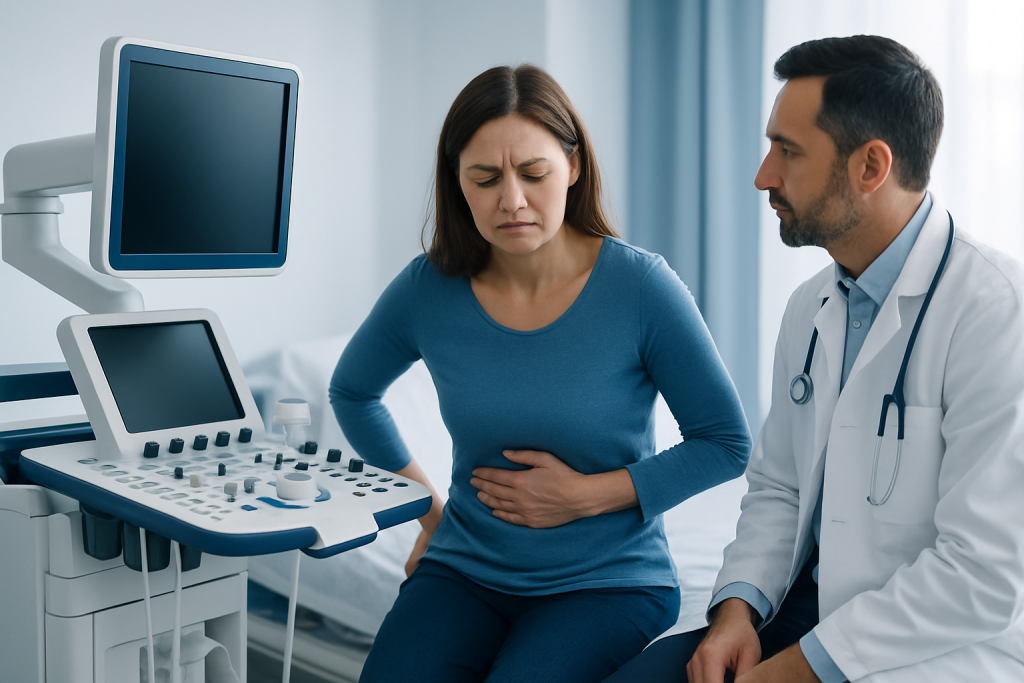
The way left side pain feels often gives useful clues. It may be sharp, dull, cramping, burning, stabbing, pressure-like, or aching. Some pain is constant, while other pain comes in waves or only appears with movement, coughing, eating, urinating, or deep breathing.
Where the pain sits also matters. Upper left pain may involve the stomach, spleen, pancreas, ribs, or chest. Lower left pain may involve the colon, bladder, or pelvic organs. Pain closer to the back or side can point toward the kidney, a muscle strain, or irritation of nerves and ribs.
- Chest discomfort, shortness of breath, or pain spreading to the arm, jaw, back, or shoulder
- Nausea, vomiting, fever, bloating, or changes in bowel habits
- Pain with urination, frequent urination, or blood in urine
- Tenderness after injury, coughing, twisting, or lifting
- Unexplained weight loss, fatigue, or pain that keeps returning
Symptoms such as fainting, severe sweating, vomiting that will not stop, or sudden worsening pain should be treated seriously and assessed promptly.
Causes & Risk Factors

Because left side pain can start in many parts of the body, the causes are broad. Muscle strain and rib irritation are common, especially after exercise, heavy lifting, prolonged coughing, or awkward sleeping positions. These causes often worsen with movement or direct pressure.
Digestive causes are also common. Gas, constipation, indigestion, gastritis, diverticular disease, and inflammatory bowel conditions can cause pain on the left side of the abdomen. Pain that changes with meals, bowel movements, or bloating often suggests a gastrointestinal source.
Other possible sources include kidney stones or infection, shingles, lung conditions, and, less commonly, heart-related problems. In women, ovarian cysts, ovulation pain, endometriosis, or other pelvic conditions can also cause left-sided discomfort. Risk factors depend on the cause, but may include older age, recent injury, urinary tract history, digestive disorders, pregnancy, smoking, and cardiovascular risk factors.
Some people assume left side pain must be “just gas” or “just a pulled muscle.” While that is often not true, it is equally important not to jump to the most serious explanation without evaluation. The pattern of symptoms and the physical exam usually help a doctor sort out the possibilities.
Diagnosis
Diagnosis begins with a detailed history. A doctor will ask where the pain is located, when it started, how intense it is, whether it moves, and what makes it better or worse. Questions about meals, bowel habits, urination, menstrual history, exercise, recent travel, injury, and medicines are often important.
A physical examination may include checking the abdomen, chest, back, and ribs, along with breathing, heart rate, blood pressure, and temperature. If the pain seems related to the abdomen or urinary tract, blood tests, urine testing, or stool testing may be useful. If chest pain or breathing symptoms are present, heart and lung testing may be needed.
Depending on the suspected cause, doctors may recommend ultrasound, X-ray, CT scan, ECG, or other imaging studies. For international patients, having any prior imaging, discharge notes, or medication lists available can speed up the evaluation and reduce repeat testing.
The goal is not simply to label the pain, but to identify the source and rule out conditions that require more urgent care.
Treatment Options
Treatment depends entirely on the cause. A mild muscle strain may improve with rest, gentle movement, heat or cold, and avoiding aggravating activity. Digestive discomfort may improve with hydration, dietary adjustments, and treatment for constipation or reflux, depending on the diagnosis.
Infections, kidney stones, inflammatory bowel disease, or gynecologic conditions may need targeted medical treatment. Some causes require prescription medicines, procedures, or short-term observation. If the pain is linked to the heart, lungs, or other urgent conditions, treatment may need to begin quickly in a hospital setting.
It is best not to self-treat persistent left side pain with repeated painkillers without knowing the cause. Some medicines can mask important symptoms or upset the stomach, kidneys, or liver. A clinician can help choose a safer approach based on the person’s history and exam.
When care is planned abroad, many patients benefit from a stepwise approach: initial assessment, focused testing, treatment when appropriate, and clear follow-up instructions for the trip home. That continuity matters because some causes of left side pain improve quickly, while others need longer monitoring.
Prevention & Self-care
Not every cause of left side pain can be prevented, but some practical habits lower the chance of common triggers. Good posture, core-strengthening exercise, gradual training increases, and proper lifting technique may reduce muscle and rib strain. Staying hydrated and eating enough fiber may help reduce constipation-related discomfort.
For people with known digestive, urinary, or gynecologic conditions, following the treatment plan consistently can help reduce flare-ups. Keeping track of trigger foods, menstrual patterns, bowel changes, or activity-related pain can also make future evaluations more accurate.
Short-term self-care may be reasonable for mild, clearly muscular pain: rest from the provoking activity, gentle stretching if comfortable, and avoiding movements that worsen symptoms. But if the pain is new, severe, unexplained, or recurrent, self-care should not replace medical assessment.
- Use a pain diary to note timing, location, and triggers
- Seek prompt review if pain appears after injury or heavy exertion
- Do not ignore associated symptoms such as fever or urinary changes
- Keep a list of current medications and past conditions when traveling for care
When to See a Doctor
Medical evaluation is important if left side pain lasts more than a few days, keeps returning, or interferes with sleep, eating, breathing, or movement. It is also wise to seek care if the pain is not clearly explained by a minor strain or if there is no improvement with simple rest.
Immediate or urgent assessment is recommended when left side pain comes with chest pressure, shortness of breath, fainting, confusion, fever, repeated vomiting, severe abdominal swelling, blood in urine or stool, black stools, or sudden intense pain. These features can signal conditions that should not wait.
If someone is arranging treatment internationally, a specialist review can help decide whether the condition is suitable for travel, whether testing should be done before departure, and what follow-up will be needed after returning home. Acibadem Health Point’s multidisciplinary specialists and JCI-accredited hospitals diagnose and treat this condition for international patients.
Prompt evaluation is not about assuming the worst. It is about making sure the cause is identified early enough to choose the right treatment and avoid unnecessary delays.
Frequently asked questions
01What is the most common cause of left side pain?
Common causes include muscle strain, gas, constipation, and other digestive discomforts. The most likely cause depends on whether the pain is in the chest, upper abdomen, lower abdomen, or back. A doctor uses the full symptom pattern to narrow it down.
02Can left side pain be heart-related?
Yes, especially if the pain is in the chest or comes with pressure, shortness of breath, sweating, or pain spreading to the arm or jaw. Heart-related pain does not always feel dramatic, so chest symptoms should be assessed promptly. It is safer to get checked when in doubt.
03When is left side pain an emergency?
It should be treated as urgent if it is sudden, severe, or paired with fainting, trouble breathing, fever, vomiting, blood in stool or urine, or a rigid abdomen. Pain after injury also deserves prompt assessment. These symptoms can point to conditions that need immediate care.
04Can stress cause left side pain?
Stress can contribute to muscle tension, indigestion, and awareness of chest or abdominal discomfort. However, stress should not be assumed to be the only cause until more serious problems are ruled out. A medical review is important if the pain is persistent or unusual.
05How do doctors find the cause of left side pain?
They start with the pain location, timing, and related symptoms, then decide whether an exam, urine test, blood work, ECG, or imaging is needed. The goal is to match the test to the likely source instead of testing everything at once. Clear symptom details help a lot.
06Should mild left side pain be ignored if it goes away?
If it was clearly linked to a simple strain and then fully resolves, it may not need urgent attention. But pain that keeps coming back, changes in pattern, or appears with other symptoms should be evaluated. Recurrent pain often has a specific cause that can be treated.
This article is for general information only and is not a substitute for professional medical advice. Please consult a qualified doctor about your individual situation.
Medical weight-loss options in Turkey — costs & eligibility
JCI-accredited · board-certified surgeons · reply within 24h
Add us as a Preferred Source to see more of our trusted health content across Google Search, AI Overviews and Discover.