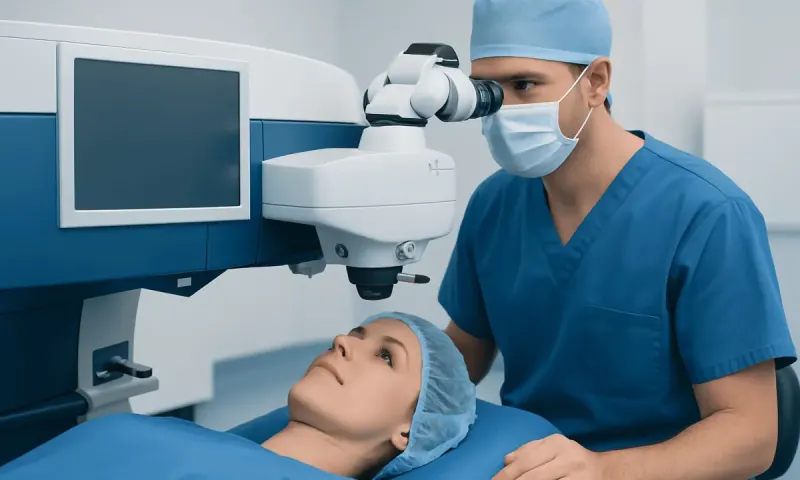
LASIK vs SMILE vs PRK: Key Differences in Recovery, Benefits, and Candidacy

LASIK, SMILE, and PRK are laser vision correction procedures that can reduce dependence on glasses or contact lenses. They differ in how the cornea is treated, how quickly vision recovers, and which patients are the best candidates for each option.
Overview: How LASIK, SMILE, and PRK differ
LASIK, SMILE, and PRK are all forms of refractive surgery. Their goal is to reshape the cornea so that light focuses more accurately on the retina. This can improve nearsightedness, farsightedness, and astigmatism in selected patients, reducing the need for glasses or contact lenses.
The main difference between these procedures is how the surgeon reaches and reshapes the corneal tissue. In LASIK, a thin corneal flap is created and lifted before laser treatment. In SMILE, a small piece of corneal tissue called a lenticule is removed through a very small incision. In PRK, the surface layer of the cornea is gently removed, and the laser reshapes the cornea without making a flap.
Because the techniques are different, recovery and side effects can differ too. LASIK often has the fastest return of clear vision. SMILE also tends to have a relatively quick recovery, though it may vary. PRK usually takes longer to heal because the corneal surface must regrow, but it remains an important and effective option for many people.
No single procedure is best for everyone. The right choice depends on the person’s prescription, corneal thickness and shape, dry Pink Eye Symptoms: Causes and Treatment" class="ahp-ilk">eye symptoms, work and sports activities, and whether other eye conditions are present. A thorough evaluation by an ophthalmologist is needed to decide which option is safest and most suitable.
Who may be a candidate for laser vision correction
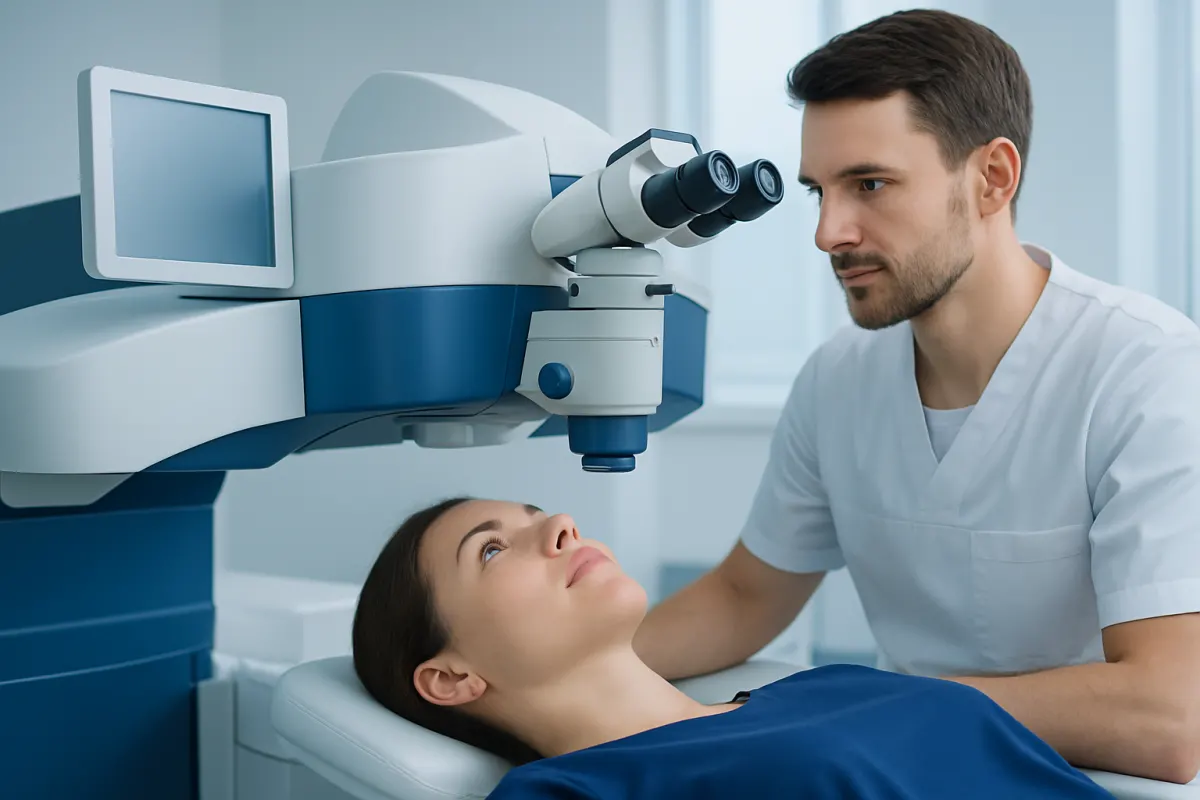
Good candidates for laser vision correction are usually adults with a stable glasses or contact lens prescription and healthy eyes. They should have realistic expectations: these procedures can greatly reduce dependence on corrective lenses, but they do not guarantee perfect vision in every situation or permanently stop age-related changes such as presbyopia.
Suitability depends on several clinical factors. These include the degree of myopia, hyperopia, or astigmatism; the thickness and curvature of the cornea; pupil size; tear film quality; and any signs of corneal disease. Conditions such as keratoconus, active eye infection, significant cataract, or uncontrolled glaucoma may make laser surgery unsuitable or require treatment first.
General health also matters. Autoimmune disease, pregnancy, breastfeeding, and certain medications can affect healing or cause temporary vision changes. People who play contact sports, work in dusty environments, or have occupations with a higher risk of eye trauma may need special counseling when choosing between a flap-based and flap-free procedure.
A full refractive assessment often includes corneal mapping, measurement of corneal thickness, tear film evaluation, and a detailed eye examination. This process helps identify the safest option, whether that is LASIK, SMILE laser eye surgery, PRK eye surgery, or delaying surgery until the eyes are more stable.
LASIK: benefits, limitations, and recovery

LASIK is one of the most well-known refractive procedures. After creating a thin flap in the cornea, the surgeon uses an excimer laser to reshape the tissue underneath, then places the flap back in position. The flap heals naturally without stitches.
The main advantage of LASIK is speed of recovery. Many patients notice clearer vision within a day or two, and discomfort is usually mild and short-lived. This quick visual recovery can be appealing for people who want to return to daily routines soon after treatment.
LASIK can treat a wide range of refractive errors, but it is not ideal for everyone. It may be less suitable in people with thin corneas, certain corneal shape abnormalities, or significant dry eye symptoms. Because a flap is created, there is also a small ongoing consideration for people whose jobs or sports increase the risk of eye trauma.
Short-term side effects can include dryness, glare, halos, fluctuating vision, and light sensitivity. These often improve during healing. Although serious complications are uncommon when patients are carefully selected, LASIK should still be viewed as a surgical procedure that requires detailed planning and follow-up care.
SMILE: benefits, limitations, and recovery
SMILE, which stands for small incision lenticule extraction, is a newer corneal laser procedure. Instead of creating a flap, the surgeon uses a femtosecond laser to form a small lens-shaped piece of tissue within the cornea and removes it through a tiny incision. This changes the cornea’s shape and improves how light is focused.
One reason some patients consider SMILE is that it avoids a large corneal flap. This may help preserve more of the cornea’s surface structure and may be attractive for people with active lifestyles. Recovery is often fairly quick, and many people can resume normal activities within a short period, though vision may sharpen over days to weeks.
SMILE is most commonly used for myopia and certain degrees of astigmatism. Depending on the technology available and the patient’s prescription, it may not be the best option for all refractive errors. The surgeon will consider whether the amount and type of correction needed match what the procedure can safely achieve.
Possible side effects are similar to other laser vision procedures and can include temporary dryness, glare, halos, or blurred vision during healing. As with other forms of refractive surgery, results depend on careful patient selection, accurate measurements, and close follow-up after treatment.
PRK: benefits, limitations, and recovery
PRK, or photorefractive keratectomy, was one of the earliest laser vision correction techniques and is still widely used. In PRK, the surgeon removes the outermost corneal layer, called the epithelium, and then reshapes the underlying cornea with an excimer laser. A soft contact lens is usually placed on the eye temporarily while the surface heals.
The main advantage of PRK is that no corneal flap is created. This can make it a good option for people with thinner corneas, some irregular corneal features, or lifestyles in which flap-related concerns are especially important. PRK may also be useful when the surgeon wants to preserve as much structural corneal integrity as possible.
The trade-off is a slower and sometimes less comfortable recovery. The corneal surface takes several days to heal, and vision may be blurry or fluctuate for longer than it usually does after LASIK. Some patients need more time before returning to work, driving, or visually demanding tasks.
Even with a longer healing period, PRK can provide excellent long-term visual outcomes in properly selected patients. People considering this approach should be prepared for more postoperative care, temporary discomfort, and a gradual improvement in vision rather than an immediate result.
Comparing recovery, side effects, and results
Recovery is often one of the biggest factors when comparing LASIK, SMILE, and PRK. LASIK usually offers the fastest improvement in vision and the least short-term discomfort. SMILE also tends to have a relatively quick recovery, though some patients notice that vision sharpens more gradually. PRK generally has the longest recovery because the corneal surface needs time to regenerate.
Dry eye symptoms can happen after any refractive procedure, but the risk and severity vary from person to person. Pre-existing dry eye, contact lens overuse, and environmental factors all matter. Some surgeons consider SMILE or PRK in patients where flap creation or corneal nerve disruption is a particular concern, but candidacy must still be individualized.
Night vision symptoms such as halos, glare, and light sensitivity may occur after all three procedures, especially early in healing. These symptoms often improve with time. Final visual quality depends not only on the procedure chosen but also on corneal health, pupil size, accuracy of the preoperative assessment, and the eye’s natural healing response.
In well-selected patients, all three procedures can deliver strong long-term results. The choice is usually less about which surgery is universally superior and more about which one best matches the individual eye. Some people may also be assessed for related conditions such as astigmatism or myopia as part of the planning process.
How doctors choose the best option
Choosing between LASIK, SMILE, and PRK starts with safety. The ophthalmologist reviews corneal topography, corneal thickness, refraction, tear film health, and the overall condition of the eye. If there are signs of corneal weakness or another eye disorder, the doctor may recommend a different treatment plan or advise against laser surgery.
The patient’s prescription is also important. Some procedures are better suited to certain ranges of myopia, hyperopia, or astigmatism. Age matters too, especially when early lens changes or presbyopia are beginning to affect near vision. In these cases, the doctor may discuss alternatives, compromises, or the possible need for glasses for some tasks after surgery.
Lifestyle and expectations can influence the choice. A person who wants the fastest recovery may lean toward LASIK if the eyes are suitable. Someone with a thinner cornea or concern about flap-related issues may be guided toward PRK. Another person with myopia who wants a small-incision approach may be a good match for SMILE.
Shared decision-making is important. The best outcomes usually come when the patient understands the likely benefits, the limits of surgery, possible side effects, and the expected healing process. Near the end of the assessment, some centers such as Acıbadem Health Point can offer multidisciplinary eye care in JCI-accredited hospitals for international patients seeking diagnosis and treatment planning.
Preparation, aftercare, and when to seek medical advice
Before surgery, patients are usually asked to stop wearing contact lenses for a period of time so the cornea can return to its natural shape. The exact timing depends on the type of lenses worn. The eye doctor may also review medications, general health conditions, and instructions for the day of the procedure.
After treatment, careful aftercare supports healing. Eye drops are commonly prescribed to reduce inflammation, prevent infection, and relieve dryness. Patients are usually advised to avoid rubbing the eyes, swimming, eye makeup for a short period, and any activity that increases the risk of contamination or injury during the early healing phase.
Follow-up visits are important after all three procedures. These checks help confirm that the cornea is healing properly and allow the doctor to address dryness, fluctuating vision, or delayed surface healing if needed. Clear vision can improve quickly after LASIK and SMILE, while PRK often requires more patience over several weeks.
Medical advice should be sought promptly if there is severe pain, sudden worsening of vision, marked redness, increasing discharge, or any new symptom that feels unusual. Although most patients recover without major problems, early assessment is the safest approach if healing does not seem to be progressing normally.
Frequently asked questions
01Which is better: LASIK, SMILE, or PRK?
There is no single best procedure for everyone. LASIK, SMILE, and PRK each have strengths, and the right choice depends on the prescription, corneal thickness and shape, dry eye risk, and lifestyle. A detailed eye examination is the safest way to decide.
02Which procedure has the fastest recovery?
LASIK usually has the fastest visual recovery, with many people seeing clearly within a day or two. SMILE recovery is also often quick, though sharpness may improve more gradually in some cases. PRK generally takes longer because the corneal surface must heal first.
03Is PRK safer than LASIK?
PRK avoids creating a corneal flap, which can make it a better choice for some patients with thin corneas or higher risk of eye trauma. However, this does not mean it is automatically safer for everyone. Safety depends on matching the right procedure to the individual eye.
04Does SMILE cause less dry eye than LASIK?
Some patients and surgeons consider SMILE when dry eye is a concern, but dry eye can happen after any refractive procedure. The overall risk depends on the person’s tear film health, eye surface condition, contact lens history, and healing response. Preoperative dry eye evaluation is very important.
05Can these procedures treat astigmatism?
Yes, LASIK, SMILE, and PRK can all treat astigmatism in appropriate cases, although the exact range may vary by technology and surgical planning. The surgeon will measure the degree and pattern of astigmatism carefully. Not every patient with astigmatism is a suitable candidate for every procedure.
06Will glasses still be needed after laser eye surgery?
Many people need glasses much less often after surgery, but some may still need them for certain tasks. As people age, reading glasses may still become necessary because laser vision correction does not prevent presbyopia. Results also depend on healing and the original prescription.
This article is for general information only and is not a substitute for professional medical advice. Please consult a qualified doctor about your individual situation.
Explore treatments in Turkey — costs, top hospitals & a free quote
JCI-accredited · board-certified surgeons · reply within 24h
Add us as a Preferred Source to see more of our trusted health content across Google Search, AI Overviews and Discover.