LASIK Surgery: Candidacy, Steps, Recovery and Risks
LASIK surgery is a laser vision-correction procedure that reshapes the cornea so light focuses more accurately on the retina. Many suitable candidates experience reduced dependence on glasses or contact lenses, but careful screening and follow-up care are essential for safe, realistic outcomes.
LASIK surgery at a glance
LASIK surgery is a type of refractive laser eye surgery designed to reduce dependence on glasses or contact lenses. It corrects common focusing errors, including myopia (nearsightedness), hyperopia (farsightedness) and astigmatism, by changing the shape of the clear front surface of the eye, called the cornea. The goal is to help incoming light focus more precisely on the retina.
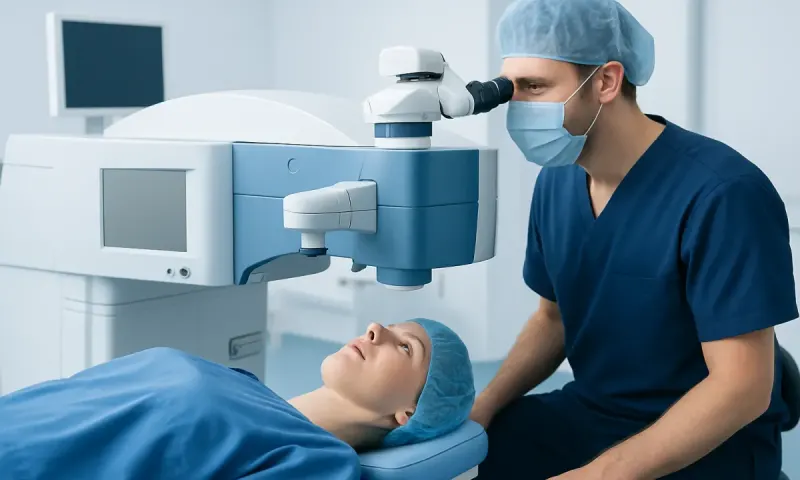
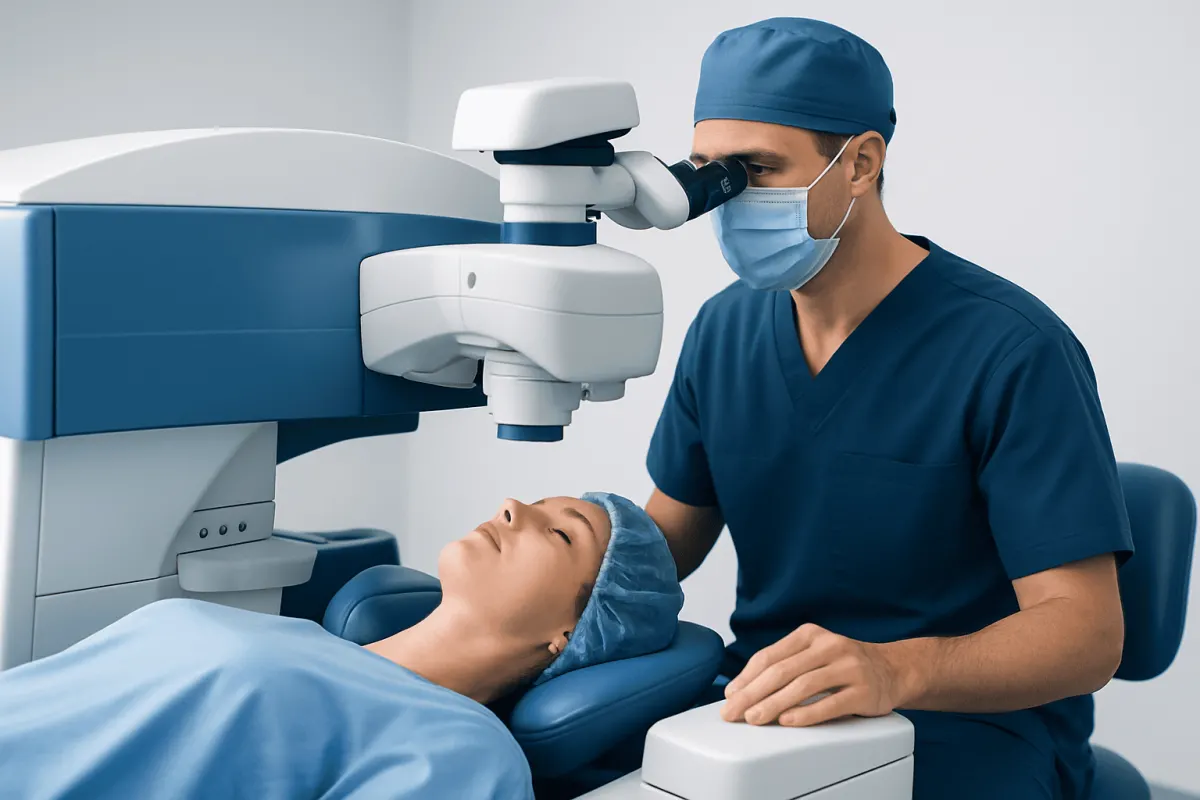
During LASIK, an ophthalmologist creates a thin corneal flap, applies an excimer laser to reshape underlying corneal tissue, and then returns the flap to its original position. Both eyes are commonly treated during one visit. The laser treatment itself usually lasts only seconds per eye, although preparation and safety checks take longer.
LASIK is elective surgery and is not suitable for every person. A detailed eye examination helps determine whether the cornea, prescription, tear film and overall eye health support a safe procedure. Some people may be better suited to another form of vision correction or may choose to continue using glasses or contact lenses.
For people exploring surgical vision correction, LASIK eye surgery assessment involves individualized testing and a discussion of expected benefits, limitations and alternatives.
How LASIK changes vision
The cornea provides much of the eye’s focusing power. When it is too curved, too flat or unevenly shaped, light may focus in front of, behind or unevenly on the retina. This can cause blurred distance vision, blurred near vision or distortion from astigmatism. LASIK uses a computer-guided excimer laser to remove microscopic amounts of corneal tissue and refine this focusing surface.
For nearsightedness, the laser generally flattens the central cornea. For farsightedness, it steepens selected areas. For astigmatism, it smooths irregular curvature. The exact treatment plan is based on detailed measurements, including corneal thickness and shape, pupil size, prescription and how the eyes work together.
LASIK does not stop normal age-related changes in the eye. In particular, presbyopia—the gradual loss of near focusing ability that commonly develops in adulthood—may still make reading glasses necessary later in life. It also does not prevent future cataracts, glaucoma or retinal conditions, so routine eye care remains important.
Who may be a candidate for LASIK surgery

Adults with a stable glasses or contact lens prescription may be considered for LASIK surgery if their eyes are otherwise healthy. Stability matters because a changing prescription can make the result less predictable. The ophthalmologist will measure corneal thickness and map the corneal surface to check that enough tissue is present for a safe treatment plan.
A person may not be a suitable candidate if they have an irregular or weakened cornea, significant dry eye disease, uncontrolled diabetes, active eye infection or inflammation, certain autoimmune conditions, or a prescription outside the range safely treated by the available technology. Pregnancy and breastfeeding can temporarily affect vision and eye measurements, so surgery is often postponed until these changes have settled.
Contact lenses can temporarily alter corneal shape. The clinical team will advise when to stop wearing them before the preoperative assessment. It is important to share all medical conditions, eye injuries, previous eye operations and regular medicines, including treatments that may affect healing.
Screening also includes expectations. LASIK can reduce reliance on corrective lenses, but it cannot promise perfect vision in every setting or permanently eliminate the need for glasses. Some people may still prefer glasses for night driving, detailed work or reading as they age.
LASIK procedure steps: what happens on the day
Before treatment, the clinician confirms the prescription and surgical plan and reviews what to expect. Numbing eye drops are used, so the procedure should not be painful, although a person may notice pressure, bright lights or temporary blurred vision. An eyelid holder helps prevent blinking.
The surgeon creates a very thin flap in the cornea, usually with a femtosecond laser. The flap is gently lifted, allowing the excimer laser to reshape the deeper corneal tissue according to the individualized plan. The person is asked to look at a fixation light while the laser system tracks eye movements.
After the laser treatment, the surgeon repositions the flap. It naturally adheres without stitches. Protective shields may be placed over the eyes for the first night, and prescribed drops are started to support healing and reduce infection and inflammation risk.
The whole appointment is generally short, but patients should arrange for someone else to take them home. Vision may be hazy immediately after surgery, and driving is not appropriate until the ophthalmologist confirms that vision meets legal and practical safety requirements.
LASIK recovery timeline and aftercare
Vision often improves quickly after LASIK, sometimes within the first day, but the pace varies. During the first several hours, tearing, light sensitivity, a gritty sensation and fluctuating vision are common. Resting with the eyes closed and using prescribed drops as directed can make this period more comfortable.
In the first few days, many people return to routine activities, but vision may continue to fluctuate and dry eye symptoms can be noticeable. Rubbing the eyes should be avoided because the corneal flap needs time to stabilize. Patients are usually advised to use protective shields while sleeping for a short period and to avoid getting soap, water or cosmetics directly into the eyes until cleared.
Swimming pools, hot tubs and other water exposure should be avoided for the timeframe recommended by the surgeon. Contact sports, dusty environments and activities with a risk of eye injury may require a longer pause and protective eyewear. Follow-up visits allow the ophthalmologist to check healing, vision and eye pressure.
Visual quality commonly continues to settle over weeks, while dry eye symptoms may take longer to improve. Attending each scheduled review is important even when vision seems good. The care team may adjust lubricating drops or provide additional guidance if symptoms persist.
- Use prescribed antibiotic, anti-inflammatory and lubricating eye drops exactly as instructed.
- Do not rub or press on the eyes during early healing.
- Wear sunglasses outdoors if light sensitivity is present.
- Ask the surgical team before resuming makeup, water sports, vigorous exercise or contact sports.
Benefits, limitations and possible risks
A potential benefit of LASIK surgery is reduced reliance on glasses or contact lenses for daily activities. For suitable candidates, it can provide functional distance vision and may make sport, travel and work more convenient. Results depend on the original prescription, eye health, healing response and the presence of age-related changes in vision.
Temporary dry eyes, glare, halos, starbursts and reduced contrast sensitivity can occur, particularly in low-light settings. These symptoms often improve during healing, but they can persist for some people. An undercorrection, overcorrection or remaining astigmatism may leave a need for glasses, contact lenses or, in selected cases, an additional laser procedure after the eyes have stabilized.
Less common but important complications include flap-related problems, infection, inflammation, corneal scarring and changes in vision quality. Serious sight-threatening complications are uncommon, but no surgery is risk-free. A thorough assessment, an experienced eye surgeon and careful adherence to aftercare reduce avoidable risks.
Acıbadem Health Point’s multidisciplinary specialists and JCI-accredited hospitals assess and treat international patients seeking vision-correction care, with treatment decisions based on individual eye findings and goals.
When to seek medical care after LASIK
Patients should contact their eye surgeon promptly if pain is severe or worsening, vision suddenly decreases, the eye becomes increasingly red, or there is discharge, marked swelling or an injury to the eye. These symptoms need timely assessment because they may indicate a complication that should not be managed at home.
Urgent medical advice is also appropriate for new flashes of light, a sudden increase in floaters, a curtain-like shadow in vision, or significant sensitivity to light that is not improving. Although these symptoms are not always caused by LASIK, they can signal a retinal or other eye problem requiring prompt examination.
Milder dryness, blur or light sensitivity can be expected during early recovery, but patients should still discuss symptoms that are persistent, troubling or different from the instructions they were given. It is safest to use only the eye drops approved by the surgical team and not to restart contact lenses without clearance.
Frequently asked questions
01How many days should I rest after LASIK eye surgery?
Most people rest on the day of LASIK surgery and limit visually demanding activities for the first 24 hours. Many can resume light daily activities within one to two days, but the surgeon’s advice should guide the timing because healing and job demands differ. Activities that expose the eyes to water, dust, impact or rubbing may need to wait longer.
02What I wish I knew before LASIK?
Before LASIK, it is helpful to know that the procedure aims to reduce dependence on glasses or contact lenses, not guarantee perfect vision in every situation. Dryness, glare or halos can occur during recovery, and reading glasses may still be needed later because LASIK does not prevent age-related presbyopia. A detailed consultation should cover realistic expectations, alternatives and personal risk factors.
03Can I watch TV 3 days after LASIK?
Many people can watch television three days after LASIK if their vision is comfortable enough, but frequent breaks and lubricating drops may be helpful. Television does not usually harm the healing cornea, although extended screen use can worsen dryness because people blink less. If watching causes pain, notable blur or increasing light sensitivity, the person should stop and contact their eye-care team.
04Can I go back to work 2 days after LASIK?
Many people return to desk-based work within one to two days after LASIK, provided their vision is adequate and the surgeon agrees. Work involving dust, chemicals, physical impact, heavy machinery or long hours of intense screen use may require additional precautions or more recovery time. Driving for work should wait until vision is stable and the person has been medically cleared.
05Is LASIK surgery painful?
Numbing drops are used during LASIK, so people usually do not feel sharp pain during the procedure. They may feel brief pressure and may experience burning, tearing or a gritty sensation after the numbing drops wear off. Severe or worsening pain is not expected and should be reported promptly.
06How long does it take for vision to stabilize after LASIK?
Many people notice clearer vision within the first day or several days, but vision can fluctuate during early healing. Fine visual quality, dryness and night-time symptoms may continue to improve over several weeks or longer. Follow-up appointments help confirm that healing and vision are progressing appropriately.
This article is for general information only and is not a substitute for professional medical advice. Please consult a qualified doctor about your individual situation.
Explore treatments in Turkey — costs, top hospitals & a free quote
JCI-accredited · board-certified surgeons · reply within 24h
Add us as a Preferred Source to see more of our trusted health content across Google Search, AI Overviews and Discover.