SMILE Eye Surgery: How It Works, Benefits, and Recovery

SMILE eye surgery is a minimally invasive laser vision correction procedure used mainly to treat nearsightedness and certain cases of astigmatism. It reshapes the cornea through a very small incision, which may support comfort, stability, and a relatively quick return to daily activities.
Overview of SMILE Eye Surgery
SMILE eye surgery stands for Small Incision Lenticule Extraction. It is a type of laser vision correction designed to reduce dependence on glasses or contact lenses. The procedure is most often used for people with myopia, also called nearsightedness, and in selected cases for astigmatism.
Unlike some other laser eye procedures, SMILE does not require creation of a large corneal flap. Instead, a femtosecond laser creates a small disc-shaped piece of tissue, called a lenticule, inside the cornea. The surgeon then removes this lenticule through a very small incision, changing the shape of the cornea so light focuses more clearly on the retina.
Because the incision is small and the surface layers of the cornea are less disrupted, SMILE is often described as minimally invasive. Many patients are interested in it as an alternative to laser eye surgery methods such as LASIK. The best choice depends on the person’s prescription, corneal structure, tear film, lifestyle, and overall eye health.
How the Procedure Works

Before surgery, the eye is numbed with anesthetic drops. A device helps keep the eye in position during the procedure. The laser then creates the lenticule within the cornea and makes a tiny opening, usually only a few millimeters long.
The surgeon gently removes the lenticule through that opening. Once the lenticule is removed, the cornea takes on a new shape, which changes how it bends light. This is what improves distance vision. No stitches are usually needed, and the small incision generally heals on its own.
The laser part of the procedure is very brief, but the full appointment takes longer because of preparation and post-procedure checks. Most patients are awake during treatment and may feel mild pressure, but not pain. Vision may be blurry or hazy at first, then improve over the following days.
SMILE is one of several procedures in the field of refractive errors care. It is important for patients to understand that the goal is to reduce the need for corrective lenses, but perfect vision without glasses cannot be guaranteed for every person.
Who May Be a Good Candidate

Good candidates for SMILE eye surgery are generally adults with a stable vision prescription and healthy eyes. The procedure is mainly suitable for people with myopia and certain amounts of astigmatism. Stability matters because changing prescriptions can reduce the predictability of results.
An eye surgeon will look at several factors during evaluation, including corneal thickness and shape, pupil size, tear film quality, and the overall health of the retina and lens. People with irregular corneas, significant dry eye, active eye infection, uncontrolled glaucoma, cataracts, or some autoimmune conditions may not be suitable candidates.
Pregnancy and breastfeeding can temporarily affect vision and tear production, so surgery may be postponed. People who play contact sports or prefer a flap-free approach sometimes ask specifically about SMILE, but suitability still depends on the findings of a full examination.
- Stable glasses or contact lens prescription
- Healthy corneas with adequate thickness
- No active eye disease or infection
- Realistic expectations about possible outcomes
Benefits and Possible Limitations
One of the main benefits of SMILE eye surgery is that it uses a very small incision rather than a larger flap. This may help preserve more corneal strength and may reduce some flap-related concerns seen with other procedures. Many patients also appreciate the short treatment time and relatively fast return to routine activities.
Some studies suggest SMILE may be associated with less postoperative dry eye in certain patients compared with flap-based procedures, although dry eye can still occur. People who are active in sports or physically demanding work may also value the absence of a large corneal flap.
At the same time, SMILE has limitations. It does not treat every type of refractive error, and some people may be better suited to alternatives such as LASIK eye surgery or other forms of refractive surgery. Visual recovery can be very quick, but in some patients it may be a little slower than with LASIK in the first days after treatment.
As with any elective eye procedure, benefits must be weighed against potential risks and the possibility that glasses may still be needed for some tasks. Age-related reading vision changes, such as presbyopia, are not prevented by SMILE.
Risks, Side Effects, and Complications
SMILE eye surgery is generally considered safe when performed in appropriately selected patients by experienced surgeons. However, no eye procedure is completely risk-free. Patients should understand both common temporary effects and uncommon complications before deciding on surgery.
Temporary side effects can include blurred vision, light sensitivity, tearing, mild discomfort, glare, halos around lights, and a sensation of dryness. These usually improve as the eye heals. Vision may continue to sharpen over several days or weeks.
Less common complications can include infection, inflammation, under-correction or over-correction, residual astigmatism, interface problems, and reduced quality of vision in low light. In rare cases, a second procedure or continued use of glasses or contact lenses may be needed.
Careful screening helps reduce the risk of problems. People with concerns about thin or irregular corneas may be evaluated for conditions such as keratoconus before any refractive procedure is considered.
Diagnosis and Preoperative Evaluation
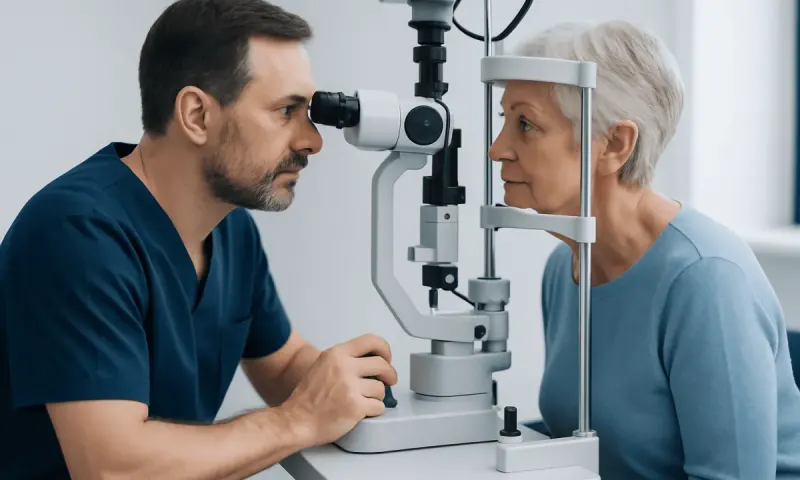
A detailed eye examination is essential before SMILE surgery. This assessment confirms whether the procedure is appropriate and helps the surgeon plan treatment accurately. It also helps identify conditions that could affect safety or visual outcome.
Testing commonly includes measurement of the glasses prescription, corneal topography or tomography, corneal thickness, pupil size, tear film evaluation, and a full examination of the front and back of the eye. Contact lens wearers may be asked to stop wearing lenses for a period before testing, since lenses can temporarily alter the shape of the cornea.
The surgeon will also discuss medical history, medications, job and lifestyle needs, and expectations after surgery. This is the time to ask practical questions about likely recovery, possible side effects, whether both eyes will be treated on the same day, and what alternatives may be more suitable.
Some patients who are not ideal candidates for SMILE may be offered other options, including lens-based vision correction or continued use of glasses or contact lenses. The safest and most effective approach is individualized rather than one-size-fits-all.
Recovery, Aftercare, and Self-Care
Recovery after SMILE eye surgery is often smooth, but patients should expect some temporary blurring, tearing, or light sensitivity shortly after treatment. The surgeon usually prescribes medicated eye drops and lubricating drops to support healing and reduce the risk of infection and inflammation. These should be used exactly as instructed.
Most people can return to many daily activities within a short time, although the exact timeline varies. Rubbing the eyes should be avoided, especially in the early healing period. Swimming pools, hot tubs, dusty environments, and eye makeup may need to be avoided for a period recommended by the surgeon.
Follow-up visits are important even when the eye feels comfortable. These appointments allow the doctor to check healing, monitor vision, and address any concerns early. It is common for vision to improve quickly, but final stabilization can take more time in some patients.
- Use all prescribed eye drops as directed
- Avoid rubbing or pressing on the eyes
- Wear protective eyewear if advised
- Attend scheduled follow-up appointments
- Contact the clinic if pain or vision loss occurs
When to See a Doctor
Anyone considering SMILE eye surgery should see a qualified ophthalmologist for a full evaluation rather than relying only on a glasses prescription or online information. Professional assessment is the best way to know whether the procedure is safe and likely to meet the patient’s goals.
After surgery, urgent medical advice is needed if there is severe eye pain, a sudden drop in vision, increasing redness, worsening light sensitivity, discharge, or any symptom that feels significantly worse instead of better. These signs do not always mean a serious problem, but they should be checked promptly.
People who have ongoing dry eye symptoms, unstable vision, or a known corneal condition should also seek specialist advice before planning refractive surgery. For international patients, Acıbadem Health Point’s multidisciplinary specialists and JCI-accredited hospitals provide evaluation and treatment for vision correction procedures in a coordinated setting.
Frequently asked questions
01What is SMILE eye surgery used for?
SMILE eye surgery is mainly used to treat myopia, or nearsightedness, and some cases of astigmatism. It is intended to reduce dependence on glasses or contact lenses by reshaping the cornea.
02Is SMILE better than LASIK?
Neither procedure is automatically better for everyone. SMILE may be appealing because it uses a smaller incision and avoids a large corneal flap, while LASIK may be more suitable for other prescriptions or eye features. The best option depends on the results of a detailed eye examination.
03How long does recovery take after SMILE surgery?
Many people return to normal daily activities within a short time, but visual clarity can continue to improve over days to weeks. Recovery speed varies from person to person, so it is important to follow the surgeon’s aftercare instructions and attend follow-up visits.
04Does SMILE eye surgery hurt?
The procedure is usually not painful because anesthetic eye drops are used before treatment. Some patients notice pressure during surgery and mild irritation, tearing, or light sensitivity afterward, but these symptoms are typically temporary.
05Can SMILE treat reading vision problems?
SMILE does not prevent normal age-related difficulty with near vision, known as presbyopia. Even after successful distance vision correction, some people may still need reading glasses as they get older.
06Are the results of SMILE permanent?
The corneal reshaping itself is permanent, but the eyes can still change over time due to aging or other natural processes. This means some people may notice vision changes later in life even after a good initial result.
This article is for general information only and is not a substitute for professional medical advice. Please consult a qualified doctor about your individual situation.
Explore treatments in Turkey — costs, top hospitals & a free quote
JCI-accredited · board-certified surgeons · reply within 24h
Add us as a Preferred Source to see more of our trusted health content across Google Search, AI Overviews and Discover.