Eye Surgery for Drooping Eyelids: Candidacy, Procedure Steps, and Recovery Timeline
Eye surgery for drooping eyelids may lift an upper eyelid that blocks vision, causes strain, or creates an unwanted asymmetry. The right procedure depends on whether the problem is true eyelid ptosis, excess upper-lid skin, a lowered brow, or a combination of these concerns.
Overview: what eye surgery for drooping eyelids treats
Eye surgery for drooping eyelids is performed to raise an upper eyelid that sits too low or to remove excess upper-eyelid skin that folds over the eye. It may be recommended when the eyelid obstructs the upper field of vision, causes forehead strain from repeatedly lifting the brows, creates eyelid asymmetry, or affects comfort and appearance.
The term “droopy eyelid” can describe several different findings. Ptosis means the eyelid edge itself is lower than it should be. Dermatochalasis means loose or excess skin hangs over the lid, while brow descent can push skin downward and mimic an eyelid problem. These conditions may occur together, so an accurate assessment is essential before choosing surgery.
The aim of surgery is functional improvement, natural lid position, and appropriate eye protection—not a perfectly identical appearance. Eyelids are naturally somewhat asymmetric, and the final result depends on eyelid muscle strength, facial anatomy, healing, and the health of the eye surface.
Candidacy and assessment before surgery
People may be candidates when a low upper lid or excess skin interferes with daily activities such as reading or driving, causes persistent compensatory brow lifting, or is a stable cosmetic concern. The surgeon considers the person’s symptoms, goals, general health, previous eye operations, medications, history of dry eye, and any tendency toward easy bleeding or poor wound healing.
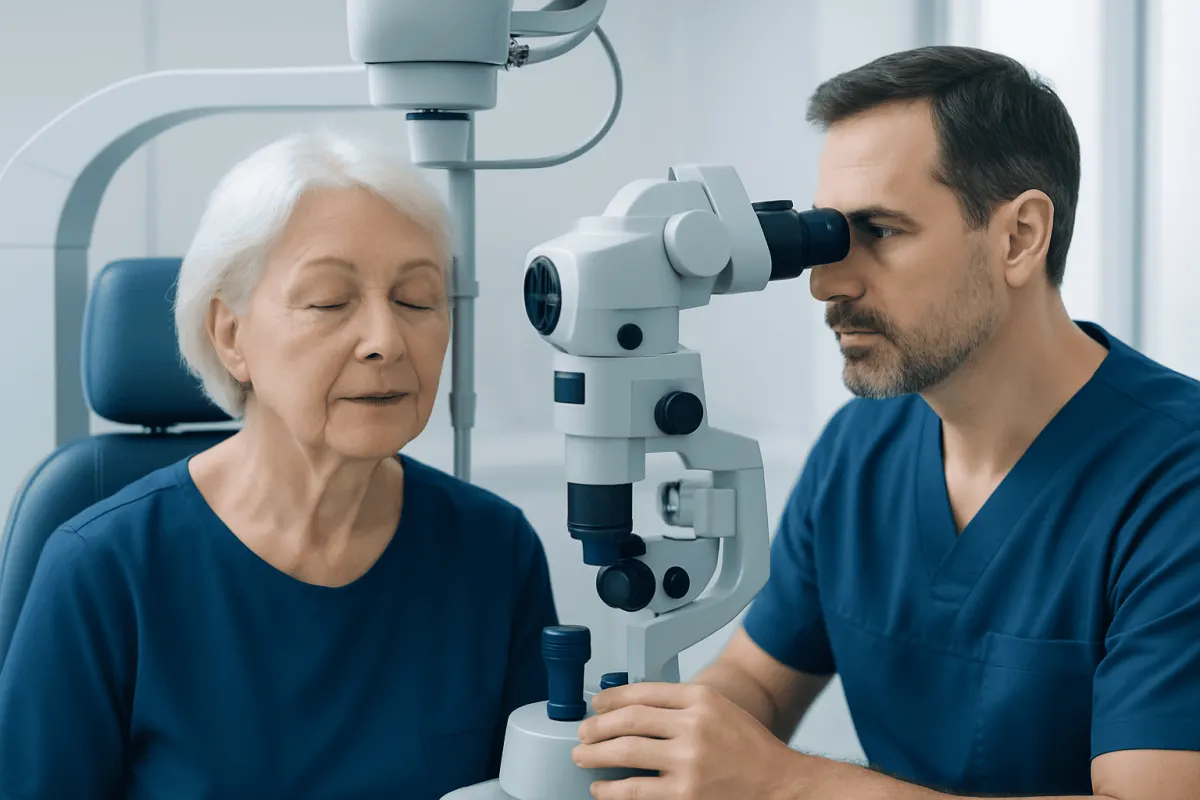
An ophthalmologist, oculoplastic surgeon, or appropriately trained plastic surgeon measures eyelid height, eyelid movement, brow position, symmetry, pupil function, and visual fields when relevant. The examination also checks tear production and corneal health, because lifting the eyelid too much can worsen dryness or make it harder to close the eye fully.
True ptosis is often related to stretching or weakening of the levator muscle tendon with age. It can also follow trauma, contact lens use, eye surgery, or certain neurological and muscle conditions. A related condition, ptosis, should be evaluated carefully to identify whether the droop is isolated and stable or part of a broader medical issue.
Surgery may be postponed or adjusted for people with uncontrolled dry eye, active eye infection, unstable thyroid eye disease, poorly controlled medical conditions, or unrealistic expectations. A clinician may also recommend additional testing if eyelid drooping has developed rapidly or varies significantly during the day.
How the procedure works: ptosis repair and upper eyelid surgery
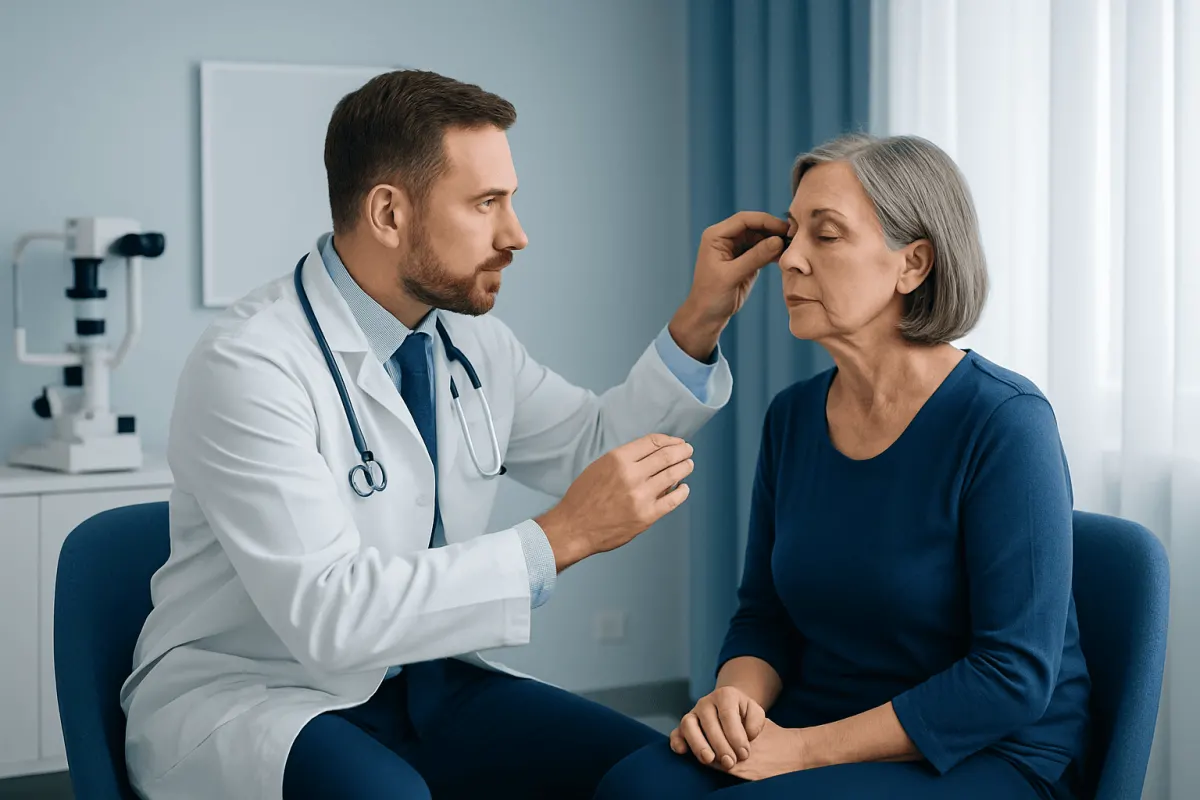
The technique is chosen according to the cause of the droop. In ptosis repair, the surgeon commonly tightens or reattaches the levator muscle tendon through a small incision in the natural upper-eyelid crease. In selected cases, an internal approach through the inside of the eyelid may be suitable. When levator function is very limited, the lid may be supported using a sling connected to the forehead muscle.
When excess upper-lid skin is the main problem, an upper eyelid blepharoplasty removes a carefully measured amount of skin and, when appropriate, small amounts of protruding fat or muscle. This can reduce the skin fold over the lashes and improve the upper visual field. The skin incision is generally placed in the natural crease so that it becomes less noticeable as it heals. Learn more about upper eyelid blepharoplasty.
Some people need both ptosis repair and blepharoplasty, while others benefit from brow-lifting treatment rather than eyelid surgery alone. The surgeon should explain which issue is being corrected and why, as removing skin alone will not reliably correct a low eyelid margin caused by ptosis.
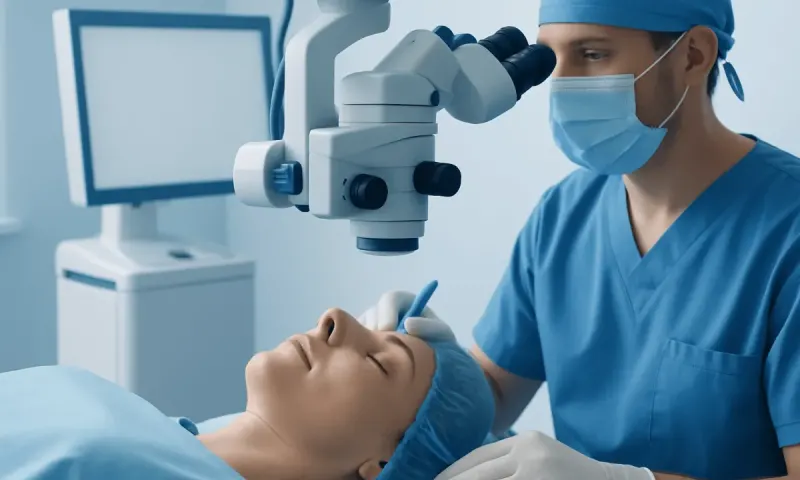
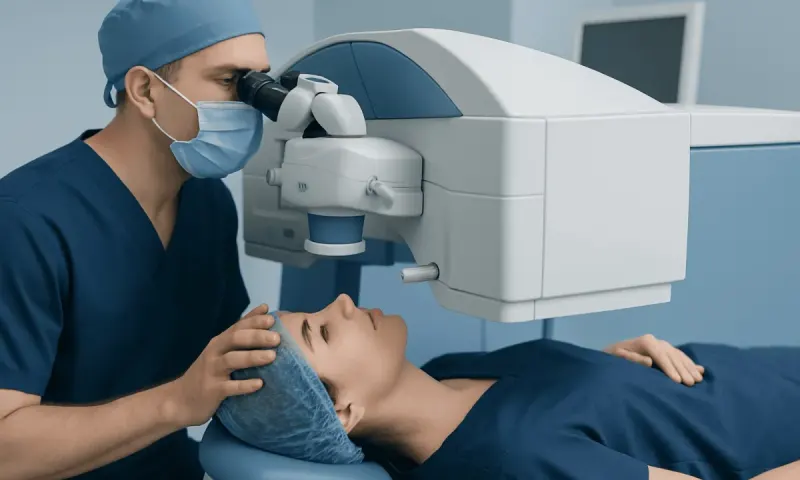
Most procedures are outpatient treatments performed with local anaesthetic, sometimes with sedation. General anaesthesia may be used in some circumstances, including certain complex operations or when it is clinically preferable. The operation commonly lasts about one to two hours, depending on the technique and whether one or both eyelids are treated.
Step-by-step: what happens on the day of surgery
Before the procedure, the surgical team reviews medical history, allergies, regular medicines, and the post-operative plan. The surgeon marks the planned eyelid crease or skin-removal area while the person is upright, because eyelid position can look different when lying down. Instructions about fasting, make-up, contact lenses, and medicines that affect bleeding should be followed exactly.
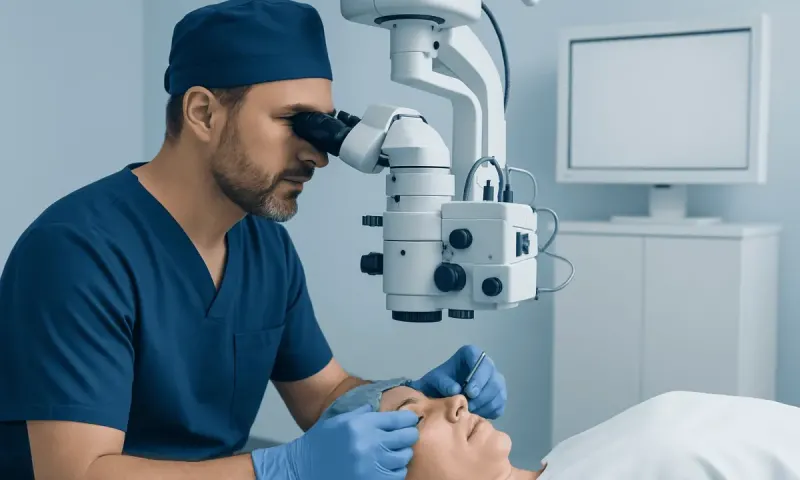
After anaesthesia is provided, the surgeon makes a precise incision, usually in the upper-lid crease. For ptosis repair, the eyelid-lifting structures are adjusted and the lid height is checked. For blepharoplasty, the planned skin and, if needed, a limited amount of underlying tissue are removed or repositioned. The incision is then closed with fine sutures or another closure method.
Following surgery, temporary blurred vision, tearing, light sensitivity, tightness, and mild oozing can occur. The person usually rests in a recovery area before going home with a responsible adult if sedation or general anaesthesia has been used. Driving is not advisable until vision is clear and the surgeon confirms it is safe.
Written aftercare instructions are important because individual recommendations vary. They usually cover cold compresses, lubricating drops or ointment if prescribed, wound care, activity restrictions, and the timing of follow-up appointments or suture removal.
Recovery timeline and common questions
How long does it take to recover from droopy eyelid surgery? Initial recovery usually takes around one to two weeks, when swelling and bruising are most visible and many people return to desk-based activities. The eyelids may continue to settle for several weeks, and final lid position, scar softening, and symmetry can take a few months. Recovery can be longer after combined procedures, revision surgery, or if dry eye develops.
How painful is droopy eyelid surgery? Most people describe discomfort rather than severe pain. Tightness, tenderness, scratchiness, watering, and mild burning are common during the first few days. Cold compresses and pain medicines approved by the surgeon are often sufficient; severe or worsening pain should be reported promptly because it is not expected.
How long do you have to sleep sitting up after eyelid surgery? Many surgeons advise sleeping with the head elevated on extra pillows or in a recliner for about one week, and sometimes longer if swelling remains noticeable. The purpose is to help limit swelling, not to require fully upright sleeping. People should follow their own surgeon’s guidance, especially if they have neck, back, breathing, or sleep-related conditions.
What not to do after upper eyelid surgery? Avoid rubbing or pressing the eyelids, strenuous exercise, heavy lifting, swimming, hot tubs, and activities that significantly raise blood pressure until cleared by the surgical team. Eye make-up and contact lenses are usually avoided until the incisions have healed sufficiently. Smoking and nicotine products can impair healing and should be avoided according to the clinician’s instructions.
Benefits, risks, and protecting the eyes during healing
Potential benefits include a clearer upper field of vision, less effort to keep the eyes open, reduced forehead fatigue, improved eyelid contour, and greater confidence for some individuals. Functional testing and photographs may help document whether the droop limits vision. Cosmetic and functional goals should be discussed openly, including the possibility that a brow position or eyelid asymmetry may change after surgery.
All surgery carries risks. Possible complications include bleeding, infection, scarring, temporary numbness, asymmetry, under-correction or over-correction, difficulty closing the eye, dry eye symptoms, irritation from sutures, and a need for revision surgery. Rare but serious complications involving vision require urgent attention. An experienced surgeon will explain the individual risk profile and how it is reduced.
During healing, patients are often advised to use cold compresses during the first 24 to 48 hours, avoid direct pressure on the eyes, and use prescribed lubrication or antibiotic ointment if provided. Sun protection, including sunglasses and avoiding direct sun on healing scars, may help reduce visible scar darkening. Follow-up visits allow the team to assess healing and eyelid position.
Acıbadem Health Point’s multidisciplinary specialists and JCI-accredited hospitals assess and treat eyelid conditions for international patients, with care plans tailored to eye health, visual function, and individual surgical needs.
When to seek medical care
Arrange a medical assessment for a persistent drooping eyelid, especially if it affects vision, causes eye strain, develops after an injury, or is associated with dry eye or difficulty closing the eye. Children with a droopy eyelid should be assessed promptly, as a significant lid droop can interfere with visual development.
Seek urgent medical care if eyelid drooping appears suddenly or occurs with double vision, unequal pupils, facial weakness, limb weakness, trouble speaking, severe headache, severe eye pain, or a change in vision. These symptoms may indicate a neurological or eye emergency and should not be attributed to normal ageing.
After surgery, contact the surgical team urgently for rapidly increasing swelling, persistent bleeding, marked redness with discharge, fever, worsening severe pain, inability to close the eye, a sudden reduction in vision, or a feeling that something is seriously wrong. Prompt assessment helps protect the eye and supports safe recovery.
Frequently asked questions
01Is droopy eyelid surgery the same as blepharoplasty?
Not always. Blepharoplasty mainly removes or reshapes excess eyelid skin and fat, while ptosis surgery raises the eyelid edge by adjusting the eyelid-lifting muscle or tendon. Some people need both procedures because they have both excess skin and true ptosis.
02Will droopy eyelid surgery improve vision?
It can improve vision when the low eyelid or overhanging skin blocks the upper visual field. Improvement depends on the cause and severity of the obstruction, as well as other eye conditions. Formal visual field testing may be used when functional impairment is suspected.
03How long does it take to recover from droopy eyelid surgery?
Bruising and swelling often improve substantially within one to two weeks. However, the eyelid shape can continue settling for several weeks, and final healing may take a few months. The recovery period varies with the procedure performed and the individual’s healing response.
04How painful is droopy eyelid surgery?
Pain is usually mild and is more often described as tightness, tenderness, or irritation. Cold compresses and pain relief recommended by the surgical team generally help. Severe, increasing, or one-sided pain should be assessed promptly.
05How long do you have to sleep sitting up after eyelid surgery?
Head elevation is often advised for about one week to reduce swelling. This can usually be done with extra pillows rather than sleeping fully upright. The surgeon may recommend a different duration based on the operation and the person’s recovery.
06What not to do after upper eyelid surgery?
People should avoid rubbing the eyes, heavy exercise, lifting, swimming, hot tubs, smoking, and eye make-up until cleared by the surgeon. Contact lenses may also need to be avoided temporarily. It is important to attend follow-up appointments and use medications or lubricants exactly as directed.
This article is for general information only and is not a substitute for professional medical advice. Please consult a qualified doctor about your individual situation.
Explore treatments in Turkey — costs, top hospitals & a free quote
JCI-accredited · board-certified surgeons · reply within 24h
Add us as a Preferred Source to see more of our trusted health content across Google Search, AI Overviews and Discover.