Laser Lipo vs Cavitation: Which Fits Your Goals?
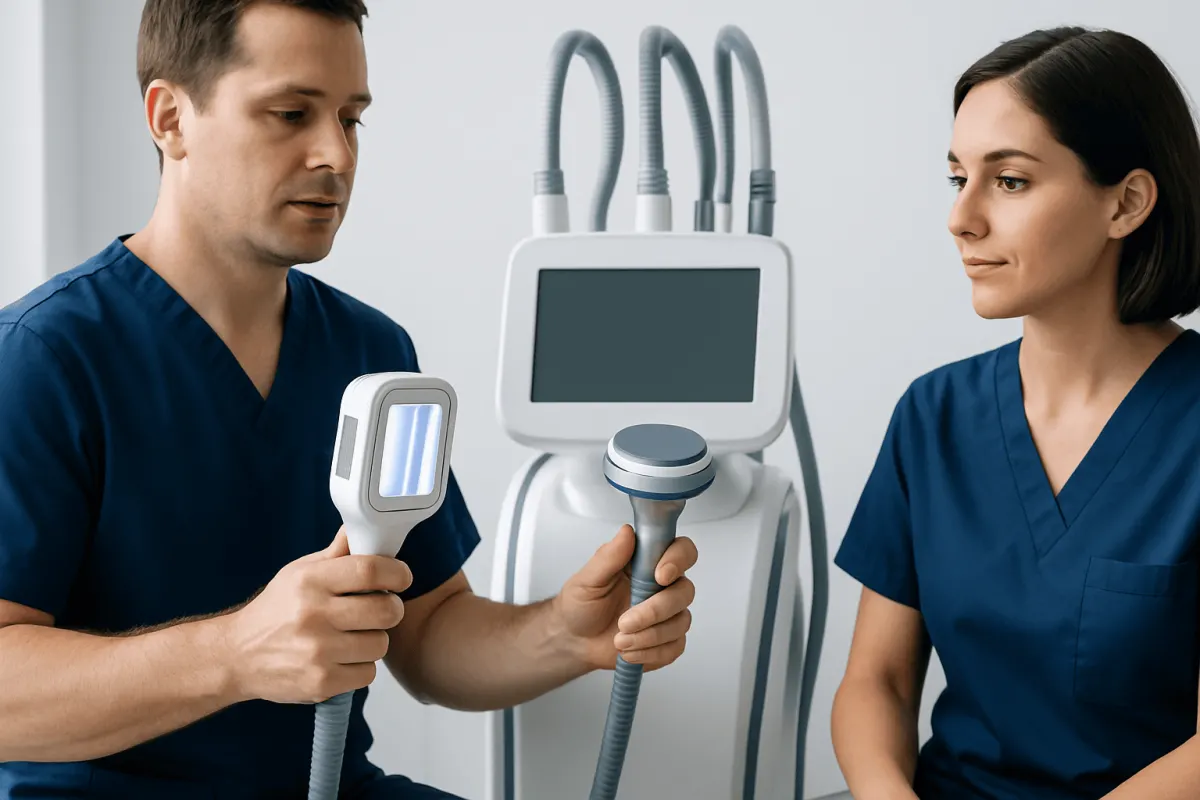
Laser lipo and ultrasonic cavitation are body-contouring approaches intended to reduce small, stubborn fat deposits rather than produce weight loss. Laser lipo generally uses heat delivered through a small device or, in some settings, external applicators, whereas cavitation uses ultrasound energy and is noninvasive; the right choice depends on the treatment method, target area, health status and desired degree of change.
Laser Lipo vs Cavitation: A Side-by-Side Comparison
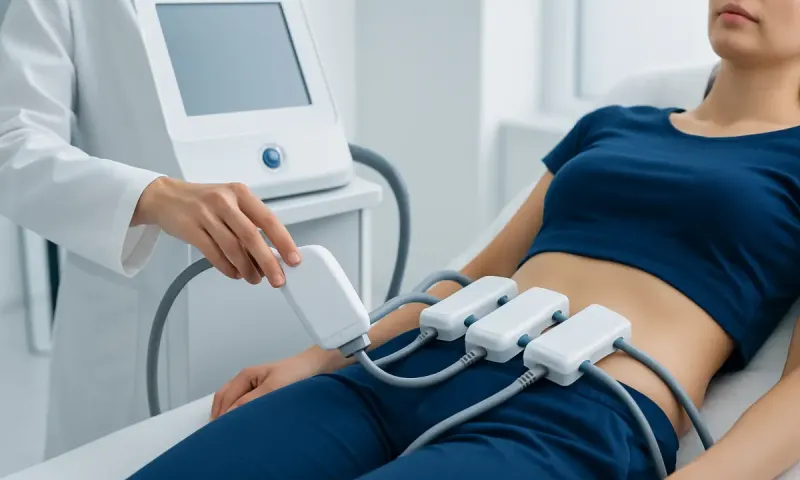
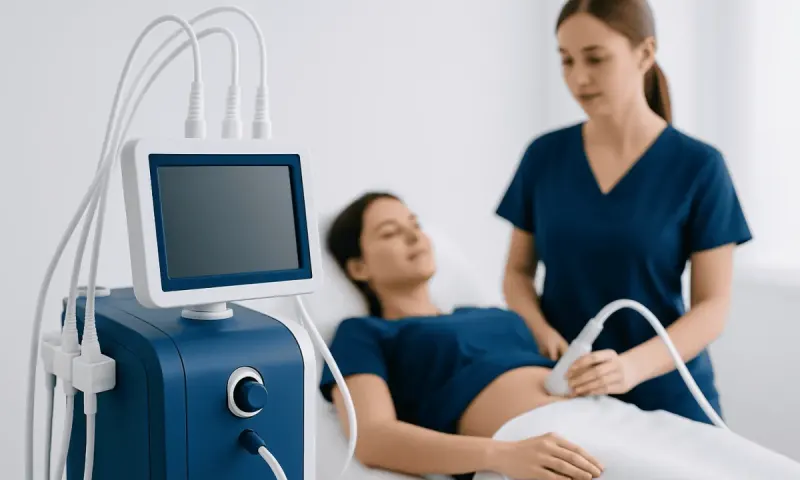
Laser lipo vs cavitation is primarily a comparison between a laser-based fat-reduction method and a noninvasive ultrasound-based body-contouring treatment. Laser lipo may refer to laser-assisted liposuction, which involves a tiny incision and removal of loosened fat, or to external laser devices; ultrasonic cavitation is performed on the skin surface and aims to disrupt fat cells using low-frequency ultrasound energy.
Neither treatment is designed to treat obesity or replace sustainable weight management. Both are generally considered for people near a stable weight who have localized fullness, such as around the abdomen, flanks, thighs or upper arms, and who want a more refined contour.
| Feature | Laser lipo | Ultrasonic cavitation |
|---|---|---|
| Technology | Laser energy; often paired with suction in minimally invasive procedures | Low-frequency ultrasound energy applied externally |
| Incisions | May require very small incisions for laser-assisted liposuction | No incisions |
| Expected change | Usually more defined and predictable when fat is removed surgically | Usually subtle and gradual contour improvement |
| Sessions | Often one procedure for invasive treatment; external laser plans vary | Commonly a course of several sessions |
| Recovery | May involve bruising, swelling, compression garments and downtime | Usually little or no downtime |
| Best suited to | Localized fat with a desire for a more noticeable change | People seeking a noninvasive option with modest expectations |
Terminology can be confusing because clinics may use “laser lipo” for different technologies. A consultation should clarify whether the proposed procedure is laser-assisted liposuction, a noninvasive laser treatment, or another energy-based method.
How a Clinician Tells the Options Apart
A clinician first distinguishes excess fatty tissue from other causes of a changed body shape. Abdominal prominence, for example, can relate to visceral fat around internal organs, loose skin, muscle separation, bloating, a hernia or another medical concern. Surface body-contouring treatments work on limited pockets of subcutaneous fat beneath the skin; they do not remove visceral fat and do not address medical causes of abdominal enlargement.
The assessment usually includes the location and pinchable thickness of fat, skin elasticity, previous surgery, scars and the person’s weight stability. Good skin recoil can help the area settle after fat reduction. If significant loose skin is present, fat reduction alone may make laxity more apparent, so a different approach may be discussed.
Medical history also matters. Pregnancy or breastfeeding, active skin infection, poor wound healing, bleeding conditions, certain implanted devices, liver or kidney disease, uncontrolled diabetes and some medications can affect suitability. Ultrasound-based treatments may not be appropriate over certain implants or in people with particular health conditions, while invasive procedures require a fuller surgical and anesthesia risk assessment.
Photos, measurements and a conversation about realistic goals help guide decision-making. A careful clinician will explain that visible results depend on the device, treated area, treatment technique, healing and lifestyle, and that no body-contouring procedure can guarantee a particular shape.
Which Is Better for Me, Laser Lipo or Cavitation?

Neither option is universally better. Laser-assisted liposuction may be more suitable for someone with a well-defined, pinchable fat deposit who wants a more substantial single-procedure contour change and accepts a minor surgical procedure and recovery period. Because fat is physically removed in liposuction, changes can be more apparent than with external energy-based treatments.
Ultrasonic cavitation may suit someone who strongly prefers no incisions and can accept a gradual, usually modest effect over multiple appointments. It is best viewed as a body-contouring option rather than a method for major fat loss. Results may be less predictable than surgical fat removal, and maintenance of a stable weight remains important.
For some people, neither is the best first step. If the main concern is weight gain, metabolic health, postpartum abdominal muscle separation, marked loose skin or a possible hernia, evaluation and treatment should focus on the underlying issue. A clinician may discuss nutrition support, physical activity, medical weight management, physiotherapy, skin-tightening options or surgery according to the findings.
People considering surgical fat removal can learn more about liposuction as a body-contouring procedure during a specialist consultation. The safest choice is based on an in-person examination, the person’s goals and an informed discussion of benefits, limitations, costs, recovery and risks.
Does Laser Lipo Really Work for Belly Fat?
Laser lipo can reduce selected areas of subcutaneous belly fat in appropriately chosen patients, particularly when laser energy is used as part of liposuction and the loosened fat is removed. It does not treat fat inside the abdomen around organs, known as visceral fat, and it is not a treatment for obesity.
Results for the abdomen depend on how much localized fat is present, the quality of the skin, the technique used and healing. Swelling is common after an invasive procedure, so the early appearance does not represent the final contour. The area may continue to settle over the following weeks to months, depending on the treatment performed and individual recovery.
External laser treatments are different from laser-assisted liposuction. They may offer a noninvasive alternative for limited contour refinement, but expected changes are generally smaller. Patients should ask the provider exactly which device will be used, whether fat will be removed, how many sessions may be needed and what outcomes are realistic for their body.
Long-term maintenance still relies on habits that support weight stability. Remaining fat cells can enlarge with weight gain, and fat can accumulate in untreated areas. Healthy eating, regular movement, sleep and management of relevant medical conditions remain important after any contouring procedure.
Can You Do Laser Lipo and Ultrasonic Cavitation at the Same Time?
Laser lipo and ultrasonic cavitation should not be combined at the same time without a clear plan from a qualified clinician. These treatments use different forms of energy, and combining them may increase irritation, swelling or other risks without necessarily improving results. The safety of a combination depends on the exact devices, treatment settings, body area, timing and the person’s health.
After laser-assisted liposuction, the body needs time to heal. Additional energy-based treatments are sometimes considered later in recovery for selected patients, but only after the treating clinician has assessed skin healing, swelling and contour. A person should not arrange extra treatments independently or through a non-medical provider during postoperative recovery.
When treatments are offered as a package, it is reasonable to ask why each treatment is recommended, what evidence supports the sequence, what alternatives exist and who will manage complications if they occur. A reputable provider will not pressure someone to combine procedures simply to pursue a dramatic or immediate result.
Individualized follow-up is particularly important for people with prior abdominal surgery, scars, reduced skin sensation or conditions affecting circulation, immunity or wound healing. Any new or worsening pain, persistent numbness, blistering or unusual skin discoloration should be reviewed before further treatment.
What Type of Lipo Gives the Best Results?
There is no single type of liposuction that gives the best results for every person. Traditional suction-assisted liposuction, power-assisted liposuction, ultrasound-assisted liposuction and laser-assisted techniques can all be useful in selected circumstances. The outcome depends more on appropriate patient selection, the surgeon’s training, safe technique and realistic goals than on a device label alone.
For localized fat reduction, the most reliable visible change often comes from a properly performed liposuction procedure that removes fat while preserving a smooth contour. However, liposuction cannot reliably correct significant loose skin, cellulite, stretch marks or body asymmetry. It also carries procedural risks, including contour irregularities, fluid collection, bleeding, infection, burns and complications related to anesthesia.
Different techniques may be selected based on the treatment area and tissue characteristics. For example, a clinician may consider one method for fibrous areas or revision procedures and another for a small, soft fat pocket. The discussion should include the expected scar locations, recovery needs, compression garments, possible need for revision and the importance of following aftercare instructions.
A consultation with a board-qualified plastic surgeon or appropriately trained specialist is the best way to compare options. The clinician should explain why a particular technique is recommended rather than implying that a branded technology is automatically superior.
Preparation, Recovery and Everyday Self-Care
Before any body-contouring treatment, people should provide a complete medical history and disclose medications, supplements, allergies, smoking or nicotine use, prior procedures and any history of blood clots or poor healing. They should follow the clinician’s instructions about preparation, as these vary by procedure and may include medication adjustments, laboratory testing or arranging support after an invasive treatment.
After laser-assisted liposuction, recovery commonly includes temporary swelling, bruising, tenderness and fluid drainage from small incision sites. Compression garments may be advised to support healing. Walking as directed can support circulation, but strenuous exercise, heavy lifting and heat exposure may need to be avoided for a period specified by the treating team.
After ultrasonic cavitation, many people return to routine activities promptly. Hydration, regular physical activity and a balanced eating pattern may support overall body composition, although they do not force a treatment to work. It is important to attend follow-up appointments and avoid adding unapproved devices, vigorous massage or other treatments to the area without advice.
Acıbadem Health Point’s multidisciplinary specialists and JCI-accredited hospitals assess and treat body-contouring concerns for international patients, with treatment planning guided by clinical suitability and safety.
When to Seek Medical Care
People should seek medical assessment before treatment if they have rapidly changing abdominal size, unexplained weight loss, persistent abdominal pain, a new lump, a bulge that may be a hernia, significant swelling in the legs, or symptoms that suggest an underlying illness. Cosmetic treatments should not delay evaluation of a health concern.
After an invasive procedure, urgent medical advice is needed for severe or increasing pain, fever, spreading redness, foul-smelling drainage, uncontrolled bleeding, shortness of breath, chest pain, fainting or one-sided leg swelling. These symptoms are uncommon but should be assessed promptly because they can indicate a complication requiring care.
Following either treatment, contact the provider if there are burns, blisters, persistent numbness, marked skin color changes, increasing firmness, unexpected asymmetry or swelling that does not improve as advised. Early review helps the clinical team determine whether normal healing support or further treatment is needed.
Anyone considering body contouring should choose a medically supervised setting with clear information about the procedure, credentials, follow-up care and emergency contact arrangements. Decisions should be made without pressure and after adequate time to consider alternatives.
Frequently asked questions
01Is laser lipo more effective than cavitation?
Laser-assisted liposuction usually creates a more noticeable contour change because fat is loosened and removed through a minimally invasive procedure. Cavitation is noninvasive and may offer more gradual, modest changes. The appropriate option depends on the area being treated, skin quality, medical history and desired outcome.
02How long do laser lipo and cavitation results last?
Results can last when body weight remains relatively stable. After liposuction, removed fat cells do not return, but remaining fat cells can enlarge and new fat can develop with weight gain. Cavitation outcomes also depend on ongoing lifestyle habits and may be less pronounced.
03Is ultrasonic cavitation painful?
Ultrasonic cavitation is generally described as comfortable or mildly warm, with some people noticing a buzzing sound in the ears during treatment. Sensitivity varies by person and by treatment area. Pain, burning or skin injury should be reported immediately to the provider.
04Can cavitation remove visceral fat?
No. Cavitation is intended to target limited deposits of fat beneath the skin and does not remove visceral fat located around abdominal organs. Visceral fat is best addressed through medical evaluation, nutrition, activity, sleep, weight management and treatment of relevant health conditions.
05Is laser lipo safe?
Laser lipo can be performed safely in suitable candidates by properly trained clinicians in an appropriate medical setting, but it is not risk-free. Possible complications include burns, swelling, bruising, infection, fluid collections, contour irregularities and anesthesia-related risks. A pre-procedure assessment and following aftercare instructions are important.
06Who should avoid laser lipo or cavitation?
Suitability depends on the exact treatment, but people who are pregnant or breastfeeding, have active skin infection, uncontrolled medical conditions, certain implanted devices or a history of poor wound healing may need to avoid or postpone treatment. A clinician should review medical conditions, medications and prior surgery before recommending any procedure.
This article is for general information only and is not a substitute for professional medical advice. Please consult a qualified doctor about your individual situation.
Medical weight-loss options in Turkey — costs & eligibility
JCI-accredited · board-certified surgeons · reply within 24h
Add us as a Preferred Source to see more of our trusted health content across Google Search, AI Overviews and Discover.