Is Laser Lipo Legit for Body Contouring?
Laser lipo is a legitimate form of minimally invasive body contouring when performed by an appropriately qualified clinician using an approved device. It can reduce small, localized fat deposits and may tighten skin to a limited degree, but it does not replace weight loss, healthy habits, or treatment for significant loose skin.
Is laser lipo legit?
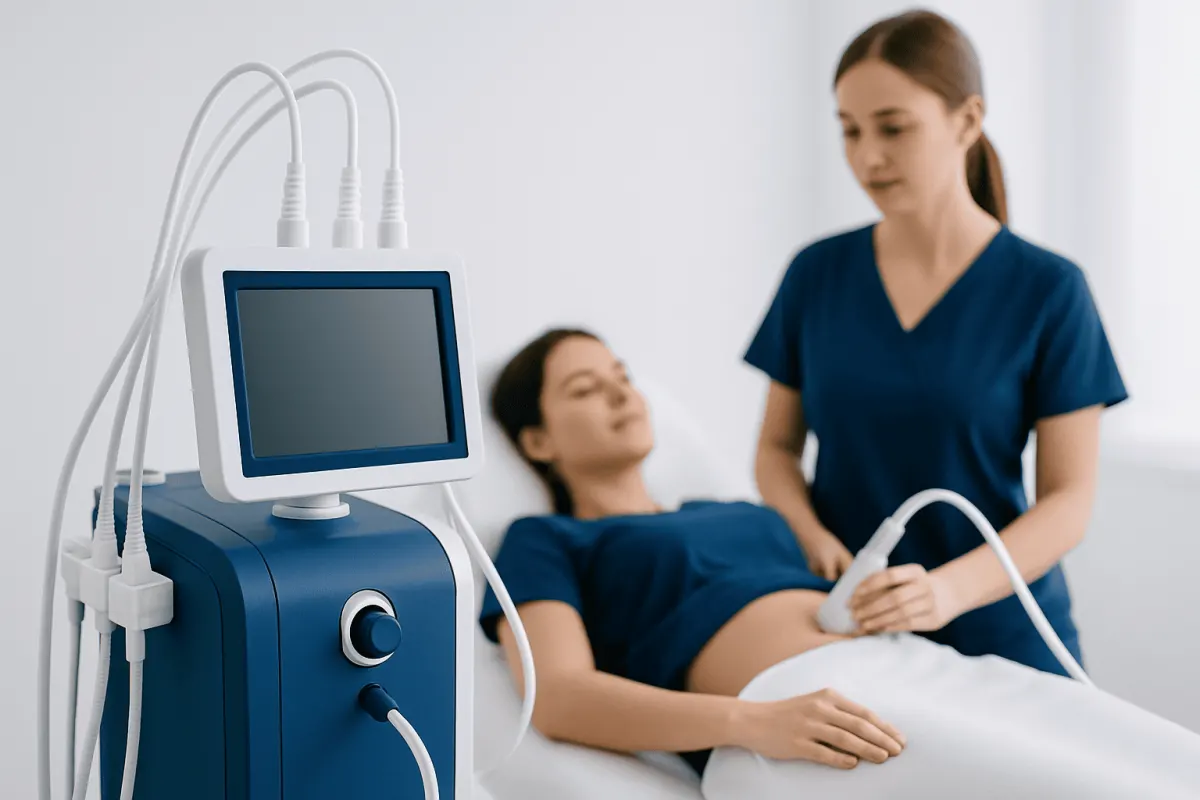
Yes. Laser lipo is real and can be a legitimate medical body-contouring procedure when it is performed by a properly trained, licensed clinician with suitable equipment and safety standards. The term usually describes laser-assisted liposuction, in which laser energy is delivered beneath the skin through a very small incision to heat fat cells before they are removed with suction. Some clinics also use “laser lipo” to describe non-invasive devices placed on the skin, which work differently and generally produce more modest changes.
The answer to “is laser liposuction legit?” depends partly on what is being offered. Medical devices may be cleared or approved by national regulators for specific uses, but this does not mean that every advertised claim, provider, or outcome is equally reliable. A consultation should include discussion of the exact device, the clinician’s qualifications, expected benefit, alternatives and possible complications.
Online discussions, including searches for “is laser lipo legit Reddit,” can offer personal perspectives but cannot determine whether a procedure is safe or appropriate for an individual. Before-and-after photographs may also be affected by lighting, posture, swelling and patient selection. Reliable decisions are based on an in-person assessment and clear medical information rather than social media claims.
How laser lipo works
Laser-assisted liposuction is a minimally invasive procedure designed to improve body contours. After the area is numbed, a clinician makes tiny incisions and inserts a thin laser fiber under the skin. The laser heats fatty tissue, which can make it easier to remove through a narrow suction tube called a cannula. Heat may also stimulate collagen remodeling, so some people experience a modest improvement in skin firmness over time.
Traditional suction liposuction removes fat without using laser energy. Non-invasive laser fat reduction, by contrast, does not involve incisions or suction; it uses external energy to affect fat cells gradually. These approaches should not be viewed as interchangeable. Their recovery time, likely amount of fat reduction, risks and suitability can differ substantially.
Laser lipo is not a treatment for obesity and is not intended to produce major weight loss. It is usually considered for areas such as the abdomen, flanks, thighs, upper arms, back or beneath the chin when diet and activity have not changed a localized fat deposit. A surgeon may discuss liposuction options when a more direct reduction in a defined area is desired.
Who may be a candidate?

Suitable candidates are generally adults who are close to a stable body weight, have realistic expectations and are concerned about a small-to-moderate area of fat that does not respond as desired to lifestyle measures. Good skin elasticity can support a smoother result, although laser energy may offer limited tightening in selected patients. The best approach depends on the amount and location of fat, skin quality and each person’s health history.
A consultation commonly includes a review of medications, allergies, prior surgery, smoking or nicotine use, bleeding risk, medical conditions and plans for future weight changes or pregnancy. People with poorly controlled chronic illness, active infection, impaired wound healing, certain blood-clotting conditions or unrealistic expectations may be advised to postpone or avoid a procedure. Pregnancy and breastfeeding are generally not times for elective body-contouring treatment.
An apron belly, sometimes called a pannus, can include excess fat, stretched skin and weakened abdominal tissues. Laser lipo may reduce a limited amount of underlying fat in carefully selected people, but it cannot reliably remove a large hanging skin fold or repair separated abdominal muscles. When excess skin is the main concern, a surgeon may discuss abdominoplasty as a more appropriate option.
What happens during the procedure and recovery?
Planning begins with an examination, photographs and discussion of the intended treatment area. On the day of the procedure, the clinician marks the skin and uses local anesthesia with sedation or, in some cases, general anesthesia. The choice depends on the treatment extent, the patient’s health and local clinical practice. Small incisions are made, the laser fiber is placed beneath the skin, and softened fat may be removed with gentle suction.
After treatment, the incisions are covered and a compression garment may be recommended to help control swelling and support the healing contour. Many patients return home the same day, provided they have appropriate support and have followed the medical team’s discharge instructions. Driving immediately after sedation or anesthesia is not safe, so transportation should be arranged in advance.
Bruising, tenderness, swelling, temporary numbness and fluid drainage can occur during early recovery. Light walking is commonly encouraged soon after surgery, while strenuous exercise, heavy lifting and swimming are usually delayed until the treating clinician confirms that healing is progressing well. Initial shape changes may be visible early, but swelling can take weeks to settle and the final contour often develops gradually over several months.
Benefits, limitations and risks
Potential benefits of laser lipo include a smaller incision, targeted reduction of localized fat and, for some patients, a shorter recovery than larger surgical contouring procedures. The heat produced by the laser may provide a degree of skin tightening, but this effect is variable and should not be assumed. A careful surgeon will describe what improvement is realistic for the individual body area rather than promise a particular size or shape.
Possible risks include pain, bruising, prolonged swelling, changes in skin sensation, scarring, uneven contours, asymmetry, fluid collections, infection and the need for a further procedure. Laser-specific risks include thermal injury or burns if energy is not properly controlled. Rare but serious complications related to surgery or anesthesia can include blood clots, adverse reactions and damage to nearby tissues.
The question “is laser lipo FDA approved?” needs careful wording. In the United States, individual devices may have Food and Drug Administration clearance or approval for particular indications, rather than “laser lipo” as one universal procedure being approved in all settings. Patients should ask about the device being proposed and whether its intended use is authorized in their country. Device status does not replace proper training, screening and follow-up care.
- Benefits are most likely when treatment targets a limited area and expectations are realistic.
- Laser lipo does not prevent future weight gain in untreated or treated areas.
- Choosing a qualified surgeon and accredited surgical setting is an important part of risk reduction.
Does laser lipo work on apron belly?
Laser lipo can sometimes improve an apron belly when the fullness is mainly caused by a small, localized layer of fat and the skin remains reasonably elastic. However, it is not usually the best solution for a pronounced overhang of loose skin, significant stretch marks, weakened abdominal muscles or a large amount of excess tissue. Removing fat alone in these circumstances may leave the skin lax or make the contour less predictable.
A specialist examination can help identify whether the visible fullness is due primarily to fat, skin, muscle separation, previous surgery, hernia or a combination of factors. For some people, nutrition, activity and weight management are the first steps. For others, surgical skin removal and abdominal contouring may be more suitable than laser-assisted fat removal.
Anyone with a new abdominal bulge, pain, vomiting, skin breakdown beneath a fold, or a suspected hernia should seek medical assessment rather than pursue cosmetic treatment first. These symptoms may need medical or surgical care unrelated to body contouring.
How long do laser lipo results last?
The fat cells removed during laser-assisted liposuction do not usually grow back in the same treated area. Therefore, contour changes can be long-lasting. However, remaining fat cells can enlarge with weight gain, and the body can store fat in other areas. Aging, hormonal changes, pregnancy and changes in activity or eating patterns can also alter body shape over time.
Maintaining a stable weight through regular activity, balanced nutrition, adequate sleep and management of relevant health conditions helps preserve results. This does not mean a person must follow a restrictive diet or maintain an unrealistic body size; instead, the goal is sustainable health habits and avoiding large weight fluctuations where possible.
Results should be judged only after the body has healed. Swelling can temporarily hide the final contour, and skin remodeling may continue for several months. Follow-up visits allow the clinical team to monitor healing, address concerns and advise when normal activities can safely resume.
What does lipo laser cost?
The cost of lipo laser varies widely because there is no single standard procedure. The price may depend on whether treatment is surgical or non-invasive, the number and size of areas treated, anesthesia, facility costs, surgeon experience, follow-up care and the country where treatment takes place. A quote should clearly state what is included and whether additional costs could arise.
Cosmetic laser lipo is usually not covered by health insurance when it is performed solely for appearance. It is reasonable to compare written treatment plans, but price should not be the only factor. A very low price may not include anesthesia, compression garments, follow-up, treatment of complications or care in an appropriately accredited facility.
A trustworthy consultation focuses first on medical suitability and informed consent. Patients should be cautious of pressure to book immediately, promises of guaranteed outcomes, claims of effortless weight loss or vague descriptions of who will perform the procedure.
Which is better, lipo or laser lipo?
Neither conventional liposuction nor laser lipo is automatically better for every person. Traditional liposuction can be effective for removing larger volumes of localized fat and remains a well-established option. Laser-assisted liposuction may be considered when a clinician believes heat-assisted fat disruption and possible modest skin tightening could be helpful in a smaller treatment area.
The most suitable choice depends on the area being treated, the volume of fat, skin elasticity, overall health, desired recovery profile and the clinician’s expertise. Non-invasive laser treatments may appeal to people who want to avoid incisions, but their results are generally less dramatic than surgical fat removal and may require multiple sessions.
Is laser lipo worth it? It may be worthwhile for someone whose goals and anatomy match the procedure’s capabilities and who accepts the recovery and risks. It may not be worthwhile if the main goal is substantial weight loss, correction of significant loose skin or a guaranteed outcome. Acıbadem Health Point’s multidisciplinary specialists and JCI-accredited hospitals can assess body-contouring concerns and discuss appropriate options for international patients.
When to seek medical care
Before laser lipo, medical advice is important for anyone with chronic illness, a history of blood clots, medication that affects bleeding, previous abdominal surgery, a suspected hernia or concerns about anesthesia. A qualified clinician should also assess unexpected changes in body shape, particularly if they are painful, one-sided or associated with a lump.
After a procedure, patients should contact their surgical team promptly for increasing pain, worsening redness, fever, pus-like drainage, persistent bleeding, a rapidly enlarging swelling, severe asymmetry or a wound that opens. Emergency care is needed for chest pain, shortness of breath, fainting, confusion or sudden leg swelling, as these may indicate a serious complication.
Following post-procedure instructions, attending scheduled reviews and avoiding unapproved supplements or medications during recovery can support safer healing. Questions are always appropriate: patients should feel comfortable asking how to reach the care team outside routine appointments.
Frequently asked questions
01Is laser lipo real?
Yes. Laser lipo can refer to laser-assisted liposuction, a minimally invasive surgical procedure, or to external non-invasive laser body-contouring treatments. These options work differently and do not produce the same degree of fat reduction.
02Is laser lipo legitimate for weight loss?
Laser lipo is legitimate as a body-contouring treatment, but it is not a weight-loss treatment. It is designed to improve localized fat deposits in selected individuals, not to treat obesity or replace lifestyle-based weight management.
03Is laser lipo safe?
Laser lipo can be performed safely when patients are properly screened and the procedure is carried out by an appropriately qualified clinician in a suitable medical setting. However, it has risks, including burns, infection, contour irregularities, anesthesia-related complications and blood clots.
04How painful is laser lipo?
The procedure is performed with anesthesia, so discomfort during treatment is controlled. During recovery, tenderness, swelling, bruising and a feeling of tightness are common, but symptoms vary by treatment area and the amount of fat removed.
05Can laser lipo tighten loose skin?
Laser-assisted liposuction may provide limited skin tightening in some people because heat can stimulate collagen remodeling. It cannot reliably remove substantial loose or hanging skin, and an alternative procedure may be recommended when skin excess is significant.
06How soon can someone exercise after laser lipo?
Light walking is often encouraged soon after surgery, but the timing of more strenuous activity depends on the treatment area and healing progress. The treating clinician should provide individualized guidance, especially after larger procedures or when incisions are still healing.
This article is for general information only and is not a substitute for professional medical advice. Please consult a qualified doctor about your individual situation.
Medical weight-loss options in Turkey — costs & eligibility
JCI-accredited · board-certified surgeons · reply within 24h
Add us as a Preferred Source to see more of our trusted health content across Google Search, AI Overviews and Discover.