Laser Hair Removal Sessions: What Happens Each Visit
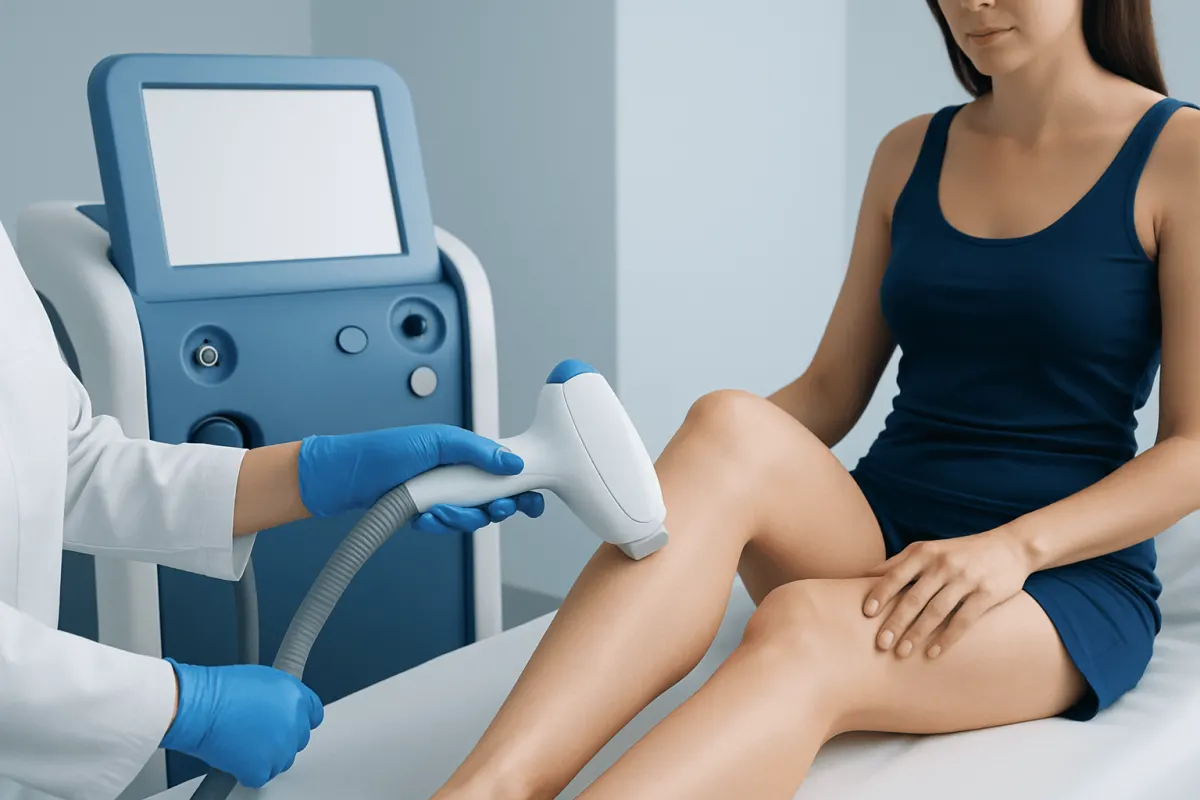
Laser hair removal sessions use controlled light energy to target pigment in actively growing hair follicles, reducing future hair growth over time. Most people need a planned series of treatments because hair grows in cycles, and results develop gradually rather than immediately after one session.
Overview: what happens during laser hair removal sessions?
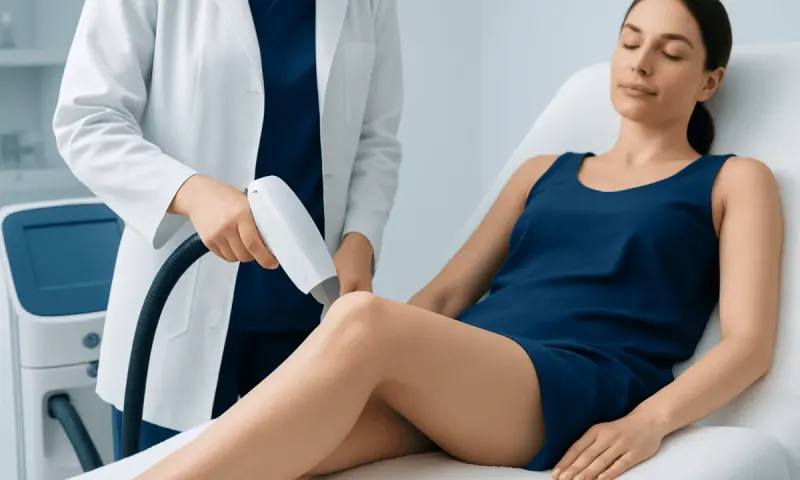
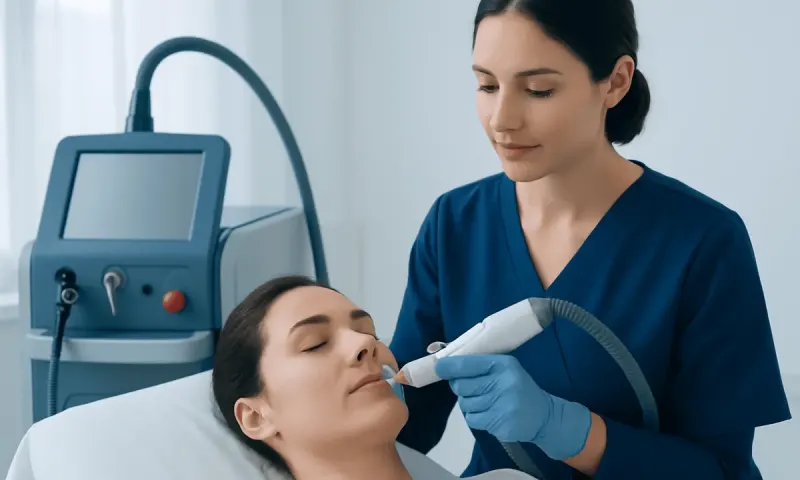
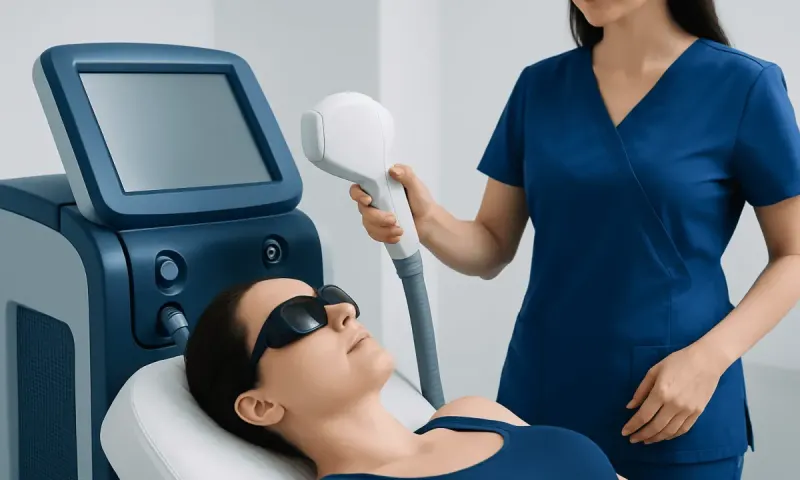
Laser hair removal sessions are outpatient treatments designed to reduce unwanted hair growth. A laser emits a concentrated beam of light that is absorbed mainly by melanin, the pigment in the hair. The absorbed energy heats the follicle and can limit its ability to produce a new hair, while the surrounding skin is protected through appropriate laser settings and cooling methods.
It is generally considered a long-term hair-reduction treatment rather than a guarantee of permanent removal of every hair. The response varies by body area, hair thickness and color, skin tone, hormones, and the device used. Darker, coarser hairs often respond well because they contain more pigment, while very light blonde, gray, white, or red hair may respond less predictably.
A consultation helps determine whether treatment is suitable and which device and settings are safest. The clinician may ask about previous tanning, skin conditions, medicines, hormonal changes, past procedures, and any tendency to scar or develop pigment changes. A small test area may be recommended, particularly for darker skin tones or when there is concern about skin sensitivity.
Why several sessions are usually needed
Hair follicles do not all grow at the same time. Laser treatment is most effective when a hair is in the active growth phase, called anagen, because it remains connected to the part of the follicle targeted by the laser. At any one appointment, many follicles are in resting or transitional phases and are less responsive.
For this reason, laser hair removal sessions are spaced apart to treat new groups of hairs as they enter active growth. The interval depends on the body area and individual hair-growth pattern. Facial areas may be treated at shorter intervals than the legs, back, or other body areas, where hair cycles tend to be longer.
Most people need multiple sessions to achieve a meaningful reduction. Some also choose occasional maintenance treatment later, especially if hormonal changes or natural variation in follicle activity leads to new hair growth. A clinician can provide an individualized plan after examining the treatment area and reviewing expectations.
What should I expect after my first session of laser hair removal?
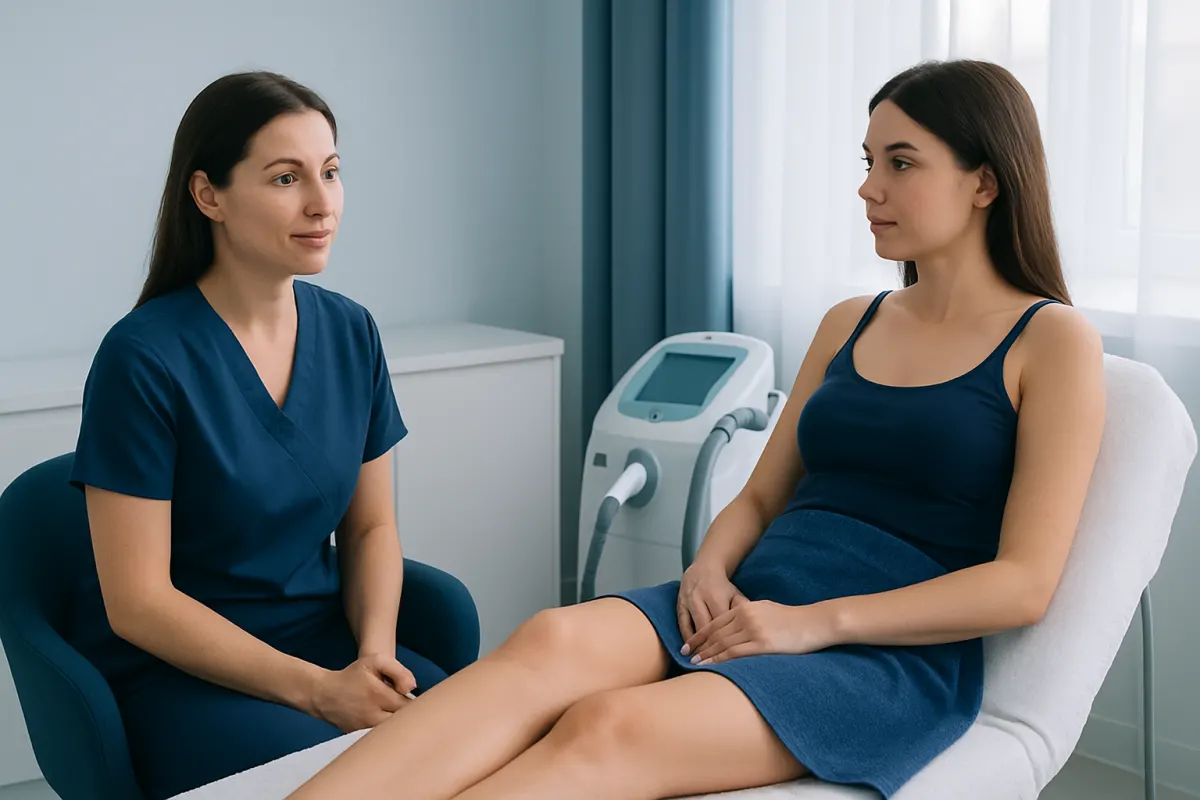
After a first session, the treated area may feel warm or look mildly red, similar to a short-lived sunburn. Small raised bumps around individual hair follicles can also occur. These effects are usually temporary and can indicate that the follicles have received treatment, although their absence does not necessarily mean the session was ineffective.
There is usually no immediate dramatic loss of hair. Treated hairs may remain visible at first, then slowly loosen and shed over the next several days to weeks. This can look like regrowth, but gently wiping the area after bathing may reveal that hairs are releasing from the follicle. Pulling or plucking the hairs should be avoided.
The first appointment also provides useful information about comfort, skin response, and the suitability of the selected settings. The clinician may adjust future treatment based on the response. Between sessions, shaving is usually preferred if hair removal is needed because it leaves the follicle in place for the next treatment.
How quickly after laser hair removal do you see results?
Early results are commonly noticed as slower or patchier regrowth rather than instant hair disappearance. Treated hairs often begin to shed within about one to three weeks, although timing differs by area and person. The skin may look smoother as shedding occurs and fewer hairs return in the treated cycle.
A clearer reduction usually becomes more noticeable after several laser hair removal sessions. Because each session reaches only part of the follicle population in its active growth phase, the overall change builds gradually. Hair that does return may be finer, lighter, or less dense, but this is not the same for everyone.
Results can be influenced by sun exposure, device selection, treatment technique, hair color, and underlying hormonal factors. For example, excess facial or body hair related to androgen sensitivity may warrant clinical evaluation; polycystic ovary syndrome is one possible cause of unwanted hair growth in some people. Addressing an underlying condition may be important alongside cosmetic hair-reduction treatment.
How long does it take to recover from laser hair removal?
Recovery from laser hair removal is usually brief. Many people return to routine daily activities immediately, although redness, sensitivity, mild swelling around follicles, or a warm sensation may last for several hours and occasionally a few days. The duration can depend on the treatment area, skin sensitivity, laser settings, and the amount of hair treated.
Cool compresses may be soothing if recommended by the treating clinician. During the first day or two, it is sensible to avoid activities that significantly heat or irritate the skin, such as hot baths, saunas, steam rooms, intense exercise, and friction from tight clothing. Fragrance-free, gentle skin care is often more comfortable while the skin settles.
Sun avoidance and broad-spectrum sunscreen are especially important before and after treatment. Recently tanned skin has a higher risk of unwanted pigment changes or burns, and ultraviolet exposure can worsen discoloration while the area heals. The treating team should advise when it is appropriate to resume exfoliating products, retinoids, or other potentially irritating topical treatments.
What I wish I knew before laser hair removal
One of the most helpful expectations is that laser hair removal is a process. It requires repeated appointments, adherence to spacing recommendations, and patience while shedding and hair-cycle changes occur. It is best viewed as progressive, long-term hair reduction rather than a one-time procedure or a promise that hair will never return.
Preparation affects both safety and treatment quality. Patients are commonly advised to avoid tanning and self-tanning products before an appointment, and to avoid waxing, threading, epilating, or plucking for a period advised by their clinician. These methods remove the hair from the follicle, leaving less target for the laser. Shaving is often recommended shortly before treatment, but instructions can vary by area and device.
Not every device suits every combination of skin tone and hair type. A medical professional should choose an appropriate laser and parameters, especially for deeply pigmented skin, where careful settings and experience are important to reduce the risk of burns or pigment change. It is also important to disclose medicines and supplements, including those that can increase photosensitivity, as well as a history of cold sores when treatment is planned near the mouth.
Laser hair removal should not be performed over suspicious skin lesions, active skin infections, or significantly irritated skin without clinical advice. People with eczema, acne, psoriasis, or a history of pigment changes can still be candidates in some circumstances, but timing and technique may need adjustment. A dermatology assessment can help when there is an active eczema flare or another skin concern in the proposed treatment area.
Aftercare, prevention of irritation, and safety
Following the aftercare plan supplied by the treatment provider is the most practical way to support comfortable healing. Gentle cleansing, moisturizing with non-irritating products, and protection from sunlight are commonly advised. A cool compress may help with temporary warmth or redness, but ice should not be applied directly to the skin.
Do not scratch, pick, wax, pluck, or exfoliate an irritated area. Avoid using harsh scrubs, strong acids, retinoids, or fragranced products until the skin has settled and the clinician says they are appropriate. If there is crusting, blistering, or broken skin, the area should be kept clean and reviewed promptly rather than treated with home remedies.
Possible complications are uncommon when treatment is appropriately selected and performed, but can include burns, blisters, infection, scarring, acne-like eruptions, and temporary or longer-lasting darkening or lightening of the skin. The chance of these effects may increase with recent sun exposure, incorrect settings, unsuitable devices, or failure to follow aftercare advice.
Acıbadem Health Point’s multidisciplinary specialists and JCI-accredited hospitals assess and treat skin and hair concerns for international patients, including individualized advice about suitable laser hair-removal care.
When to seek medical care
Contact the treating clinician if redness, swelling, pain, or sensitivity becomes worse rather than improving, or if it lasts longer than expected. Medical advice is also important for blistering, crusting, pus, increasing warmth, spreading redness, fever, or a rash that suggests infection or a significant skin reaction.
Seek prompt assessment for severe pain, extensive blistering, notable changes in skin color, or signs of an allergic reaction such as widespread hives, swelling of the face or throat, or difficulty breathing. Emergency care is appropriate for breathing difficulty or rapidly progressive facial or throat swelling.
Before another session, discuss any unexpected reaction, new medication, pregnancy, recent tanning, or change in health status with the clinician. Rescheduling may be safer than proceeding if the skin is irritated, sunburned, or affected by an active infection.
Frequently asked questions
01Does laser hair removal hurt?
Sensation varies by body area, hair thickness, device, and individual sensitivity. Many people describe brief warmth, snapping, or a stinging feeling during pulses of the laser. Cooling systems and other comfort measures can help, and the clinician can discuss options before treatment.
02Can I shave between laser hair removal sessions?
Shaving is commonly allowed between sessions because it removes hair above the skin without taking the follicle out. Waxing, plucking, threading, and epilating are usually avoided because they remove the target hair from the follicle. Patients should follow the timing instructions given by their treating clinician.
03Is laser hair removal safe for darker skin?
Laser hair removal can be performed on darker skin when an appropriate device, settings, and experienced clinician are used. Careful assessment is important because skin pigment can also absorb laser energy, increasing the risk of burns or pigment changes if treatment is not properly tailored. A test spot may be useful in some situations.
04Can laser hair removal be done during pregnancy?
Because there is limited research on cosmetic laser hair removal during pregnancy, treatment is commonly postponed until after pregnancy. A person who is pregnant, trying to conceive, or breastfeeding should discuss timing with their obstetric clinician and the laser provider. Individual advice may vary depending on health circumstances.
05Why is hair growing after laser hair removal?
Visible hairs after treatment may be treated hairs being pushed out and shed from the follicle, which can take days or weeks. New growth can also occur because untreated follicles were in a resting phase during the appointment. This is why a series of sessions is generally needed.
06How long do laser hair removal results last?
Results can last a long time after a completed treatment series, but they vary between individuals and body areas. Some hair may eventually return, particularly with hormonal changes, and may be finer or less dense. Maintenance sessions can be considered if unwanted regrowth develops.
This article is for general information only and is not a substitute for professional medical advice. Please consult a qualified doctor about your individual situation.
Hair transplant in Turkey — costs, graft counts & a free assessment
JCI-accredited · board-certified surgeons · reply within 24h
Add us as a Preferred Source to see more of our trusted health content across Google Search, AI Overviews and Discover.