Knee Cracking: When It Is Harmless or Concerning
Knee cracking is common and is often harmless, especially when it occurs without pain, swelling, instability, or loss of movement. The sound can come from normal changes in joint pressure, movement of soft tissues, or joint-surface friction, but symptoms alongside the noise may point to a problem that should be assessed.
Knee Cracking: What the Sound Usually Means
Knee cracking, popping, clicking, or grinding is very common. In medical settings, a crackling or grating sensation heard or felt around a joint is often called crepitus. It may happen while standing up, climbing stairs, squatting, bending the knee, or after sitting for a long time.
For most people, knee cracking without pain or other symptoms is not a sign of injury or arthritis. Joints are not silent mechanical hinges: fluid, cartilage, tendons, ligaments, and small pressure changes all contribute to the sounds made during movement. The sound alone is less important than the full picture of how the knee feels and functions.
A new noise that follows a twist, fall, or sports injury should be considered differently from a long-standing painless click. Similarly, a rough grinding sensation accompanied by pain or stiffness may warrant a clinical assessment, particularly if it limits daily activities.
Why Do Knees Crack or Pop?
One frequent explanation is a change in pressure within synovial fluid, the lubricating fluid inside the knee joint. Small gas bubbles can form and collapse as the joint moves, creating a pop. This is similar to the mechanism often discussed with knuckle cracking and is generally harmless.
Soft tissues can also create noise. A tendon or ligament may move across a bony prominence and produce a snap or click. Muscles may be temporarily tight after inactivity, and changes in movement patterns, fatigue, or exercise intensity can make these sounds more noticeable.
The kneecap is another common source of noise. As it glides in its groove at the front of the thigh bone during bending and straightening, mild friction can produce a crackle. This can occur in healthy knees. In some people, however, poor kneecap tracking, muscle weakness, or irritation of nearby tissues can make the sound painful.
Less commonly, a distinct click may relate to a meniscus injury, cartilage damage, loose material within the joint, or ligament injury. These conditions usually cause additional signs, such as pain after an injury, swelling, catching, a blocked feeling, or the knee giving way.
Knee Cracking and Arthritis: Separating Evidence From Myths

A common myth is that any cracking sound means the knee is “bone rubbing on bone.” This is not accurate. Healthy cartilage-covered joint surfaces, normal joint fluid pressure changes, and moving soft tissues can all make sound. A clinician cannot diagnose arthritis from sound alone.
Osteoarthritis is a condition in which joint tissues change over time and may lead to pain, stiffness, reduced movement, and sometimes crepitus. Knee noise can be more noticeable in people with osteoarthritis, but painless clicking or cracking does not prove that arthritis is present or that it will develop.
There is also no convincing evidence that deliberately cracking the knees causes arthritis. Repeatedly forcing a joint to crack is unnecessary, however. If someone feels a need to crack the knee because it feels tight or uncomfortable, it may be more useful to address prolonged sitting, limited mobility, muscle tightness, or training load.
Age, prior knee injury, excess body weight, certain occupations, family history, and repeated high joint loading can influence osteoarthritis risk. When symptoms suggest it, clinicians may assess for knee osteoarthritis or other knee conditions through a medical history, examination, and, when appropriate, imaging.
Symptoms That Matter More Than the Sound
The key question is not simply whether the knee cracks, but whether it is painful, swollen, unstable, or unable to perform normal tasks. A painless pop during movement that does not change activity level is usually reassuring. It may be helpful to observe whether the sound is stable over time or appears only after certain exercises.
Pain at the front of the knee during stairs, running, squatting, or prolonged sitting can occur with patellofemoral pain, sometimes called runner’s knee. Clicking or crepitus may accompany this condition, but pain and functional limitation are the more meaningful clinical features.
Mechanical symptoms need particular attention. “Locking” means the knee cannot fully bend or straighten, rather than simply feeling briefly stiff. Catching, repeated giving way, a sudden large swelling, or inability to bear weight can indicate an injury affecting structures inside or around the joint.
- Usually less concerning: occasional painless popping, no swelling, normal strength, and full movement.
- Worth discussing with a clinician: persistent pain, recurring swelling, stiffness, reduced range of motion, or worsening symptoms.
- More urgent after injury: deformity, inability to walk, a rapidly swollen knee, fever with a hot red joint, or a knee that is locked.
How Clinicians Assess a Noisy Knee
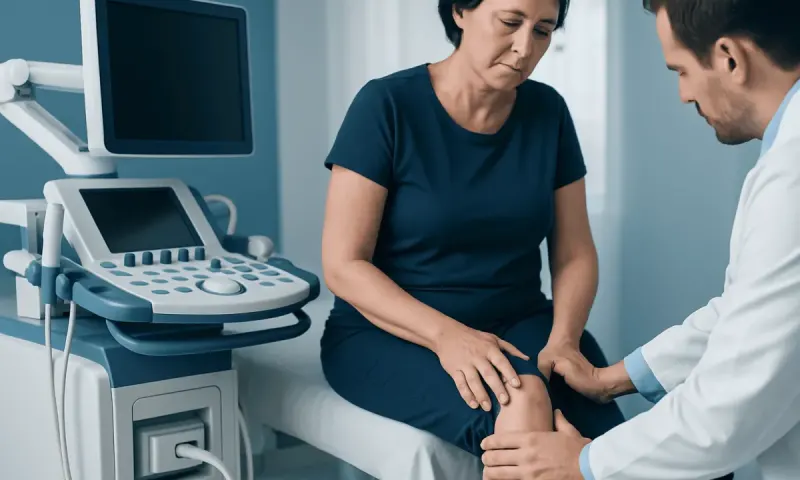
A healthcare professional begins by asking when the sound started, whether there was an injury, which movements trigger it, and whether pain, swelling, instability, or locking occurs. They will also consider activity levels, sports participation, past surgery or injury, work demands, and general health.
The physical examination may assess walking, alignment, knee motion, tenderness, swelling, muscle strength, kneecap movement, and ligament stability. The clinician may ask the person to squat, step up, or bend and straighten the knee to understand how symptoms affect movement.
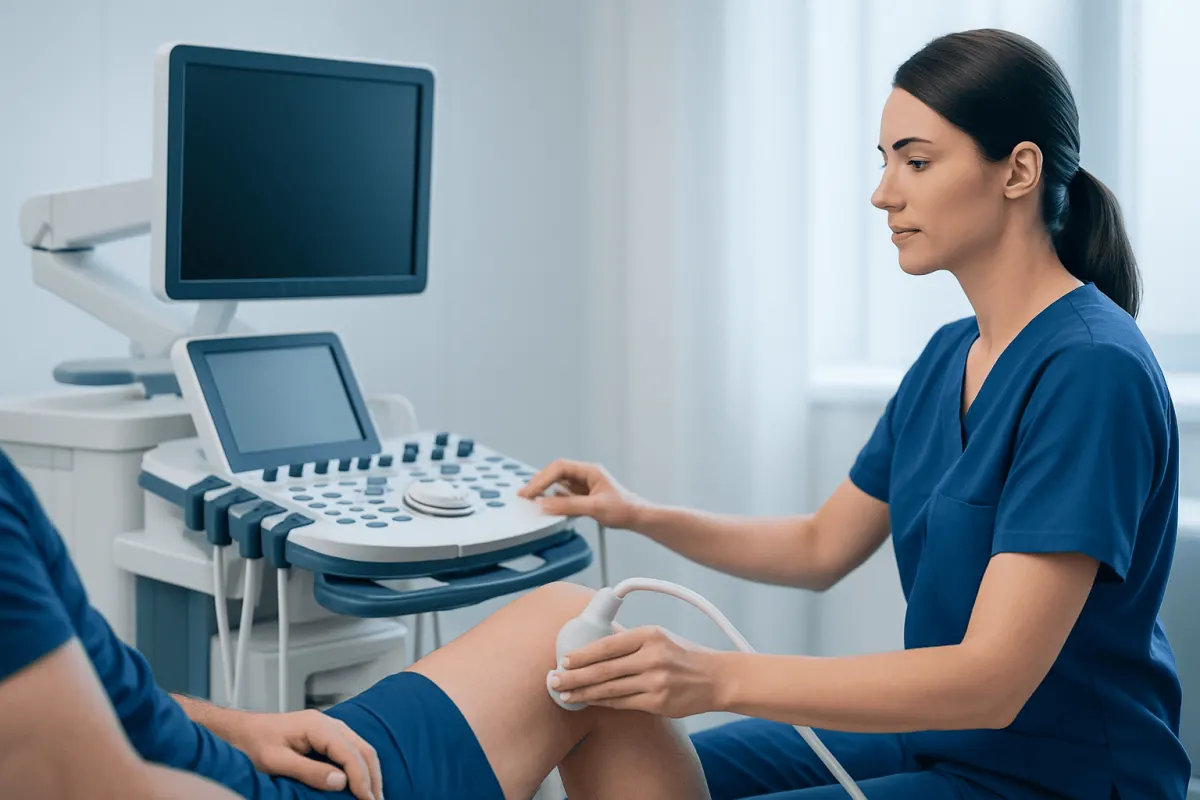
Imaging is not routinely needed for painless knee cracking. An X-ray may help evaluate bone alignment or arthritis when symptoms persist. Magnetic resonance imaging (MRI) can be useful in selected cases, such as suspected meniscus, cartilage, or ligament injury, but is usually reserved for situations in which the history and examination indicate it could change care.
Finding a structural change on a scan does not always explain a sound or require treatment. Imaging results are interpreted alongside symptoms and examination findings, with the goal of helping the person return safely to comfortable function.
Practical Self-Care for Mild, Painless or Activity-Related Cracking
If knee cracking is painless, no treatment is generally needed. Maintaining regular movement is beneficial for joint health. Gentle warm-up before exercise and avoiding abrupt increases in running distance, jumping, deep squatting, or hill work may reduce irritation in people whose symptoms begin after activity changes.
Strengthening the muscles that support the knee, especially the quadriceps, hip muscles, and hamstrings, can improve movement control. Low-impact activities such as walking on level ground, cycling, swimming, or water exercise may be more comfortable while symptoms settle. A physiotherapist can tailor an exercise plan for persistent pain or for a return to sport.
Supportive, well-fitting footwear can be useful, particularly for those who spend long periods standing or walking. Reaching or maintaining a weight that is appropriate for the individual can also reduce knee loading. These measures are not intended to eliminate every joint sound; the aim is to support comfort, confidence, and function.
For a minor overuse flare, reducing aggravating activity temporarily and using a cold pack wrapped in cloth may help with soreness. Pain medicines are not suitable for everyone, so people with medical conditions, pregnancy, or regular medications should ask a pharmacist or clinician before using them. Avoid trying to force a crack through pain or repeatedly testing an injured knee.
When to Seek Medical Care
Medical advice is appropriate when knee cracking is accompanied by persistent or worsening pain, swelling, warmth, stiffness, reduced movement, or difficulty with usual activities. An appointment is also sensible if the knee repeatedly gives way, catches, or feels unstable, even if there was no obvious injury.
Prompt assessment is important after a significant twist, fall, collision, or sudden pop followed by swelling or inability to continue activity. Urgent care is needed for an obvious deformity, inability to bear weight after injury, a locked knee, or a red, hot, swollen knee with fever or feeling unwell, as these symptoms may require timely treatment.
For ongoing symptoms, a primary care doctor, orthopedic specialist, sports medicine clinician, or physiotherapist can help identify likely causes and recommend a plan. Acıbadem Health Point’s multidisciplinary specialists and JCI-accredited hospitals assess and treat knee conditions for international patients when specialist care is needed.
Most knee sounds are not dangerous, and many people can remain active without needing tests or treatment. Seeking guidance when warning symptoms are present helps ensure that a meaningful injury or joint condition is recognized early and managed appropriately.
Frequently asked questions
01Is knee cracking normal?
Yes, knee cracking is often normal, especially when it is painless and there is no swelling, instability, or restriction in movement. Normal joint-fluid pressure changes and soft tissues moving during bending can create popping or clicking sounds. The sound itself is usually less important than associated symptoms.
02Does knee cracking mean arthritis?
No. Knee cracking alone does not diagnose arthritis and can occur in healthy knees. Osteoarthritis may cause crepitus along with pain, stiffness, and reduced function, but a healthcare professional considers the overall symptoms and examination rather than noise alone.
03Why does my knee crack when I squat or climb stairs?
Bending the knee under load changes the pressure inside the joint and the way the kneecap, tendons, and cartilage surfaces move. This can make harmless noises easier to notice during squats or stairs. If the sound is painful or is accompanied by swelling or a feeling of catching, medical assessment is advisable.
04Can exercise stop knee cracking?
Exercise may improve strength, joint control, and comfort, but it may not completely stop harmless knee sounds. Gradual strengthening of the thigh and hip muscles, along with sensible activity progression, can be helpful when cracking is linked with mild activity-related discomfort. Painful exercise should be modified and discussed with a clinician.
05Should a person stop exercising if their knees crack?
Painless cracking without swelling or instability usually does not require stopping exercise. It is sensible to warm up, increase training gradually, and choose movements that feel comfortable. A person should pause and seek advice if pain, swelling, locking, or giving way develops.
06What does a knee pop after an injury mean?
A pop at the time of an injury can sometimes occur with damage to a ligament, meniscus, or other knee structure, particularly if it is followed by swelling, pain, or instability. It does not confirm a specific injury by itself. Prompt clinical evaluation is recommended if walking is difficult, swelling develops quickly, or the knee feels unstable or locked.
This article is for general information only and is not a substitute for professional medical advice. Please consult a qualified doctor about your individual situation.
Persistent digestive symptoms? Get evaluated in Turkey
JCI-accredited · board-certified surgeons · reply within 24h
Add us as a Preferred Source to see more of our trusted health content across Google Search, AI Overviews and Discover.